
If you walk into a traditional tattoo parlor and tell the artist that you want a large design of a snake, the very first thing they will do is ask you for the cultural context.
In Western tattooing traditions, the snake is often used as a symbol of danger, rebellion, or deceit. It is usually depicted coiled around a dagger, its fangs bared, serving as a permanent warning sign on the wearer’s skin.
But if you look at traditional Japanese Irezumi, the exact same animal carries a completely opposite meaning. In Japanese art, a snake—or Hebi—winding its way through water waves and blooming peonies is a sacred guardian. It represents wisdom, protection against illness, and the shedding of bad habits to embrace a better life.
The ink is the same. The biological subject is the same. But the cultural identity attached to the image changes its entire meaning depending on where you are in the world.
For a very long time, I thought coffee was a simple, one-dimensional product. I assumed it meant the exact same thing to everyone, everywhere.
But as I began to explore the vast, intricate world of this roasted seed, my perspective was completely shattered. I realized that coffee is the ultimate global icon. It possesses a singular, undeniable global identity, yet it acts as a cultural mirror, reflecting the deep values of whoever is holding the mug.
Here is the honest, deeply observant story of why coffee has such a strong global identity, how a simple agricultural crop conquered every continent on earth, and why the dark liquid in your kitchen is the most universally understood symbol of the human experience.
The Only Universal Language
There are very few things in this world that cross every single geopolitical, linguistic, and religious border.
If you travel to a foreign country and you do not speak the language, you will struggle to order food, you will struggle to navigate the transit system, and you will struggle to read the signs. The isolation can be incredibly overwhelming.
But no matter where you go on the face of the planet, if you make a simple gesture of holding a small imaginary cup to your mouth and raising your eyebrows, the person across from you will nod.
They will point you toward a coffee shop.
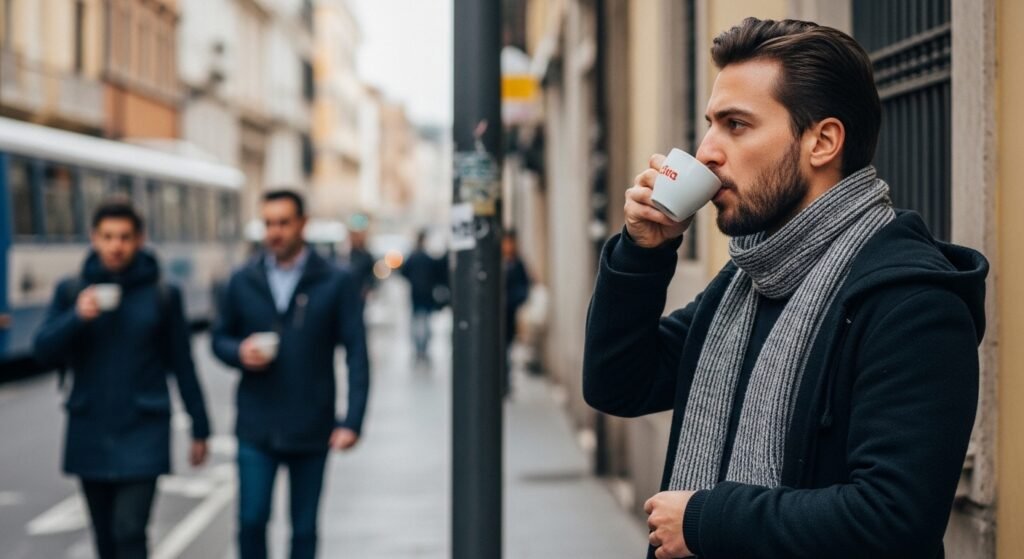
Coffee is a universal language. You can walk the bustling, neon-lit streets of Tokyo, the ancient cobblestone alleys of Rome, or the high-altitude dirt roads of a Colombian farming village, and you will find people engaging in the exact same ritual.
Realizing the sheer scale of this phenomenon was the core of (The Moment I Realized Coffee Is a Global Experience). I realized that I was not participating in a localized American habit; I was participating in a synchronized global heartbeat.
The Identity of the Antidote
To understand why coffee established such a dominant global identity, you have to look back at European history, specifically during the Middle Ages.
Before coffee was introduced to the Western world, the daily life of an average citizen was heavily filtered through a haze of mild intoxication. Because municipal water supplies were heavily contaminated with bacteria and pathogens, drinking plain water was genuinely dangerous.
The only safe beverages available were weak beer and wine, because the fermentation process killed the bacteria. People drank alcohol for breakfast, lunch, and dinner.
The entire human population was essentially stumbling through the day in a constant, sluggish fog.
When coffee arrived on the European continent via the ancient trade routes of the Middle East, it hit the population like a lightning bolt. Because coffee requires boiling water, it was perfectly safe to drink. But instead of acting as a depressant that made people tired and sloppy, it contained a miraculous compound called caffeine.
It acted as the ultimate antidote.
Fueling the Intellectual Revolution
The introduction of coffee physically sobered up the Western world.
People who had spent their entire lives in a mild alcoholic haze suddenly felt a sharp, piercing mental clarity. Their thoughts were organized. Their energy levels spiked. They could read, debate, and work for hours without feeling fatigued.
Because of this profound biological effect, coffee quickly adopted the global identity of the “Intellectual Awakener.”
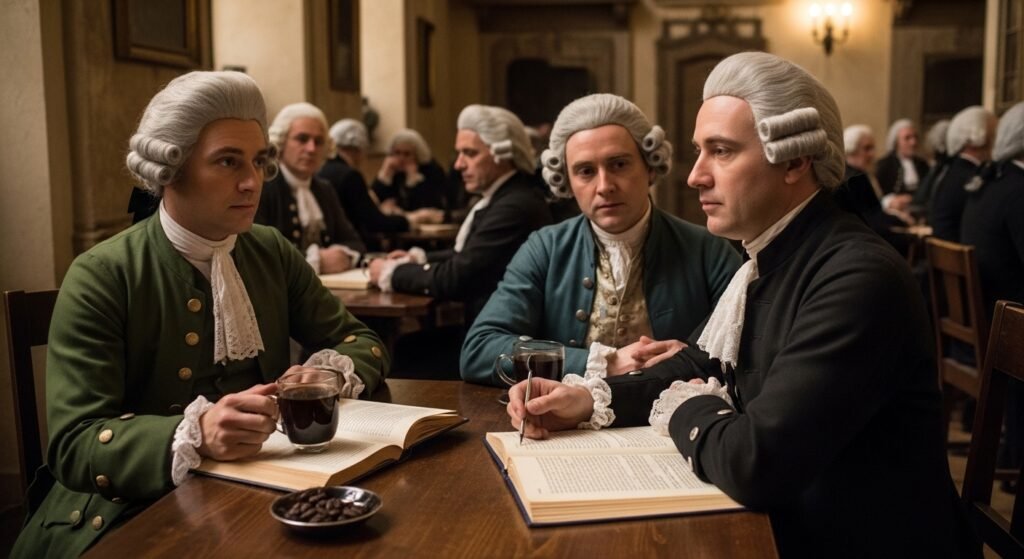
Coffeehouses began springing up across London, Paris, and Vienna. They were not places to get drunk; they were places to get sharp. They became known as the epicenters of the Enlightenment. Philosophers, scientists, and writers gathered around wooden tables to drink the dark liquid and debate the laws of physics and the structure of society.
The French Revolution was heavily fueled by caffeinated debates. Isaac Newton famously spent his days discussing mathematics in coffeehouses.
The identity of coffee was forever cemented as the beverage of progress, critical thinking, and intellectual rebellion.
The Identity of Hospitality
While Europe claimed coffee as a tool for intellectual output, the Middle East and Africa cultivated a completely different, deeply profound global identity for the bean.
In these regions, coffee is the ultimate symbol of human hospitality.
If you look at the ancient Bedouin tribes of the Arabian desert, serving coffee to a guest is a matter of profound honor. A host will roast the green beans over an open fire, grind them with a heavy brass mortar and pestle, and serve the thick, spiced liquid in tiny cups.
This ritual is a sacred contract. It tells the guest, “You are safe here, and you are welcome.”
The exact same identity thrives in Ethiopia, the biological birthplace of the coffee plant. The Ethiopian coffee ceremony is an hours-long event that demands absolute patience. To be invited to an Ethiopian home and served three distinct rounds of coffee is the highest form of respect.
Discovering how these profound rituals shape societies is exactly (Why Coffee Is So Important in Different Cultures). I realized that in a massive portion of the world, coffee is not a stimulant. It is a handshake. It is an embrace.
The Modern Identity of Industry
As the centuries passed and the Industrial Revolution completely reshaped the way human beings worked, the global identity of coffee evolved once again to match the times.
In the modern era, particularly in the United States and the fast-paced Western economies, coffee adopted the identity of pure, unadulterated industry.
It became the fuel of the working class.
We built massive corporate chains designed to dispense coffee through drive-thru windows as fast as physically possible. We invented the insulated paper cup with a spill-proof plastic lid so we could drink it while running down the sidewalk or driving on the highway.
In this specific cultural translation, holding a cup of coffee became a badge of honor. It signals to the world that you are busy. It signals that you are working hard, meeting deadlines, and pushing your body to achieve economic success.
As someone who spends hours staring at digital screens and editing complex projects, I leaned heavily into this specific identity for years. I drank it just to survive my own ambition.
The Aromatic Blueprint
But the global identity of coffee is not just philosophical or historical. It is also deeply, undeniably sensory.
There are very few smells in the world that trigger such a universal emotional response as the smell of roasted coffee beans hitting hot water.
You can be walking down a chaotic, freezing street in New York City, or strolling through a humid, crowded market in Bangkok. You can feel completely lost, isolated, and overwhelmed by the foreign environment.
But the exact second you smell the heavy, caramelized sugars of a coffee shop, your heart rate instantly drops.
That smell is a sensory anchor. It instantly reminds you of your own kitchen. It reminds you of lazy Sunday mornings, of safety, and of comfort. The aroma of coffee transcends borders and bypasses our logical brains, tapping directly into our deepest emotional memories.
The Democratization of the Bean
One of the most beautiful reasons coffee maintains such a powerful global identity is its inherent accessibility.
Historically, luxury items like rare spices, fine silks, and aged wines were strictly reserved for the wealthy elite. The working class had absolutely no access to them.
But coffee is the great equalizer.
While you can certainly spend a small fortune on a rare, Geisha-variety coffee bean grown on a specific micro-lot in Panama, the baseline experience of coffee is incredibly cheap.
The CEO of a multi-billion dollar corporation and the construction worker repairing the street outside the corporate headquarters both wake up and crave the exact same chemical compound. They might buy it from different places, but they are participating in the exact same morning ritual.
This unified global respect is the reason (Why Coffee Is More Than Just a Beverage Worldwide). It is one of the only culinary experiences that refuses to discriminate based on class or status.
The Blank Canvas
When you finally step back and look at the entire historical and cultural landscape, you realize why the identity of coffee is so impossibly strong.
It is a blank canvas that perfectly absorbs the needs of humanity.
If a society needs to sober up and invent modern calculus, coffee becomes the intellectual fuel. If a society needs to survive freezing winters and isolated geography, coffee becomes the warm excuse for social interaction. If a society needs to push through a grueling twelve-hour shift, coffee becomes the biological battery.
It is the snake tattoo. The ink is the same, but it perfectly molds to the cultural skin it is applied to.
Honoring the Global Icon
If you are currently trapped in the habit of treating your morning coffee as a thoughtless, automatic chore, you are severely underestimating the liquid in your cup.
You are ignoring one of the most powerful, unifying symbols in human history.
I challenge you to break the autopilot tomorrow morning. When you wake up, do not reach for your phone. Walk into your kitchen and engage with the ritual.
If you use a manual grinder, pay attention to the mechanical crunch of the beans. If you use a pour-over cone, watch the way the hot water forces the coffee bed to bloom and expand. Smell the dense, heavy aromatics filling your home.
As you hold your warm ceramic mug, take a moment to realize the gravity of what you are doing.
You are not just waking yourself up. You are participating in an ancient, unbroken chain of humanity. You are drinking the exact same beverage that fueled revolutions, sealed treaties, and sparked the greatest ideas in history.
When you finally acknowledge the immense global identity resting in the palm of your hand, your morning routine will never feel like a chore again. It will feel like the ultimate privilege.
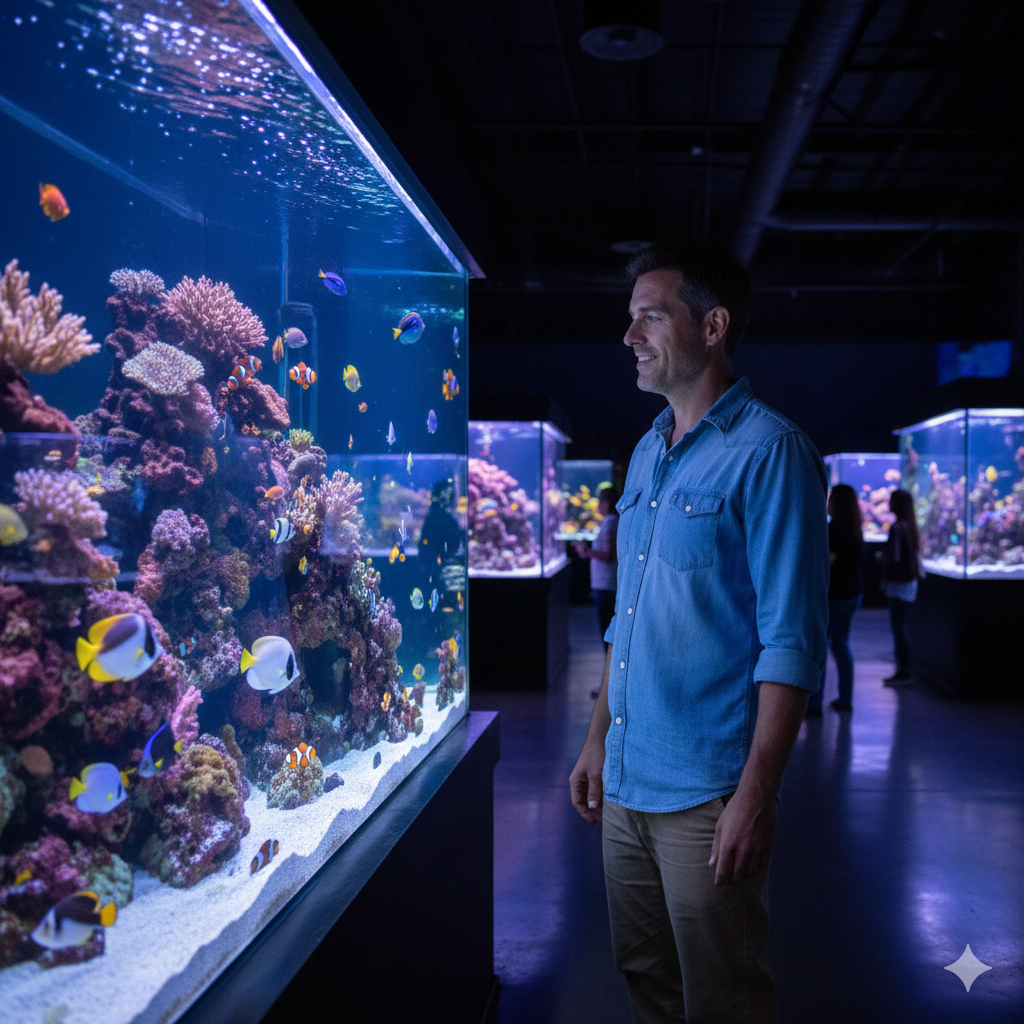
My name is Daniel Carter, I am 35 years old, and I live in the United States. I have been passionate about aquariums for many years, and what started as a simple hobby quickly became a lifelong interest in aquatic life, fish behavior, and responsible tank care.
Through TheBrightLance, I share real experiences, practical knowledge, and honest lessons learned from maintaining different types of aquariums. I enjoy testing equipment, studying fish behavior, improving maintenance routines, and helping beginners avoid common mistakes.
My goal is to make aquarism easier, more ethical, and more enjoyable for everyone — whether you are setting up your very first tank or looking to refine your techniques.