
Someone might hand me a photograph of a person wearing a plain, gray t-shirt and ask me to digitally swap it out for a highly detailed, textured soccer jersey. If you are an amateur, you might just paste the image of the jersey over the person’s torso and call it a day. But it will look entirely fake.
To make the edit believable, you have to understand that the new piece of clothing changes everything about the image.
You have to digitally map the fabric to the natural folds of the subject’s body. You have to change the way the ambient light bounces off the new colors. You have to adjust the shadows under the collar. By the time the edit is finished, the new clothing hasn’t just covered the subject; it has completely transformed the emotional context and the posture of the person in the photograph.
A few years ago, I decided to upgrade my morning coffee. I thought I was just swapping out a cheap brand for a better one. I thought it was a simple, isolated swap.
I was completely wrong.
Introducing specialty coffee into my daily routine did not just change what was in my mug. It changed the lighting, the shadows, and the entire posture of my life. It was a completely new layer that altered my habits, my patience, and my relationship with the physical world.
Here is the honest, highly reflective story of how coffee culture influenced my lifestyle, how an agricultural seed completely rewired my daily routine, and how a simple morning beverage forced me to become a more mindful, grounded human being.
The Original, Unedited Routine
To fully appreciate the magnitude of this lifestyle shift, you have to look at the “before” picture.
Before I discovered the specialty coffee world, my lifestyle was defined entirely by speed, digital consumption, and a lingering sense of constant anxiety. I work in a field that requires me to stare at glowing computer monitors for the vast majority of my waking hours.
Because my work is digital, my sense of time was heavily distorted.
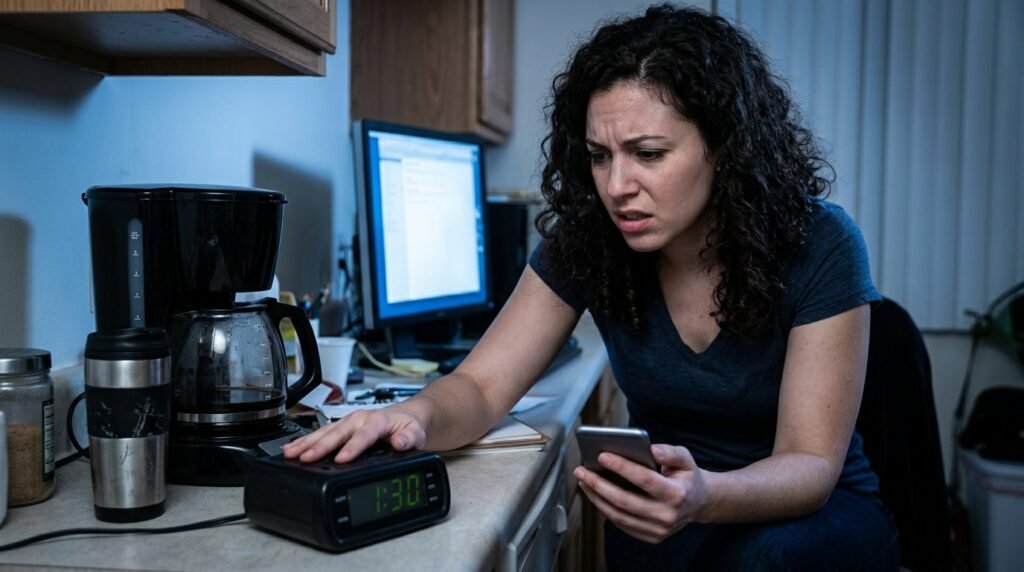
My mornings were frantic and reactive. I would sleep until the absolute last possible second, violently silencing my alarm clock. I would stumble into the kitchen, dump a scoop of generic, stale coffee powder into a plastic automatic machine, and immediately check my phone for urgent emails.
I drank the resulting bitter sludge out of a cheap travel mug while sitting in traffic or staring blankly at my computer screen.
The coffee was not an experience. It was a biological override. I used it as a harsh, utilitarian drug to force my brain to operate at maximum capacity. I was living in a constant state of “fast forward,” completely disconnected from my physical environment.
The Catalyst for the Shift
The transformation began the day my plastic coffee maker broke, forcing me to walk into a local, independent specialty roastery.
I ordered a simple black pour-over, expecting the usual burnt, ashy liquid. Instead, the barista handed me a ceramic mug filled with a vibrant, translucent beverage that tasted shockingly like sweet jasmine flowers and wild blueberries.
That single sip broke the digital spell I was under.
The realization that a simple, natural seed could produce such a complex, beautiful flavor without any artificial additives was the absolute defining moment of (The Coffee That Changed My Morning Routine Completely). I couldn’t stop thinking about it.
I bought a bag of Ethiopian whole beans, a manual burr grinder, a digital scale, and a glass V60 cone. I brought them back to my apartment, intending only to upgrade the taste of my morning drink.
I had no idea that I had just brought a trojan horse into my kitchen.
Forcing the Analog Pause
The very first major lifestyle change happened the next morning.
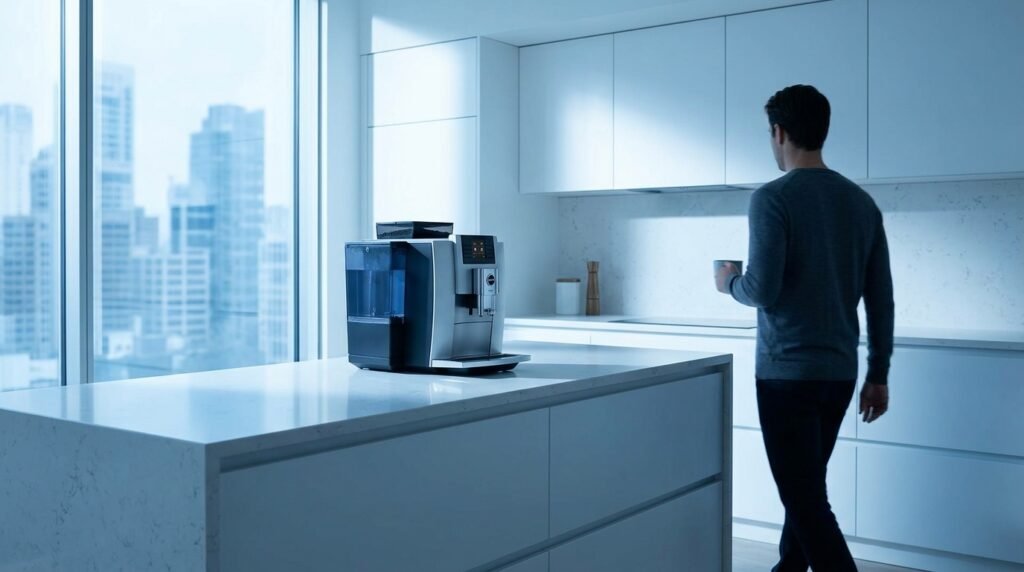
I woke up, walked into the kitchen, and realized that I could no longer just press a button and walk away. Manual coffee brewing requires active, physical participation. It demands your absolute presence.
I had to carefully weigh the beans on the digital scale. I had to physically turn the crank on the hand grinder, listening to the satisfying, mechanical crunch of the steel burrs. I had to heat the water to exactly 200 degrees Fahrenheit, and I had to pour it over the coffee bed in slow, hypnotic circles.
For exactly four minutes, I was physically anchored to the kitchen counter.
I could not check my phone. I could not answer an email. If I looked away from the glass cone, the water level would drop, the temperature would crash, and the coffee would be ruined.
The process forced me to put my digital life on hold and engage with the analog, tactile world. I was suddenly smelling the heavy, caramelized sugars. I was feeling the heat of the steam. I was watching the physical laws of gravity and extraction happen right in front of my eyes.
Reclaiming the Morning
This mandatory four-minute pause quickly evolved into the most important boundary line of my entire day.
Before coffee culture took over, my mornings belonged to my clients, my inbox, and the chaotic news cycle. I was reacting to the world before I had even brushed my teeth.
But because the manual brewing process was so incredibly satisfying and meditative, I started waking up thirty minutes earlier just to ensure I had enough time to enjoy it. I stopped fighting my alarm clock. I actually looked forward to the quiet, dark solitude of the kitchen.
I established a strict personal rule: absolutely no screens, no emails, and no social media until the coffee is brewed and the first sip is taken.
This simple boundary completely changed my mental health. Instead of starting my day in a state of high-stress reaction, I now start my day with a proactive, quiet victory. I engineer a flawless cup of coffee, I sit on my balcony, and I simply exist for fifteen minutes.
It is a psychological shield that protects my peace before the chaos of the workday begins.
A New Relationship With Time
As I fell deeper into the specialty coffee rabbit hole, I noticed that the culture was slowly rewiring my fundamental relationship with time and patience.
We live in an era of instant gratification. If a webpage takes more than three seconds to load, we close the tab. We want everything immediately.
But coffee refuses to be rushed.
If you try to pour your hot water too fast, the coffee bed will channel, and the resulting drink will taste violently sour and weak. If you grind the beans too aggressively, you will scorch them.
Furthermore, you cannot drink specialty coffee the second it is brewed. If the liquid is 180 degrees, it will numb your taste buds and mask the delicate fruit flavors. You have to let it cool down to 135 degrees. You literally have to sit and wait.
This daily practice of delayed gratification bled into the rest of my lifestyle. This subtle, pervasive shift is exactly (How Coffee Became Part of My Lifestyle Without Me Realizing).
I became more patient with my work. I became more patient with my friends. I started understanding that high-quality results—whether in image editing, personal relationships, or culinary arts—require a slow, deliberate investment of time.
Escaping the Digital Bubble
One of the most profound lifestyle changes coffee brought me was the destruction of my professional isolation.
When you work remotely and your entire career exists inside a laptop, it is dangerously easy to become a hermit. You can go days without speaking a single word out loud to another human being.
But as my passion for coffee grew, my desire to experience different roasts and brewing methods forced me out of my apartment.
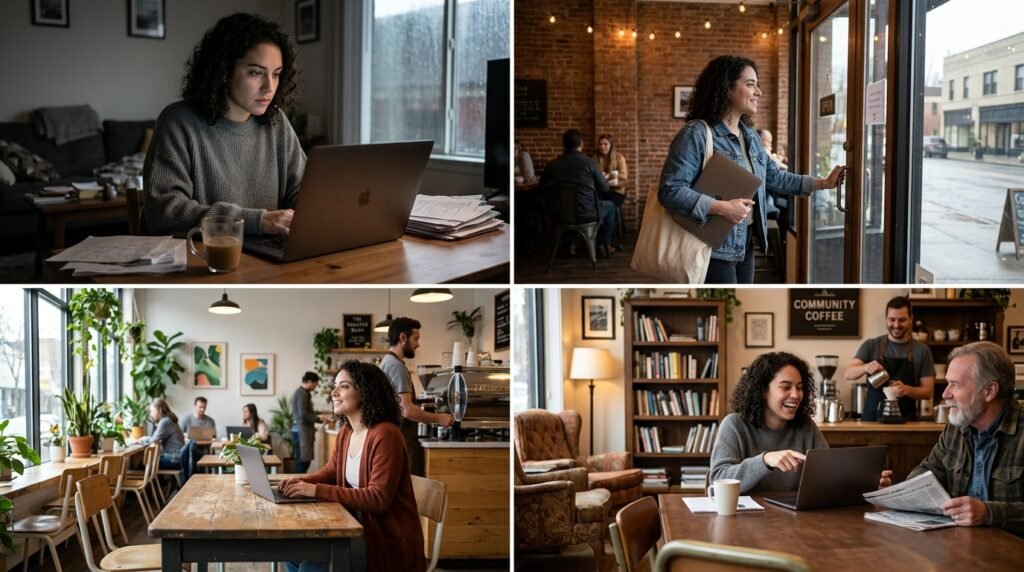
I started actively seeking out independent, local coffee shops in my city. I would pack my laptop, walk a few miles, and spend the afternoon working from a wooden table in a bustling cafe.
The environment completely cured my digital fatigue.
The ambient noise of the espresso machines, the smell of the roasted beans, and the low hum of human conversation provided the perfect background anchor for my brain. I started talking to the baristas. I started recognizing the other regulars.
Coffee became the key that unlocked my physical community. Recognizing the immense value of this social bridge perfectly illustrates (How Coffee Connects People in Ways I Didn’t Expect). It gave me a reason to leave my house and participate in society again.
Mindful Consumption and Quality over Quantity
Before my coffee awakening, my consumer habits were entirely driven by volume and convenience. I wanted the biggest cup of coffee for the lowest possible price.
But as I learned about the incredible human effort required to produce a single bag of specialty beans—the farmers hand-picking cherries on steep mountains, the careful fermentation process, the logistical miracle of oceanic shipping—my mindset shifted.
I stopped wanting massive quantities of cheap garbage. I started craving small quantities of exceptional quality.
I stopped buying coffee from massive corporate drive-thrus. Instead, I happily paid twenty dollars for a small bag of single-origin beans from a local roaster, knowing that the money was supporting a transparent, ethical supply chain.
This philosophy of “mindful consumption” quickly spread to the rest of my lifestyle.
I stopped buying cheap, fast-fashion clothing and started investing in fewer, high-quality garments. I stopped eating thoughtless, highly processed fast food and started cooking meals from scratch, paying attention to the origin of my ingredients.
Coffee taught me that respecting the raw materials always yields a better final result.
The Permanent Edit
When I look back at the person I was before I bought that first V60 pour-over cone, I hardly recognize the lifestyle.
I was stressed, isolated, chronically impatient, and completely detached from the physical world. I treated my environment as an obstacle to overcome rather than a space to inhabit.
Coffee culture changed the entire lighting setup of my daily life.
It taught me how to wake up with intention. It taught me the profound value of a fifteen-minute analog pause. It forced me to be patient, it pushed me out of my apartment and into a community, and it taught me to value the incredible human labor behind the products I consume.
If you currently view your morning coffee merely as a hot beverage or a necessary drug, I challenge you to change your perspective.
Throw away the plastic drip machine. Buy a manual grinder. Buy a digital scale. Put your phone in another room and force yourself to spend five minutes actively engaging with the physical universe.
You might think you are just trying to make a better-tasting drink. But if you truly surrender to the ritual, you will quickly find that the coffee is editing you just as much as you are editing the coffee.
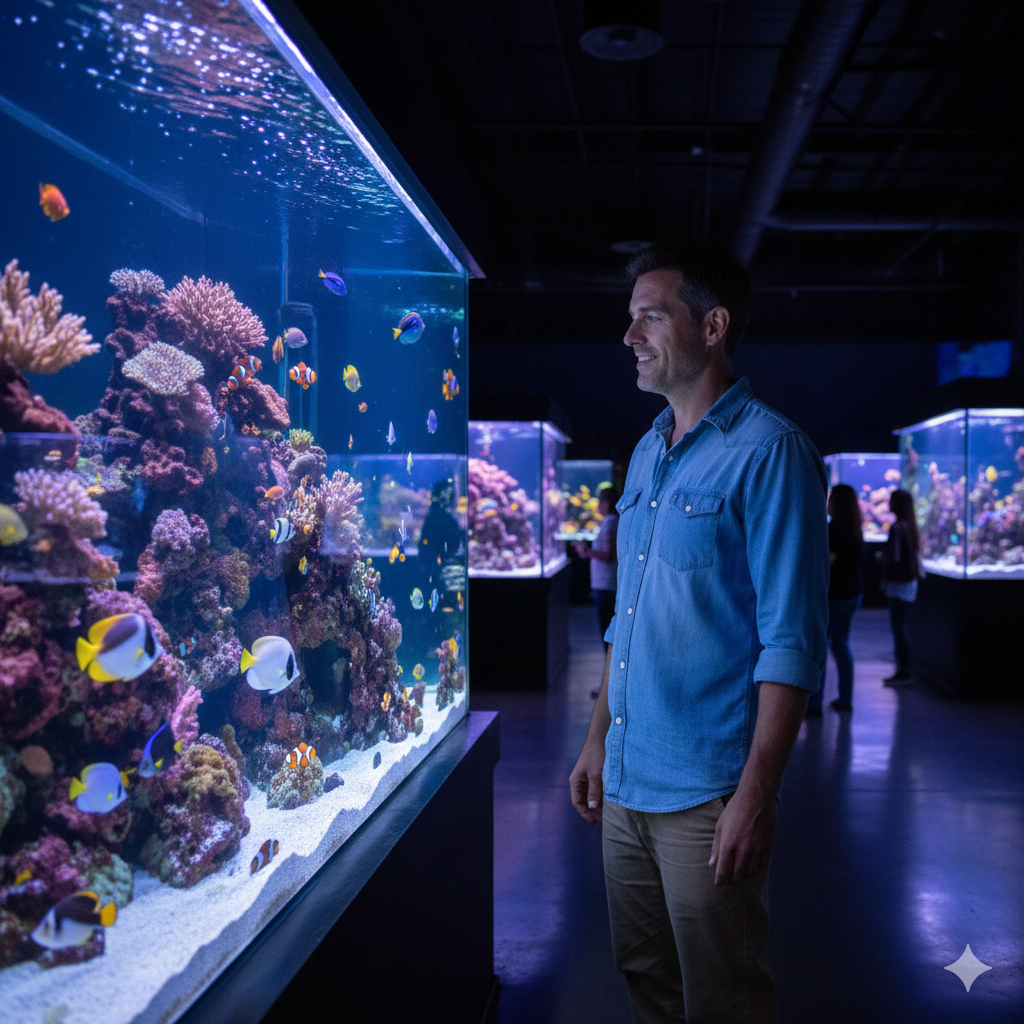
My name is Daniel Carter, I am 35 years old, and I live in the United States. I have been passionate about aquariums for many years, and what started as a simple hobby quickly became a lifelong interest in aquatic life, fish behavior, and responsible tank care.
Through TheBrightLance, I share real experiences, practical knowledge, and honest lessons learned from maintaining different types of aquariums. I enjoy testing equipment, studying fish behavior, improving maintenance routines, and helping beginners avoid common mistakes.
My goal is to make aquarism easier, more ethical, and more enjoyable for everyone — whether you are setting up your very first tank or looking to refine your techniques.