
When I first started dabbling in digital photography and image editing many years ago, I had a very specific, amateur workflow.
I would take a photograph, open it on my computer, and immediately slap a heavy, pre-made digital filter over the entire image. I didn’t care about the original lighting. I didn’t care about the white balance, the contrast, or the subtle details hiding in the shadows.
The heavy filter was a shortcut. It instantly masked all of my terrible lighting mistakes. It crushed the original data, but it made the image look “cool” in a cheap, manufactured way.
As the years passed and my skills evolved, my relationship with digital images completely changed.
I stopped using presets entirely. I started shooting in RAW formats. I learned how to read a histogram, how to gently push the RGB curves, and how to dodge and burn specific pixels. My entire goal shifted from hiding the original photograph to honoring the original light.
Looking back, I realize that my journey with coffee followed this exact same evolutionary path.
For the first half of my life, I treated my morning mug exactly like a bad photograph covered in a cheap filter. Today, my routine is an exercise in honoring the raw file.
Here is the honest, deeply reflective story of how my relationship with coffee changed over time, the distinct phases of my culinary evolution, and how a bitter, utilitarian drug eventually became the most cherished, analog ritual of my day.
Phase 1: The Utilitarian Era (The Heavy Filter)
My relationship with coffee began in pure, unadulterated chaos.
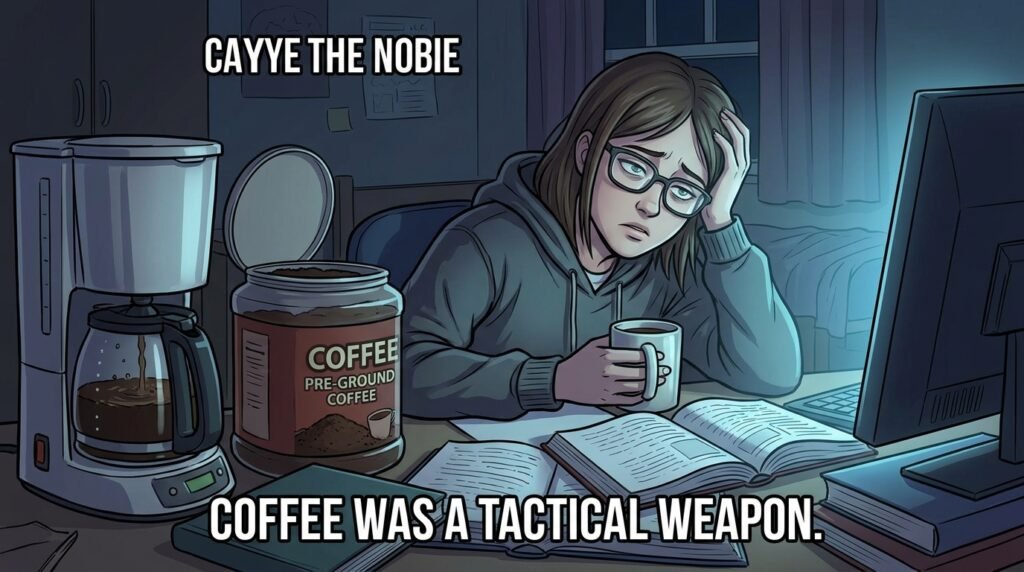
During my late teens and early twenties, coffee was not a beverage. It was a tactical weapon. It was a biological requirement to survive late-night study sessions, early morning commutes, and hours of staring at a glowing computer screen.
I did not care what the coffee tasted like. In fact, I actively hated the taste of it.
I bought the cheapest, largest plastic tubs of pre-ground coffee I could find at the grocery store. I would dump scoops of the stale, brown dust into a sputtering automatic drip machine. The resulting liquid was incredibly dark, aggressively bitter, and left a harsh, metallic tang on the back of my throat.
Because the “raw file” was so terrible, I had to use a heavy filter to mask it.
I would drown the coffee in heavy cream, artificial vanilla syrups, and massive spoonfuls of refined sugar. I essentially turned the coffee into a warm, caffeinated milkshake. The sugar hid the bitterness, and the caffeine kept my eyes open.
I was completely disconnected from the agricultural reality of the bean. It was just brown water that made my heart beat faster.
Phase 2: The Shocking Awakening (The Raw File)
This utilitarian era lasted for years, until a completely accidental encounter shattered my worldview.
I was traveling and found myself desperately needing caffeine. I walked into a small, independent specialty coffee roastery. I ordered a standard black coffee, fully expecting to power through the harsh bitterness.
The barista handed me a ceramic mug containing a liquid that looked surprisingly light, almost like a dark ruby tea.
I took a sip, and my brain completely stalled.
There was no harsh, metallic bite. There was no overwhelming bitterness that required sugar to mask. The coffee was impossibly smooth. It tasted vibrantly of ripe red berries, sweet caramel, and toasted almonds. It had a crisp, refreshing acidity that made my mouth water.
I realized, in that exact moment, that I had never actually tasted coffee before. I had only ever tasted burnt carbon and sugar.
This profound paradigm shift was the exact foundation of (My Honest Experience Switching to Specialty Coffee). I realized that a high-quality, lightly roasted coffee bean didn’t need a heavy filter. The raw file was already a masterpiece; it just needed to be extracted properly.
Phase 3: The Obsessive Technician
Once my eyes were opened to what coffee could actually taste like, my relationship with the beverage swung violently in the opposite direction.
I went from completely ignoring the process to becoming deeply, obsessively hyper-focused on it. I wanted to replicate that cafe experience in my own kitchen, and I was willing to turn my countertops into a chemistry laboratory to do it.
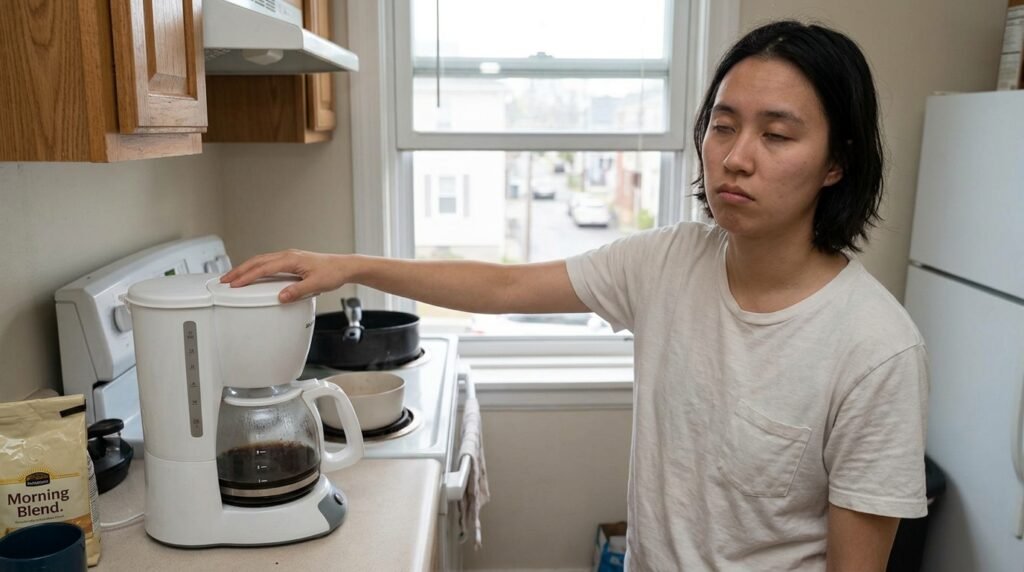
I threw away my cheap drip machine and bought a manual glass V60 pour-over cone.
I bought a high-end burr grinder. I bought a digital kitchen scale that measured in tenths of a gram. I bought a stainless steel gooseneck kettle.
Every morning became a strict, mathematical performance. I obsessed over the exact micron size of my coffee grounds. I obsessed over achieving the perfect 1:16 coffee-to-water ratio. I stood over my kettle with a thermometer, ensuring the water was exactly 201 degrees Fahrenheit before I let a single drop touch the beans.
If my extraction finished in three minutes and ten seconds instead of exactly three minutes, I considered the entire cup a failure.
Overcoming this stressful perfectionism and finding a balanced routine was the core lesson of (How I Finally Learned to Brew Coffee the Right Way). I was so focused on the technical execution that I was almost forgetting to enjoy the drink itself.
Phase 4: The Origin Explorer
Eventually, the mathematical obsession began to fade. I mastered my pouring technique, my grinder was dialed in, and my extractions were consistently excellent.
With the technical hurdles out of the way, my relationship with coffee evolved once again. I stopped looking at my equipment and started looking at the geography of the beans.
I became fascinated by the concept of terroir—the idea that the soil, the climate, and the altitude of a specific farm completely dictate the flavor profile of the coffee cherry.
I stopped buying coffee based on the roast level and started buying coffee based on the passport.
I would buy a bag of washed coffee from the high altitudes of Colombia and marvel at the heavy, syrupy chocolate notes. The next week, I would buy a naturally processed coffee from the Yirgacheffe region of Ethiopia and be blown away by the explosive, floral aromas of jasmine and blueberry.
I learned about the different processing methods. I learned the difference between the Caturra and Bourbon plant varieties.
This deep dive into the agricultural reality of the bean is precisely (Why I Now Pay Attention to Coffee Origin and Type). My kitchen became a global tasting room. Coffee was no longer just a science experiment; it was a passport to countries I had never visited.
Phase 5: The Social Bridge
As my palate developed and my knowledge expanded, I noticed a beautiful side effect of my new obsession.
Coffee was naturally pushing me to connect with other human beings.
In my early utilitarian days, coffee was an isolated event. I drank it alone in my car or alone at my desk. But specialty coffee naturally demands an audience.
When I finally learned how to pull out those incredible fruit and floral notes, I wanted to share them. I started inviting friends over to my apartment specifically to make them a pour-over.
I would watch their faces light up in surprise when they took a sip of black coffee that actually tasted sweet. The process of grinding the beans, blooming the coffee, and waiting for the drawdown created a natural, unhurried space for deep conversation.
I also started spending more time in local, independent roasteries. I stopped using the drive-thru. I would sit at the bar, talk to the baristas about the new single-origin beans they had on rotation, and strike up conversations with the regulars sitting next to me.
Coffee evolved from a solitary drug into a profound social bridge. It became the ultimate excuse to pause the chaos of the digital world and simply exist in the same room with another person.
Phase 6: The Meditative Anchor
Today, my relationship with coffee has settled into its final, most mature phase.
I am no longer the careless teenager drinking sugary sludge to stay awake. I am no longer the stressed technician agonizing over a ten-second variance on my stopwatch. And while I still love exploring new origins, I am no longer constantly chasing the most exotic bean on the market.
My morning coffee routine has simply become my anchor.
My daily life is incredibly fast-paced. Between rendering files, answering emails, meeting deadlines, and staring at glowing screens, my brain is constantly jumping from one digital fire to the next.
The fifteen minutes I spend in my kitchen every morning is the only part of my day that is entirely analog, deliberate, and slow.
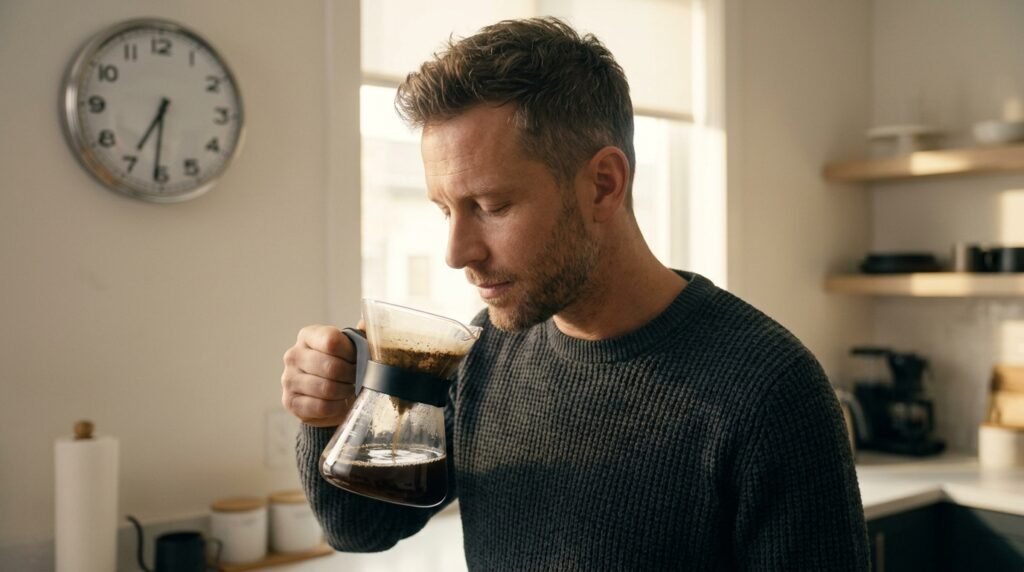
I do not look at my phone while my water heats up. I listen to the mechanical crunch of the burr grinder. I take a deep breath and smell the heavy, caramelized sugars in the dry grounds. I pour the water in slow, steady circles, watching the physical reaction of the bloom.
It is my mandatory meditation.
It reminds me that not everything in life can be expedited. Some things simply require gravity, heat, and time. If I try to rush the pour, the coffee will taste sour. I am forced to be patient. I am forced to be present.
The Evolution of the Cup
If you are currently treating your coffee the way I used to—slapping a heavy filter of sugar and cream over a cheap, badly roasted bean just to get through the workday—I completely understand.
Life is exhausting, and caffeine is a powerful tool.
But I challenge you to look deeper into your mug. There is a massive, beautiful world waiting for you if you are willing to strip away the presets and look at the raw file.
You do not have to become an obsessive technician overnight. Just start by buying a slightly better bag of beans from a local roaster. Try drinking it black just one time. Pay attention to the subtle flavors hiding underneath the roast.
Over time, you might find that your relationship with the beverage begins to shift. You might start looking forward to the quiet moments of the brewing process. You might start using it to connect with a friend.
Coffee has the unique ability to meet you exactly where you are in life. It can be a tool for survival, a subject for scientific mastery, or a gateway to global cultures. But if you give it the respect it deserves, it will eventually become the most peaceful, grounding ritual of your entire day.
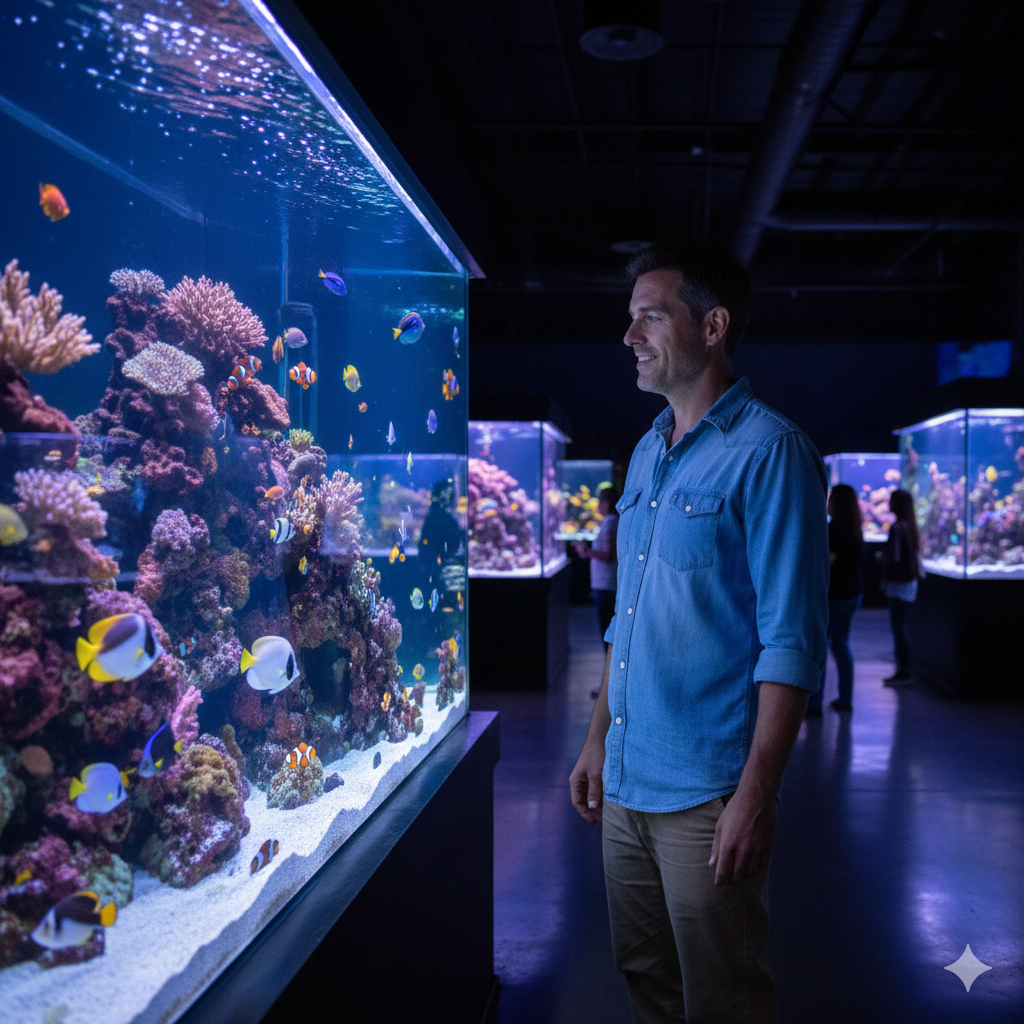
My name is Daniel Carter, I am 35 years old, and I live in the United States. I have been passionate about aquariums for many years, and what started as a simple hobby quickly became a lifelong interest in aquatic life, fish behavior, and responsible tank care.
Through TheBrightLance, I share real experiences, practical knowledge, and honest lessons learned from maintaining different types of aquariums. I enjoy testing equipment, studying fish behavior, improving maintenance routines, and helping beginners avoid common mistakes.
My goal is to make aquarism easier, more ethical, and more enjoyable for everyone — whether you are setting up your very first tank or looking to refine your techniques.