
If you ask a large room full of adults what their least favorite food is, a surprising number of them will quickly answer: tomatoes.
They will tell you that they absolutely despise tomatoes. They actively pick them out of their salads. They ask the waiter to remove them from their sandwiches. They describe them as pale, mealy, watery, and completely devoid of any redeeming flavor.
But here is the fascinating truth: most of those people do not actually hate tomatoes.
What they hate is the industrial, mass-produced, chemically ripened slice of red water that is served in generic fast-food burgers and cheap grocery stores. They have only ever experienced the absolute worst version of the fruit.
But if you take that exact same person, put them on a farm in the middle of the summer, and hand them a heavy, sun-ripened, heirloom tomato that was just pulled off the vine, their entire worldview will shatter. When they take a bite of that warm, sweet, intensely complex, and perfectly acidic fruit, they realize they have been lied to their entire lives.
They didn’t hate the food. They just hated the counterfeit version of it.
For the first decade of my adult life, I thought I hated the taste of coffee.
I drank it every single day, but I treated it like a bitter, terrible medicine. I assumed it was inherently disgusting, so I drowned it in heavy cream, artificial vanilla syrups, and massive spoonfuls of refined sugar just to make it tolerable. I was drinking the pale, watery, fast-food tomato of the coffee world.
When I finally tasted a real, properly brewed cup of specialty coffee, I felt a massive wave of culinary regret. I had wasted years of my life.
Here is the honest, highly confessional story of what I wish I knew when I started drinking coffee, the massive industry lies I had to unlearn, and the simple truths that would have saved me thousands of dollars and hundreds of terrible mornings.
I Wish I Knew Coffee Was a Fruit
The most fundamental misunderstanding I had about coffee was completely biological.
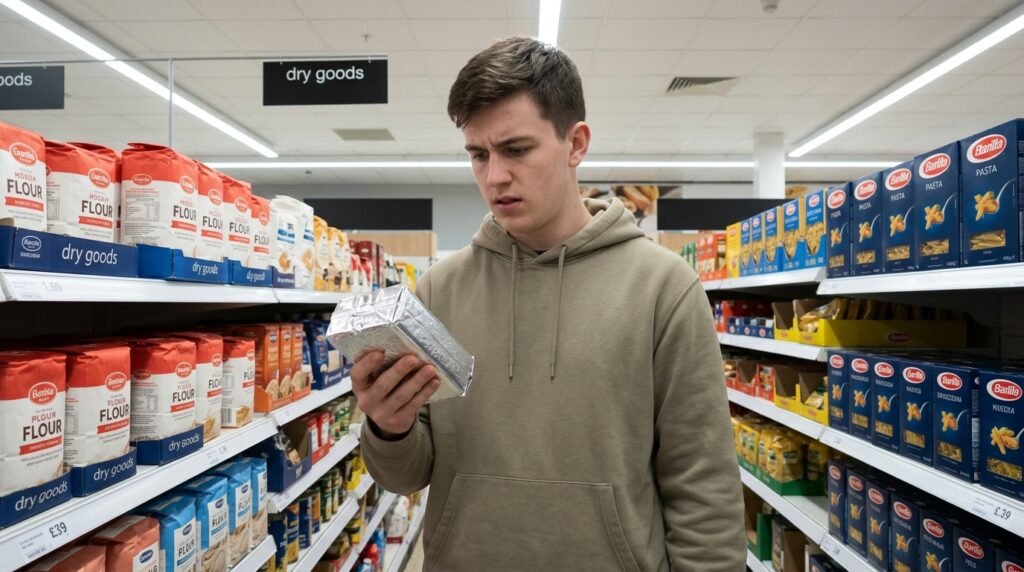
Because I bought my coffee in the dry goods aisle of the supermarket, packed in vacuum-sealed foil bricks alongside dried pasta and baking flour, I assumed it was just a dry, lifeless bean. I thought it was essentially a brown rock that dissolved in hot water.
I wish someone had grabbed me by the shoulders and explained that coffee is actually the pit of a sweet, vibrant, cherry-like fruit.
Because it is the seed of a fruit, it is supposed to taste fruity! It is supposed to have bright, refreshing acidity, natural sweetness, and complex floral notes.
When you do not know this, you do not expect it. When my coffee tasted like heavy ash, burnt rubber, and bitter wood, I just assumed that was how coffee was supposed to taste. I didn’t realize that the commercial industry was burning the beans to a crisp to hide the fact that they were using cheap, rotting, defective fruit.
Uncovering the brutal truth about how these seeds are sourced and processed was exactly (What Nobody Told Me About Coffee Beans). If I had known I was drinking a burned fruit seed, I would have immediately started searching for roasters who actually respected the crop.
I Wish I Knew the Dark Roast Lie
My ignorance about the coffee cherry led directly to my second massive mistake. I fell completely for the “Dark Roast” deception.
When I first started drinking coffee, I was working long, exhausting hours. I was constantly sleep-deprived. I thought I needed the absolute strongest, most highly caffeinated beverage legally available to survive my shifts.
So, I went to the store and looked for the most aggressive labels I could find. I bought bags that said “Midnight French Roast,” “Volcanic Blend,” and “Intense Espresso.” The beans were pitch black and covered in a thick layer of greasy oil.
I thought the bitter, harsh, punch-in-the-mouth flavor meant the coffee was incredibly strong.
I wish I had known that the exact opposite was true.
The roasting process is essentially a controlled fire. The longer a coffee bean sits inside a 400-degree roasting drum, the more its cellular structure is physically destroyed. The intense heat burns away the delicate sugars. It burns away the natural fruit oils.
And, incredibly, it burns away the caffeine.
A dense, light-roast Ethiopian or Colombian bean actually contains slightly more caffeine than a pitch-black, burnt dark roast. I was drinking terrible, ashy coffee for absolutely no reason. I wasn’t getting more energy; I was just torturing my own palate. I wish I had switched to light and medium roasts years earlier.
I Wish I Knew the Expiration Date Was a Scam
When you are young and broke, you try to optimize your grocery budget.
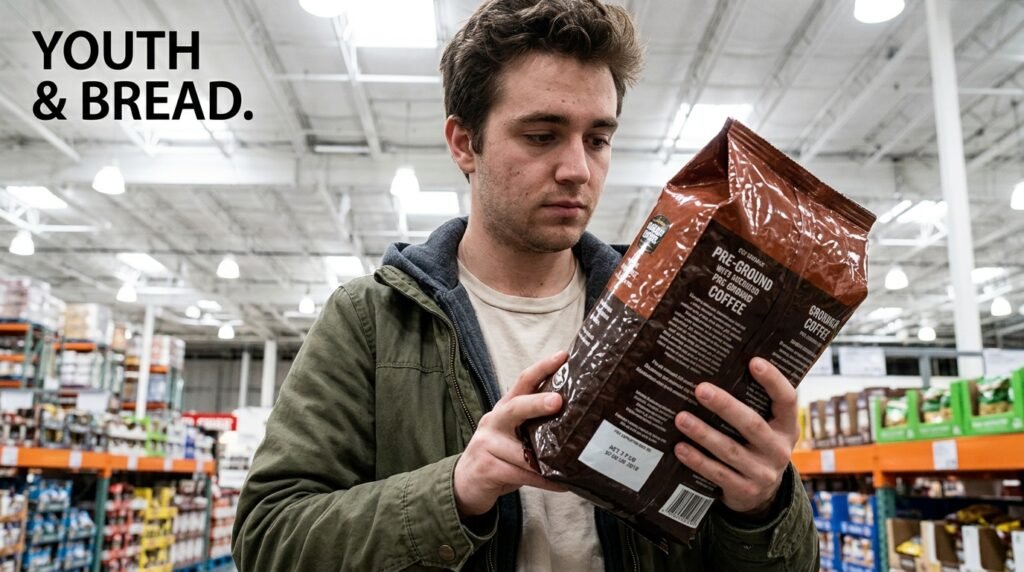
I used to go to massive warehouse clubs and buy three-pound bags of pre-ground coffee. I would look at the bottom of the bag, see an expiration date that was twelve months in the future, and feel incredibly proud of my practical purchase.
I wish I had known that the expiration date on a bag of coffee is an absolute corporate lie.
Coffee does not “expire” like milk. It will not curdle and send you to the hospital. But coffee does stale.
The beautiful aromatic oils that make coffee taste good are incredibly volatile. The exact moment the coffee leaves the roasting machine, those oils begin to oxidize and evaporate into the air. Within four weeks, the vast majority of the flavor is permanently gone.
If you buy a bag of coffee that only has a “Best By” date, the roaster is deliberately hiding the fact that the coffee was likely roasted six months ago.
Realizing that I was drinking dead, stale coffee every single morning was the exact catalyst for (Why I Stopped Buying Cheap Coffee and Never Looked Back).
If I had known this when I started, I would have never looked at the expiration date again. I would have strictly demanded to see a “Roasted On” date, and I would have never bought more coffee than I could consume in a two-week window.
I Wish I Knew How Fast Pre-Ground Coffee Dies
The staling process of coffee is brutal, but I made it exponentially worse by buying my coffee pre-ground.
I thought I was being efficient. I didn’t want to buy a grinder, and I certainly didn’t want to crank a manual machine at six in the morning. I let the factory grind the coffee into a fine powder for me.
I wish I had known the physics of surface area.
When you leave a coffee bean whole, its dense outer shell acts as a protective vault, keeping the volatile oils relatively safe inside. But the exact second you crush that bean into hundreds of tiny particles, you expose all of those oils to the oxygen in the air simultaneously.
While a whole bean might take a few weeks to go noticeably stale, a ground coffee bean will lose its peak flavor in roughly fifteen minutes.
Buying a massive tub of pre-ground coffee and leaving it in my pantry for a month was a culinary tragedy. I was completely robbing myself of the actual flavor of the coffee. Buying a simple burr grinder is the single most important investment I ever made, and I wish I had done it on day one.
I Wish I Knew Boiling Water Was a Weapon
Even on the rare occasions when I managed to buy decent coffee, I still managed to ruin it during the brewing process.
I used a standard stovetop kettle. I would wait for it to scream with a rolling, aggressive boil, and then I would immediately dump that violently bubbling water straight over my coffee grounds. I thought hotter water meant a faster, better brew.
I didn’t realize I was physically burning my breakfast.
The delicate fruit and chocolate notes in coffee are highly sensitive to heat. When you hit them with 212-degree Fahrenheit (100-degree Celsius) water, you scorch them. You destroy the sweetness and violently extract the harsh, bitter tannins hidden deep within the cellulose of the bean.
Understanding the catastrophic damage caused by boiling water was the biggest revelation among (The Simple Brewing Mistakes I Used to Make Every Day).
I wish I had known that coffee requires patience. If I had just taken my kettle off the stove and waited for sixty short seconds to let the water cool down to 200 degrees, I would have completely eliminated the harsh, burnt bite that plagued my mornings for a decade.
I Wish I Knew It Was Supposed to Be Fun
Perhaps the biggest thing I wish I knew when I started drinking coffee was that the process was not supposed to be a stressful, frantic chore.
I treated making coffee the same way I treated brushing my teeth or taking out the trash. It was just a biological maintenance task that had to be completed as fast as possible so I could start working.
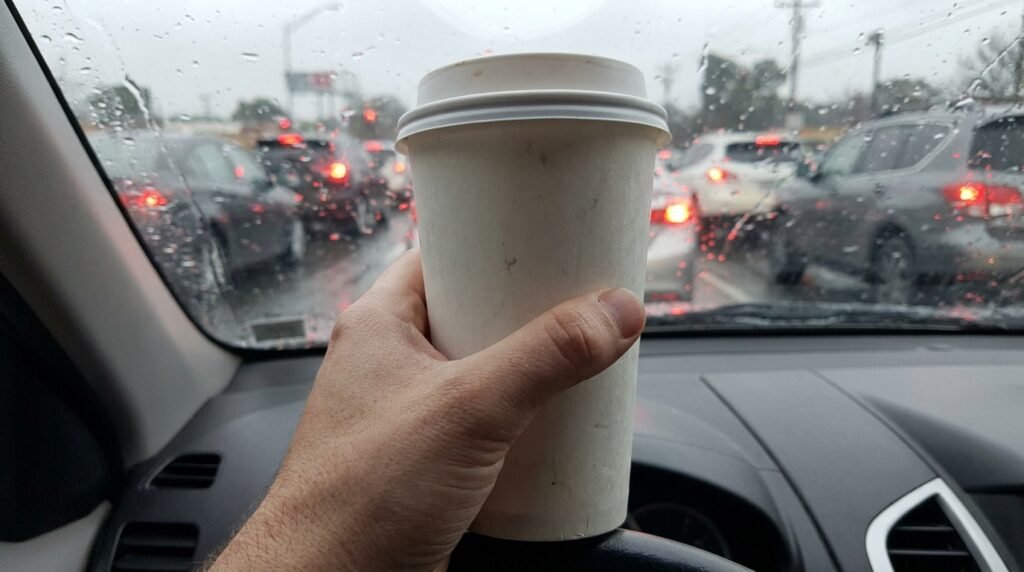
I rushed the pour. I guessed the measurements. I drank it out of a plastic travel mug while sitting in gridlocked traffic, barely even tasting the liquid sliding down my throat.
I wish I had known that brewing coffee is one of the greatest, most accessible analog rituals available in the modern digital world.
When I finally slowed down—when I bought a digital scale, a manual grinder, and a beautiful ceramic mug—my entire life improved. I stopped looking at my smartphone the second I woke up. I stood in my quiet kitchen. I listened to the mechanical crunch of the beans. I watched the coffee bed expand and bloom.
I realized that the fifteen minutes I spent meticulously crafting my pour-over was not a delay to my day. It was the best part of my day.
The Ultimate Culinary Regret
It is a strange feeling to look back at years of your life and realize how much joy you completely missed out on simply because you didn’t know any better.
I drank thousands of cups of bitter, stale, burnt, and dead coffee. I poured gallons of milk and pounds of sugar into my mugs just to survive the experience. I assumed that was just the reality of the beverage.
If you are currently standing where I used to stand—if you hate the taste of black coffee and rely on massive amounts of cream and syrup just to get your caffeine fix—I need you to hear me.
You do not hate coffee. You just hate the mass-produced, industrial tomato.
Do not wait a decade to discover the truth. Go to a local, independent specialty roaster tomorrow. Buy a bag of light-roast, freshly roasted, whole-bean coffee. Buy a cheap digital scale and a manual grinder. Let your water cool down before you pour.
When you finally taste the vibrant, sweet, unadulterated reality of the coffee cherry, you will feel the exact same culinary regret that I did. But more importantly, you will never have to drink a terrible cup of coffee ever again.

My name is Daniel Carter, I am 35 years old, and I live in the United States. I have been passionate about aquariums for many years, and what started as a simple hobby quickly became a lifelong interest in aquatic life, fish behavior, and responsible tank care.
Through TheBrightLance, I share real experiences, practical knowledge, and honest lessons learned from maintaining different types of aquariums. I enjoy testing equipment, studying fish behavior, improving maintenance routines, and helping beginners avoid common mistakes.
My goal is to make aquarism easier, more ethical, and more enjoyable for everyone — whether you are setting up your very first tank or looking to refine your techniques.