
If you had asked me a decade ago to describe the taste of coffee, I would have looked at you like you were asking a trick question.
To me, coffee tasted like… well, coffee.
I thought of it as a singular, universal flavor. Just like water tastes like water, and salt tastes like salt, I genuinely believed that all coffee fundamentally tasted the exact same. Sure, I knew that some brands were a little stronger, and some were a little more bitter, but I thought those were just minor variations of the exact same brown liquid.
When I saw people in cafés swirling their mugs, sniffing the steam, and talking about “notes of blueberry and dark chocolate,” I silently judged them. I thought they were being pretentious. I assumed they were just making things up to sound sophisticated.
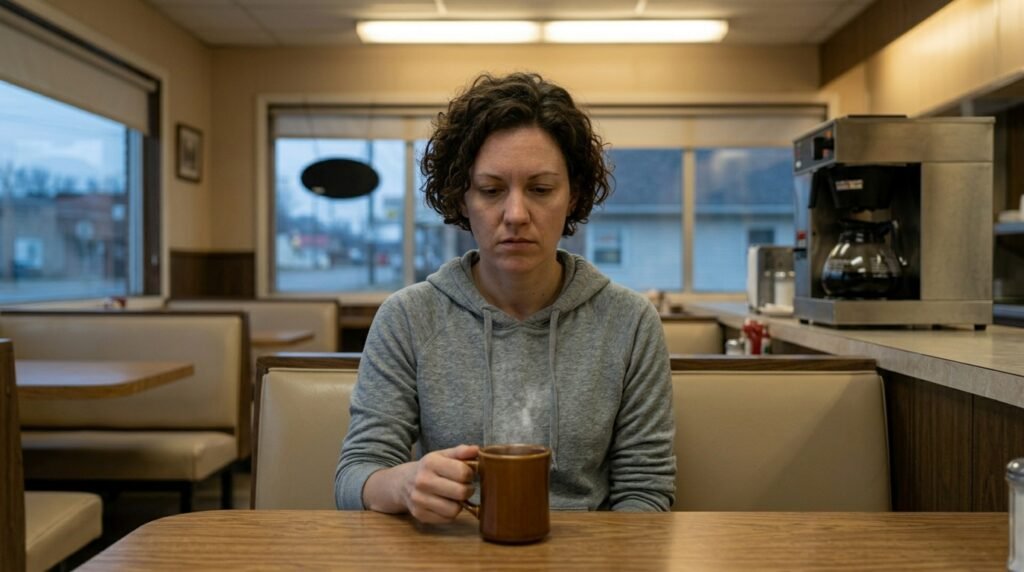
I was so confident in my ignorance. I would go to the supermarket, buy the largest, cheapest plastic tub of dark roast I could find, and drink it every single morning. I drowned it in milk and sugar to hide the harshness, never once questioning what was actually inside my cup.
But then, I had an experience that completely shattered my worldview.
I was forced to confront the fact that I had been drinking a mass-produced lie for most of my adult life. Here is the honest, eye-opening story of how I learned that not all coffee is the same, and the exact moment my palate woke up to reality.
The Stubborn Ignorance
Before I tell you about the breakthrough, you have to understand how stubborn I was.
I was the kind of person who actively defended cheap coffee. I would argue with my friends who spent extra money at specialty cafés. I would tell them that caffeine is caffeine, and spending twenty dollars on a bag of beans was a waste of money.
I viewed coffee entirely as a utility. It was a tool to fix my morning grogginess. You don’t buy a premium, artisan hammer to hit a standard nail; you just buy a hammer. That was my logic.
I didn’t realize that my logic was entirely based on a lack of education.
Nobody had ever sat me down and explained what coffee actually is. Nobody told me it was an agricultural product. I thought of it as a factory-made powder, like instant soup or baking soda.
Because I viewed it as a factory product, I expected absolute consistency. And the giant commercial coffee brands delivered exactly that: consistent, burnt mediocrity.
The Kitchen Intervention
The turning point happened in the kitchen of a good friend of mine.
He was a massive coffee enthusiast. He had all the gear: the expensive burr grinder, the gooseneck kettle, the digital scale, and a shelf full of small, beautifully designed bags of whole beans.
I used to tease him about his setup. One Saturday morning, while I was visiting, he finally had enough of my stubbornness.
“Sit down,” he said, pointing to a stool at his kitchen island. “I’m going to prove to you, right now, that you have no idea what you are talking about. I’m going to make you two different cups of black coffee. And if you tell me they taste the same, I will never bother you about this again.”
I accepted the challenge. I was completely confident that I was going to drink two cups of bitter, hot water and tell him he was wasting his money.
Cup Number One: The Comforting Baseline
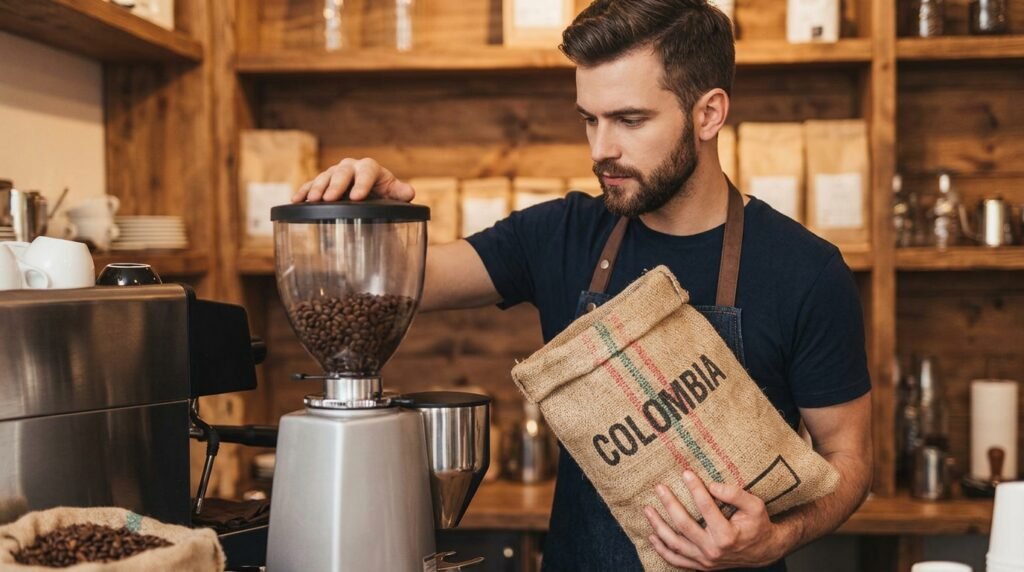
He started by grinding beans from a bag labeled “Colombia.”
He carefully brewed it using a glass Chemex. I watched him pour the water in slow circles. When he was done, he handed me a clear glass mug filled with a dark, rich-looking liquid.
“Take a sip,” he said. “Don’t add anything to it.”
I braced myself for the harsh, ashy bitterness I was used to from my supermarket coffee. But when I took a sip, I was pleasantly surprised.
It wasn’t harsh at all. It was heavy, smooth, and very rich. It actually tasted sweet, but a specific kind of sweet. It reminded me of milk chocolate and roasted almonds. It coated my tongue in a comforting, familiar way.
“Okay,” I admitted. “That is definitely better than what I make at home. It’s really smooth. But it still tastes like coffee. It tastes exactly like what I expect coffee to taste like, just a cleaner version of it.”
He smiled. “Exactly. That is a washed Colombian coffee. It has classic, traditional flavor notes. Now, clear your palate with some water, because I am about to ruin your life.”
Cup Number Two: The Mind-Blowing Shift
He opened a completely different bag. This one was a light roast. The beans weren’t dark and oily; they were a soft, matte brown.
He ground them up, and instantly, the kitchen smelled entirely different. The chocolatey, nutty aroma of the first cup was replaced by a sweet, vibrant, floral perfume.
He brewed this second cup using a V60 pour-over cone. He handed me the mug. The liquid inside wasn’t dark brown. It was almost a translucent ruby red. It looked like a heavy tea.
“Take a sip of that,” he challenged.
I brought the mug to my lips. The aroma of fresh flowers and fruit hit my nose before the liquid even touched my tongue.
I took a sip, and my brain completely short-circuited.
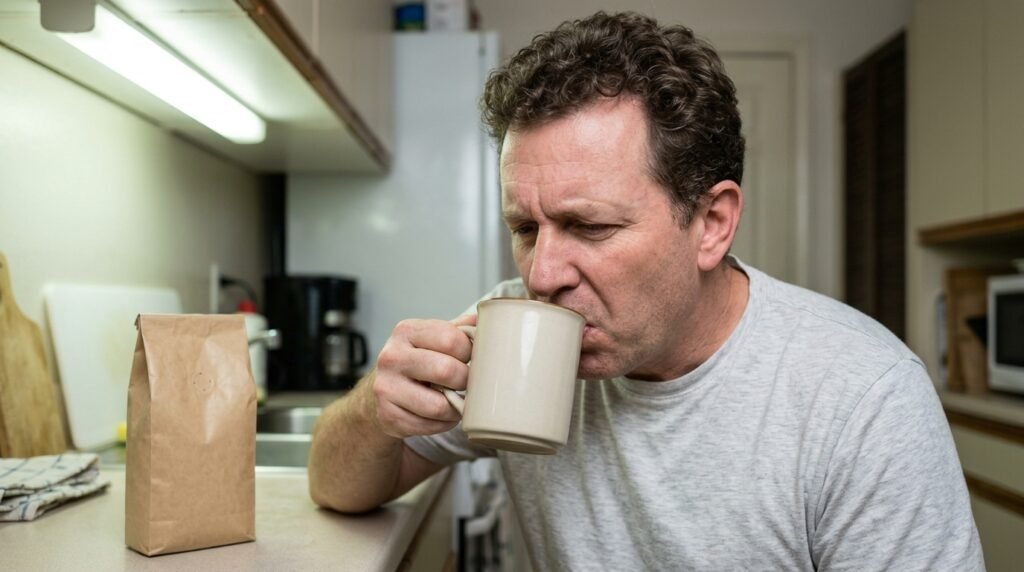
I literally pulled the mug away from my face and stared at it. It didn’t taste like coffee. At least, it didn’t taste like anything I had ever defined as “coffee” in my thirty years of life.
It was explosive. It was bright, juicy, and incredibly sweet. It tasted vividly like a ripe peach mixed with jasmine tea. There was absolutely no bitterness. It danced on the sides of my tongue and finished with a clean, refreshing acidity.
I looked at my friend. “Did you put flavor syrup in this?” I asked, completely serious.
He laughed out loud. “No. That is just the natural flavor of the bean. It is a washed Heirloom variety from the Guji region of Ethiopia.”
I was absolutely stunned. Recalling that exact sensation is basically (The First Time I Tried Ethiopian Coffee (And Loved It)), because that single cup completely destroyed my stubborn belief that all coffee was fundamentally the same.
I had two cups of coffee sitting in front of me. One tasted like a warm chocolate brownie. The other tasted like a refreshing peach iced tea. They were the same beverage, but they were worlds apart.
The Agricultural Reality
I sat in his kitchen for another hour, peppering him with questions. I needed to know how this was physically possible.
How could two things, both called “coffee,” taste so drastically different without any artificial flavors added?
That morning, my friend gave me the education I had been missing my entire life. He explained that coffee is not a generic brown powder. It is the seed of a fruit. It is an agricultural product, and just like wine, it is heavily influenced by the environment in which it grows.
He explained the concept of terroir.
The Colombian coffee I drank first was grown in soil and a climate that naturally produces deep, sugary, chocolatey notes. The Ethiopian coffee I drank second was grown at an extreme altitude in an ancient, wild forest, which produces the delicate, floral, and fruity notes.
The realization of how geography dictates flavor completely changed my perspective, and diving deeper into this science answers exactly (What Makes Coffee Taste Different Around the World?). The dirt, the rain, the sun, and the altitude are the true authors of the flavor in the cup.
The Role of Processing
But geography wasn’t the only factor. He explained that how the farmers handle the fruit after it is picked also changes everything.
If farmers want a clean, crisp cup, they wash the fruit off the seed immediately. This highlights the natural genetics of the plant.
But if they want a wild, syrupy, fruit-bomb of a coffee, they leave the fruit on the seed and let it dry in the sun like a raisin. The sugars from the rotting fruit seep into the seed, drastically altering the final taste.
I realized that the farmers are artisans. They make deliberate choices that shape the final product. Assuming all coffee is the same is incredibly disrespectful to the immense amount of labor and science happening at the farm level.
The Illusion of the Dark Roast
My final question for him was the most obvious one: If coffee can naturally taste like peaches, jasmine, and milk chocolate, why did the coffee I drank at home taste like burnt rubber and ash?
His answer made me feel completely foolish for ever defending cheap coffee.
“Because,” he said, “commercial coffee companies burn it on purpose.”
He explained that massive supermarket brands buy the cheapest, lowest-quality beans they can find. These batches are full of defects, unripe seeds, and moldy beans. If they roasted them lightly, the coffee would taste like sour garbage.
To hide those terrible flavors, they roast the beans incredibly dark. They essentially burn them to a crisp. When you burn something, you destroy its original flavor and replace it with the flavor of carbon.
That is why I thought all coffee tasted the same. Because for my entire life, I wasn’t actually tasting coffee. I was tasting the roast. I was tasting charcoal.
When you roast a high-quality specialty bean gently, you preserve the natural fruit characteristics. When you burn a cheap bean, you destroy them. It was a harsh truth to swallow, but it finally made the puzzle pieces fit together.
A New Era of Appreciation
When I left my friend’s house that afternoon, I felt like I had just woken up from a very long sleep.
My entire relationship with food and drink had been challenged. If I had been this wrong about coffee, what else was I missing out on?
I went home, walked straight into my kitchen, and threw away my massive plastic tub of pre-ground dark roast. I couldn’t look at it the same way anymore. It wasn’t coffee to me anymore; it was just an industrial lie.
I immediately bought a small hand grinder, a pour-over cone, and my very first bag of Ethiopian whole beans.
The transition wasn’t just about spending more money on a beverage. It was about adopting a completely new mindset. I stopped looking for the cheapest option and started looking for transparency.
Understanding the agricultural reality behind the beans is the main reason (Why I No Longer Buy Coffee Without Checking the Details). If a bag doesn’t tell me the country, the region, the processing method, and the exact roast date, I assume they are hiding something. I demand to know the story of the seed before I brew it.
The Beauty of Diversity
Today, my morning coffee routine is the absolute highlight of my day.
I no longer wake up and drink a generic brown liquid. Instead, I choose an experience.
If it’s raining outside and I want comfort, I reach for a bag from Central America for those rich chocolate and caramel notes. If it’s a bright, sunny Saturday and I want something vibrant, I reach for a naturally processed African bean for those wild blueberry and citrus flavors.
I love that every bag is different. I love that every origin has a distinct voice.
I learned that not all coffee is the same, and that is exactly what makes it so beautiful. It is a diverse, complex, and fragile agricultural miracle.
If you are still stuck in the mindset I used to have—if you still think coffee is just a bitter utility to get you through the workday—I challenge you to do exactly what my friend did to me.
Find a local specialty roaster. Order a light-roast, single-origin African coffee. Drink it completely black.
Let it cool down slightly, take a sip, and pay attention.
I promise you, the moment you taste those bright, natural fruit notes, the illusion will shatter for you too. You will finally realize that coffee is not just one thing. It is a thousand different things, and exploring them is the greatest journey your palate will ever take.

My name is Daniel Carter, I am 35 years old, and I live in the United States. I have been passionate about aquariums for many years, and what started as a simple hobby quickly became a lifelong interest in aquatic life, fish behavior, and responsible tank care.
Through TheBrightLance, I share real experiences, practical knowledge, and honest lessons learned from maintaining different types of aquariums. I enjoy testing equipment, studying fish behavior, improving maintenance routines, and helping beginners avoid common mistakes.
My goal is to make aquarism easier, more ethical, and more enjoyable for everyone — whether you are setting up your very first tank or looking to refine your techniques.