
If you were preparing to make the largest financial investment of your life and buy a house, you would never sign the contract just because the front door was painted a beautiful shade of blue.
You would demand to see the architectural blueprints. You would hire a professional inspector to crawl under the floorboards and check the structural integrity of the foundation. You would test the water pressure in the plumbing, check the electrical wiring, and research the historical property values of the specific neighborhood.
If the real estate agent refused to give you this information and simply patted the wall, smiled, and said, “Don’t worry, this is a Premium Gourmet House,” you would immediately walk away. You would assume they were hiding a massive, expensive disaster.
Yet, when it comes to buying coffee, millions of us operate exactly like that gullible homebuyer.
For the first half of my adult life, I bought my coffee based entirely on the color of the front door. I looked at the shiny, beautifully designed foil bags in the supermarket. I read the bold, meaningless marketing words like “Master Roaster,” “Bold Blend,” and “Premium Quality.” I threw the bag in my cart and handed over my money without asking a single question about the foundation.
And every single morning, the roof caved in on my morning routine. The coffee tasted bitter, stale, and lifeless.
Eventually, I got tired of buying broken houses. I decided to become my own inspector. I completely overhauled my consumer habits and built a strict, non-negotiable checklist for the coffee I allow into my kitchen.
Here is the honest, highly detailed story of what I look for before buying coffee now, the specific architectural blueprints I demand to see on every single label, and how this strategy of defensive buying will permanently elevate the quality of your morning mug.
The Foundation: The Exact Timestamp
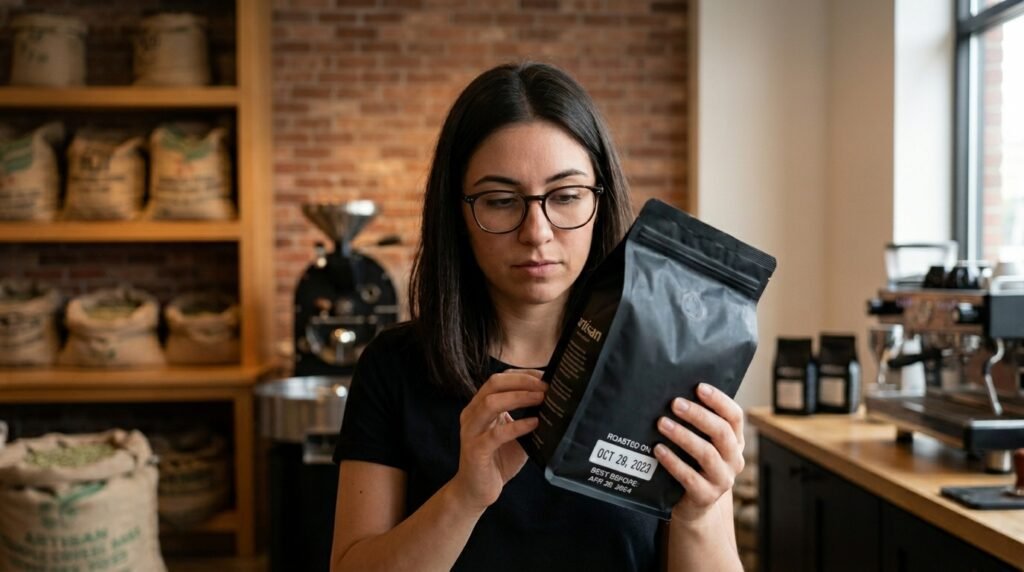
The absolute first thing I look for when I pick up a bag of coffee is the foundation of the entire product: the timestamp.
I do not look at the front of the bag. I immediately flip it over and scan the bottom for a date. But I am not looking for an expiration date. An expiration date on a bag of coffee is the ultimate real estate scam. It is a date chosen by a corporate marketing department to keep the product on the shelf as long as possible.
I am looking for a specific, freshly printed “Roasted On” date.
Roasted coffee is an incredibly volatile, fragile agricultural product. The intense heat of the roasting drum creates delicate aromatic oils, but the exact second the beans leave that drum, those oils begin to aggressively oxidize. They evaporate into the air.
If a bag of coffee does not tell me exactly when it was roasted, it means the company is deliberately hiding the age of the product. By the time you buy an anonymously dated bag off a supermarket shelf, the coffee inside could be six or eight months old. It is a dead, stale, wooden product.
This strict requirement for temporal transparency is the core reason (Why I Check Coffee Dates Before Buying).
Now, I only buy coffee that was roasted within the last fourteen to twenty-one days. If the bag doesn’t have a roast date, or if the date is older than four weeks, I put it right back on the shelf. The foundation is cracked, and I refuse to buy the house.
The Neighborhood: Extreme Geographical Transparency
Once I have verified that the coffee is actually fresh, I look at the neighborhood. I want to know exactly where this product came from.
In my early days of drinking coffee, I thought a bag labeled “100% Colombian Coffee” was a mark of high prestige. I didn’t realize that Colombia is a massive, incredibly diverse country with dozens of vastly different micro-climates, soil types, and weather patterns.
Labeling a bag “Colombia” is like labeling a wine “United States.” It is far too broad to guarantee any sort of quality.
Today, I demand extreme geographical transparency. I do not just want the country. I want the specific region. I want to see “Tarrazú, Costa Rica” or “Yirgacheffe, Ethiopia.”
Even more importantly, I look for the specific altitude of the farm.
High-quality specialty coffee, particularly Arabica, thrives at extreme elevations. When coffee is grown at 1,500 or 2,000 meters above sea level, the freezing mountain nights slow down the maturation process of the coffee cherry. The plant has to work harder to survive, which pushes dense, complex sugars into the seed.
Discovering how these extreme elevations concentrate the sugars inside the cherry is exactly (What Makes Coffee From High Altitudes So Special?).
If a roaster is printing the exact altitude (e.g., 1,850 MASL) on the bag, it tells me that they deeply respect the agricultural reality of the bean. They are not hiding behind generic country names. They are showing me the exact street address of the farm.
The Architecture: The Processing Method
The third critical detail I look for on the label is the architectural structure of the flavor: the processing method.
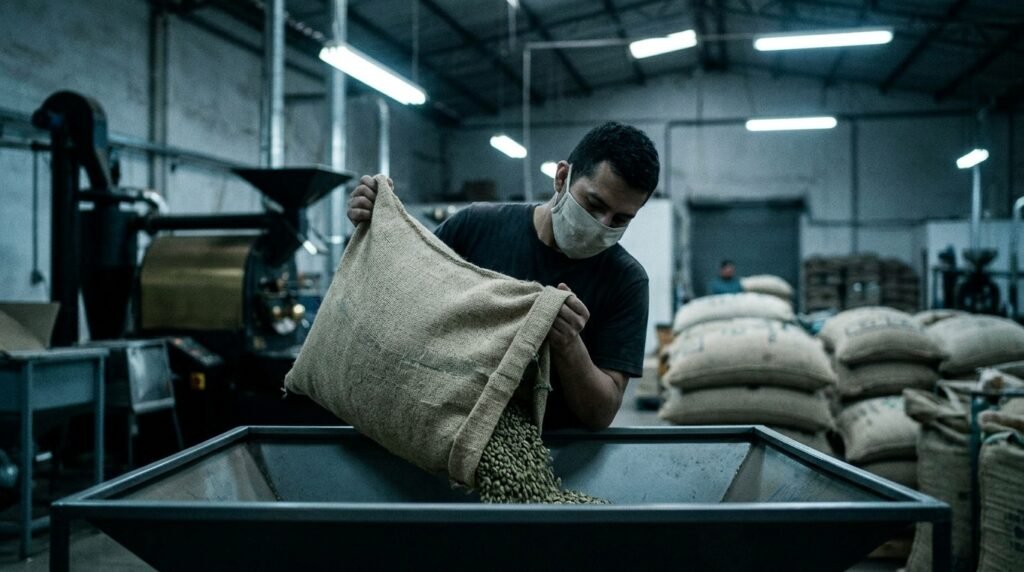
Before coffee is roasted, the farmer has to remove the seed (the bean) from the sweet, cherry-like fruit that surrounds it. How the farmer chooses to remove that fruit completely dictates the final flavor profile in your mug.
If the label says “Washed Process,” I know the farmer used water to strip the fruit off the seed immediately after harvesting. I know that the coffee is going to be incredibly clean, bright, and crisp, with a tea-like body and floral notes.
If the label says “Natural Process,” I know the farmer left the fruit completely intact and dried the cherries in the hot sun for weeks. The seed absorbed the fermenting sugars of the fruit. I know that the coffee is going to be heavy, explosive, and taste intensely like wild berries or dark chocolate.
For years, I bought coffee without knowing what a processing method was. I was completely guessing. Sometimes my coffee was bright and sour; sometimes it was heavy and sweet. I had no idea why.
Now, I use the processing method to dictate my mornings. If I want a clean, refreshing cup of coffee, I buy a Washed Ethiopian. If I want a rich, jammy, dessert-like cup, I look for a Natural Brazilian. If a bag of coffee does not list the processing method, it is an automatic disqualification.
The Interior Design: Specific Tasting Notes
Once the foundation, the neighborhood, and the architecture are verified, I finally look at the interior design of the coffee. I look at the tasting notes.
Commercial coffee companies use generic, heavy-handed adjectives on their bags. They use words like “Rich,” “Bold,” “Smooth,” and “Intense.” These words describe a physical sensation, but they do not actually describe a flavor. They are empty marketing terms.
When I look at a high-end bag of specialty coffee, I expect to see highly specific, almost weird culinary notes.
I want to see labels that say “Meyer Lemon, Earl Grey Tea, and Jasmine.” I want to see “Dark Chocolate, Ripe Plum, and Hazelnut.”
These flavors are not artificial syrups injected into the beans. They are the natural, inherent chemical compounds found in that specific agricultural crop, carefully unlocked by the roaster applying the exact perfect temperature curve in the roasting drum.
When a roaster prints highly specific tasting notes on the bag, it proves that they have actually “cupped” (professionally tasted) the coffee. They have analyzed it. They stand behind the specific culinary experience they are selling.
The Builder’s Reputation: Ethical Transparency
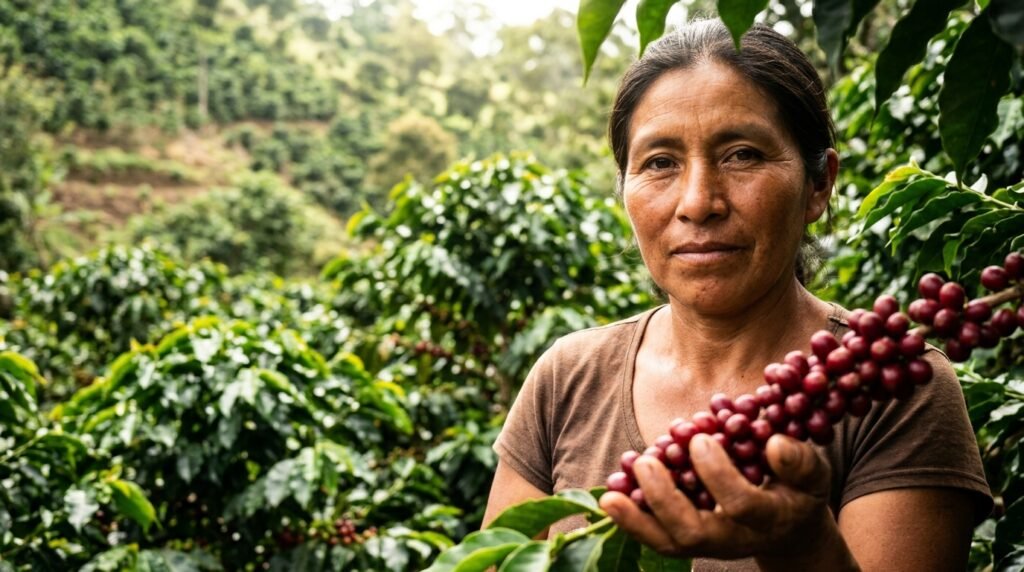
The final, and perhaps most profoundly human, thing I look for before I buy a bag of coffee is the name of the farmer.
The coffee industry has a dark, deeply exploitative history. For centuries, massive corporations have relied on anonymous, underpaid labor in developing nations to harvest cheap commodity coffee. The farmers take all the agricultural risk, perform all the grueling physical labor, and receive pennies on the dollar, while the corporate roasters make billions.
I refuse to participate in that anonymous supply chain anymore.
When I pick up a bag of coffee today, I look for the name of the specific farmer, the family, or the local cooperative that grew the crop.
High-quality specialty roasters are incredibly proud of their sourcing. They travel to the farms. They pay far above the standard “Fair Trade” minimums to ensure the farmers can actually sustain their livelihoods and reinvest in their land. They print the farmer’s name right on the front of the bag as a badge of honor.
Adopting this zero-tolerance policy for vague marketing and anonymous sourcing is the primary reason (Why I No Longer Buy Coffee Without Checking the Details).
If a bag of coffee is completely anonymous, it means the roaster bought the cheapest commodity beans they could find on the global market and blended them all together. I do not want mystery beans in my kitchen. I want a traceable, ethical, human product.
Escaping the Supermarket Illusion
When you compile this entire checklist—a fresh roast date, a specific altitude, a named processing method, precise tasting notes, and a traceable farmer—you quickly realize a harsh reality.
You will almost never find a bag of coffee that meets these criteria in a massive commercial supermarket.
Supermarkets operate on massive, slow supply chains. They rely on long shelf lives and anonymous, bulk commodities.
This is exactly why my buying habits completely migrated. I no longer walk down the coffee aisle at the grocery store. I buy my coffee exclusively from local, independent specialty roasters in my city, or I order it directly from their websites.
When you buy directly from a passionate, transparent roaster, you are not fighting an uphill battle against deceptive marketing. You are simply choosing which masterpiece you want to drink that week.
Become the Inspector
We spend so much time and money trying to perfect our morning routines. We buy expensive burr grinders, beautiful gooseneck kettles, and precision digital scales.
But none of that hardware matters if you are pouring hot water over a dead, anonymous, low-grade ingredient.
I challenge you to become the inspector of your own kitchen. Do not buy the house just because the front door is painted a nice color.
The next time you need to buy coffee, pick up the bag and demand the blueprints. Look for the “Roasted On” date. Look for the altitude. Look for the processing method. If the bag refuses to give you the data, put it down and walk away.
When you finally stop buying coffee blindly and start demanding extreme transparency, you will completely eliminate bad coffee from your life. You will stop drinking a bitter, burnt chore, and you will unlock a world of vibrant, sweet, and incredibly complex flavors that you truly deserve.

My name is Daniel Carter, I am 35 years old, and I live in the United States. I have been passionate about aquariums for many years, and what started as a simple hobby quickly became a lifelong interest in aquatic life, fish behavior, and responsible tank care.
Through TheBrightLance, I share real experiences, practical knowledge, and honest lessons learned from maintaining different types of aquariums. I enjoy testing equipment, studying fish behavior, improving maintenance routines, and helping beginners avoid common mistakes.
My goal is to make aquarism easier, more ethical, and more enjoyable for everyone — whether you are setting up your very first tank or looking to refine your techniques.