
I was sitting at a dinner table with some friends a few months ago, casually chewing on a small piece of 70% dark chocolate that someone had brought for dessert.
Normally, I would have just let it melt, thought “that’s pleasantly bitter,” and swallowed it without a second thought. But this time, I physically paused.
I closed my eyes for a second. I noticed that the initial bitterness quickly gave way to a bright, fruity tartness. I could taste a distinct hint of dried cherries, followed by a warm, earthy finish that reminded me slightly of leather and pipe tobacco.
I opened my eyes, looked at the chocolate wrapper, and realized something profound. I wasn’t just eating anymore. I was actively analyzing.
Five years ago, I would never have been able to pick out those specific notes. My palate was completely blunt. I used to consume food and drinks purely for utility, rushing through meals and chugging beverages just to get to the next part of my day.
The catalyst for this entire sensory upgrade wasn’t a cooking class, and it wasn’t a wine-tasting seminar. It was my morning routine.
Upgrading my daily brew didn’t just fix my mornings; it fundamentally rewired my brain. Here is the honest, unexpected story of what drinking better coffee taught me about flavor, and how it completely changed the way I experience the world.
The Era of Numbness
To understand the magnitude of this shift, you have to understand how numb my palate used to be.
For the majority of my adult life, my diet was built around speed and intensity. I liked foods that were aggressively salty, excessively sweet, or incredibly spicy. If a flavor wasn’t punching me in the face, I didn’t think it had any flavor at all.
My coffee habit perfectly reflected this numbness.
Every morning, I drank the darkest, cheapest commercial coffee I could find. It tasted like liquid ash and burnt wood. Because the flavor was so harsh and aggressive, I had to fight it with heavy cream and multiple packets of processed sugar.
I was creating a beverage that was simultaneously extremely bitter and cloyingly sweet. There was no middle ground. There was no subtlety.
I was treating my tastebuds like a sledgehammer, completely destroying any ability to pick up on delicate nuances. I didn’t realize that flavor wasn’t just about volume; it was about frequency. I was listening to heavy metal at maximum volume every single day, completely deaf to the sound of an acoustic guitar playing in the corner.

The Training Ground in a Mug
The awakening happened when I finally bought a proper burr grinder and a bag of lightly roasted, specialty coffee beans.
Specifically, it was a washed Heirloom variety from the Guji region of Ethiopia. The barista who sold it to me promised it would taste like peaches and jasmine flowers.
When I brewed it and took my first black sip, I was confused. It didn’t taste like the heavy, bitter sludge I was used to. But honestly? It didn’t immediately taste like a fresh peach either.
My brain didn’t have the vocabulary or the sensory pathways to understand what was happening in my mouth.
But I kept drinking it. Morning after morning, I carefully weighed my beans, poured my water, and sat in silence, trying to find the peach.
And then, about a week into the bag, it clicked.
As the coffee cooled down in my mug, I took a slow sip, and suddenly, the floral aroma separated itself from the sweetness. I could clearly identify the bright, juicy snap of stone fruit. It wasn’t artificial peach flavoring; it was the natural, delicate essence of the fruit, hidden inside the roasted seed.
That specific morning was the turning point. Realizing that (How My Taste Changed After Drinking Better Coffee) wasn’t just a metaphor—it was a literal biological shift in how my tongue and my brain communicated. My palate was waking up from a decade-long coma.
Redefining the Word “Acidity”
The first major culinary lesson coffee taught me was the true meaning of acidity.
Before specialty coffee, I thought “acidic” was a bad word. If someone described a food or a drink as acidic, I immediately pictured sour milk, heartburn, or the harsh, metallic bite of cheap diner coffee sitting on a hot plate for three hours.
I actively avoided anything described as acidic.
But high-quality, lightly roasted coffee forced me to confront a different kind of acidity. The coffee industry refers to it as “brightness” or “vibrancy.”
Think about the difference between a dull, mealy, week-old apple and a freshly picked, crisp green apple. That sharp, mouth-watering snap that makes the flavor pop? That is good acidity.
When I started drinking coffees from high-altitude African regions, I fell in love with this vibrant acidity. I learned that acidity is the spine of flavor. Without it, a beverage tastes flat, muddy, and boring.
This completely changed how I cook. I started noticing when a soup or a sauce tasted “flat.” Instead of adding more salt, I learned to add a squeeze of fresh lemon juice or a dash of apple cider vinegar. I learned that acidity lifts heavy flavors and makes them dance on the palate. Coffee taught me the chemistry of balance.

Developing a Sensory Vocabulary
As my coffee journey continued, I started buying beans from all over the world.
I would brew a cup, sit at my table, and look at the “Flavor Wheel”—a massive, colorful chart used by coffee professionals to categorize tastes.
I learned to ask myself specific questions while the liquid was in my mouth. Is this sweet? Yes. What kind of sweet? Is it white sugar sweet, or brown sugar sweet? It’s deeper. Is it honey? No, it’s darker than honey. It’s maple syrup. This daily practice of isolating and naming flavors was a masterclass in sensory education. I began to realize that (What I Learned From Drinking Coffee From Different Regions) was actually building a massive, mental library of tastes in my head.
I was training my brain to actively search for nuance.
This didn’t just stay in my coffee mug. It bled into everything I consumed. When I drank a glass of red wine, I was no longer just drinking “wine.” I was searching for the blackberry, the oak, and the pepper. When I ate a piece of aged cheese, I was looking for the nutty, crystalline crunch.
Coffee forced me to slow down and actually listen to what my food was telling me.
Chasing the Bizarre and the Beautiful
Once my palate was trained, I stopped looking for “safe” flavors and started chasing the weird ones.
I realized that the natural world is capable of producing incredibly bizarre and beautiful combinations without any artificial interference.
I remember buying a bag of naturally processed coffee from the Sidamo region of Ethiopia. When I brewed it, it didn’t taste like coffee, and it didn’t even taste like peaches. It tasted exactly like a massive slice of warm blueberry pie. The blueberry note was so intense and syrupy that it felt like an illusion.
Another time, I tried a specific Kenyan coffee that had a savory, bright acidity that tasted remarkably like sun-ripened tomatoes and black currant.
Encountering these wild profiles taught me not to be afraid of unusual flavors. In fact, finding (The Most Unique Coffee Flavor I’ve Ever Tried) became a thrilling treasure hunt.
It made me a more adventurous eater. I stopped ordering the exact same safe meal at every restaurant. I started trying strange fruits, complex curries, and bitter greens, knowing that if my palate could learn to love the wild funk of a naturally processed coffee bean, it could learn to appreciate any complex culinary tradition in the world.
The Eradication of “Too Sweet”
Perhaps the most surprising thing coffee taught my palate was a severe intolerance for artificial, cloying sweetness.
When you drink high-quality, lightly roasted coffee black, you are experiencing natural, delicate agricultural sweetness. It is the subtle sweetness of caramelized plant sugars.
After months of enjoying that delicate balance, I tried to drink a commercial, flavored vanilla latte from a drive-thru chain.
I couldn’t get past the second sip.
It felt like I was drinking liquid candy. The processed sugar was so aggressive and loud that it completely coated my tongue, entirely muting any actual coffee flavor that might have been hiding underneath.
My tolerance for heavily processed junk food plummeted. The candy bars I used to love suddenly tasted like pure chemicals. The sugary sodas I used to drink felt like syrup.
By training my tongue to find the quiet, hidden sweetness in a black cup of coffee, I had accidentally ruined cheap, mass-produced sugar for myself. And honestly, it is the healthiest accident that has ever happened to me.

The Mindfulness of Savoring
Ultimately, the greatest lesson drinking better coffee taught me wasn’t about identifying a specific note of bergamot or toasted hazelnut.
It was a lesson in mindfulness.
When you buy a bag of mass-produced, pre-ground coffee, the goal is efficiency. You brew it fast, you drink it fast, and you get on with your day. It is a thoughtless transaction.
But when you buy a bag of specialty beans that were meticulously hand-picked on a mountain in Africa, shipped across the ocean, and carefully roasted by a local artisan… you can’t just chug it.
You have to respect the process.
You weigh the beans. You grind them fresh. You watch the hot water bloom the grounds. You let the mug cool down so the heat doesn’t burn your tongue. You take a sip, and you sit in silence for just a few seconds to appreciate the complexity.
Coffee taught me how to savor.
It taught me that flavor is an experience, not just a biological requirement for survival. Taking ten minutes every morning to sit quietly and analyze the beautiful, fleeting taste of a Guji pour-over trained my brain to be present in the moment.
Now, whether I am drinking a cup of coffee, eating a home-cooked meal, or just sharing a piece of dark chocolate with friends after dinner, I don’t rush. I close my eyes. I pay attention.
I look for the cherry, the leather, the peach, and the jasmine.
If you are currently treating your meals and your morning coffee as a race to the finish line, I highly encourage you to upgrade your beans. Buy a light roast. Drink it black. Close your eyes and try to find the hidden flavors.
It might just be a cup of coffee, but it has the power to completely change how you taste the rest of your life.
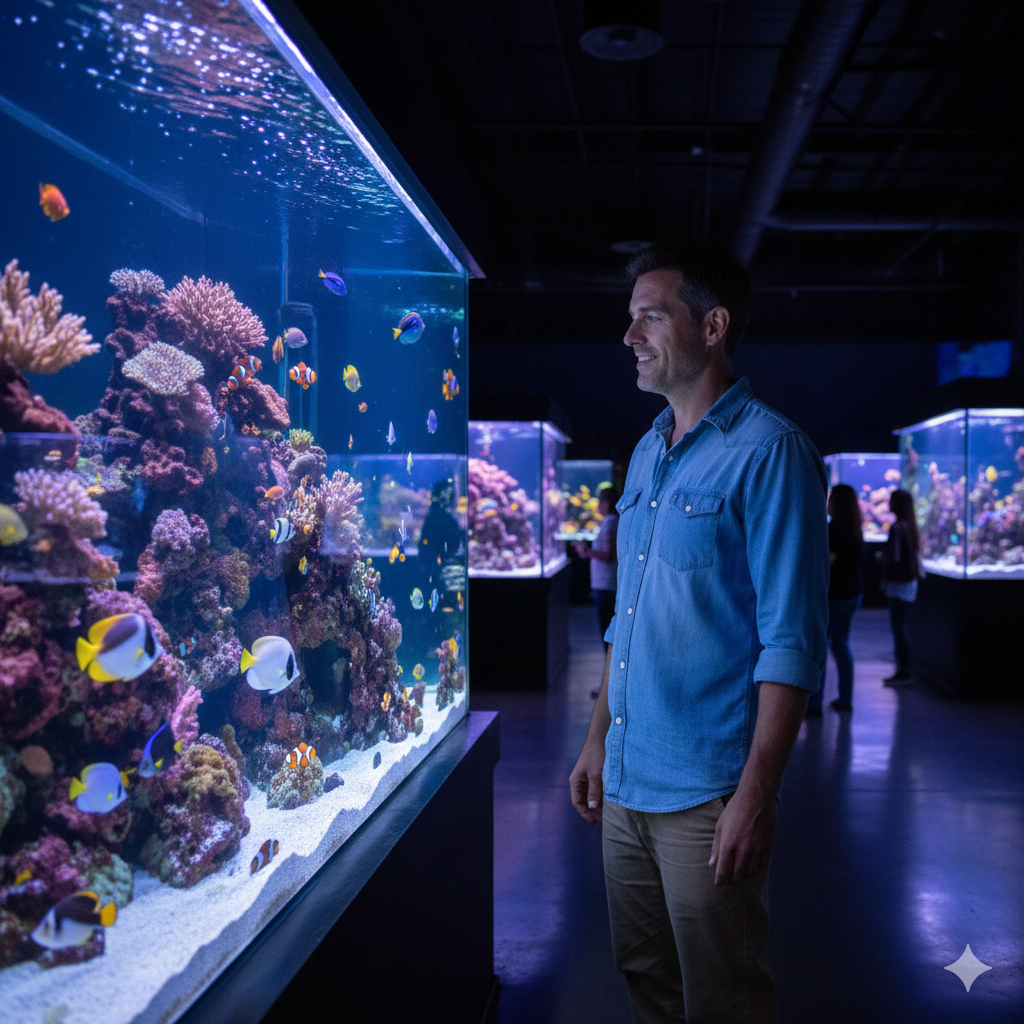
My name is Daniel Carter, I am 35 years old, and I live in the United States. I have been passionate about aquariums for many years, and what started as a simple hobby quickly became a lifelong interest in aquatic life, fish behavior, and responsible tank care.
Through TheBrightLance, I share real experiences, practical knowledge, and honest lessons learned from maintaining different types of aquariums. I enjoy testing equipment, studying fish behavior, improving maintenance routines, and helping beginners avoid common mistakes.
My goal is to make aquarism easier, more ethical, and more enjoyable for everyone — whether you are setting up your very first tank or looking to refine your techniques.