
Through the ages, I was the ultimate skeptic when it came to premium coffee.
Whenever I heard someone talking about spending twenty dollars on a single bag of coffee beans, or paying seven dollars for a black pour-over at a local café, I would internally roll my eyes. I thought it was the ultimate scam.
I viewed coffee the same way I viewed gasoline for my car. It was just a dark, bitter fuel required to get my engine running in the morning. Why would I buy premium fuel when the regular, cheap stuff did the exact same job?
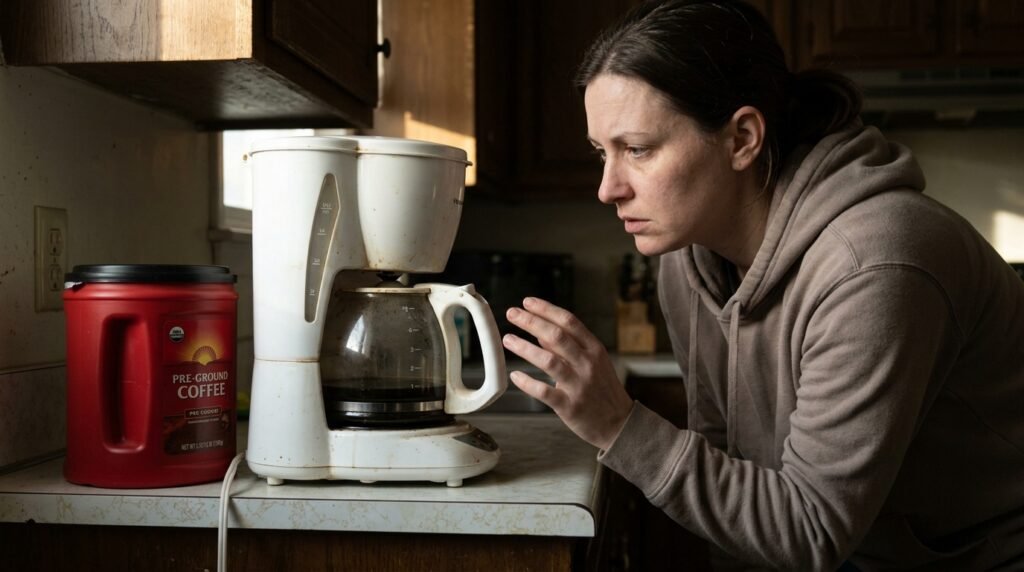
My daily routine was built on aggressive frugality. I bought the largest, cheapest tubs of pre-ground dark roast I could find at the supermarket. I scooped it into a plastic drip machine that I had bought for fifteen dollars at a discount store. I pressed a button, waited for the machine to sputter and hiss, and then drowned the resulting black sludge in heavy milk and sugar.
It tasted like burnt toast and sweet milk. I thought this was just what coffee tasted like.
I genuinely believed that people who claimed to taste “blueberries” or “jasmine” in their coffee were just victims of clever marketing. I thought they were pretending to like a bitter drink just to sound sophisticated.
But then, curiosity finally got the better of me.
I decided to run an experiment. I wanted to see, once and for all, if this entire industry was a hoax, or if I was actually missing out on something profound. I walked into a highly-rated specialty coffee roastery, handed over my hard-earned money, and tried premium coffee for the very first time.
What happened next completely shattered my worldview, ruined my cheap habits forever, and sent me down a rabbit hole I am still exploring today. Here is the honest truth about my first premium cup.
The Intimidating Environment
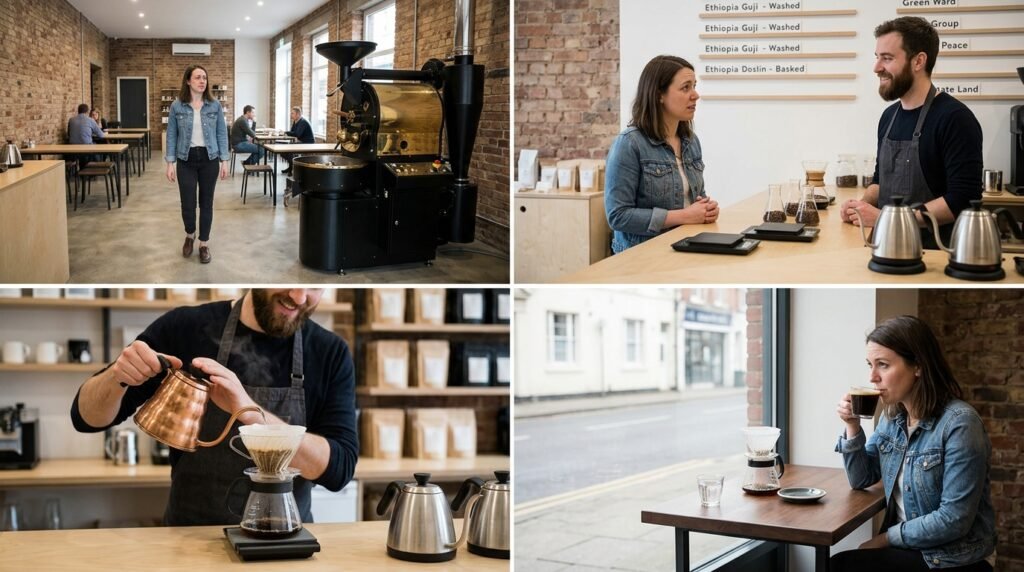
The experiment started on a quiet Saturday morning. I chose a local roastery that had a massive, gleaming roasting machine sitting right in the middle of the café floor.
When I walked in, I immediately felt out of place.
There were no massive vats of flavored syrups. There were no blenders making sugary, frozen drinks. There were just a few baristas standing behind a clean, minimalist wooden counter, meticulously weighing beans on small digital scales.
The smell of the place was intoxicating. It didn’t smell like the stale, ashy diner coffee I was used to. It smelled like toasted almonds, caramelized sugar, and a faint, surprising hint of fresh fruit.
I walked up to the counter and looked at the menu. It was terrifyingly simple. It listed different countries, farm names, and processing methods.
The barista greeted me and asked what I usually like to drink. I decided to be completely honest.
“I usually drink cheap, dark-roast supermarket coffee with a lot of sugar,” I admitted. “But I want to know what all the fuss is about. I want to try your best premium coffee, exactly the way you recommend drinking it.”
He smiled. It was a knowing smile. He didn’t judge me. Instead, he seemed excited.
“I have exactly what you need,” he said. “I am going to make you a manual pour-over. It’s a washed Heirloom variety from the Guji region of Ethiopia. And I want you to promise me you’ll try it black before you even think about adding milk or sugar.”
I agreed. Then he told me the price. It was seven dollars for a single cup.
I winced internally. I paid the money, sat down at a small table by the window, and prepared myself to be severely disappointed.
The Brewing Ritual
Because the café was relatively quiet, I watched the barista make my drink.
It wasn’t a fast process. He didn’t just pull a lever and hand me a paper cup.
First, he weighed the whole beans on a digital scale. Then, he put them into a commercial burr grinder. The moment the grinder turned on, a massive wave of floral aroma hit the air.
He placed a glass carafe and a ceramic V60 cone on a scale. He rinsed the paper filter with hot water to remove any papery taste. He added the fresh grounds and then used a gooseneck kettle to slowly, methodically pour hot water over the coffee in tiny, concentric circles.
He waited for the coffee to “bloom”—a process where the fresh grounds release trapped carbon dioxide, bubbling and expanding like a tiny science experiment.
The entire process took about four minutes. It was mesmerizing. It felt more like a culinary performance than a fast-food transaction.
When he finally brought the small glass carafe and a ceramic mug to my table, the liquid inside didn’t look like coffee. It wasn’t pitch black. It was a deep, translucent ruby red, almost like a heavy tea.
“Let it cool for about two minutes before you take your first sip,” he advised. “The heat masks the delicate flavors.”
The Sip That Changed Everything
I sat there, watching the steam rise from the mug, feeling incredibly skeptical.
I brought the mug to my nose and inhaled. My brain completely short-circuited.
It didn’t smell like roasted wood. It smelled vividly like a bouquet of jasmine flowers mixed with ripe peaches. It was so sweet and fragrant that I actually looked around to see if someone was slicing fruit nearby.
I braced myself for the bitter shock that usually accompanied a sip of black coffee. I took a small, careful sip.
The liquid coated my palate, and I physically froze.
There was no bitterness. There was absolutely zero harshness. It didn’t burn the back of my throat. It didn’t leave a dry, ashy residue on my tongue.
Instead, it was incredibly smooth. It was light and delicate. And most shockingly of all, it was undeniably, naturally sweet.
As I swallowed, the flavors exploded in my mouth. I could clearly taste the juicy, vibrant acidity of a peach. I could taste a floral, honey-like sweetness. It finished clean, leaving a lingering taste of black tea and citrus.
I put the mug down and stared at it. I was completely mind-blown.
How was this coffee? How was this the same biological category of beverage that I had been drinking my entire adult life?
It felt like I had spent my entire life eating cheap, stale, processed cheese from a plastic wrapper, and someone had suddenly handed me a slice of imported, aged, artisanal cheddar. They share the same name, but they are entirely different experiences.
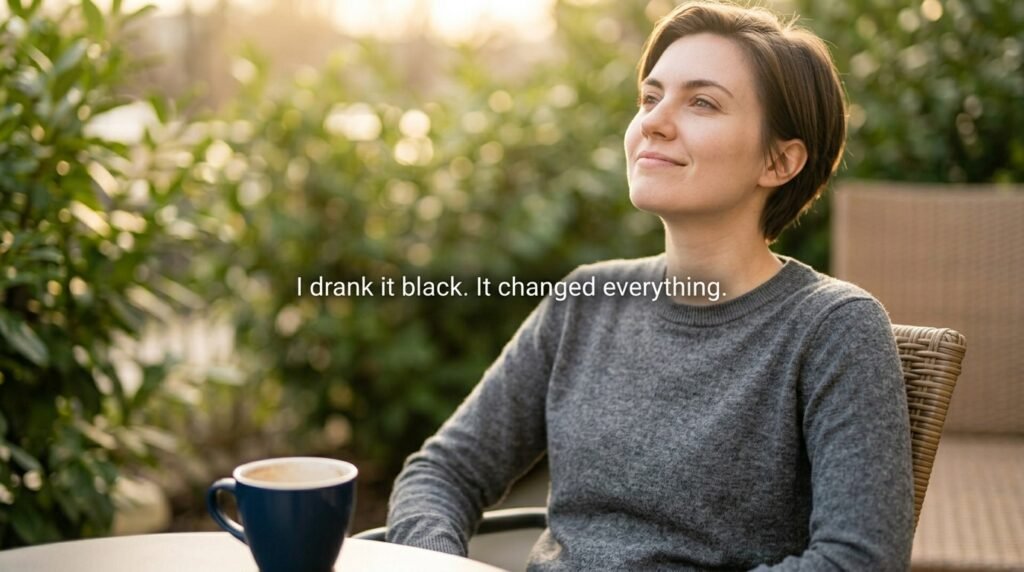
I drank the entire cup without a single drop of milk. Adding sugar to that beautiful Ethiopian Guji would have been an absolute crime.
Looking back at those years of drinking burnt sludge, there is so much (What I Wish I Knew When I Started Drinking Coffee), but the most important lesson I learned that day is that the price tag often reflects a stunning agricultural reality.
Uncovering the “Why”
Before I left the café, I went back to the counter. The barista saw the look of absolute shock on my face and laughed.
“Told you,” he said.
I asked him how it was physically possible for a coffee bean to taste like peaches and flowers without any added flavoring.
He gave me a brief education that justified every single penny of that seven-dollar cup.
He explained that coffee is not a dry bean; it is the seed of a sweet, cherry-like fruit. When coffee is grown at extreme altitudes in places like the mountains of Ethiopia, the cool air causes the fruit to mature very slowly. This slow maturation allows massive amounts of complex sugars and organic acids to develop inside the seed.
He explained that the farmers in Guji meticulously hand-pick only the perfectly ripe, red cherries, leaving the unripe ones on the tree. The cherries are carefully washed, fermented, and dried on raised beds in the sun.
Then, a master roaster takes those flawless green seeds and applies just enough heat to caramelize the sugars without burning away the natural floral and fruity notes.
I finally understood exactly (Why My Coffee Never Tasted Right (Until Now)), because I had been buying an industrial commodity that was machine-harvested, full of defects, and burnt to a crisp in a massive factory.
Premium coffee wasn’t a scam. It was the result of incredible human effort, ethical farming practices, and deep scientific understanding.
The Aftermath at Home
When I walked back into my house later that afternoon, I looked at my kitchen counter.
I looked at my fifteen-dollar plastic drip machine. I looked at the massive plastic tub of pre-ground dark roast.
I felt a genuine sense of betrayal. I had been depriving myself of an incredible culinary experience just to save a few dollars a month.
I tried to brew a cup of my old coffee the next morning, just to see if I was overreacting. I scooped the dust into the filter, brewed it, and took a sip black.
I actually gagged.
Once your palate has experienced the clarity, sweetness, and complexity of a premium specialty bean, you can never go back. The cheap coffee tasted metallic, sour, and overwhelmingly like burnt rubber. It was completely undrinkable.
I poured the entire pot down the sink, and I threw the plastic tub into the trash.
The Transformation of a Habit
That single cup of Ethiopian Guji completely transformed my life.
It turned a mindless, rushed morning habit into a passionate hobby. I immediately started researching equipment. I realized that to recreate this at home, I had to unlearn all of (The Simple Brewing Mistakes I Used to Make Every Day), starting with throwing away my cheap setup and investing in a proper manual burr grinder and a pour-over cone.
I started buying whole beans directly from local roasters. I learned how to read the labels. I started looking for the altitude, the processing method, and the specific farm name.
I bought a digital scale and started weighing my water and my beans.
Yes, my coffee budget increased. Buying premium beans costs more than buying bulk commodity dust.
But my relationship with the beverage changed. I stopped drinking three massive, milky mugs of bad coffee a day. Instead, I started waking up fifteen minutes earlier to meticulously craft one single, perfect cup.
I savor it. I take the time to smell the dry grounds. I watch the bloom. I sit by the window and try to identify the subtle flavor notes as the coffee cools.
Was the Premium Price Worth It?
If you are standing in a specialty coffee shop right now, staring at the menu, and wondering if you are being ripped off, I completely understand your hesitation. I was exactly where you are.
It is hard to justify spending twenty dollars on a bag of beans when you are used to spending six dollars.
But I am telling you, from the bottom of my heart, that the premium price is absolutely worth it.
You are not just paying for a fancy logo. You are paying for ethical sourcing. You are paying a premium that allows farmers to make a living wage. You are paying for the immense physical labor of hand-picking flawless cherries on a steep mountainside.
But most importantly, you are paying for an experience.
You are paying for the sudden realization that coffee is a vibrant, sweet, complex agricultural miracle. You are paying for a ten-minute moment of peace and sensory joy in your morning routine.
My first premium coffee ruined cheap coffee for me forever, and I couldn’t be happier about it.
If you have never tried a freshly roasted, light-roast specialty coffee brewed by a professional, I urge you to take the leap. Order it black. Let it cool. Take a sip.
I promise you, you will finally understand what all the fuss is about. And your mornings will never be the same again.
My name is Daniel Carter, I am 35 years old, and I live in the United States. I have been passionate about aquariums for many years, and what started as a simple hobby quickly became a lifelong interest in aquatic life, fish behavior, and responsible tank care.
Through TheBrightLance, I share real experiences, practical knowledge, and honest lessons learned from maintaining different types of aquariums. I enjoy testing equipment, studying fish behavior, improving maintenance routines, and helping beginners avoid common mistakes.
My goal is to make aquarism easier, more ethical, and more enjoyable for everyone — whether you are setting up your very first tank or looking to refine your techniques.