
The Silent World of Aquariums: My Unexpected Journey
I’ll never forget the day I decided to set up my first aquarium. I was 25, living in a small apartment in Orlando, and feeling like something was missing. I craved a connection to nature, a slice of tranquility in my otherwise hectic life. The idea of an aquarium, a miniature underwater world teeming with life, seemed like the perfect solution. What I didn’t know then was that this seemingly simple hobby would become a decade-long obsession, filled with unexpected challenges, profound learning experiences, and a deep appreciation for the delicate balance of nature.
Like many beginners, I dove in headfirst, armed with enthusiasm but woefully short on knowledge. I envisioned a vibrant ecosystem, a kaleidoscope of colors and activity. The reality, as I soon discovered, was far more complex and often frustrating. But through trial and error, countless hours of research, and the invaluable advice of fellow aquarists, I gradually transformed myself from a clueless novice into a seasoned hobbyist. And now, I want to share some of the hard-earned lessons I learned along the way – the things no one told me before I started my aquarium.
The Myth of “Just Add Water”: Patience is Key
The biggest misconception I had, and one I see newcomers struggle with constantly, is the idea that setting up an aquarium is a quick and easy process. You buy the tank, add water, throw in some fish, and voilà, instant underwater paradise! The reality is that an aquarium is a living ecosystem, and like any ecosystem, it needs time to establish itself. This is where the nitrogen cycle comes in, a process that’s crucial for the health and well-being of your fish.
Essentially, the nitrogen cycle is the conversion of harmful ammonia (produced by fish waste) into less toxic nitrites, and then into even less toxic nitrates. This is accomplished by beneficial bacteria that colonize the filter and substrate of your aquarium. Without these bacteria, ammonia and nitrites would build up to lethal levels, quickly wiping out your fish. The key is that establishing this beneficial bacteria colony takes time – typically 4-6 weeks. This process is called “cycling” the tank.
Cycling Your Tank: The Right Way
There are several ways to cycle an aquarium, but the most common is the fishless cycling method. This involves introducing ammonia to the tank (either pure ammonia or fish food that decomposes into ammonia) and monitoring the levels of ammonia, nitrites, and nitrates using a test kit. As the beneficial bacteria multiply, they will gradually break down the ammonia and nitrites, eventually resulting in a tank with zero ammonia, zero nitrites, and some nitrates. At this point, the tank is cycled and ready for fish.
I made the mistake of adding fish too early in my first setup. I didn’t understand the nitrogen cycle and figured the water looked clear, so it must be safe. The result? A heartbreaking fish die-off. It was a harsh lesson, but one that taught me the importance of patience and understanding the fundamental biology of an aquarium. Today, I always recommend fishless cycling to beginners, and I emphasize the importance of regular water testing to monitor the progress of the cycle.
Another key aspect of patience is resisting the urge to overstock your tank. It’s tempting to fill your aquarium with as many colorful fish as possible, but overcrowding can lead to a host of problems, including poor water quality, increased stress on the fish, and the spread of disease. Research the adult size of the fish you want to keep and choose species that are compatible with your tank’s size and water parameters. Remember, a healthy, lightly stocked aquarium is far more rewarding than an overcrowded, stressed-out one.

The Hidden Costs: Beyond the Tank Itself
When I first started, I focused almost entirely on the initial cost of the tank, filter, heater, and decorations. I quickly learned that the upfront expenses were just the tip of the iceberg. Maintaining a healthy aquarium involves ongoing costs that can quickly add up. These include:
- Water conditioners: These are essential for removing chlorine and chloramine from tap water, which are toxic to fish.
- Filter media: Filter cartridges, sponges, and other media need to be replaced regularly to maintain optimal filtration.
- Fish food: Providing a balanced and nutritious diet is crucial for the health and vitality of your fish.
- Test kits: Regular water testing is essential for monitoring water parameters and identifying potential problems.
- Electricity: Running the filter, heater, and lights can significantly increase your electricity bill.
- Medications: Unfortunately, fish diseases are a fact of life in aquariums. Having a supply of medications on hand can help you treat illnesses quickly and effectively.
I was initially surprised by how much I was spending on these seemingly small items each month. To save money, I started buying filter media in bulk, making my own fish food, and carefully monitoring my electricity consumption. I also learned the importance of preventative maintenance, such as regular water changes and gravel vacuuming, which can help reduce the need for medications and other costly treatments.
Beyond the tangible costs, there’s also the cost of time. An aquarium requires regular maintenance, including water changes, filter cleaning, and algae removal. This can take up several hours each week, depending on the size and complexity of your tank. Before you start an aquarium, it’s important to honestly assess how much time you’re willing to dedicate to its upkeep. If you’re not prepared to commit the necessary time and effort, your aquarium will quickly become a source of stress and frustration, rather than a relaxing and enjoyable hobby.
The Algae Battle: Winning the Green War
One of the most common challenges faced by aquarium beginners is the dreaded algae bloom. Algae are microscopic plants that thrive in nutrient-rich environments with plenty of light. In an aquarium, excess nutrients (from fish waste, uneaten food, and tap water) and excessive lighting can create the perfect conditions for algae to proliferate. Suddenly, your once-pristine tank is covered in green, brown, or even black slime, obscuring your view of the fish and plants.
I remember my first algae outbreak vividly. I had left the aquarium light on for too long, and the tank was receiving direct sunlight from a nearby window. Within a few days, the glass, decorations, and even the plants were coated in a thick layer of green algae. I was horrified and didn’t know what to do. I tried scrubbing the algae off with a brush, but it just kept coming back. I even considered tearing down the entire tank and starting over.
Strategies for Algae Control
Fortunately, I learned that algae blooms are a common problem and that there are several ways to control them. These include:
- Reducing lighting: Limit the amount of time the aquarium light is on to 8-10 hours per day. Avoid placing the tank in direct sunlight.
- Controlling nutrients: Perform regular water changes to remove excess nutrients. Avoid overfeeding your fish. Use a gravel vacuum to remove debris from the substrate.
- Introducing algae eaters: Certain fish and invertebrates, such as snails, shrimp, and algae-eating fish, can help control algae growth.
- Using chemical treatments: Algaecides can be effective at killing algae, but they should be used sparingly and with caution, as they can harm fish and plants.
I found that a combination of these methods was the most effective way to control algae in my aquarium. I reduced the lighting, started performing more frequent water changes, and added some algae-eating snails. Slowly but surely, the algae began to recede, and my tank returned to its former glory. Now, I consider algae control an ongoing process and take proactive steps to prevent outbreaks before they occur.
Remember that some algae is normal and even beneficial in an aquarium. It provides a food source for certain fish and invertebrates, and it can help to oxygenate the water. The key is to maintain a balance and prevent algae from becoming overgrown and unsightly.

The Importance of Research: Knowing Your Fish
One of the biggest mistakes I made early on was not doing enough research about the fish I was keeping. I was drawn to the vibrant colors and interesting shapes of certain species, without understanding their specific needs and behaviors. This led to several instances of incompatible fish fighting, fish getting sick, and fish simply not thriving in my aquarium.
For example, I once purchased a beautiful Betta fish (Siamese fighting fish) and placed it in my community tank, thinking it would be a peaceful addition. I quickly learned that Bettas are territorial and aggressive towards other fish, especially those with long, flowing fins. The Betta immediately started attacking the other fish in the tank, nipping at their fins and causing them significant stress. I had to quickly remove the Betta and set up a separate tank for him.
Understanding Fish Needs
Before you buy any fish, it’s crucial to research their specific needs, including:
- Tank size: Different fish require different amounts of space. Overcrowding can lead to stress, disease, and aggression.
- Water parameters: Fish have specific preferences for temperature, pH, and water hardness. Maintaining these parameters within the appropriate range is essential for their health.
- Diet: Different fish have different dietary requirements. Some are herbivores, some are carnivores, and some are omnivores. Providing a balanced and nutritious diet is crucial for their well-being.
- Temperament: Some fish are peaceful and docile, while others are aggressive and territorial. Choosing fish with compatible temperaments is essential for creating a harmonious community tank.
- Social behavior: Some fish are solitary, while others prefer to live in groups. Understanding their social behavior can help you create a more natural and stimulating environment for them.
I now spend a significant amount of time researching any fish I’m considering adding to my aquarium. I read books, articles, and online forums, and I talk to other aquarists to get their advice and insights. This has helped me avoid many common mistakes and create a more thriving and balanced aquarium ecosystem. Furthermore, understanding the natural habitats of your fish can help you mimic those conditions in your aquarium. For example, fish from fast-flowing rivers may appreciate stronger currents in the tank.
The Power of Observation: Tuning Into Your Tank
An aquarium is a dynamic and ever-changing ecosystem. Paying close attention to the behavior of your fish, the condition of your plants, and the overall appearance of the tank can provide valuable insights into its health and stability. One of the most important skills I’ve developed as an aquarist is the ability to observe subtle changes and identify potential problems before they become serious.
For example, if I notice that my fish are gasping for air at the surface of the water, it could be a sign of low oxygen levels. This could be caused by overcrowding, poor water circulation, or a build-up of organic waste. By identifying the problem early, I can take steps to address it, such as performing a water change, adding an air stone, or cleaning the filter.
What to Look For
Here are some things to look for when observing your aquarium:
- Fish behavior: Are your fish active and eating normally? Are they showing any signs of stress, such as hiding, clamped fins, or erratic swimming?
- Plant health: Are your plants growing well and displaying vibrant colors? Are they showing any signs of nutrient deficiencies, such as yellowing leaves or stunted growth?
- Water quality: Is the water clear and free of debris? Are there any unusual odors?
- Algae growth: Is there excessive algae growth on the glass, decorations, or plants?
- Equipment function: Is the filter running properly? Is the heater maintaining the correct temperature? Are the lights working?
I make it a habit to spend a few minutes each day simply observing my aquarium. I look for any signs of trouble and take note of any changes in the environment. This has helped me catch many potential problems early on and prevent them from escalating into serious issues. It’s also a great way to relax and appreciate the beauty and complexity of the underwater world I’ve created.

The Community Connection: Learning from Others
While I’ve learned a great deal through my own experiences, I’ve also benefited immensely from the knowledge and support of the aquarium community. There are countless online forums, social media groups, and local aquarium clubs where aquarists of all levels can connect, share information, and ask for advice. I’ve found these communities to be invaluable resources for learning new techniques, troubleshooting problems, and simply connecting with other people who share my passion for aquariums.
I remember when I was struggling to control a particularly stubborn outbreak of black beard algae. I tried everything I could think of, but nothing seemed to work. I finally posted a question on an online aquarium forum, describing my problem and asking for advice. Within a few hours, I had received dozens of responses from experienced aquarists, offering suggestions and sharing their own experiences. One person suggested using a specific type of liquid carbon, which I had never heard of before. I decided to try it, and to my surprise, it worked! The black beard algae began to die off within a few days, and my tank was soon back to normal. I was incredibly grateful for the help and support I received from the online community.
Finding Your Tribe
If you’re just starting out in the aquarium hobby, I highly recommend joining an online forum or local aquarium club. These communities can provide you with a wealth of information, support, and encouragement. You can ask questions, share your experiences, and learn from the mistakes of others. You can also find inspiration for new tank setups, learn about different types of fish and plants, and connect with other people who share your passion for aquariums.
Don’t be afraid to ask questions, even if you think they’re silly or basic. Everyone starts somewhere, and the aquarium community is generally very welcoming and supportive of beginners. And don’t be afraid to share your own experiences, even if you’ve made mistakes. Your experiences can help others avoid the same pitfalls and learn from your successes.
The aquarium hobby is a journey of continuous learning and discovery. By connecting with other aquarists, you can accelerate your learning, broaden your knowledge, and deepen your appreciation for the fascinating world of aquariums.

The Unforeseen Rewards: More Than Just a Hobby
Looking back on my decade-long journey as an aquarist, I realize that it’s been so much more than just a hobby. It’s been a source of relaxation, a creative outlet, and a constant learning experience. It’s taught me patience, observation, and the importance of balance. It’s also connected me to a vibrant community of like-minded individuals who share my passion for the underwater world.
The simple act of watching my fish swim gracefully through the water, the vibrant colors of the plants, and the gentle hum of the filter have a calming effect that helps me to de-stress and unwind after a long day. Creating and maintaining a thriving aquarium is also a creative process that allows me to express my artistic side. I enjoy designing the layout of the tank, choosing the plants and decorations, and creating a visually appealing and harmonious environment for my fish.
But perhaps the most rewarding aspect of the aquarium hobby is the sense of connection it provides to nature. In our increasingly urbanized and technology-driven world, it’s easy to lose touch with the natural world. An aquarium provides a small window into a different realm, a reminder of the beauty and complexity of life on Earth. It’s a constant source of wonder and inspiration, and it’s helped me to develop a deeper appreciation for the delicate balance of nature.
So, if you’re considering starting an aquarium, I encourage you to take the plunge. It may seem daunting at first, but with a little research, patience, and dedication, you can create a thriving underwater world that will bring you years of enjoyment and enrichment. And who knows, you might just discover a lifelong passion that changes the way you see the world.
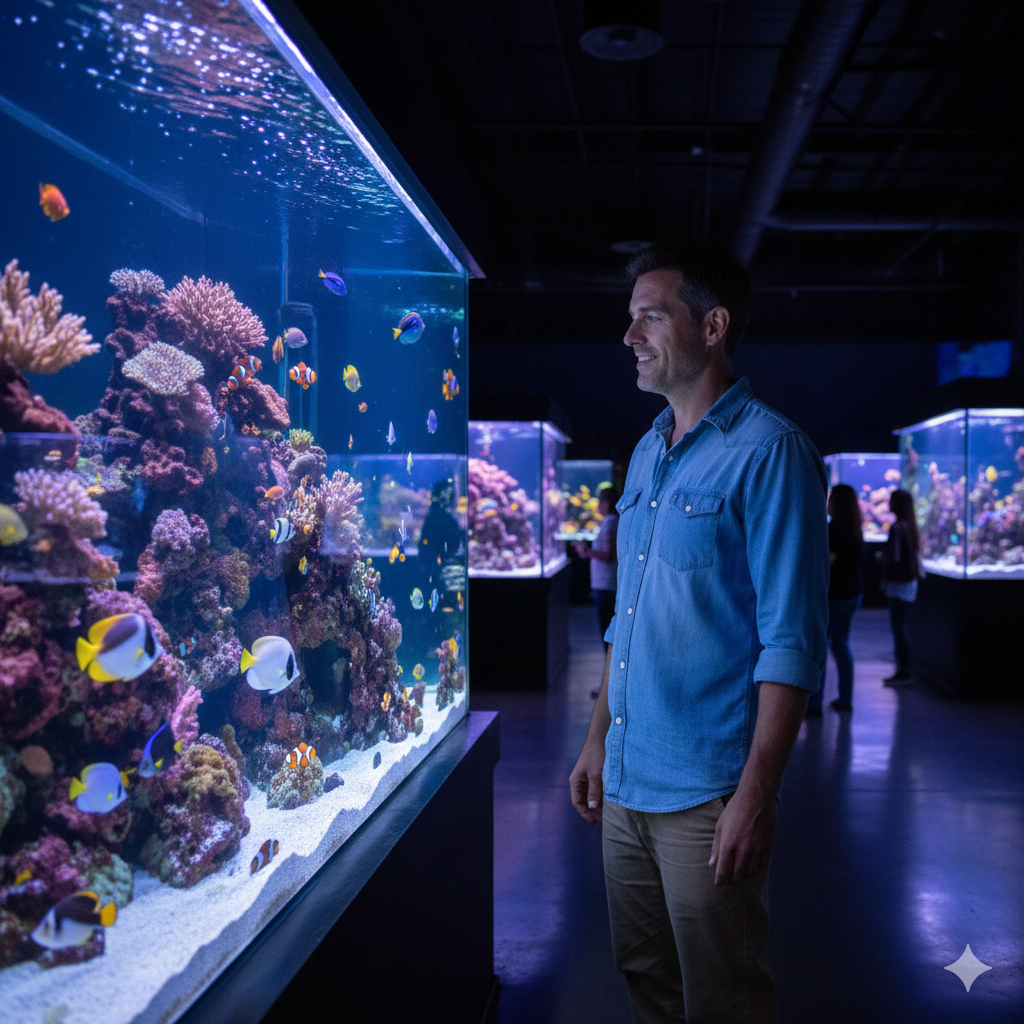
My name is Daniel Carter, I am 35 years old, and I live in the United States. I have been passionate about aquariums for many years, and what started as a simple hobby quickly became a lifelong interest in aquatic life, fish behavior, and responsible tank care.
Through TheBrightLance, I share real experiences, practical knowledge, and honest lessons learned from maintaining different types of aquariums. I enjoy testing equipment, studying fish behavior, improving maintenance routines, and helping beginners avoid common mistakes.
My goal is to make aquarism easier, more ethical, and more enjoyable for everyone — whether you are setting up your very first tank or looking to refine your techniques.