
The Silent Struggles of New Aquarium Keepers
Let’s be honest, starting an aquarium is a bit like diving headfirst into a shimmering, watery world filled with both wonder and potential pitfalls. As someone who’s been captivated by aquariums for over a decade, I’ve witnessed countless newcomers embark on this journey, often with wide-eyed enthusiasm, only to encounter frustrating, and sometimes heartbreaking, setbacks. It’s not that the hobby is inherently difficult; it’s that a lot of crucial information simply isn’t readily available, or worse, gets overshadowed by flashy marketing and overly simplistic advice. No one really talks about the nitty-gritty realities, the quiet struggles, the seemingly small errors that can snowball into major problems. So, I’m here to break the silence and shed light on some of the most common, yet often unspoken, beginner aquarium mistakes.
I remember my first tank vividly. It was a 10-gallon setup, purchased on a whim after seeing a mesmerizing display at a local pet store. I envisioned a vibrant, thriving ecosystem within my own home. What I got, initially, was a cloudy mess, a few stressed-out fish, and a growing sense of discouragement. Looking back, I realize I made almost every mistake in the book, and I paid the price. But those early failures were invaluable learning experiences. They taught me the importance of patience, research, and a deep understanding of the delicate balance within an aquarium. My goal here is to help you avoid those same mistakes and start your aquarium journey on a much more solid foundation.
The Unseen Foundation: Neglecting the Nitrogen Cycle
This is, without a doubt, the most critical aspect of aquarium keeping, and unfortunately, it’s often glossed over or explained in a confusing way. The nitrogen cycle is the biological process that converts harmful fish waste (ammonia) into less toxic substances (nitrite and then nitrate). Without a properly established nitrogen cycle, your aquarium water becomes a toxic soup, essentially poisoning your fish. It’s like trying to build a house on quicksand; no matter how beautiful the decorations, the foundation is unstable, and the entire structure is doomed to fail.
The Silent Killer: Ammonia and Nitrite Toxicity
Ammonia, produced by fish waste, decaying food, and decomposing plant matter, is incredibly toxic to fish. Even small amounts can cause severe stress, gill damage, and ultimately, death. Nitrite, the byproduct of ammonia breakdown, is also harmful, interfering with the fish’s ability to absorb oxygen. The problem is that these toxins are invisible. You can’t see them, smell them, or taste them (not that you’d want to!), but they’re silently wreaking havoc on your aquarium inhabitants. This is why regular water testing is absolutely essential, especially during the initial cycling period.
Cycling the Tank: Patience is a Virtue
“Cycling” your tank means establishing a colony of beneficial bacteria that will naturally convert ammonia into nitrite and then nitrate. This process typically takes several weeks, and it requires patience. Many beginners make the mistake of adding fish too soon, before the nitrogen cycle is fully established. This leads to a rapid buildup of ammonia and nitrite, resulting in what’s known as “New Tank Syndrome.”
There are several methods for cycling a tank. The most common is the “fishless cycle,” which involves adding a source of ammonia to the tank (e.g., pure ammonia or fish food) to feed the bacteria. You then monitor the ammonia, nitrite, and nitrate levels using a test kit. As the bacteria multiply, the ammonia and nitrite levels will rise and then fall, while the nitrate level will increase. Once you consistently get readings of zero ammonia and zero nitrite, with a measurable nitrate level, your tank is cycled and ready for fish (after a partial water change to lower the nitrate level).
I’ve also used the “fish-in cycle” in some situations, but it requires extreme caution and meticulous monitoring. It involves adding a small number of hardy fish to the tank and performing frequent water changes (often daily) to keep the ammonia and nitrite levels within a safe range. This method is more stressful for the fish, so it’s crucial to choose hardy species and monitor their behavior closely. If the fish show signs of stress (e.g., gasping at the surface, clamped fins, lethargy), you need to perform an immediate water change.
One of my biggest early mistakes was not understanding the nitrogen cycle at all. I added fish to my brand-new tank within days of setting it up, completely oblivious to the invisible dangers lurking in the water. Needless to say, the results were disastrous. I lost several fish within a week, and I was devastated. It was a harsh lesson, but it taught me the fundamental importance of understanding the nitrogen cycle before adding any living creatures to an aquarium.

Overfeeding: A Common Act of “Kindness” That Kills
It’s natural to want to provide your fish with plenty of food, but overfeeding is a surprisingly common mistake that can have serious consequences. Uneaten food decomposes in the tank, contributing to ammonia buildup and fueling algae blooms. It’s a vicious cycle: overfeeding leads to poor water quality, which stresses the fish and makes them more susceptible to disease.
The “Five-Minute Rule” and Other Feeding Strategies
A good rule of thumb is to only feed your fish as much as they can consume within about five minutes. Observe your fish during feeding time. If food is left uneaten after a few minutes, you’re feeding too much. It’s always better to underfeed than overfeed.
The type of food you use also matters. Choose high-quality fish food that is appropriate for the species you’re keeping. Variety is also important. Offer a mix of flakes, pellets, and occasional treats like frozen or live foods.
I used to think I was being a good fish parent by giving them generous portions of food. I wanted them to be happy and well-fed. But I quickly learned that my good intentions were actually harming them. The uneaten food would cloud the water, and I’d constantly be battling algae blooms. It took me a while to realize that less is often more when it comes to feeding fish.
The Detritus Dilemma: Understanding Waste Buildup
Overfeeding contributes significantly to the buildup of detritus, which is a fancy word for organic waste that accumulates in the substrate (gravel or sand) and other areas of the tank. Detritus not only degrades water quality but can also harbor harmful bacteria and create anaerobic (oxygen-depleted) zones in the substrate. These anaerobic zones can produce toxic gases like hydrogen sulfide, which can be deadly to fish.
Regular gravel vacuuming is essential for removing detritus. Use a siphon to gently stir up the substrate and remove the accumulated waste during water changes. Avoid digging too deeply into the substrate, as this can disrupt the beneficial bacteria colonies.
Ignoring Water Changes: The Lifeline of Your Aquarium
Water changes are the single most important maintenance task you can perform to keep your aquarium healthy and thriving. They remove accumulated nitrates, replenish essential minerals, and help maintain stable water parameters. Think of water changes as a regular “reset” for your aquarium, keeping the water fresh and clean.
The “How Much?” and “How Often?” Questions
The frequency and size of water changes depend on several factors, including the size of your tank, the number of fish, and the type of filtration you’re using. As a general guideline, aim for 25-50% water changes every 1-2 weeks. Heavily stocked tanks may require more frequent or larger water changes.
It’s crucial to use dechlorinated water for water changes. Tap water contains chlorine and chloramine, which are toxic to fish and beneficial bacteria. You can use a dechlorinating product to neutralize these chemicals before adding the water to your tank.
I’ve met many beginners who are hesitant to perform water changes, either because they’re afraid of disturbing the fish or because they think it’s too much work. But I always emphasize that water changes are an investment in the long-term health and well-being of your aquarium. They’re not just a chore; they’re a vital part of responsible fishkeeping.
One of my early mistakes was being inconsistent with water changes. I’d skip them occasionally when I was busy or feeling lazy. But I quickly learned that even a few missed water changes can have a noticeable impact on water quality and fish health. Now, I make water changes a regular part of my aquarium maintenance routine, and I’ve seen a significant improvement in the overall health and vitality of my fish.

Impulse Buys: The Siren Song of the Fish Store
Walking into a well-stocked fish store can be an overwhelming experience. The rows of colorful fish, the dazzling displays, and the enthusiastic sales staff can easily tempt you to make impulsive purchases. But adding fish to your aquarium without proper planning and research is a recipe for disaster.
Compatibility Concerns: Choosing the Right Tank Mates
Not all fish are compatible with each other. Some species are aggressive and will bully or even kill smaller or more peaceful fish. Others have specific water parameter requirements that may not be compatible with the conditions in your tank. It’s crucial to research the temperament, size, and environmental needs of any fish you’re considering adding to your aquarium.
Overcrowding is another common consequence of impulse buys. Adding too many fish to your tank can lead to poor water quality, increased stress, and a higher risk of disease. A good rule of thumb is to provide at least one gallon of water per inch of adult fish size. However, this is just a guideline, and some species require more space than others.
I’ve definitely been guilty of impulse buys in the past. I remember seeing a beautiful Betta fish at a pet store and immediately deciding that I needed to have it. I didn’t do any research on Betta care or compatibility, and I ended up adding it to a tank with other fish that were not a good match. The Betta was constantly stressed and eventually succumbed to disease. It was a painful reminder that impulse buys can have serious consequences for the fish.
The Quarantine Question: Protecting Your Existing Stock
Quarantining new fish is an essential practice that is often overlooked by beginners. New fish can carry diseases or parasites that can quickly spread to your existing fish population. A quarantine tank is a separate, smaller tank where you can observe new fish for several weeks before introducing them to your main aquarium.
During the quarantine period, monitor the new fish for any signs of illness, such as white spots, fin rot, or unusual behavior. Treat any diseases or parasites promptly to prevent them from spreading to your main tank.
Ignoring the Small Signs: Early Detection is Key
Fish are masters at hiding illness. By the time you notice obvious symptoms, the disease may be well advanced and more difficult to treat. It’s crucial to observe your fish closely on a daily basis and learn to recognize the subtle signs of stress or illness.
Behavioral Clues: Decoding Fish Body Language
Changes in behavior are often the first indication that something is wrong. Look for signs such as loss of appetite, lethargy, hiding, gasping at the surface, clamped fins, or flashing (rubbing against objects in the tank). These behaviors can indicate a variety of problems, including poor water quality, disease, or aggression from other fish.
Physical Symptoms: Spotting the Early Warning Signs
Physical symptoms can also be early warning signs of illness. Look for signs such as white spots (ich), fin rot, cloudy eyes, bloated abdomen, or unusual growths or lesions. If you notice any of these symptoms, research the possible causes and take appropriate action.
I’ve learned to trust my instincts when it comes to my fish. If something just doesn’t seem right, I investigate further. I’ve often caught problems early by paying attention to the subtle signs and taking prompt action. It’s much easier to treat a disease in its early stages than to try to save a fish that is already severely ill.
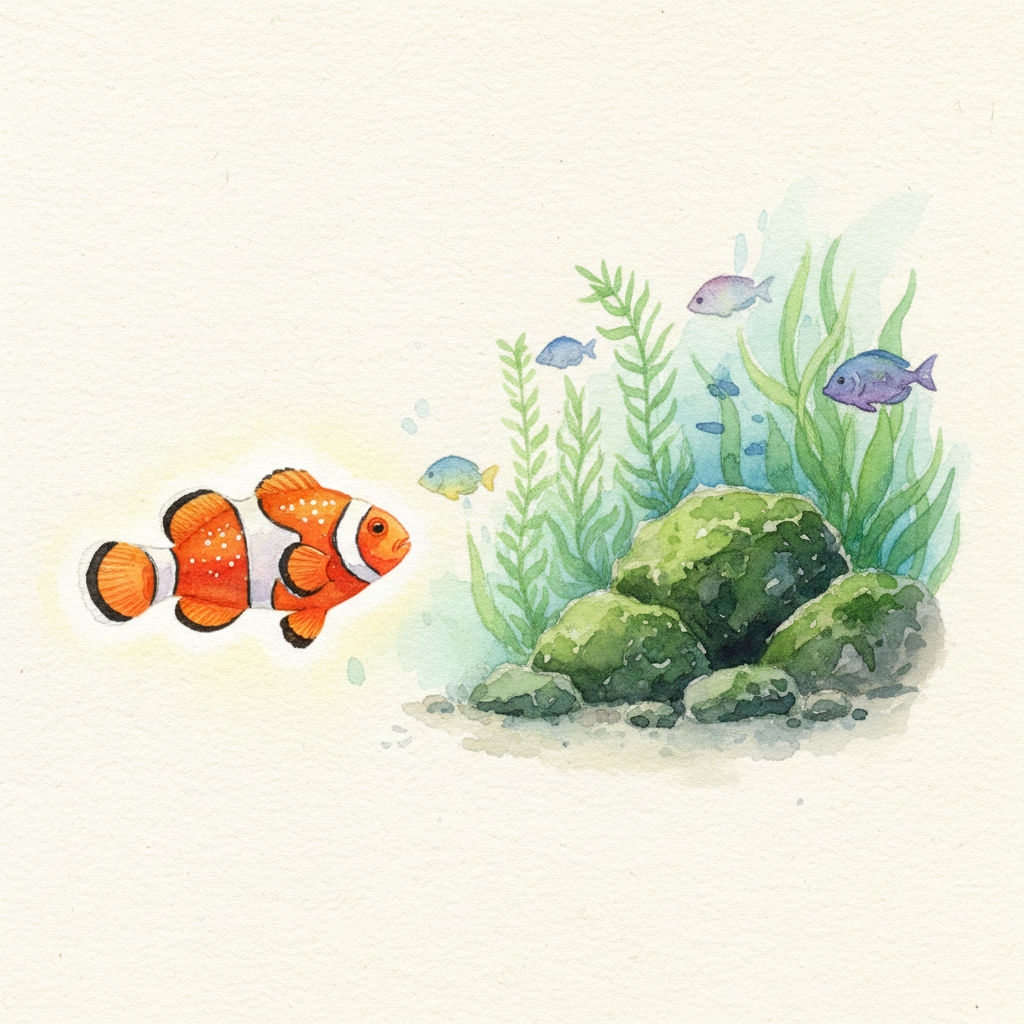
The Power of Knowledge: Continuous Learning and Adaptation
Aquarium keeping is a constantly evolving hobby. There’s always something new to learn, whether it’s a new technique, a new species of fish, or a new understanding of aquarium ecology. Don’t be afraid to experiment, ask questions, and learn from your mistakes.
Embrace the Community: Seeking Advice and Sharing Experiences
The aquarium community is a valuable resource for information and support. Join online forums, attend local aquarium club meetings, and connect with other hobbyists. Share your experiences, ask for advice, and learn from the successes and failures of others.
Adapt to Change: The Dynamic Nature of Aquariums
Aquariums are dynamic ecosystems that are constantly changing. Be prepared to adapt your strategies as needed. What works well for one tank may not work for another. Be flexible, observant, and willing to adjust your approach based on the specific needs of your aquarium.
I’ve found that the more I learn about aquariums, the more I realize how much I still don’t know. It’s a humbling experience, but it’s also incredibly rewarding. The journey of learning and discovery is what makes aquarium keeping so fascinating and fulfilling.
One of the best pieces of advice I can give to beginners is to be patient and persistent. Don’t get discouraged by setbacks. Every aquarium keeper experiences challenges and failures. The key is to learn from those experiences and keep moving forward. With patience, dedication, and a willingness to learn, you can create a beautiful and thriving aquatic ecosystem that will bring you years of enjoyment.

Ultimately, successful aquarium keeping is about more than just buying a tank and adding some fish. It’s about understanding the delicate balance of the aquatic ecosystem, respecting the needs of the animals in your care, and being willing to learn and adapt along the way. It’s a journey of continuous discovery, and one that can bring immense satisfaction. Don’t be afraid to make mistakes; they are opportunities for growth. Embrace the challenges, celebrate the successes, and enjoy the wonders of the underwater world.
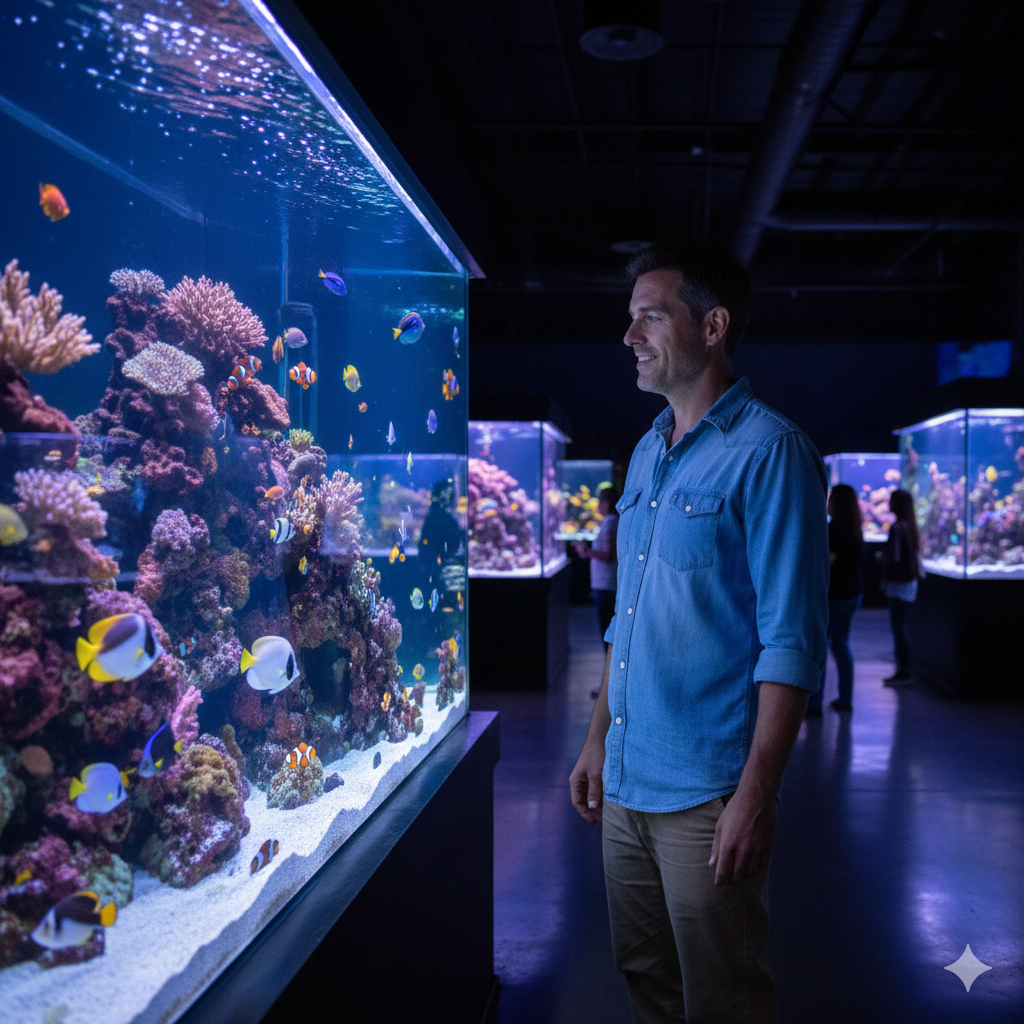
My name is Daniel Carter, I am 35 years old, and I live in the United States. I have been passionate about aquariums for many years, and what started as a simple hobby quickly became a lifelong interest in aquatic life, fish behavior, and responsible tank care.
Through TheBrightLance, I share real experiences, practical knowledge, and honest lessons learned from maintaining different types of aquariums. I enjoy testing equipment, studying fish behavior, improving maintenance routines, and helping beginners avoid common mistakes.
My goal is to make aquarism easier, more ethical, and more enjoyable for everyone — whether you are setting up your very first tank or looking to refine your techniques.