
The Silent Teacher in My Living Room
For over a decade now, my living room has housed more than just furniture and family photos; it’s been home to a constantly evolving ecosystem contained within glass walls. I’m talking about my freshwater aquarium, of course. What started as a simple setup with a few neon tetras has grown into a complex and deeply rewarding hobby. But more than just a pastime, my aquarium has become a silent teacher, offering profound lessons about balance, observation, and the interconnectedness of life. And believe it or not, it all started with noticing a peculiar change in my fish’s behavior.
I’ve always been meticulous about water changes, filtration, and feeding, following all the “rules” I read online. Yet, there were times when things just didn’t seem right. My fish, usually vibrant and active, would become lethargic, their colors dull, their fins clamped. The water parameters would test within acceptable ranges, leaving me scratching my head. What was going on? It wasn’t until I started paying closer attention to the specific behaviors of individual fish that I began to unravel the mysteries of my aquarium’s delicate balance.
Decoding the Language of Fins and Scales
Each fish species, each individual fish, communicates its well-being through subtle cues. Learning to recognize these cues is like learning a new language. A sudden change in activity level, a shift in coloration, altered feeding habits – these are all potential signals that something is amiss within the aquatic environment. Let me give you a concrete example.
I had a small group of harlequin rasboras, typically schooling peacefully in the mid-water column. One day, I noticed one rasbora consistently isolating itself near the surface, its breathing rapid. The others seemed fine, so I initially dismissed it as perhaps just an old fish nearing the end of its life. However, something nagged at me. I decided to test the water again, focusing not just on the headline numbers like pH and ammonia, but also on the dissolved oxygen level. Bingo! The oxygen level was lower than usual, likely due to a combination of warm weather and increased organic load in the tank. The rasbora, being more sensitive to oxygen depletion, was the first to exhibit symptoms. Increasing surface agitation with an air stone quickly rectified the problem, and the rasbora returned to its normal behavior within hours. This experience taught me that water tests are important, but they only provide a snapshot. Observing the fish’s behavior is like watching a movie – it gives you the full story.
Another time, I introduced a few new plants into the aquarium. They were beautiful, lush specimens that I thought would enhance the aquascape. However, within a few days, I noticed my corydoras catfish, usually busy sifting through the substrate, were spending more time at the surface, gasping for air. I was puzzled. The water parameters were perfect. It turned out the new plants, while visually appealing, were releasing tannins into the water, lowering the pH slightly and, more importantly, reducing the oxygen-carrying capacity of the water. A large water change and the addition of activated carbon to the filter resolved the issue, but it highlighted the importance of considering the impact of every addition to the aquarium, no matter how seemingly benign.
The Importance of a Balanced Ecosystem
These experiences hammered home a crucial point: a healthy aquarium is a balanced ecosystem. It’s not just about maintaining ideal water parameters; it’s about creating an environment where each element – fish, plants, bacteria, substrate – works in harmony. Think of it like a miniature version of the natural world. A thriving forest isn’t just about healthy trees; it’s about the complex web of interactions between plants, animals, fungi, and microorganisms. Similarly, a thriving aquarium requires a similar level of balance.
The nitrogen cycle, for example, is fundamental. Ammonia, produced by fish waste and decaying organic matter, is toxic. Beneficial bacteria convert ammonia into nitrite, which is also toxic. Other bacteria then convert nitrite into nitrate, which is less toxic and can be removed through water changes or absorbed by plants. Disrupting this cycle, by overfeeding, overcrowding, or using harsh chemicals, can lead to a buildup of harmful substances and stress the fish. I learned this the hard way when I was a beginner and thought I could get away with infrequent water changes. The resulting algae bloom and stressed fish were a stark reminder of the importance of maintaining a healthy bacterial colony.
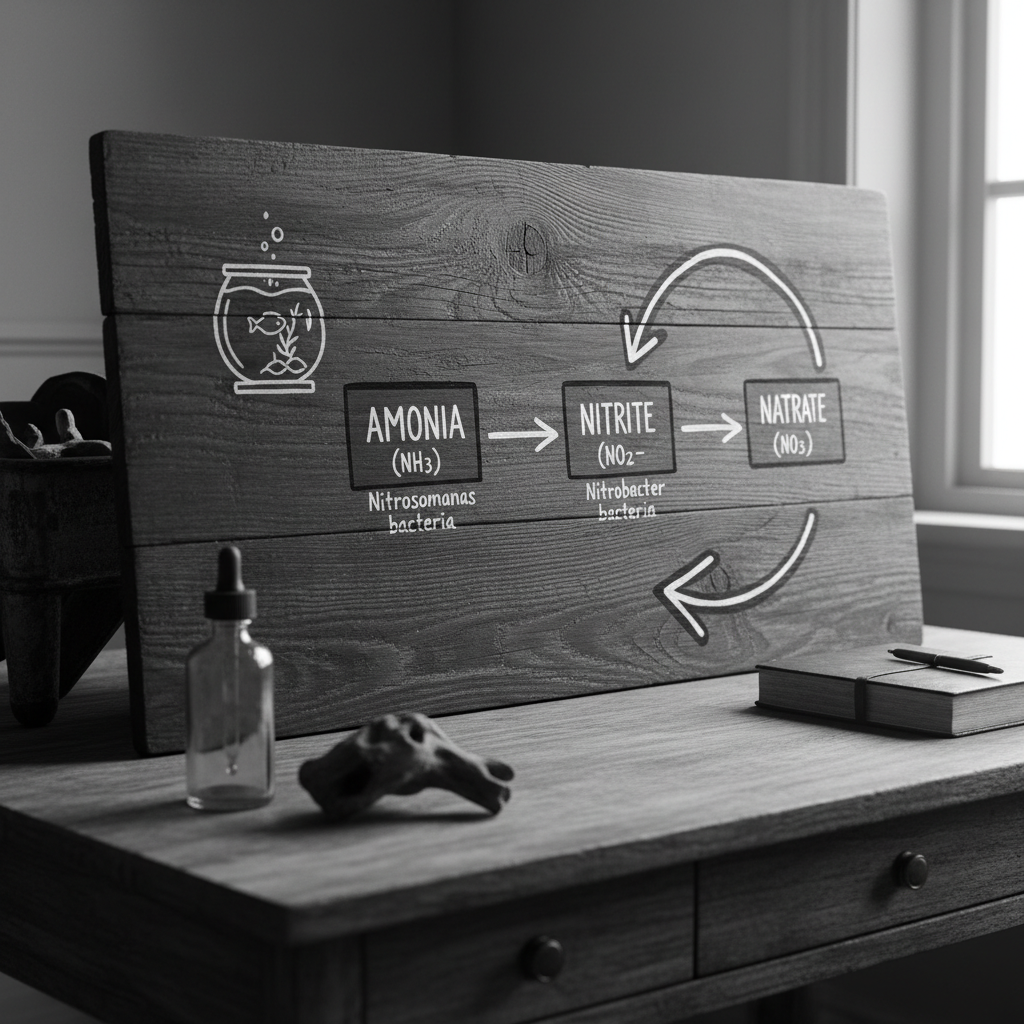
Another critical aspect of balance is the relationship between light, nutrients, and plants. Plants play a vital role in oxygenating the water and consuming nitrates. However, excessive light, coupled with an abundance of nutrients, can lead to algae blooms, which can deplete oxygen and suffocate the fish. Finding the right balance between light intensity, photoperiod, and nutrient levels is essential for maintaining a healthy planted aquarium. I’ve experimented with different lighting systems and fertilization regimes over the years, learning to adjust them based on the specific needs of my plants and the overall health of the aquarium.
Overstocking: A Recipe for Disaster
One of the most common mistakes I see beginners make is overstocking their aquariums. It’s tempting to want to fill the tank with as many colorful fish as possible, but overcrowding can quickly lead to a host of problems. Overstocked tanks produce more waste, which overloads the filtration system and disrupts the nitrogen cycle. This, in turn, can lead to elevated levels of ammonia, nitrite, and nitrate, stressing the fish and making them more susceptible to disease. Overcrowding also increases competition for food and territory, leading to aggression and further stress.
The “inch per gallon” rule is a common guideline, but it’s not foolproof. It’s more of a starting point than a hard-and-fast rule. Factors like the size and shape of the tank, the filtration capacity, the species of fish, and the amount of plants all need to be considered. Some fish, like goldfish, produce a lot more waste than others. Some fish, like bettas, require more territory. And some fish, like schooling species, need to be kept in groups of at least six individuals. Before adding any fish to your aquarium, do your research and make sure you have adequate space and resources to meet their needs.
Beyond Water Parameters: The Subtle Influences
While water parameters are undoubtedly crucial, maintaining a healthy aquarium involves more than just hitting the right numbers on a test kit. Several subtle factors can significantly impact the well-being of your fish. These include things like water temperature, water hardness, and the presence of trace elements.
Water temperature, for example, affects the metabolic rate of fish. Higher temperatures increase their metabolic rate, requiring more oxygen and increasing their waste production. Lower temperatures decrease their metabolic rate, slowing down their activity level. Maintaining a stable temperature within the optimal range for your fish species is essential for their health. I use a reliable aquarium heater with a built-in thermostat to ensure a consistent temperature throughout the year.
Water hardness, which refers to the concentration of dissolved minerals like calcium and magnesium, can also affect fish health. Some fish prefer soft water, while others prefer hard water. Using the wrong type of water can stress the fish and make them more susceptible to disease. I use a water softener to adjust the hardness of my tap water to suit the needs of my fish.
Trace elements, such as iron, potassium, and manganese, are essential for plant growth. Healthy plants help to oxygenate the water, consume nitrates, and provide shelter for the fish. However, tap water often lacks these essential nutrients. I use a liquid fertilizer specifically designed for aquarium plants to supplement these nutrients and promote healthy plant growth.
The Power of Observation: Tuning into the Details
Ultimately, the key to understanding your aquarium’s balance lies in observation. It’s about developing a keen eye for detail and learning to interpret the subtle cues that your fish and plants are giving you. Spend time each day simply observing your aquarium. Watch how the fish interact with each other, how they eat, how they swim. Look for any signs of stress, disease, or unusual behavior. Examine the plants for signs of nutrient deficiencies or algae growth. The more you observe, the better you’ll become at recognizing potential problems before they escalate.
For instance, a fish that is constantly scratching against objects in the aquarium may be suffering from parasites. A fish that is isolating itself and refusing to eat may be sick or stressed. Plants with yellowing leaves may be deficient in iron. Algae growing on the glass may indicate excessive light or nutrients. By noticing these subtle signs early on, you can take corrective action and prevent serious problems.

My Biggest Mistakes and What I Learned From Them
I’d be lying if I said I haven’t made mistakes along the way. In fact, some of my biggest learning experiences have come from my failures. One of the most memorable involved a complete tank crash caused by my own impatience.
I was eager to rescape my aquarium and decided to completely overhaul it in a single day. I removed all the fish, plants, and substrate, cleaned the tank thoroughly, and then rebuilt the entire aquascape from scratch. Big mistake! By removing all the established substrate and decor, I wiped out the beneficial bacteria colony that was essential for the nitrogen cycle. When I added the fish back to the tank, the ammonia levels skyrocketed, leading to a massive die-off. It was a heartbreaking experience that taught me the importance of patience and the delicate balance of the aquarium ecosystem. Now, when I rescape my aquarium, I do it gradually, over several weeks, to minimize disruption to the beneficial bacteria colony.
Another mistake I made early on was neglecting quarantine procedures. I was so excited to add new fish to my aquarium that I didn’t bother quarantining them first. As a result, I introduced a disease into my tank that wiped out a large portion of my fish population. It was a devastating experience that taught me the importance of quarantining all new fish for at least two weeks before introducing them to the main aquarium. This allows you to observe them for any signs of illness and treat them if necessary, preventing the spread of disease to your existing fish.
The Evolving Aquascape: A Constant Learning Process
Maintaining a healthy and balanced aquarium is not a one-time achievement; it’s an ongoing process. The aquascape is constantly evolving, the fish are growing and changing, and the environment is subject to fluctuations. What works today may not work tomorrow. That’s why it’s essential to stay vigilant, keep learning, and adapt your approach as needed.
I regularly read books and articles about aquarium keeping, attend local aquarium club meetings, and participate in online forums. I’m always looking for new information and new techniques to improve my aquascape. I also keep detailed records of my water parameters, feeding schedules, and any changes I make to the aquarium. This helps me to track trends and identify potential problems early on.
The beauty of the aquarium hobby is that there’s always something new to learn. Whether it’s a new species of fish, a new type of plant, or a new filtration technique, there’s always something to explore. And the more you learn, the more rewarding the hobby becomes.

Simplicity is Key: Avoiding Overcomplication
In my experience, the most successful aquariums are often the simplest ones. It’s easy to get caught up in the latest gadgets and technologies, but often, the best approach is to keep things simple and focus on the fundamentals. A good filter, a reliable heater, a balanced lighting system, and regular water changes are all you really need to create a thriving aquarium.
Overcomplicating things can actually make it harder to maintain a healthy aquarium. For example, using too many different types of fertilizers can lead to nutrient imbalances. Over-cleaning the aquarium can disrupt the beneficial bacteria colony. Trying to control every single parameter can create more stress than it alleviates. Sometimes, it’s best to let nature take its course and allow the aquarium to find its own equilibrium.
I’ve seen many beginners get discouraged and give up on the hobby because they try to do too much too soon. They buy expensive equipment, follow complicated instructions, and become overwhelmed by the details. My advice is to start small, keep it simple, and focus on the basics. As you gain experience, you can gradually add more complexity to your aquascape if you choose to.
The Zen of Aquascaping: Finding Peace in the Process
Beyond the scientific aspects of aquarium keeping, there’s also a more artistic and meditative side to the hobby. Aquascaping, the art of arranging rocks, wood, and plants in an aesthetically pleasing manner, can be a deeply rewarding experience. It’s a chance to express your creativity, connect with nature, and create a beautiful and tranquil environment.
I find the process of aquascaping to be incredibly therapeutic. It’s a chance to slow down, focus on the present moment, and let go of stress. I often spend hours just rearranging rocks and plants, experimenting with different layouts, and trying to create a sense of harmony and balance. When I’m finished, I feel a sense of accomplishment and peace. And the best part is, the aquascape is never truly finished. It’s constantly evolving, growing, and changing, just like nature itself.
Creating a beautiful aquascape is not just about aesthetics; it’s also about creating a healthy and functional environment for your fish. The layout of the rocks, wood, and plants can provide shelter, create territories, and influence the flow of water. By carefully considering the needs of your fish, you can create an aquascape that is both beautiful and beneficial.

A Living Canvas: The Ongoing Journey
My aquarium is more than just a glass box filled with water and fish; it’s a living canvas, a dynamic ecosystem, and a constant source of learning and inspiration. It’s taught me valuable lessons about balance, observation, patience, and the interconnectedness of life. And it all started with paying attention to the subtle behaviors of my fish. So, if you’re considering getting into the aquarium hobby, or if you’re already an experienced aquarist, I encourage you to take a closer look at your fish and your aquascape. You might be surprised at what you discover. The silent teacher in your living room has much to offer, if you’re willing to listen. The journey to achieving true aquarium balance is a long and winding road, full of challenges and rewards, but it’s a journey well worth taking.
My name is Daniel Carter, I am 35 years old, and I live in the United States. I have been passionate about aquariums for many years, and what started as a simple hobby quickly became a lifelong interest in aquatic life, fish behavior, and responsible tank care.
Through TheBrightLance, I share real experiences, practical knowledge, and honest lessons learned from maintaining different types of aquariums. I enjoy testing equipment, studying fish behavior, improving maintenance routines, and helping beginners avoid common mistakes.
My goal is to make aquarism easier, more ethical, and more enjoyable for everyone — whether you are setting up your very first tank or looking to refine your techniques.