
My Beginner Aquarium Journey: A Decade of Lessons Learned
If I could turn back the clock and set up my first aquarium knowing what I know now, I would approach things very differently. My initial foray into the aquarium hobby, over a decade ago, was a whirlwind of excitement, impulsive decisions, and, let’s be honest, a fair share of preventable disasters. I’m Lucas Anderson, and I’m here to tell you that those early struggles weren’t in vain. They taught me invaluable lessons that I want to share with you, so you can avoid the same pitfalls and enjoy the beauty and tranquility of a well-established aquarium without the heartache.
Back then, I was captivated by the images of stunning aquariums I saw online. The vibrant colors of the fish, the lush green plants, and the serene atmosphere all beckoned me. I envisioned creating my own underwater paradise, a miniature ecosystem teeming with life. I rushed to the nearest pet store, eager to begin. That’s where the trouble started.
The Allure of the “Complete” Kit: A Cautionary Tale
The pet store employee, bless his heart, steered me toward a “complete” aquarium kit. It seemed like the perfect solution – a tank, filter, heater, and lighting, all conveniently packaged together. What I didn’t realize was that these kits often contain subpar equipment and lack crucial components necessary for a healthy aquarium environment. The filter was undersized, the heater unreliable, and the lighting inadequate for plant growth. Thinking I had everything I needed, I eagerly purchased the kit, along with a handful of brightly colored fish that caught my eye.
Looking back, I realize that I was completely unprepared for the responsibilities of aquarium keeping. I didn’t understand the nitrogen cycle, the importance of water parameters, or the specific needs of the fish I had chosen. I simply filled the tank with tap water, added the fish, and hoped for the best. Predictably, disaster struck within a few weeks. My fish started dying one by one, and the water became cloudy and foul-smelling. I was heartbroken and frustrated, ready to give up on the hobby altogether.
It was only through extensive research, countless hours spent online forums, and advice from more experienced aquarists that I finally began to understand what I had done wrong. I learned about the crucial role of beneficial bacteria in breaking down waste products, the need for regular water changes to maintain water quality, and the importance of choosing fish that are compatible with each other and the tank environment.
So, what would I do differently now? Let’s dive into the specifics.
Planning and Research: Laying the Foundation for Success
The biggest mistake I made was diving in headfirst without a solid plan. Now, I understand that thorough planning and research are essential for a successful aquarium. Here’s what I would focus on:
Determining the Right Tank Size
My first tank was a small, 10-gallon aquarium. While it seemed manageable at the time, I quickly learned that smaller tanks are actually more difficult to maintain than larger ones. Water parameters fluctuate more rapidly in smaller tanks, making them less forgiving of mistakes. A larger tank provides a more stable environment for fish and plants, and it allows for a greater diversity of species.
If I were starting today, I would opt for a 20-gallon long or even a 29-gallon aquarium. These sizes offer a good balance between manageability and stability. They also provide enough space for a decent number of fish and plants to thrive.
Choosing the Right Fish Species: Compatibility and Temperament
Another critical mistake I made was selecting fish based solely on their appearance. I didn’t consider their compatibility, temperament, or adult size. This led to aggression, stress, and ultimately, death.
Now, I would carefully research the needs of each fish species before adding them to my tank. I would consider their adult size, their preferred water parameters, and their social behavior. I would also avoid mixing aggressive or territorial fish with peaceful ones. For a beginner aquarium, I would recommend starting with hardy and peaceful species such as neon tetras, guppies, or corydoras catfish. These fish are relatively easy to care for and can tolerate a wider range of water conditions.
Imagine the difference between a peaceful community tank with schooling tetras and playful corydoras versus a chaotic tank with aggressive cichlids constantly battling for territory. The peaceful tank is far more enjoyable to watch and much easier to maintain.

Understanding the Nitrogen Cycle: The Foundation of Aquarium Health
The nitrogen cycle is the process by which beneficial bacteria convert toxic ammonia and nitrite into less harmful nitrate. This process is essential for maintaining water quality and preventing fish poisoning.
When I first started, I didn’t understand the nitrogen cycle, and I didn’t cycle my tank before adding fish. This led to a build-up of ammonia and nitrite, which poisoned my fish. Now, I know that it’s crucial to cycle the tank before adding any livestock. This can be done by adding a source of ammonia to the tank, such as fish food or pure ammonia, and monitoring the water parameters until ammonia and nitrite levels reach zero.
There are several ways to kickstart the nitrogen cycle. One popular method is to use a commercially available bacteria starter. These products contain live beneficial bacteria that can quickly colonize the filter and substrate. Another method is to add a piece of used filter media from an established aquarium to the new tank. This will introduce beneficial bacteria and help to speed up the cycling process.
Investing in Quality Equipment: Setting Yourself Up for Success
While the “complete” aquarium kit seemed like a bargain at the time, I quickly realized that the included equipment was inadequate for a healthy aquarium environment. Now, I would invest in high-quality equipment that is designed to last and perform well.
Choosing the Right Filter: Filtration Power is Key
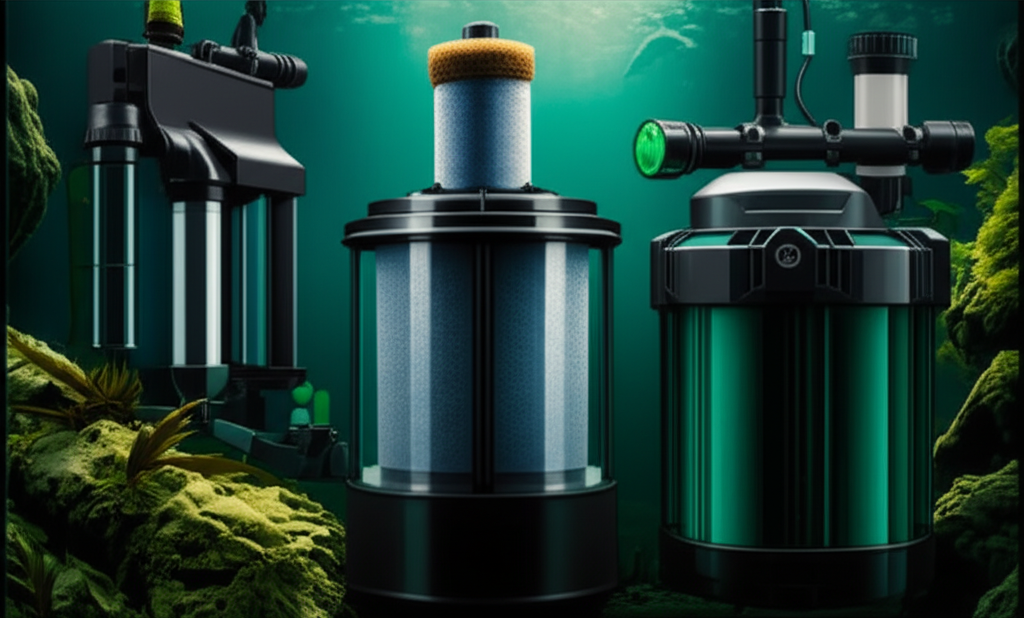
The filter is the heart of the aquarium. It removes waste products, clarifies the water, and provides a home for beneficial bacteria. The filter that came with my first aquarium kit was undersized and ineffective. It couldn’t keep up with the bioload of the fish, and the water quickly became cloudy and polluted.
If I were starting today, I would choose a filter that is rated for at least twice the size of my tank. This will ensure that the filter has enough capacity to handle the waste produced by the fish and plants. I would also opt for a filter that has multiple stages of filtration, including mechanical, chemical, and biological filtration. A hang-on-back (HOB) filter or a canister filter are both good options for a beginner aquarium.
Selecting a Reliable Heater: Maintaining a Stable Temperature
Maintaining a stable water temperature is crucial for the health of fish. Fish are cold-blooded animals, and their body temperature is dependent on the temperature of the water. Fluctuations in water temperature can stress fish and make them more susceptible to disease.
The heater that came with my first aquarium kit was unreliable and inconsistent. It would often overheat or fail to heat the water properly. Now, I would invest in a high-quality heater with a built-in thermostat. I would also choose a heater that is appropriately sized for my tank. A general rule of thumb is to use 5 watts of heater power per gallon of water.
Choosing the Right Lighting: Supporting Plant Growth and Fish Health
Proper lighting is essential for plant growth and fish health. Plants use light to photosynthesize, and fish need light to regulate their sleep-wake cycles.
The lighting that came with my first aquarium kit was inadequate for plant growth. It produced a dim, yellowish light that was not conducive to photosynthesis. Now, I would invest in a full-spectrum LED light that is designed for aquarium use. LED lights are energy-efficient, long-lasting, and produce a bright, natural-looking light that is ideal for plant growth and fish health.
Aquascaping: Creating a Natural and Aesthetically Pleasing Environment
Aquascaping is the art of arranging plants, rocks, and driftwood in an aquarium to create a natural and aesthetically pleasing environment. A well-aquascaped aquarium not only looks beautiful but also provides shelter and hiding places for fish.
Choosing the Right Substrate: Providing a Foundation for Plant Growth
The substrate is the material that covers the bottom of the aquarium. It provides a foundation for plant growth and a home for beneficial bacteria. The substrate I used in my first aquarium was plain gravel, which was not ideal for plant growth.
Now, I would choose a substrate that is specifically designed for planted aquariums. These substrates are enriched with nutrients that promote plant growth. Some popular options include aquasoil, laterite, and fluorite. I would also consider adding a layer of gravel on top of the nutrient-rich substrate to prevent it from clouding the water.
Selecting Plants, Rocks, and Driftwood: Creating a Natural Habitat
Plants, rocks, and driftwood can be used to create a natural and aesthetically pleasing environment in the aquarium. Plants provide oxygen, remove waste products, and provide shelter for fish. Rocks and driftwood add visual interest and create hiding places for fish.
When selecting plants, I would choose species that are appropriate for my tank size and lighting conditions. I would also consider the growth rate and care requirements of each plant. Some easy-to-grow plants for beginners include java fern, anubias, and java moss. When selecting rocks and driftwood, I would choose pieces that are safe for aquariums and that complement the overall aquascape.
Think of the aquascape as a miniature landscape. You want to create a sense of depth, scale, and realism. Use the rule of thirds to position your focal points, and vary the size and shape of your plants, rocks, and driftwood to create visual interest.
Maintenance: Keeping Your Aquarium Healthy and Thriving
Regular maintenance is essential for keeping your aquarium healthy and thriving. This includes water changes, filter cleaning, and algae control.
Performing Regular Water Changes: Maintaining Water Quality
Water changes are the most important aspect of aquarium maintenance. They remove waste products, replenish essential minerals, and help to maintain stable water parameters. When I first started, I neglected to perform regular water changes, and my fish suffered as a result.
Now, I perform a 25% water change every week. This helps to keep the water clean and healthy. I use a gravel vacuum to remove debris from the substrate during water changes. This helps to prevent the build-up of harmful bacteria and toxins.
Cleaning the Filter: Ensuring Optimal Filtration
The filter needs to be cleaned regularly to ensure optimal filtration. Over time, the filter media can become clogged with debris, which reduces its effectiveness. When I first started, I didn’t clean my filter often enough, and the water became cloudy and polluted.
Now, I clean my filter every month. I rinse the filter media in a bucket of used aquarium water to remove debris. I never clean the filter media with tap water, as this can kill the beneficial bacteria. It’s important to only clean one part of the filter at a time to avoid disrupting the beneficial bacteria colony.
Controlling Algae: Maintaining a Clean and Clear Tank
Algae is a common problem in aquariums. It can grow on the glass, plants, and decorations, making the tank look unsightly. When I first started, I struggled to control algae growth, and my tank was often covered in green slime.
Now, I use a combination of methods to control algae growth. I perform regular water changes, maintain proper lighting, and add algae-eating fish and invertebrates to my tank. Some effective algae-eaters include otocinclus catfish, nerite snails, and amano shrimp. Overfeeding and excessive lighting are common causes of algae blooms, so address those first.

Patience and Observation: Key to Long-Term Success
Aquarium keeping is a marathon, not a sprint. It requires patience, observation, and a willingness to learn. Don’t get discouraged if you encounter setbacks along the way. Every aquarist experiences challenges, and it’s important to learn from your mistakes and keep moving forward.
One of the most important things I’ve learned is to observe my fish closely. Pay attention to their behavior, appearance, and appetite. Any changes in these areas can be an early warning sign of illness or stress. By catching problems early, you can often prevent them from becoming serious.
If I were starting today, I would spend more time simply observing my aquarium. I would watch my fish interact with each other, observe their feeding habits, and monitor the growth of my plants. I would also keep a journal to track water parameters, maintenance activities, and any changes in the aquarium. This would help me to identify patterns and trends and to make informed decisions about the care of my aquarium.
The Rewards of a Thriving Aquarium
Despite the challenges I faced in the beginning, I never gave up on the aquarium hobby. I’m so glad I didn’t. Over the years, I’ve learned so much about fish, plants, and the delicate balance of aquatic ecosystems. I’ve also experienced the immense satisfaction of creating a thriving aquarium that brings joy and tranquility to my life.
There’s something truly magical about watching fish swim gracefully through a lush underwater landscape. It’s a reminder of the beauty and complexity of the natural world, and it’s a source of endless fascination and inspiration. An aquarium is more than just a decoration; it’s a living work of art that can enrich your life in countless ways.
So, if you’re thinking about setting up your first aquarium, I encourage you to take the plunge. Just remember to do your research, invest in quality equipment, and be patient. With a little planning and effort, you can create a stunning and healthy aquarium that will bring you years of enjoyment.

And if you ever feel overwhelmed or discouraged, remember my story. Even the most experienced aquarists started somewhere. Don’t be afraid to ask for help, seek out advice from other hobbyists, and never stop learning. The journey of aquarium keeping is a rewarding one, filled with endless possibilities and unforgettable experiences. It’s an investment in a living, breathing ecosystem that reflects your care and dedication, a slice of nature you can cultivate right in your own home.
My name is Daniel Carter, I am 35 years old, and I live in the United States. I have been passionate about aquariums for many years, and what started as a simple hobby quickly became a lifelong interest in aquatic life, fish behavior, and responsible tank care.
Through TheBrightLance, I share real experiences, practical knowledge, and honest lessons learned from maintaining different types of aquariums. I enjoy testing equipment, studying fish behavior, improving maintenance routines, and helping beginners avoid common mistakes.
My goal is to make aquarism easier, more ethical, and more enjoyable for everyone — whether you are setting up your very first tank or looking to refine your techniques.