
Subtle Signs Speak Volumes: Tuning In to Fish Distress
After a decade immersed in the captivating world of freshwater aquariums, I’ve learned one invaluable lesson: fish are masters of disguise when it comes to discomfort. They can’t exactly tell us what’s wrong, can they? But their behavior, often subtle, is their language. It’s our job as responsible aquarists to become fluent. I’m Lucas Anderson, and in my experience, noticing those initial, almost imperceptible changes in behavior is the key to nipping potential problems in the bud. It’s not about waiting for full-blown symptoms of disease; it’s about becoming a keen observer of the ordinary, so you can quickly identify the extraordinary.
What exactly do I notice first? It’s rarely anything dramatic like flashing or gasping. Those are late-stage alarms. I’m looking for the quiet whispers: a slight shift in their usual swimming patterns, a change in their appetite, a subtle alteration in their coloration, or a newfound tendency to hide. These are the little flags that tell me something isn’t quite right in their aquatic world.
Decoding the Aquatic Language: Behavioral Clues
The Dance of Discomfort: Swimming Patterns
One of the first things I zero in on is any deviation from their normal swimming behavior. Is that normally active school of tetras suddenly lethargic, hanging near the bottom instead of darting playfully through the plants? Is my usually graceful angelfish now shimmying, a rapid side-to-side movement, or rubbing against decorations? These are all potential indicators of stress or the early stages of a parasitic infection.
Take, for instance, the time my prized rummy-nose tetras started exhibiting erratic swimming. They weren’t flashing, but they were darting around the tank in a panicked manner, their noses losing their characteristic vibrant red color. My first instinct was to check the water parameters, and sure enough, the ammonia level was slightly elevated due to a malfunctioning filter. A quick water change and a filter repair later, they were back to their normal, synchronized swimming, their noses glowing red once more. Had I ignored that initial change in their swimming, the situation could have quickly escalated to a full-blown ammonia poisoning event.
Appetite as an Indicator: Are They Eating Enough?
A healthy appetite is a sign of a happy fish. A sudden loss of appetite, or even a slight decrease in the amount they’re eating, is a red flag. Are they spitting out their food? Ignoring it altogether? Are they usually the first to the feeding frenzy, but now they’re hesitant to approach? These are crucial questions to ask yourself.
I remember when my gourami, Gilbert, who was usually the most voracious eater in the tank, suddenly started refusing his food. He’d peck at it a bit, then swim away, seemingly disinterested. At first, I dismissed it as him being picky, but then I noticed he was also staying near the surface more than usual. A closer inspection revealed tiny white spots on his body – ich! Because I caught it early, I was able to treat him effectively with a mild medication and a slight temperature increase, avoiding a widespread outbreak in the tank.

The Color Code: Observing Color Changes
Fish coloration is often a reflection of their health and well-being. A vibrant, healthy fish will display its colors proudly. A stressed or sick fish may exhibit faded, washed-out colors, or even develop unusual blotches or patches. It’s important to know what your fish normally look like so you can readily spot any deviations.
I once had a school of neon tetras whose normally bright blue and red stripes started to fade and become dull. They also seemed less active than usual. Knowing that neon tetras are particularly sensitive to changes in water parameters, I immediately tested the water and found the pH was slightly off. After adjusting the pH gradually with a commercially available buffer, their colors returned to their usual brilliance within a few days. This taught me the importance of regular water testing and the sensitivity of certain species to even minor fluctuations.
The Hiding Game: When Solitude Becomes Suspicious
Some fish are naturally more reclusive than others, but a sudden increase in hiding behavior can be a sign that something is amiss. Is a normally outgoing fish suddenly spending all its time hiding behind plants or decorations? Are they avoiding social interaction with their tank mates? This could indicate stress, illness, or even bullying from other fish.
One time, my usually boisterous Bolivian ram started spending an unusual amount of time hiding in a cave. He’d come out to eat, but quickly retreat back into hiding. I suspected he was being bullied by a slightly larger angelfish. After observing the tank more closely, I confirmed my suspicion. The angelfish was subtly chasing him away from the prime feeding spots. I re-arranged the decorations to create more hiding places and break up the angelfish’s territory, and the Bolivian ram gradually regained his confidence and returned to his normal, outgoing behavior. This highlights the importance of observing the social dynamics within the aquarium.
Beyond Behavior: Physical Signs to Watch For
Fin Examination: More Than Just Appearance
While behavioral changes are my first clue, I also pay close attention to the physical appearance of my fish, especially their fins. Clamped fins, where the fins are held close to the body instead of being extended, are a classic sign of stress or illness. Ragged or torn fins can indicate fin rot, an infection caused by bacteria, or physical damage from fighting or rough decorations. White spots, cotton-like growths, or excessive mucus are all signs of potential problems.
I remember when one of my corydoras catfish developed slightly frayed fins. It wasn’t severe, but it was noticeable. I immediately checked the substrate for any sharp edges that might be causing the damage. I also performed a water change to improve the water quality. The frayed fins healed on their own within a week, demonstrating that sometimes, simple solutions are the most effective.
Breathing Patterns: Observing the Gills
Changes in breathing patterns can also be indicative of underlying issues. Gasping at the surface is a clear sign of oxygen deprivation or gill irritation. Rapid gill movements can indicate parasites or other respiratory problems. It’s important to observe your fish’s gills regularly to establish a baseline and be able to recognize any abnormalities.
Once, I noticed my betta fish, Bruce, was spending more time at the surface, gasping for air. I initially assumed it was just his nature as a labyrinth fish, but then I noticed his gills were moving rapidly. I immediately tested the water and found the nitrite level was elevated. A water change and the addition of a biological filter booster quickly resolved the problem, and Bruce returned to his normal, relaxed behavior.
The Tools of the Trade: Essential Equipment for Early Detection
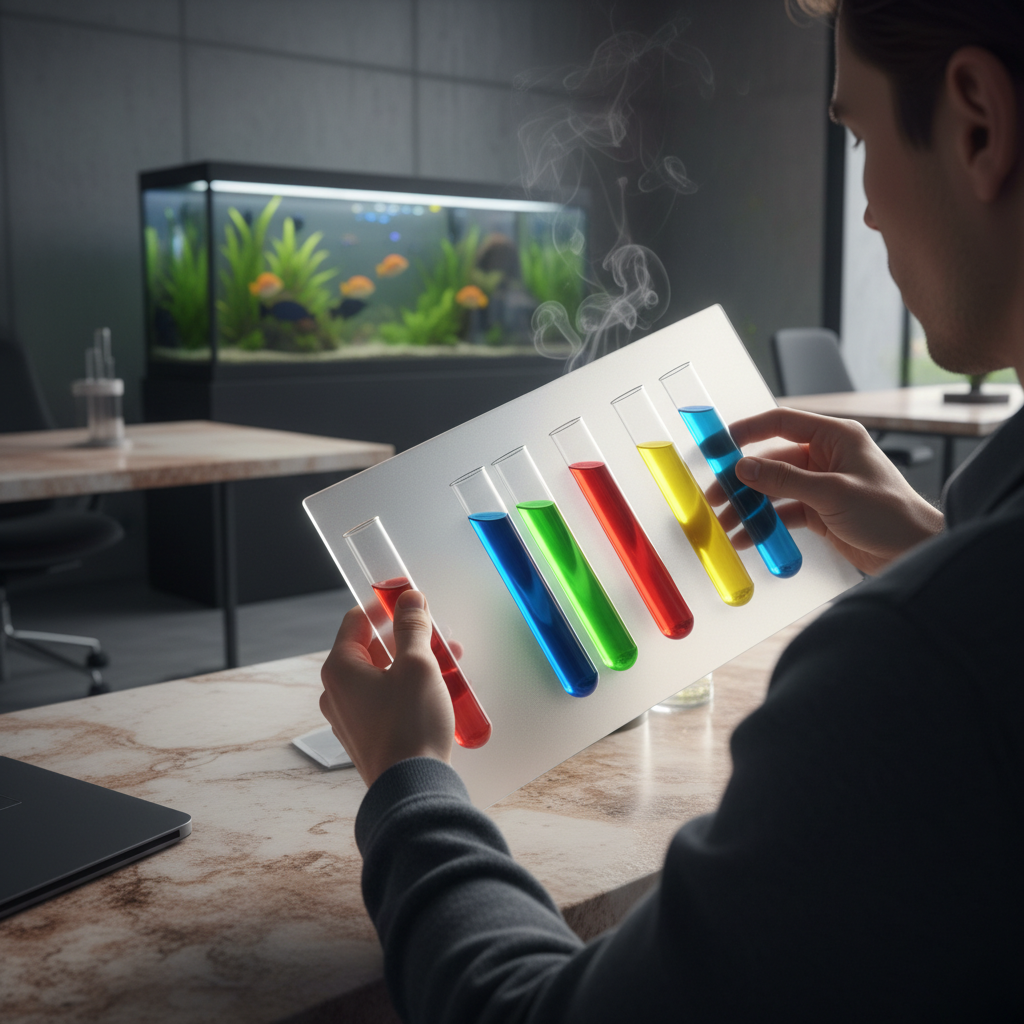
While observation is key, having the right equipment is also crucial for early detection of problems. A reliable water testing kit is an absolute must. I test my water at least once a week, checking for ammonia, nitrite, nitrate, pH, and alkalinity. A thermometer is also essential for monitoring water temperature, as fluctuations can stress fish. And of course, a good-quality aquarium light allows you to observe your fish closely and identify any subtle changes in their appearance.
I also keep a well-stocked first-aid kit on hand, containing medications for common fish diseases, such as ich, fin rot, and fungal infections. Having these medications readily available allows me to treat problems quickly and prevent them from spreading to other fish.

Prevention is Better Than Cure: Maintaining a Healthy Aquarium
Ultimately, the best way to detect problems early is to prevent them from occurring in the first place. This means maintaining a healthy and stable aquarium environment. Regular water changes, proper filtration, and a balanced diet are all essential for keeping your fish healthy and happy. Avoiding overcrowding and providing adequate hiding places can also reduce stress and prevent aggression.
The Power of Water Changes
I cannot overemphasize the importance of regular water changes. They remove accumulated nitrates, replenish essential minerals, and help maintain stable water parameters. I typically perform a 25% water change every week, using dechlorinated water that is the same temperature as the aquarium water. This simple routine has done wonders for the overall health and well-being of my fish.
Filtration: The Lifeblood of the Aquarium
A good-quality filter is essential for removing waste and maintaining clean, clear water. I use a combination of mechanical, chemical, and biological filtration in my aquariums. Mechanical filtration removes particulate matter, chemical filtration removes dissolved pollutants, and biological filtration converts harmful ammonia and nitrite into less toxic nitrate.
A Balanced Diet: Fueling Healthy Fish
Feeding your fish a balanced diet is crucial for their health and vitality. I feed my fish a variety of high-quality flake food, frozen food, and live food. I also supplement their diet with vegetables, such as zucchini and spinach. It’s important to avoid overfeeding, as uneaten food can decompose and pollute the water.
Case Studies: Learning from Experience
Let me share a few more specific examples of how I’ve used these observation skills to identify and address potential problems in my aquariums.
The Mystery of the Clamped Fins
I once had a community tank with a variety of fish, including tetras, rasboras, and corydoras catfish. One day, I noticed that several of the tetras had clamped fins. I immediately checked the water parameters, but everything seemed normal. I then observed the fish more closely and noticed that they were being harassed by a slightly larger serpae tetra. Serpae tetras can sometimes be nippy, especially if they are not kept in a large enough school. I added a few more serpae tetras to the school, which seemed to diffuse the aggression, and the clamped fins gradually disappeared.
The Case of the Disappearing Algae Eaters
I had a tank with a thriving population of algae eaters, including otocinclus catfish and Siamese algae eaters. They were doing a great job of keeping the tank clean and algae-free. One day, I noticed that the algae eaters were starting to disappear. I couldn’t find any dead bodies, so I suspected they were being eaten. After observing the tank more closely, I discovered that my larger angelfish was preying on the smaller algae eaters. I moved the angelfish to a different tank, and the algae eater population quickly rebounded.
The Tale of the Pale Corydoras
My school of adorable corydoras catfish, normally bustling about the substrate, scavenging for food, became noticeably pale. Their usually vibrant markings seemed muted and washed out. I initially suspected a water quality issue, so I diligently tested the water. To my surprise, all parameters were within the acceptable range. Confused, I racked my brain, trying to pinpoint any recent changes in the tank. Then it hit me – I had recently switched to a new brand of substrate. It was a finer gravel, and I suspected it was irritating their barbels, the sensory organs they use to find food. I immediately switched back to the original, smoother substrate, and within a few days, their color returned to normal, and they were back to their usual playful selves. This incident underscored the importance of considering even seemingly minor changes in the aquarium environment.
The Intuition Factor: Trusting Your Gut
While objective observation and testing are essential, there’s also a certain intuition that develops over time. Sometimes, you just get a feeling that something isn’t right, even if you can’t pinpoint exactly what it is. Trust your gut. If something feels off, investigate further. It’s better to be safe than sorry.
I’ve learned to trust my instincts over the years. There have been times when I couldn’t identify a specific problem, but I just knew something was amiss. In those cases, I would often perform a water change, add some aquarium salt, and observe the fish closely for a few days. More often than not, this simple approach would resolve the issue.
The Ongoing Journey: Continuous Learning in Aquascaping
Keeping fish is a continuous learning process. There’s always something new to discover, something new to learn. The more you observe your fish, the more you’ll understand their behavior, and the better you’ll be able to detect problems early. Don’t be afraid to experiment, to try new things, and to learn from your mistakes. And most importantly, enjoy the journey. The rewards of keeping healthy and happy fish are well worth the effort.
I constantly read articles, watch videos, and talk to other aquarists to stay up-to-date on the latest information and techniques. The aquarium hobby is constantly evolving, and there’s always something new to learn. I also encourage you to join a local aquarium club or online forum. These communities can provide valuable support and advice.
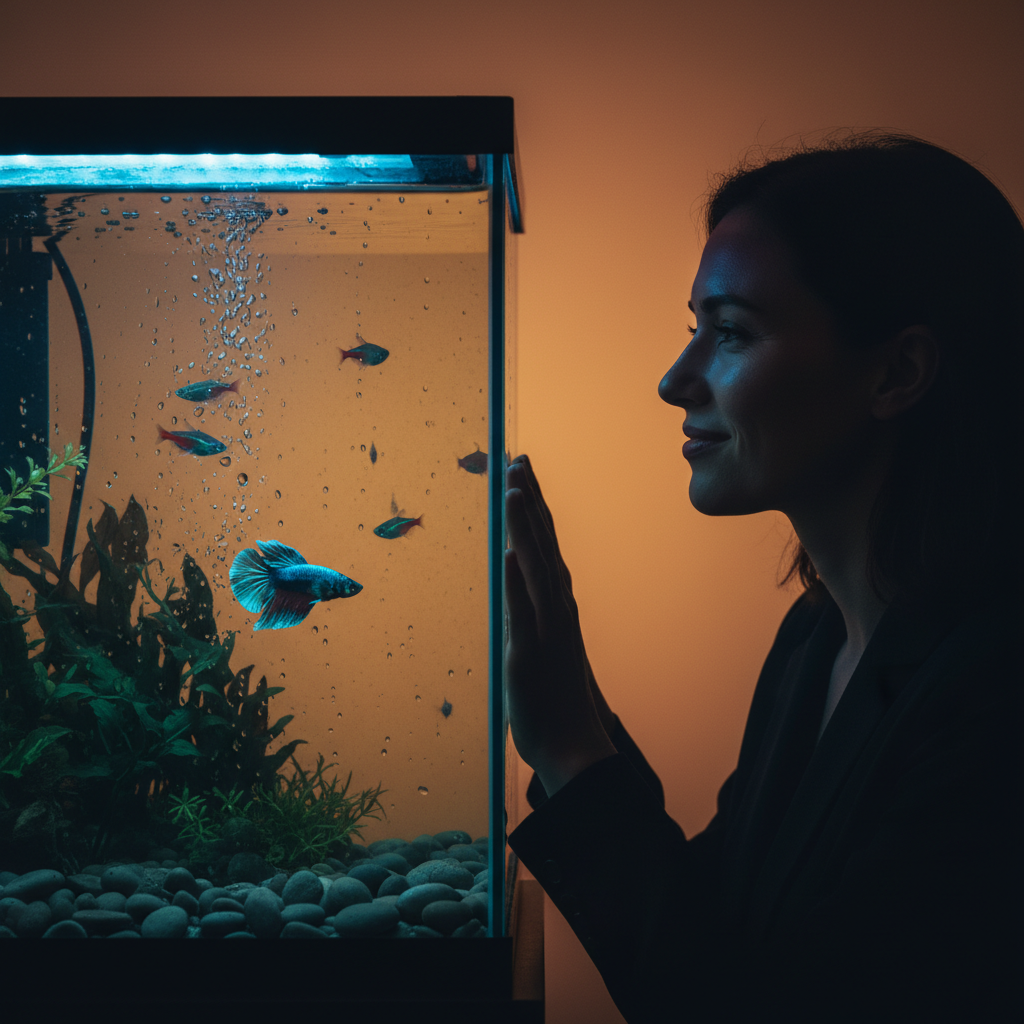
Ultimately, the key to successfully keeping fish is to be a responsible and observant aquarist. Pay attention to your fish’s behavior, maintain a healthy aquarium environment, and don’t be afraid to seek help when you need it. By doing so, you can create a thriving aquatic ecosystem that you and your fish can enjoy for years to come. My hope is that my experiences shared here will help you become a more observant and proactive aquarist, allowing you to catch those subtle signs of discomfort early and ensure the well-being of your finned friends. Remember, their silence doesn’t mean they aren’t speaking; it just means you need to listen more closely.
My name is Daniel Carter, I am 35 years old, and I live in the United States. I have been passionate about aquariums for many years, and what started as a simple hobby quickly became a lifelong interest in aquatic life, fish behavior, and responsible tank care.
Through TheBrightLance, I share real experiences, practical knowledge, and honest lessons learned from maintaining different types of aquariums. I enjoy testing equipment, studying fish behavior, improving maintenance routines, and helping beginners avoid common mistakes.
My goal is to make aquarism easier, more ethical, and more enjoyable for everyone — whether you are setting up your very first tank or looking to refine your techniques.