
My First Tank: A Comedy of Errors
Looking back, I can’t help but chuckle at the sheer number of mistakes I made when I first dove into the aquarium hobby. I’m Lucas Anderson, and I’ve been keeping freshwater tanks for over a decade now. What started as a simple desire for a calming presence in my Orlando apartment quickly turned into a full-blown passion. But, oh boy, was that initial journey a bumpy one. It was less “Finding Nemo” and more “Finding Out What *Not* to Do in Aquariums.”
I remember walking into the local pet store, completely overwhelmed by the rows and rows of tanks teeming with exotic fish. I was like a kid in a candy store, except instead of candy, it was brightly colored tetras and shimmering angelfish. I had absolutely no clue what I was doing. I grabbed a “starter kit” – a 10-gallon tank, a filter that was probably designed for a thimble, and a heater that I’m convinced was just a placebo. Little did I know, that was just the beginning of my aquatic adventures (and misadventures).
Did I cycle my tank properly? Nope. Did I research the specific needs of the fish I impulsively bought? Absolutely not. Did I overfeed them? You bet I did! The result was a cloudy, ammonia-filled disaster that sent me scrambling for answers and, eventually, a lot of water changes.
The Importance of Cycling: A Lesson Learned the Hard Way
The biggest mistake I made, and I suspect it’s a common one for beginners, was not understanding the nitrogen cycle. I honestly thought you just filled a tank with water, added some fish, and voilà, instant aquarium! The reality is far more complex, and understanding the nitrogen cycle is absolutely crucial for the health and well-being of your fish.
Basically, fish waste produces ammonia, which is highly toxic to them. Beneficial bacteria colonize your filter and substrate, converting ammonia into nitrite (also toxic) and then into nitrate, which is less harmful but still needs to be managed through regular water changes. This process takes time, usually several weeks, and it’s what’s known as “cycling” the tank.
My first tank was a disaster because I skipped this vital step. I added fish almost immediately, and the ammonia levels skyrocketed. My poor little tetras were gasping at the surface, their colors fading. It was heartbreaking. I frantically started researching online, discovering the horrifying truth about ammonia poisoning. I felt terrible, like I had subjected these innocent creatures to a slow and painful death.
I immediately started doing daily water changes, testing the water religiously with a liquid test kit (the dip strips are notoriously inaccurate). I added a bacterial starter to help kickstart the nitrogen cycle. It was a stressful and exhausting process, but thankfully, I managed to save most of my fish. The experience left a lasting impression, and I vowed never to make that mistake again.
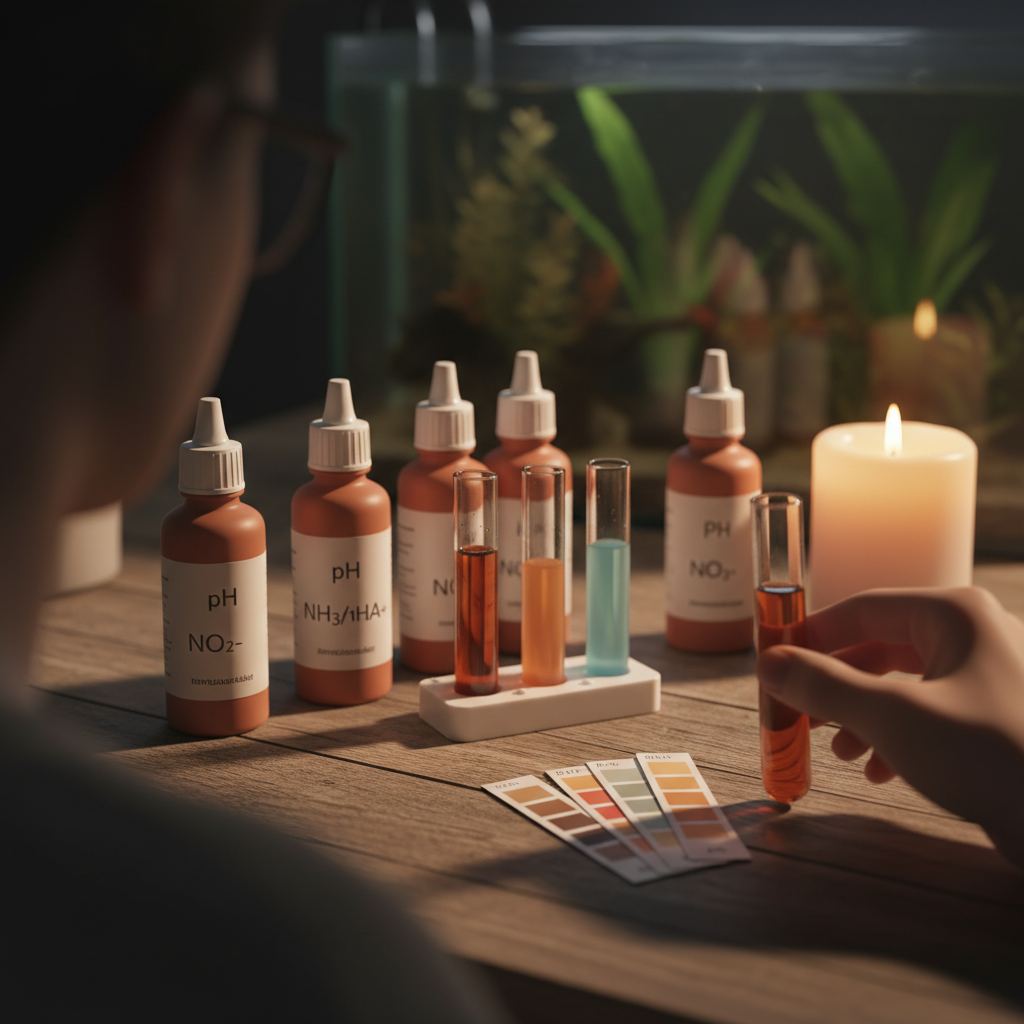
My Recommendation: Fishless Cycling
Now, whenever I set up a new tank, I always use the fishless cycling method. This involves adding ammonia to the tank (you can use pure ammonia or even fish food) and monitoring the water parameters until the beneficial bacteria have established themselves and can process ammonia and nitrite down to zero. It takes longer than adding fish right away, but it’s much more humane and results in a healthier, more stable aquarium in the long run. I generally wait until I get 0 ammonia, 0 nitrites, and some measurable nitrates before adding any livestock.
There are a lot of great resources online that explain fishless cycling in detail. Don’t be afraid to do your research! It’s an investment of time that will pay off handsomely in the long run. Think of it as laying the foundation for a successful and thriving aquatic ecosystem.
Overstocking: A Crowded House is Not a Happy House
Another rookie mistake I made was overstocking my tank. I saw all these beautiful fish and wanted them all! I didn’t consider the long-term consequences of cramming too many fish into a small space. Think of it like trying to fit a family of five into a studio apartment – it’s just not sustainable.
Overstocking leads to a whole host of problems. First, it puts a strain on the biological filter, as it has to process more waste. This can lead to ammonia and nitrite spikes, even in a cycled tank. Second, it reduces the amount of oxygen available to the fish, especially at night when plants are not photosynthesizing. Third, it increases stress levels, making fish more susceptible to disease. Finally, it can inhibit natural behaviors, such as swimming, foraging, and breeding.
I quickly learned that the “inch per gallon” rule is a very rough guideline at best, and it doesn’t account for the specific needs of different species. For example, a long, slender fish like a neon tetra requires less space than a round-bodied fish like a goldfish. Some fish are also more active and require more swimming room. And some fish, like plecos, produce a lot more waste than others.
Researching Fish Compatibility and Needs
Before adding any fish to your tank, it’s crucial to research their adult size, temperament, and water parameter requirements. Are they compatible with the other fish you already have? Do they prefer warm or cool water? Do they need a lot of hiding places? What kind of food do they eat? These are all important questions to consider.
I now use a website called Fishlore.com to research every fish I consider adding to my tanks. It’s a fantastic resource with tons of information on fish care, compatibility, and disease prevention. It also has a great forum where you can ask questions and get advice from experienced aquarists.
Remember, it’s better to understock your tank than to overstock it. A sparsely populated tank with healthy, happy fish is far more rewarding than a crowded tank with stressed and sickly fish.
The Algae Bloom Blues: Taming the Green Monster
Ah, algae. The bane of every aquarist’s existence! My first tank was plagued by a persistent algae bloom that turned the water green and coated everything in a slimy film. I tried everything to get rid of it – algae killers, blackout periods, scrubbing the glass until my arms ached. Nothing seemed to work.
I eventually learned that algae is usually a symptom of an underlying problem, such as excess nutrients, too much light, or poor water circulation. In my case, it was a combination of all three. I was overfeeding my fish, the tank was getting direct sunlight from a nearby window, and the filter wasn’t providing adequate circulation.
I started by reducing the amount of food I was feeding my fish and switching to a high-quality flake food that was less likely to leach nutrients into the water. I also moved the tank away from the window and added a powerhead to improve water circulation. Finally, I introduced some algae-eating snails and shrimp to help keep the algae in check.
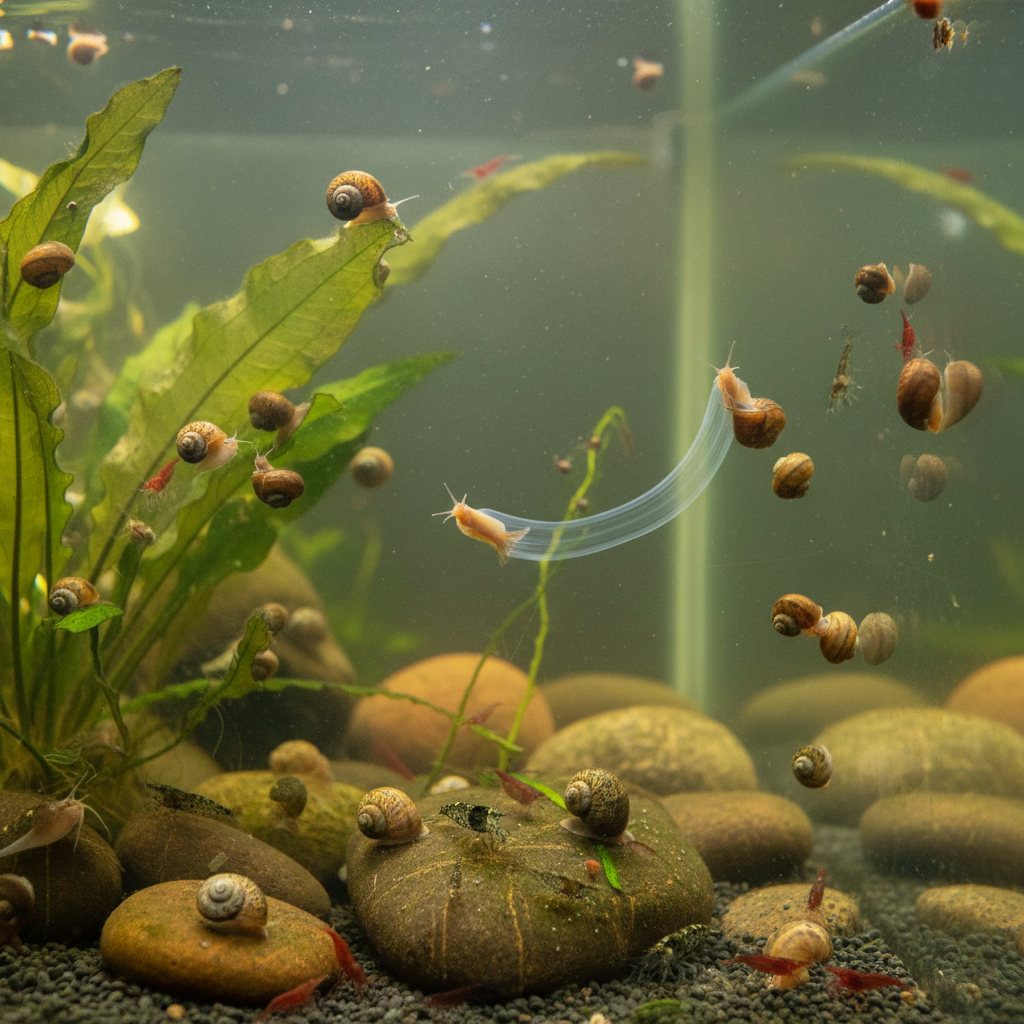
The Power of Algae Eaters and Lighting Control
Nerite snails are my go-to algae eaters. They are incredibly efficient at cleaning algae off glass and decorations, and they don’t reproduce in freshwater, so you don’t have to worry about them overpopulating your tank. Amano shrimp are also great for controlling algae, especially hair algae. However, they are more sensitive to water quality than snails, so it’s important to maintain good water parameters.
Controlling the amount of light your tank receives is also crucial for preventing algae blooms. I recommend using a timer to ensure that your lights are on for no more than 8-10 hours per day. Avoid placing your tank in direct sunlight, as this can quickly lead to an algae outbreak.
Algae is a natural part of any aquarium ecosystem, but it shouldn’t be allowed to take over. By addressing the underlying causes and utilizing algae eaters, you can keep algae under control and maintain a clean and healthy tank.
Filter Follies: Choosing the Right Equipment
My initial aquarium kit came with a cheap, underpowered filter that was barely adequate for a 10-gallon tank. It quickly became clogged with debris, and the water quality suffered. I didn’t realize how important a good filter was until I upgraded to a better model.
A filter is the heart of your aquarium, responsible for removing waste, clarifying the water, and providing a surface for beneficial bacteria to colonize. There are several different types of filters available, each with its own advantages and disadvantages. Sponge filters are inexpensive and easy to maintain, but they are not very efficient at removing debris. Hang-on-back (HOB) filters are a good option for smaller tanks, but they can be noisy and require regular cleaning. Canister filters are the most powerful and versatile type of filter, but they are also the most expensive.
Understanding Filtration Types
When choosing a filter, it’s important to consider the size of your tank, the type of fish you keep, and your budget. A general rule of thumb is to choose a filter that can turn over the entire volume of your tank at least four to five times per hour. For example, a 20-gallon tank would need a filter with a flow rate of at least 80-100 gallons per hour.
I personally prefer canister filters for my larger tanks. They provide excellent filtration, are relatively quiet, and have a large capacity for filter media. I use a combination of mechanical filtration (sponge), chemical filtration (activated carbon), and biological filtration (ceramic rings) to keep my water crystal clear and healthy.
Don’t skimp on the filter! It’s one of the most important pieces of equipment in your aquarium, and investing in a good quality filter will save you a lot of headaches in the long run. It’s better to spend a little more upfront than to deal with constant water quality problems and sick fish.
Water Changes: The Unsung Hero of Aquarium Keeping
I used to think that water changes were a chore and something to be avoided. I would only do them when the water started to look cloudy or when I noticed the fish acting strangely. I didn’t realize how crucial regular water changes are for maintaining a healthy aquarium environment.
Water changes remove accumulated nitrates, replenish essential minerals, and help to maintain a stable pH. They also help to remove dissolved organic compounds that can contribute to algae growth and other problems.
I now perform weekly water changes of about 25-50% in all of my tanks. I use a gravel vacuum to siphon out debris from the substrate, and I always dechlorinate the new water before adding it to the tank. It’s a simple task that makes a huge difference in the health and well-being of my fish.

Making Water Changes Easy and Consistent
One of the biggest hurdles to doing regular water changes is the time and effort involved. I’ve found that using a Python water changer makes the process much easier and faster. It connects directly to your faucet, allowing you to drain and refill the tank without having to lug buckets of water around.
Consistency is key when it comes to water changes. Set a regular schedule and stick to it. Your fish will thank you for it! It also helps to keep a log of your water parameters and water changes so you can track any trends and identify potential problems early on.
Don’t underestimate the power of a good water change. It’s one of the simplest and most effective things you can do to keep your aquarium healthy and thriving.
Quarantine: Protecting Your Aquatic Investment
One of the most painful lessons I learned was the importance of quarantining new fish. I used to just bring them home from the store and add them directly to my main tank, without giving them a chance to adjust or show any signs of illness. This resulted in several devastating outbreaks of disease that wiped out entire populations of fish.
A quarantine tank is a separate, smaller tank that you use to house new fish for a period of 2-4 weeks before introducing them to your main tank. This allows you to observe them for any signs of illness and to treat them if necessary, without risking the health of your existing fish.
Setting Up a Proper Quarantine Tank
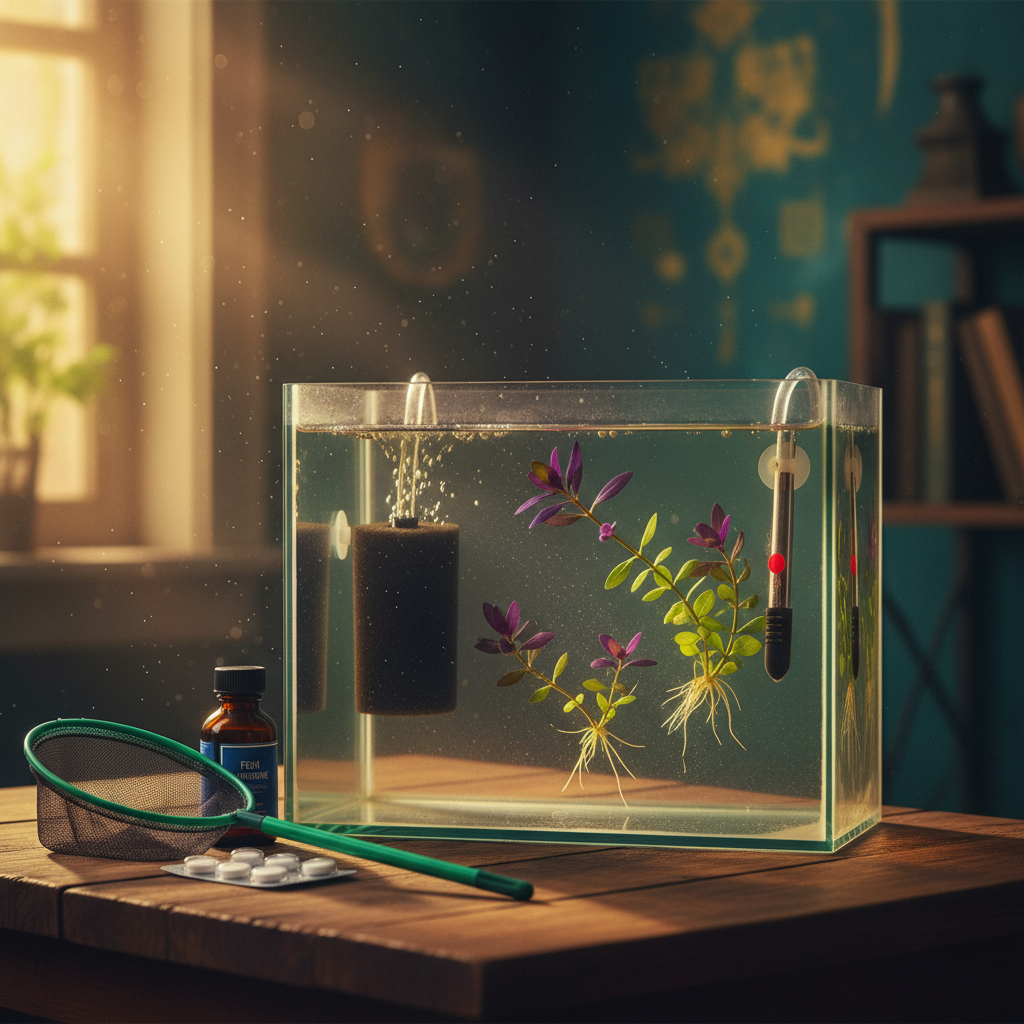
A quarantine tank doesn’t need to be fancy. A simple 10-gallon tank with a filter, heater, and a few hiding places is sufficient. It’s important to cycle the quarantine tank before adding any fish, just like you would with your main tank. I keep a sponge filter running in my main tank so I can quickly transfer it to the quarantine tank when needed, providing instant biological filtration.
During the quarantine period, observe the new fish closely for any signs of illness, such as fin rot, ich, or clamped fins. If you notice anything suspicious, treat the fish with appropriate medication. It’s always better to be safe than sorry. Even if the fish appear healthy, it’s still a good idea to do a prophylactic treatment with a broad-spectrum antibiotic to prevent any hidden diseases from spreading to your main tank.
Quarantining new fish is an essential practice for any serious aquarist. It’s a small investment of time and effort that can save you a lot of heartache and money in the long run.
The Joy of a Thriving Aquarium
Despite all the mistakes I made along the way, I wouldn’t trade my aquarium experience for anything. It’s been a challenging but incredibly rewarding hobby. There’s something truly magical about creating a miniature underwater world and watching it thrive. The vibrant colors, the graceful movements of the fish, the gentle swaying of the plants – it’s all so captivating and calming.
I’ve learned so much about fish biology, water chemistry, and ecosystem management. But more importantly, I’ve learned the importance of patience, observation, and continuous learning. The aquarium hobby is a journey of constant discovery, and there’s always something new to learn.
So, if you’re thinking about getting into aquariums, don’t be discouraged by my early mishaps. Everyone makes mistakes, especially when they’re just starting out. The key is to learn from your mistakes, do your research, and never give up. With a little bit of knowledge and effort, you can create a beautiful and thriving aquarium that will bring you years of enjoyment. And remember, it’s a marathon, not a sprint. Enjoy the process, and don’t be afraid to ask for help. The aquarium community is full of passionate and knowledgeable people who are always willing to share their expertise.
Now, as I sit here in my living room in Orlando, watching my meticulously maintained aquariums, I can’t help but smile. The fish are healthy, the plants are vibrant, and the water is crystal clear. All the hard work and lessons learned have paid off. And who knows, maybe one day I’ll even try my hand at a saltwater tank. But for now, I’m perfectly content with my little slice of freshwater paradise.
My name is Daniel Carter, I am 35 years old, and I live in the United States. I have been passionate about aquariums for many years, and what started as a simple hobby quickly became a lifelong interest in aquatic life, fish behavior, and responsible tank care.
Through TheBrightLance, I share real experiences, practical knowledge, and honest lessons learned from maintaining different types of aquariums. I enjoy testing equipment, studying fish behavior, improving maintenance routines, and helping beginners avoid common mistakes.
My goal is to make aquarism easier, more ethical, and more enjoyable for everyone — whether you are setting up your very first tank or looking to refine your techniques.