
The Unexpected Lessons in Harmony: My Journey with Fish Compatibility
For over a decade, my living room has been graced by the gentle hum of aquarium filters and the mesmerizing dance of aquatic life. My name is Lucas Anderson, and I’m a passionate aquarist from Orlando, Florida. What started as a simple curiosity has blossomed into a full-blown obsession – a quest to create miniature ecosystems where fish not only survive but thrive. But this journey hasn’t been without its share of trials and tribulations. Through the years, I’ve learned firsthand the importance of fish compatibility, often in ways that were both surprising and, occasionally, heartbreaking.
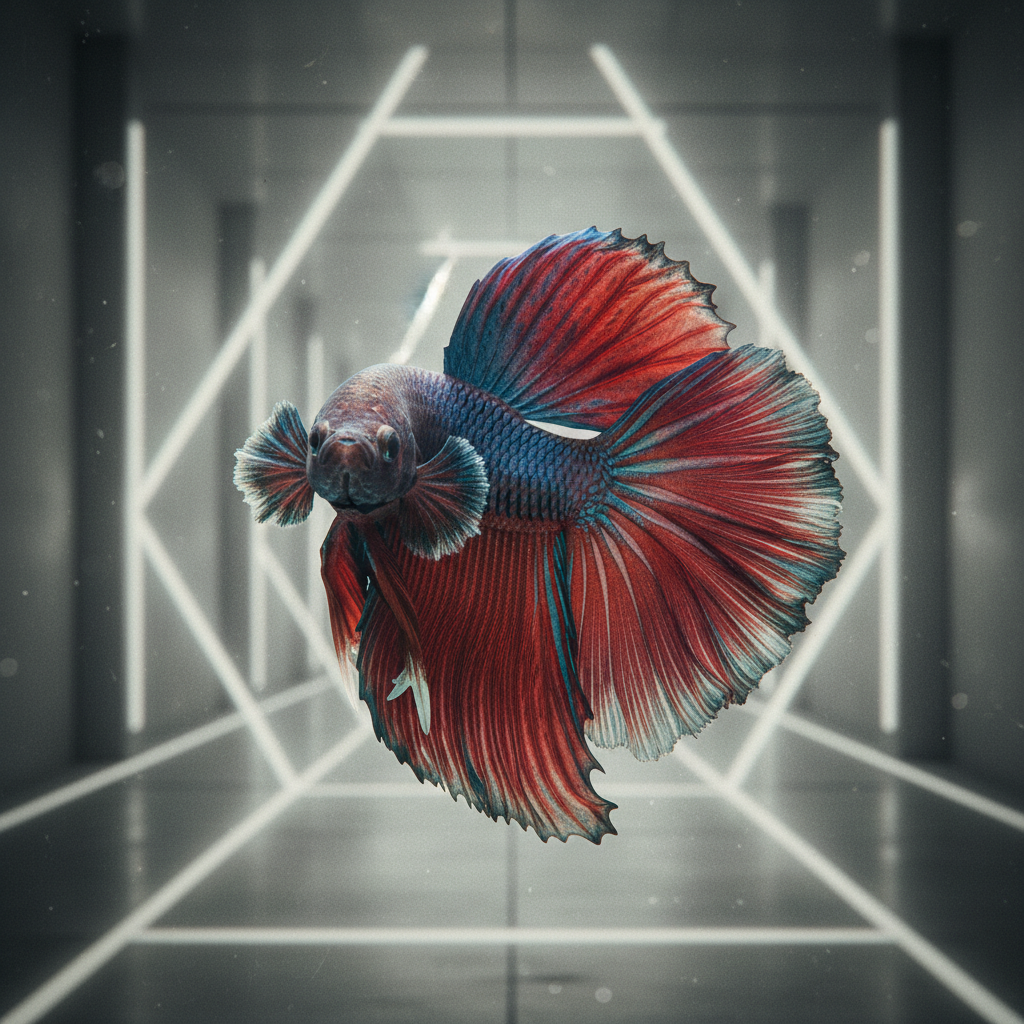
I remember my first aquarium vividly. It was a small, ten-gallon tank, a gift from my parents. Eager to fill it with life, I made the rookie mistake of buying whatever caught my eye at the local pet store. A couple of goldfish, a betta (which, in my naive enthusiasm, I thought would make a beautiful centerpiece), and a few neon tetras. It didn’t take long for the problems to surface. The goldfish, with their insatiable appetites and messy habits, quickly fouled the water, stressing the other fish. The betta, true to its reputation, became a relentless bully, nipping at the fins of the smaller tetras. It was a chaotic, stressful environment, and sadly, it ended with the premature deaths of several fish. That experience, though painful, was a crucial lesson: compatibility isn’t just a suggestion; it’s the foundation of a healthy and happy aquarium.
Beyond the Basics: Understanding Compatibility Factors
Fish compatibility is far more nuanced than simply avoiding obvious predators. It encompasses a range of factors that influence how different species interact within the confined space of an aquarium. Understanding these factors is crucial for creating a harmonious environment where all inhabitants can thrive.
Temperament: This is perhaps the most obvious factor. Aggressive or territorial fish, like bettas, cichlids, and some larger species, can wreak havoc in a community tank. They may harass, injure, or even kill smaller, more peaceful fish. Conversely, overly timid fish can be easily stressed by boisterous tankmates, leading to weakened immune systems and increased susceptibility to disease. Finding the right balance of temperaments is key.
Water Parameters: Different fish species have different requirements for water temperature, pH, and hardness. Mixing fish with drastically different needs can lead to chronic stress and health problems. For example, discus, which prefer warm, acidic water, would not fare well in a tank with African cichlids, which thrive in hard, alkaline conditions. Researching the specific water parameter requirements of each species is essential before introducing them to the same tank.
Size and Diet: Large fish may prey on smaller fish, even if they aren’t inherently aggressive. Similarly, fish with specialized diets may struggle to compete for food in a community tank. For instance, a small school of corydoras catfish, which are bottom feeders, might be outcompeted for food by more voracious surface feeders. Careful consideration of size and dietary needs is crucial for ensuring that all fish have access to adequate resources.
Social Needs: Some fish are solitary creatures, while others thrive in groups. Keeping schooling fish, like tetras or rasboras, in insufficient numbers can lead to stress, shyness, and even aggression. Conversely, keeping territorial fish in overcrowded conditions can exacerbate aggression and lead to constant fighting. Understanding the social needs of each species is essential for creating a balanced and stable aquarium environment.
My “Lessons Learned” the Hard Way
Over the years, I’ve made my share of mistakes when it comes to fish compatibility. Each mistake, however, has been a valuable learning experience. Let me share a few anecdotes that highlight the importance of careful planning and research.
The Case of the Mismatched Cichlids: Intrigued by their vibrant colors and complex social behaviors, I decided to try my hand at keeping cichlids. I started with a group of peaceful South American cichlids, like Bolivian rams and apistogrammas. All was well for a while, until I decided to add a single, beautiful convict cichlid, thinking that its relatively small size wouldn’t pose a problem. I was wrong. The convict cichlid, despite its size, turned out to be an absolute terror. It relentlessly harassed the other cichlids, digging up plants, and generally making their lives miserable. Eventually, I had to remove it to a separate tank. The lesson learned? Even within the same family of fish, temperament can vary dramatically.
The Guppy Overpopulation Crisis: Guppies, with their dazzling colors and easy-going nature, are often recommended as beginner-friendly fish. And they are, to a point. However, their prolific breeding habits can quickly lead to an overpopulation crisis if left unchecked. I learned this the hard way. I started with a small group of guppies, and within a few months, my tank was teeming with them. The increased bioload strained the filtration system, and the fish became stressed and susceptible to disease. The solution? Introduce a natural predator, like a dwarf gourami, to help control the population. But even that requires careful consideration, as the gourami might also prey on the guppy fry.
The Mystery of the Disappearing Shrimp: I’ve always been fascinated by invertebrates, and I decided to add a few Amano shrimp to my community tank to help control algae. The shrimp were initially thriving, happily grazing on algae and detritus. However, I soon noticed that their numbers were dwindling. I couldn’t figure out what was happening until I caught my angel fish nipping at one of the shrimp. Angel fish, while generally peaceful, are opportunistic feeders and will readily consume small invertebrates. The lesson learned? Even seemingly harmless fish can pose a threat to smaller tankmates.
Building a Community: My Top Fish Compatibility Tips
Based on my experiences, both good and bad, I’ve developed a few key principles for creating a harmonious community aquarium. These tips are not exhaustive, but they provide a solid foundation for success.
Research, Research, Research: Before you even think about buying fish, do your homework. Learn about their temperament, water parameter requirements, size, diet, and social needs. There are countless resources available online and in books. Don’t rely solely on the advice of pet store employees, as their knowledge may be limited or biased.
Start Slow: Don’t overcrowd your tank from the beginning. Start with a small group of compatible fish and gradually add more as the tank matures. This will give the biological filter time to establish itself and prevent sudden spikes in ammonia and nitrite.
Quarantine New Arrivals: Always quarantine new fish in a separate tank for at least two weeks before introducing them to your main aquarium. This will help prevent the spread of diseases and parasites.
Observe Carefully: Pay close attention to your fish’s behavior. Look for signs of stress, aggression, or illness. Early detection is key to preventing problems from escalating.
Provide Ample Hiding Places: Ensure that your tank has plenty of hiding places, such as plants, caves, and driftwood. This will give timid fish a safe refuge and help reduce aggression.
My Go-To Community Tank Combinations
Over the years, I’ve found certain fish combinations that consistently work well together in a community tank. These are just a few examples, and there are many other possibilities depending on your tank size and personal preferences.
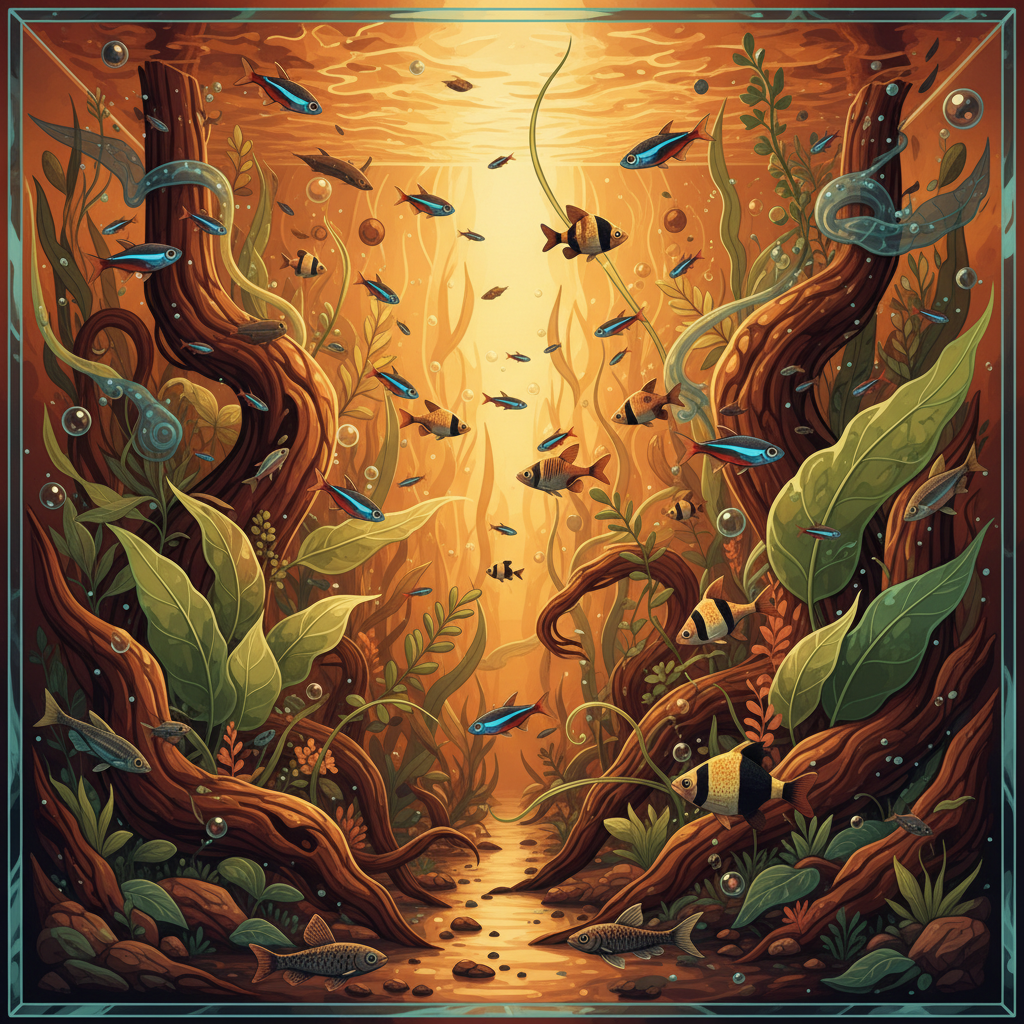
The Classic Community: This combination is ideal for beginners and includes neon tetras, harlequin rasboras, corydoras catfish, and a peaceful centerpiece fish like a dwarf gourami or a honey gourami. These fish are all relatively peaceful, have similar water parameter requirements, and occupy different levels of the tank, creating a balanced and harmonious environment.
The South American Biotope: This combination replicates the natural environment of the Amazon River and includes cardinal tetras, rummy-nose tetras, pencil fish, and apistogramma cichlids. These fish prefer soft, acidic water and appreciate a heavily planted tank with plenty of driftwood.
The Peaceful Barb Community: This combination features a variety of peaceful barb species, such as cherry barbs, gold barbs, and odessa barbs. These fish are active and colorful, but generally not aggressive. They appreciate a well-planted tank with plenty of swimming space.
The Ethical Considerations of Fish Keeping
Beyond the practical aspects of fish compatibility, there’s also an ethical dimension to consider. As aquarists, we have a responsibility to provide our fish with the best possible care, which includes ensuring that they are living in a suitable and enriching environment.
This means avoiding the impulse to buy fish simply because they are beautiful or interesting. It means taking the time to research their needs and ensuring that we can provide them with a proper home. It also means being willing to admit when we’ve made a mistake and taking steps to correct it, even if it means rehoming a fish that isn’t thriving in our tank.
Responsible fish keeping is not just about maintaining a beautiful aquarium; it’s about respecting the lives of the creatures in our care. It’s about creating an environment where they can thrive, not just survive.
The Future of My Aquatic Adventures
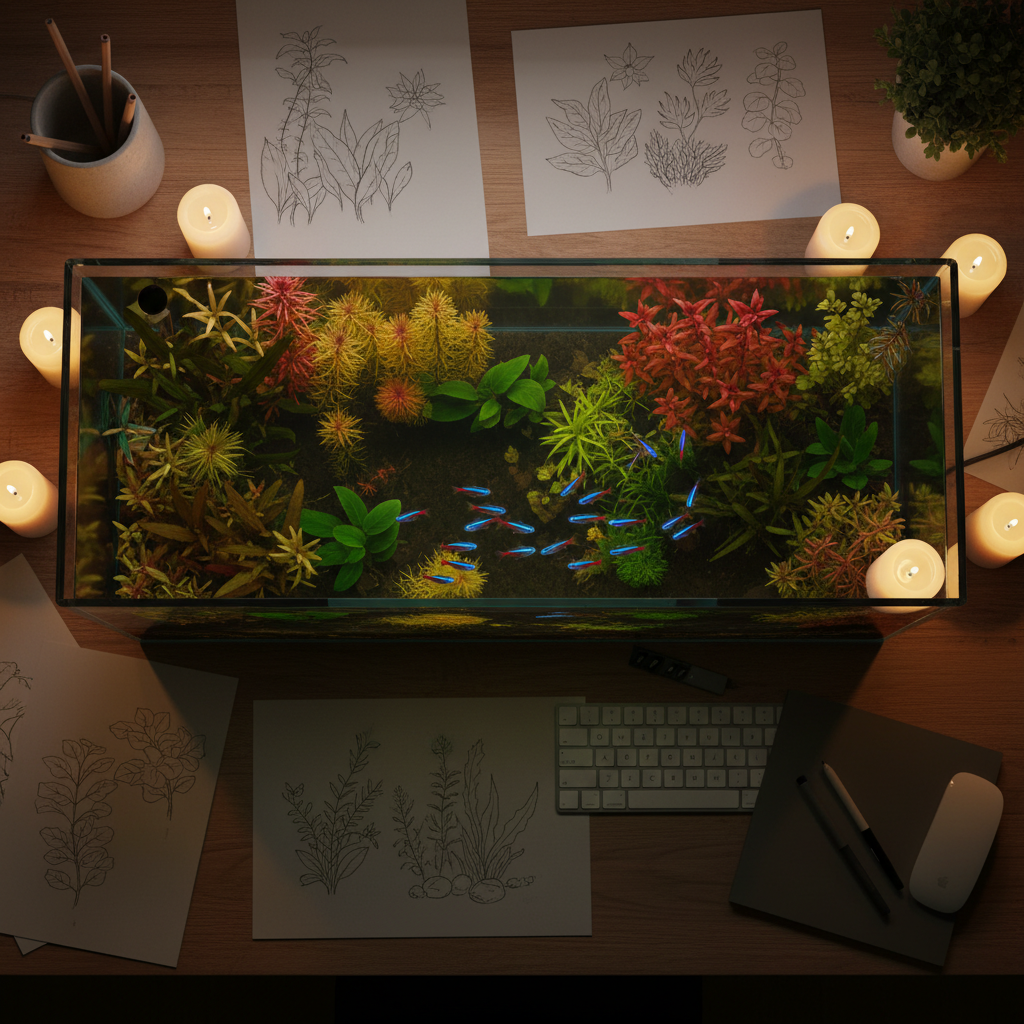
My journey with fish keeping is far from over. I’m constantly learning new things and experimenting with different setups. Currently, I’m working on a heavily planted aquarium with a focus on recreating a natural ecosystem. I’m also exploring the possibility of keeping more challenging species, such as wild-caught tetras and rare dwarf cichlids.
But regardless of what the future holds, I’ll always remember the lessons I’ve learned about fish compatibility. It’s a principle that extends far beyond the confines of an aquarium. It’s a reminder that harmony and balance are essential for any thriving community, whether it’s a group of fish, a family, or a society.
I often find myself reflecting on the parallels between the microcosm of my aquarium and the macrocosm of the world around us. Just as different species of fish require specific conditions to thrive, so too do different cultures and communities. Understanding and respecting these differences is crucial for creating a more peaceful and sustainable future.
And so, my aquatic adventures continue, fueled by a passion for learning, a commitment to responsible fish keeping, and a deep appreciation for the beauty and complexity of the natural world.
The Importance of Observation and Adaptation
While research provides a solid foundation, nothing beats careful observation of your fish. Their behavior is the best indicator of their well-being and the overall harmony of the tank. Are they actively swimming and exploring? Are they eating well? Are there any signs of aggression or stress, such as clamped fins, hiding excessively, or rapid breathing?
Be prepared to adapt your plans if necessary. Sometimes, even with the best research, a particular fish combination may not work out as expected. Don’t be afraid to rehome fish or rearrange the tank to create a more suitable environment. The key is to prioritize the well-being of your fish above all else.
And remember, fish keeping is a continuous learning process. There’s always something new to discover, whether it’s a new species of fish, a new aquascaping technique, or a new understanding of aquatic ecosystems. Embrace the challenge, stay curious, and enjoy the journey.
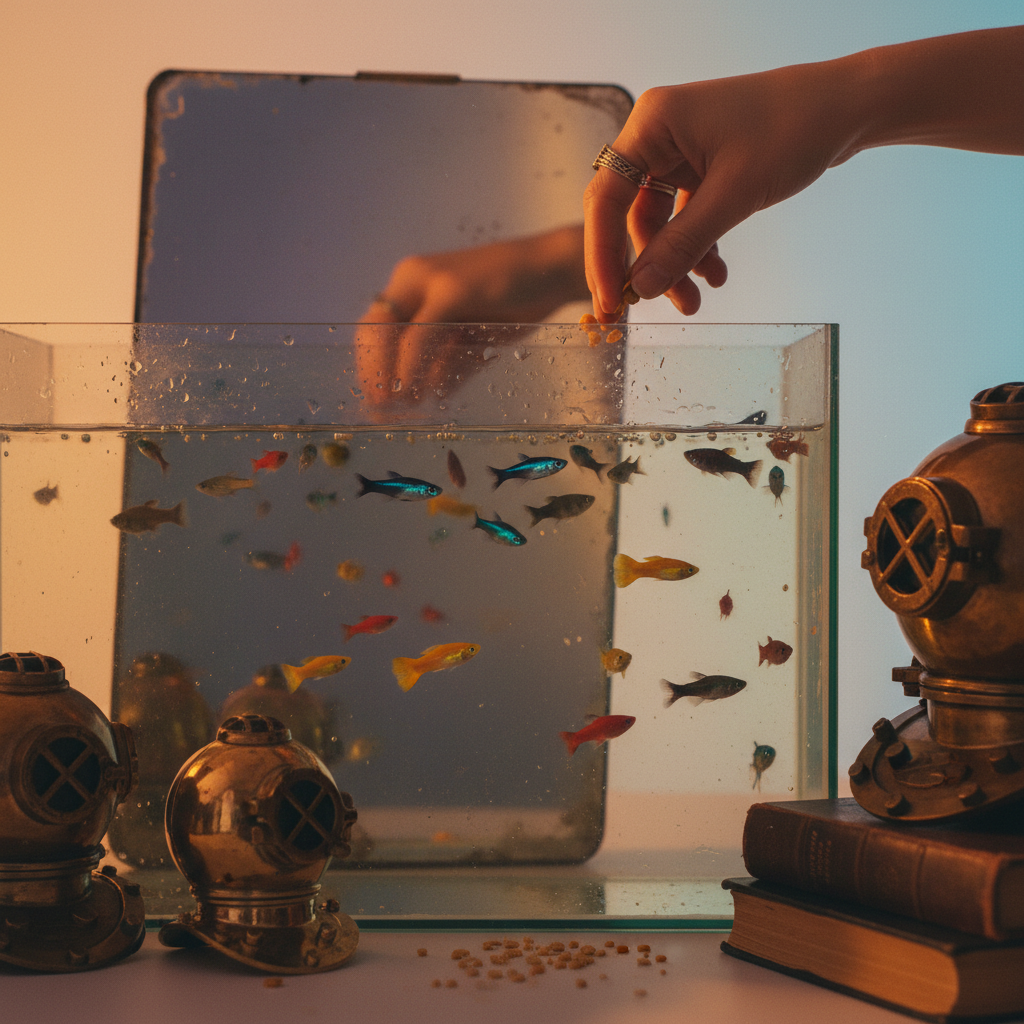
Ultimately, what I’ve learned about fish compatibility goes beyond just keeping certain species apart. It’s about understanding the delicate balance of an ecosystem, even a miniature one within a glass box. It’s about respecting the needs and behaviors of each individual creature. And it’s about constantly learning and adapting to create an environment where all inhabitants can thrive. The reward? A beautiful, peaceful, and thriving underwater world right in my living room – a constant reminder of the beauty and complexity of nature.
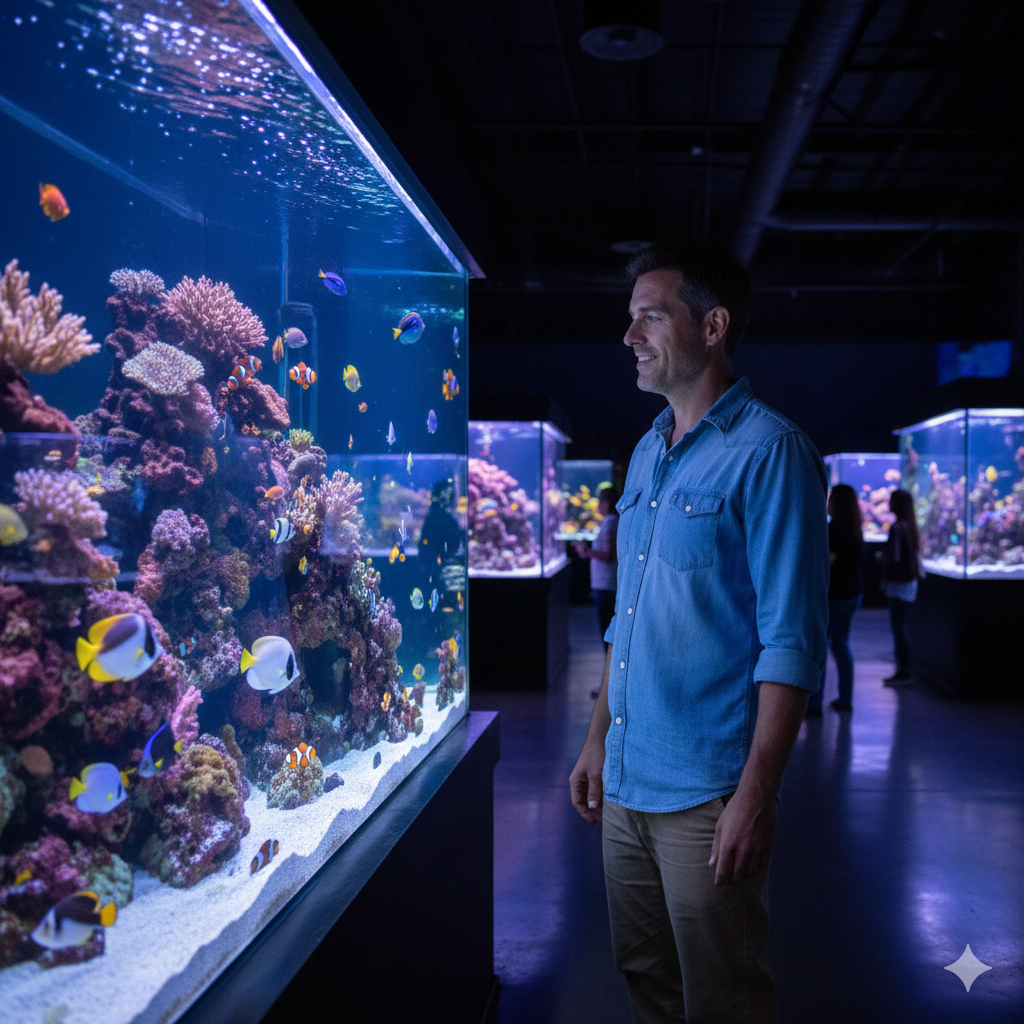
My name is Daniel Carter, I am 35 years old, and I live in the United States. I have been passionate about aquariums for many years, and what started as a simple hobby quickly became a lifelong interest in aquatic life, fish behavior, and responsible tank care.
Through TheBrightLance, I share real experiences, practical knowledge, and honest lessons learned from maintaining different types of aquariums. I enjoy testing equipment, studying fish behavior, improving maintenance routines, and helping beginners avoid common mistakes.
My goal is to make aquarism easier, more ethical, and more enjoyable for everyone — whether you are setting up your very first tank or looking to refine your techniques.