
My Algae Journey: A Decade of Battles and Lessons
If there’s one thing that’s been a constant companion in my aquascaping journey, it’s algae. For over a decade, I’ve battled, researched, and (sometimes begrudgingly) accepted its presence in my freshwater tanks. I’m Lucas Anderson, and I live in Orlando, Florida. I’ve always been fascinated by aquatic life, and that fascination turned into a full-blown hobby when I set up my first aquarium – a humble 10-gallon tank – over ten years ago. What I didn’t know then was that I was also setting myself up for a long and often frustrating relationship with the green, brown, and sometimes even black stuff that plagues aquarists everywhere: algae.
It wasn’t a glamorous start. My first tank was a disaster. Overfeeding, insufficient lighting, and a complete lack of understanding of the nitrogen cycle led to a pea-soup green explosion within weeks. I remember staring at the tank, completely bewildered. I’d followed all the instructions (or so I thought) from the pet store. Where had I gone wrong? The internet, in its early days, was my only real source of information, and sifting through the conflicting advice was a challenge in itself. Looking back, I realize that initial algae bloom was the best, albeit most painful, learning experience I could have had. It forced me to understand the delicate balance of an aquarium ecosystem and the critical role of proper maintenance.
The Early Battles: Green Water and Brown Diatoms
My initial foe was green water algae. That single-celled menace turned my crystal-clear water into an opaque soup in what seemed like overnight. Water changes did nothing. Algae killers promised quick fixes but ultimately just masked the underlying problem. I was stuck in a cycle of temporary relief followed by even more aggressive blooms. It wasn’t until I invested in a UV sterilizer that I finally gained control. The UV sterilizer zapped the free-floating algae, clearing the water within days. It felt like a miracle cure, but I also understood it was just a band-aid. The real problem was still there: an excess of nutrients and an imbalance in the tank.
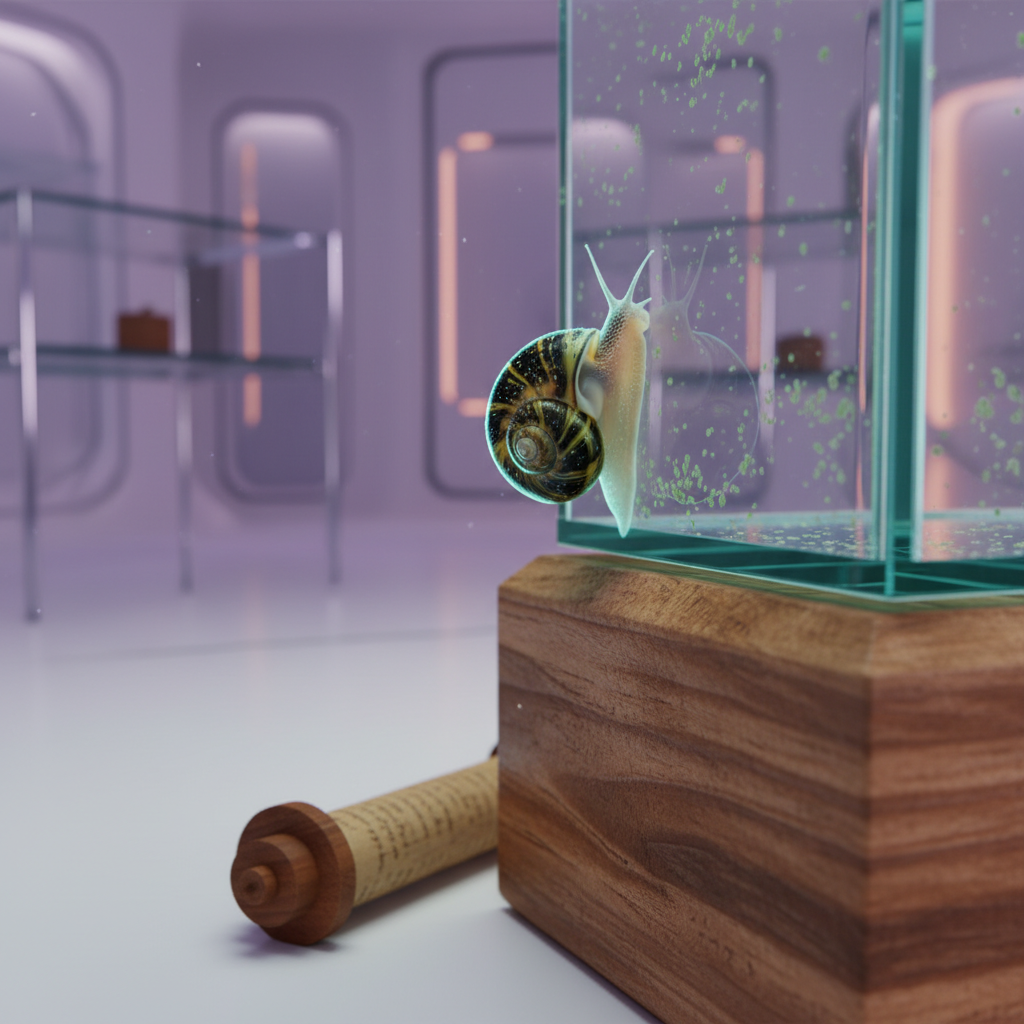
Then came the brown diatoms. These slimy brown algae coated everything in my tank – the glass, the decorations, even the plants. They were particularly prevalent in my newer tanks, and I quickly learned they were a sign of an immature ecosystem and high silicate levels. Fortunately, diatoms are relatively easy to deal with. Regular cleaning, increased water changes, and the introduction of algae-eating snails like Nerites helped keep them at bay. I also started using a silicate remover in my filter to further reduce their growth. It taught me that not all algae are created equal, and each type requires a different approach.
Understanding the Root Causes: Why Algae Thrives
Over the years, I’ve come to realize that algae isn’t just a problem; it’s a symptom. It’s a signal that something is out of balance in your aquarium. Treating the symptoms (i.e., killing the algae) without addressing the underlying causes is a recipe for perpetual frustration. So, what are those root causes? In my experience, they usually fall into a few key categories:
Light: Too Much, Too Little, or the Wrong Kind
Light is essential for plant growth, but it’s also the fuel for algae. Too much light, especially in a tank with high nutrient levels, is a surefire way to trigger an algae bloom. I learned this the hard way when I upgraded to a more powerful LED light fixture without adjusting the photoperiod. My plants loved it, but so did the algae. Now, I carefully monitor the intensity and duration of my lighting. I aim for a photoperiod of around 8-10 hours per day, and I adjust the intensity based on the needs of my plants and the overall health of the tank. But it’s not just about the amount of light; it’s also about the spectrum. Some types of algae thrive under specific wavelengths. That’s why I prefer full-spectrum LED lights that provide a balanced range of colors, which are beneficial for plant growth without excessively promoting algae.
Nutrients: The Double-Edged Sword
Nutrients, like nitrates and phosphates, are essential for plant growth. But when they accumulate in excess, they become a feast for algae. Overfeeding is a common culprit, as uneaten food decomposes and releases nutrients into the water. Inadequate filtration and infrequent water changes can also contribute to nutrient buildup. I used to be guilty of overfeeding, especially when I first started out. I thought I was being generous to my fish, but I was actually creating a breeding ground for algae. Now, I feed my fish sparingly, only what they can consume in a few minutes. I also perform regular water changes (about 25-50% per week) to remove excess nutrients and maintain water quality. And I invested in a high-quality filter with mechanical, chemical, and biological filtration to remove debris and break down waste.
Water Quality: The Foundation of a Healthy Aquarium
Poor water quality is a major contributor to algae problems. High ammonia, nitrite, and nitrate levels can stress fish and plants, making them more susceptible to disease and creating an environment that favors algae growth. Maintaining good water quality requires regular testing, proper filtration, and frequent water changes. I test my water parameters regularly using a liquid test kit. It’s more accurate than test strips and provides a more comprehensive picture of my water chemistry. I aim to keep ammonia and nitrite levels at zero, and nitrate levels below 20 ppm. If I notice any spikes in these parameters, I immediately take corrective action, such as performing a large water change or adjusting my feeding schedule.
The Algae Eaters: My Secret Weapon
While controlling light, nutrients, and water quality is crucial, I also rely on a team of algae eaters to keep my tanks clean. These aquatic herbivores graze on algae, helping to keep it in check and maintaining a balanced ecosystem. However, it’s important to choose the right algae eaters for your tank, considering the size of your aquarium, the types of algae you’re dealing with, and the temperament of your other fish.
Snails: The Silent Cleaners
Snails are some of the most effective and low-maintenance algae eaters. Nerite snails are my personal favorite. They’re voracious algae eaters that consume a wide variety of algae, including green spot algae, diatoms, and even some types of hair algae. They also don’t reproduce in freshwater, so you won’t have to worry about a snail infestation. Ramshorn snails are another good option, especially for smaller tanks. They’re smaller than Nerites and eat a variety of algae and detritus. However, they can reproduce quickly if there’s an abundance of food. Mystery snails are larger and more colorful, but they’re not as efficient algae eaters as Nerites or Ramshorns. They primarily feed on detritus and leftover food.
Shrimp: The Tiny Algae Hunters
Shrimp are another excellent addition to an algae-eating crew. Amano shrimp are particularly effective at consuming hair algae. They’re relatively large (for shrimp) and have a voracious appetite. Cherry shrimp are smaller and more colorful, but they also eat algae and detritus. They’re a great option for smaller tanks. However, it’s worth noting that shrimp are sensitive to water quality, so it’s important to maintain stable water parameters. Also, some fish may prey on shrimp, so choose tank mates carefully.
Fish: The Dedicated Algae Grazer
Certain fish species are also known for their algae-eating habits. Otocinclus catfish are small, peaceful fish that graze on diatoms and other soft algae. They’re a great addition to community tanks, but they require well-established tanks with plenty of algae to feed on. Siamese algae eaters are another popular choice. They’re more active and can consume a wider variety of algae, including hair algae and black beard algae (BBA). However, they can grow quite large (up to 6 inches) and may become aggressive towards other fish as they mature. Plecos are often recommended as algae eaters, but they’re not always the best choice. Common plecos can grow very large (over a foot long) and produce a lot of waste. They also tend to become lazy algae eaters as they mature and may start to feed on plants and other decorations. Bushy nose plecos are a better option. They stay smaller and are more dedicated algae eaters.

The Stubborn Algae: Black Beard Algae (BBA) and Hair Algae
Despite my best efforts, some types of algae have proven to be particularly challenging to eradicate. Black beard algae (BBA) and hair algae are two of the most persistent and frustrating algae to deal with. These algae can quickly take over a tank, smothering plants and creating an unsightly mess.
Black Beard Algae (BBA): The Persistent Pest
Black beard algae (BBA) is a type of red algae that appears as dark, bristly tufts on plants, decorations, and even the glass. It’s notoriously difficult to get rid of, and it often returns even after treatment. BBA is usually a sign of fluctuating CO2 levels, poor water circulation, or an imbalance in nutrients. The best way to combat BBA is to address the underlying causes. Improve water circulation by adding a powerhead or adjusting your filter output. Stabilize CO2 levels by using a CO2 injection system or by adding liquid carbon supplements. Spot treat affected areas with hydrogen peroxide or liquid carbon. You can also try removing affected leaves or decorations from the tank. In extreme cases, you may need to remove and sterilize the entire tank.
Hair Algae: The Tangled Terror
Hair algae is a type of green algae that forms long, stringy strands. It can quickly spread throughout the tank, entangling plants and decorations. Hair algae is often caused by an excess of nutrients, especially nitrates and phosphates, and inadequate CO2 levels. To control hair algae, reduce nutrient levels by performing regular water changes and reducing feeding. Increase CO2 levels by using a CO2 injection system or by adding liquid carbon supplements. Manually remove hair algae by twirling it around a toothbrush or siphon. Introduce algae-eating shrimp, such as Amano shrimp, which are particularly fond of hair algae.
Prevention is Key: Long-Term Algae Control
While dealing with algae outbreaks is a part of the aquascaping experience, the best approach is to prevent them from happening in the first place. By maintaining a balanced ecosystem and following a few simple guidelines, you can minimize the risk of algae problems and keep your tank looking its best.
Regular Maintenance: The Foundation of a Healthy Tank
Regular maintenance is the key to preventing algae outbreaks. This includes performing regular water changes, cleaning the substrate, trimming plants, and cleaning the filter. Water changes remove excess nutrients and maintain water quality. Cleaning the substrate removes accumulated debris and prevents the buildup of anaerobic bacteria. Trimming plants removes dead or dying leaves that can contribute to algae growth. Cleaning the filter ensures that it’s functioning properly and removing waste effectively. I’ve found that being proactive with maintenance has paid off tenfold in the long run. Spending a little time each week on these tasks saves me from having to deal with major algae problems down the road.
Plant Health: A Thriving Ecosystem
Healthy plants compete with algae for nutrients and light, helping to keep algae in check. Ensure that your plants are receiving adequate light, nutrients, and CO2. Choose plants that are appropriate for your tank size and water parameters. Provide plants with the necessary fertilizers and supplements. Monitor plant health regularly and address any deficiencies or problems promptly. I focus on creating a balanced ecosystem where plants thrive. This not only makes the tank look beautiful but also naturally suppresses algae growth.
Quarantine New Additions: Preventing Introductions
Before adding any new plants or fish to your tank, quarantine them in a separate tank for a few weeks. This will give you a chance to observe them for any signs of disease or algae. It will also prevent you from introducing any unwanted hitchhikers into your main tank. I learned this lesson the hard way after introducing a new plant that was covered in BBA. It took me months to eradicate the BBA from my tank. Now, I always quarantine new additions and thoroughly inspect them for any signs of problems.

My Biggest Algae Mistakes (and How I Fixed Them)
Over the years, I’ve made my fair share of mistakes when it comes to dealing with algae. Here are a few of my biggest blunders and how I learned from them:
- Overfeeding: As I mentioned earlier, overfeeding was one of my biggest mistakes. I thought I was being generous to my fish, but I was actually creating a breeding ground for algae. I fixed this by reducing my feeding schedule and only feeding my fish what they could consume in a few minutes.
- Insufficient Lighting: In my early days, I underestimated the importance of proper lighting. I used to use cheap, inadequate lights that didn’t provide enough light for my plants. This resulted in stunted plant growth and algae blooms. I upgraded to high-quality LED lights that provide a full spectrum of light and adjusted the photoperiod to 8-10 hours per day.
- Ignoring Water Changes: I used to be inconsistent with my water changes. I would sometimes go weeks without changing the water, which led to a buildup of nutrients and algae problems. Now, I perform regular water changes (about 25-50% per week) to remove excess nutrients and maintain water quality.
- Using Algae Killers as a Primary Solution: I initially relied on algae killers as a quick fix for algae problems. While they provided temporary relief, they didn’t address the underlying causes and often led to even more aggressive blooms. I learned that algae killers should only be used as a last resort and that addressing the root causes of algae growth is the most effective long-term solution.
The Zen of Algae: Accepting a Little Green
After years of battling algae, I’ve come to a somewhat surprising conclusion: a little bit of algae is okay. In fact, it can even be beneficial. Algae provides a food source for algae-eating snails and shrimp. It also helps to oxygenate the water and remove excess nutrients. A completely sterile tank is not a natural tank. A healthy aquarium is a balanced ecosystem, and a small amount of algae is a natural part of that ecosystem. Of course, excessive algae growth is still a problem, but I no longer strive for a completely algae-free tank. I’ve learned to accept a little green, and I focus on maintaining a healthy and balanced ecosystem where algae is kept in check naturally. It’s about striving for balance, not perfection. It’s about understanding the needs of my plants and fish and creating an environment where they can thrive, with just a touch of green to remind me that it’s a living, breathing ecosystem.

My journey with algae has been a long and winding road, filled with frustrations, setbacks, and occasional triumphs. But it’s also been a valuable learning experience. It’s taught me the importance of understanding the delicate balance of an aquarium ecosystem, the critical role of proper maintenance, and the value of patience and perseverance. And perhaps most importantly, it’s taught me to appreciate the beauty and resilience of nature, even in its most unwelcome forms. So, embrace the challenge, learn from your mistakes, and remember that even the most experienced aquarists have to deal with algae from time to time. Keep learning, keep experimenting, and most importantly, keep enjoying the journey.
My name is Daniel Carter, I am 35 years old, and I live in the United States. I have been passionate about aquariums for many years, and what started as a simple hobby quickly became a lifelong interest in aquatic life, fish behavior, and responsible tank care.
Through TheBrightLance, I share real experiences, practical knowledge, and honest lessons learned from maintaining different types of aquariums. I enjoy testing equipment, studying fish behavior, improving maintenance routines, and helping beginners avoid common mistakes.
My goal is to make aquarism easier, more ethical, and more enjoyable for everyone — whether you are setting up your very first tank or looking to refine your techniques.