
Decoding the Silent Language of Fish: When Something’s Not Right
After a decade immersed in the mesmerizing world of freshwater aquariums, I’ve learned that fish are surprisingly communicative creatures. They might not speak our language, but they have a way of telling you when things are amiss – you just need to know how to listen, or rather, how to *see*.
I’m Lucas Anderson, and for the past ten years, my Orlando home has been a sanctuary not just for me, but for a diverse community of freshwater fish. I’ve kept everything from the humble neon tetra to the majestic angelfish, and along the way, I’ve encountered my fair share of aquatic emergencies. These experiences have taught me that early detection is key. The sooner you recognize that something is wrong, the better your chances of correcting the issue and saving your finned friends.
So, what do I do when my fish start acting strange? The answer isn’t simple, but it boils down to a systematic approach. I become a detective, carefully observing, analyzing, and adjusting until I uncover the root cause of the problem. Let me walk you through my process. Maybe it will help you troubleshoot your own tank issues.
The First Line of Defense: Observation
Before I even think about medications or elaborate interventions, I take a long, hard look at my tank. This isn’t just a casual glance; it’s a focused, deliberate observation period. I look for anything out of the ordinary. Are the fish behaving differently? Is the water crystal clear, or is it cloudy? Are the plants thriving, or are they showing signs of distress? The devil is in the details.
Here’s what I specifically look for:
- Appearance: Are there any visible signs of disease? This includes things like white spots (ich), clamped fins, fin rot, bulging eyes, or unusual growths. Look closely, because some symptoms are subtle.
- Behavior: Are the fish swimming normally? Are they eating with their usual enthusiasm? Are they schooling together, or are they isolating themselves? Are they scratching against objects in the tank? Are they gasping at the surface? All these behaviors can be indicators of underlying problems.
- Tank Environment: What’s the overall condition of the tank? Is there excessive algae growth? Is the substrate clean, or is it covered in detritus? Is the water clear, or is it cloudy or discolored? Are the plants healthy, or are they showing signs of nutrient deficiencies?
I remember one time when my school of rummy-nose tetras started acting strangely. They were usually active and brightly colored, but suddenly they became lethargic and their noses lost their vibrant red hue. At first, I dismissed it as a minor issue, but after a day of careful observation, I noticed that they were also scratching against the decorations in the tank. This was a clear sign of parasites, and I was able to treat them successfully before the problem escalated.

The Sherlock Holmes Phase: Water Parameter Analysis
After my initial observation, the next step is to delve into the chemistry of the tank. Water parameters are the foundation of a healthy aquarium, and imbalances can quickly lead to problems for your fish. I use a reliable test kit to measure the following parameters:
- Ammonia: This is a toxic waste product produced by fish. Ideally, ammonia levels should be at zero.
- Nitrite: This is another toxic waste product that is converted from ammonia by beneficial bacteria. Nitrite levels should also be at zero.
- Nitrate: This is the final product of the nitrogen cycle and is less toxic than ammonia and nitrite. However, high levels of nitrate can still be harmful to fish. I aim to keep my nitrate levels below 20 ppm.
- pH: This measures the acidity or alkalinity of the water. Most freshwater fish thrive in a pH range of 6.5 to 7.5.
- Temperature: Maintaining the correct temperature is crucial for fish health. Different species have different temperature requirements, so it’s important to research the specific needs of your fish.
I can’t stress enough the importance of regular water testing. It’s like getting a blood test for your fish. It provides valuable information about their health and helps you identify potential problems before they become serious. I test my water weekly, and more frequently if I suspect a problem.
I recall a situation where my angelfish started exhibiting clamped fins and a loss of appetite. My initial visual inspection didn’t reveal any obvious signs of disease. However, when I tested the water, I discovered that the ammonia levels were slightly elevated. This was likely due to a buildup of uneaten food and fish waste. I immediately performed a large water change and increased the frequency of my gravel vacuuming. Within a few days, the angelfish had recovered completely.
The Ecosystem Check-Up: Filter and Equipment Inspection
Once I’ve ruled out obvious water parameter issues, I turn my attention to the tank’s life support systems: the filter and other essential equipment.
The filter is the heart of your aquarium. It removes waste products and keeps the water clean and healthy. I make sure that my filter is functioning properly and that it’s not clogged with debris. I also check the filter media to ensure that it’s still effective. Over time, filter media can become saturated with waste and lose its ability to remove toxins. I replace my filter media regularly according to the manufacturer’s instructions.
Other essential equipment includes the heater, air pump, and lighting system. I check the heater to make sure that it’s maintaining the correct temperature. I also check the air pump to ensure that it’s providing adequate oxygenation. The lighting system is important for plant growth, so I make sure that the lights are working properly and that they’re providing the appropriate spectrum of light.
One time, I had a mysterious outbreak of algae in my tank. I tried everything to get rid of it, but nothing seemed to work. Finally, I realized that my lighting system was malfunctioning. The timer was stuck, and the lights were staying on for 24 hours a day. This was providing the algae with an endless supply of energy, allowing it to thrive. Once I fixed the timer, the algae problem quickly resolved itself.
The Dietary Review: What Are They Eating?
Diet plays a critical role in the health and well-being of fish. A balanced diet provides them with the nutrients they need to grow, thrive, and resist disease. I feed my fish a variety of high-quality foods, including flake food, pellets, frozen food, and live food. I also supplement their diet with vegetables, such as blanched zucchini and spinach.
I avoid overfeeding my fish, as this can lead to water quality problems. I only give them as much food as they can eat in a few minutes. I also remove any uneaten food from the tank to prevent it from decomposing and polluting the water.
Sometimes, a change in behavior can be traced back to a dietary deficiency. I once noticed that my corydoras catfish were becoming increasingly lethargic and their barbels (the sensory whiskers around their mouths) were starting to erode. After researching the problem, I realized that they were not getting enough protein in their diet. I started supplementing their diet with protein-rich sinking pellets, and their condition quickly improved.

The Stress Factor: Identifying and Eliminating Stressors
Stress can weaken a fish’s immune system and make them more susceptible to disease. It’s important to identify and eliminate any stressors in the tank.
Common stressors include:
- Poor water quality: High levels of ammonia, nitrite, or nitrate can stress fish.
- Overcrowding: Too many fish in a small tank can lead to stress.
- Aggression: Bullying or harassment from other fish can stress fish.
- Sudden changes in water parameters: Rapid changes in temperature, pH, or salinity can stress fish.
- Loud noises or vibrations: These can startle and stress fish.
I try to create a calm and stable environment for my fish. I perform regular water changes to maintain good water quality. I avoid overcrowding the tank. I monitor the fish for signs of aggression and separate any bullies. I acclimate new fish slowly to avoid sudden changes in water parameters. And I keep the tank away from loud noises and vibrations.
I had a situation where my new dwarf gourami was constantly hiding and refusing to eat. I couldn’t figure out what was wrong until I realized that my daughter’s hamster cage was located right next to the aquarium. The hamster was constantly running on its wheel, creating vibrations that were stressing the gourami. Once I moved the hamster cage, the gourami started to come out of hiding and began eating normally.
The Quarantine Protocol: Isolating the Sick
If I suspect that a fish is sick, I immediately isolate it in a quarantine tank. This prevents the disease from spreading to the other fish in the main tank. A quarantine tank doesn’t need to be fancy; a simple 10-gallon tank with a filter, heater, and air stone will suffice.
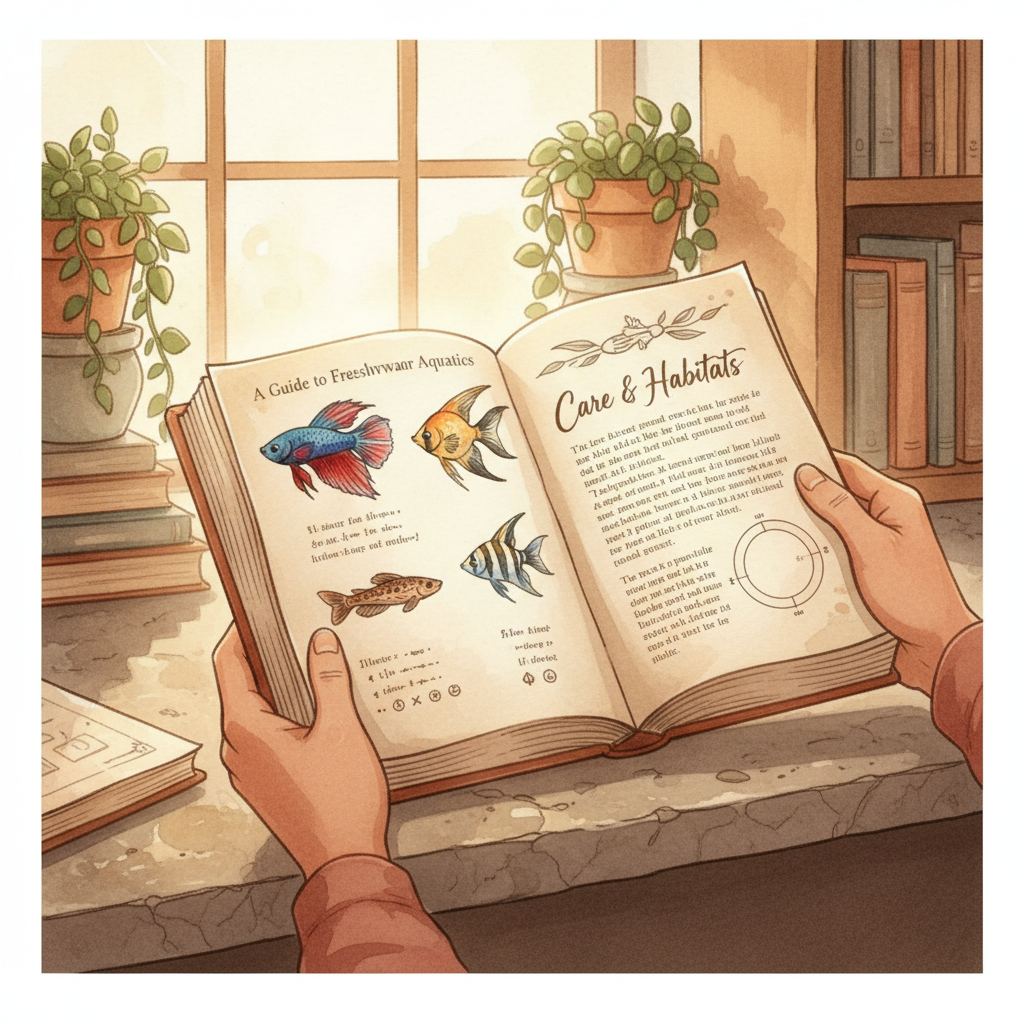
I observe the sick fish closely to determine the cause of the illness. I use a reliable fish disease diagnosis guide to help me identify the symptoms. Once I’ve diagnosed the problem, I treat the fish with the appropriate medication. I follow the manufacturer’s instructions carefully and monitor the fish closely for any side effects.
I always quarantine new fish for at least two weeks before introducing them to the main tank. This allows me to observe them for any signs of disease and prevent the introduction of parasites or pathogens into my established aquarium. It’s a hassle, but it’s a small price to pay to protect the health of my entire fish community.
The Power of Research: Never Stop Learning
The world of aquariums is constantly evolving, and there’s always something new to learn. I’m a voracious reader, and I spend hours researching different fish species, diseases, and treatments. I also participate in online aquarium forums and talk to other experienced hobbyists. The more you know, the better equipped you’ll be to deal with any challenges that come your way.
There have been countless times when I’ve been stumped by a particular problem, only to find the answer through online research or by talking to another aquarist. Don’t be afraid to ask for help. The aquarium community is generally very supportive and willing to share their knowledge and experience.
The Patience Game: Give It Time
Sometimes, even after you’ve done everything right, it takes time for fish to recover. Be patient and don’t give up. Continue to monitor the fish closely and make any necessary adjustments to the tank environment. With proper care and attention, most fish will eventually bounce back.
I’ve had situations where fish have been sick for weeks, and I’ve almost given up hope. But I’ve learned that perseverance is key. As long as the fish is still eating and showing some signs of life, there’s always a chance of recovery. Keep the water clean, provide a comfortable environment, and let nature take its course.
Case Study: The Mystery of the Disappearing Tetras
Let me share a specific example of how I applied this process to solve a problem in my own tank. A few years ago, I had a thriving community tank with a large school of neon tetras. One day, I noticed that the tetras were starting to disappear. At first, I thought they might be hiding, but as the days went by, more and more tetras vanished without a trace.
My initial observation didn’t reveal any obvious clues. The remaining tetras seemed healthy and active. The water was clear, and there were no signs of disease.
Next, I tested the water parameters. Everything was within normal range. Ammonia, nitrite, and nitrate levels were all low, and the pH was stable.
I then inspected the filter and equipment. The filter was functioning properly, and the heater was maintaining the correct temperature.
I reviewed the fish’s diet. They were being fed a variety of high-quality foods, and I wasn’t overfeeding them.
I considered the possibility of stressors. The tank was not overcrowded, and there were no signs of aggression. The tank was located in a quiet area, away from loud noises and vibrations.
I was stumped. I couldn’t figure out what was causing the tetras to disappear.
Finally, after days of searching, I found the culprit. It was a single, large crayfish that had somehow managed to sneak into the tank. The crayfish was hiding under a rock during the day and coming out at night to hunt the tetras. Once I removed the crayfish, the tetras stopped disappearing.
This experience taught me the importance of thorough investigation. Even when you think you’ve ruled out all the possibilities, there may still be something lurking in the shadows.

The Ongoing Journey: A Constant State of Learning and Adaptation
Keeping fish isn’t just a hobby; it’s a continuous learning experience. There will be times when you feel like you know everything, and then something unexpected will happen that throws you for a loop. The key is to embrace the challenge, stay curious, and never stop learning. And remember, even the most experienced aquarists make mistakes. The important thing is to learn from those mistakes and use them to become a better fish keeper.
So, the next time your fish start acting strange, don’t panic. Take a deep breath, put on your detective hat, and start investigating. With a little bit of observation, analysis, and patience, you’ll be able to uncover the root cause of the problem and restore your tank to its former glory. It’s a rewarding journey, filled with challenges and triumphs, but the mesmerizing beauty and tranquility of a healthy aquarium make it all worthwhile. And who knows, maybe you’ll even learn a thing or two about yourself along the way.
My name is Daniel Carter, I am 35 years old, and I live in the United States. I have been passionate about aquariums for many years, and what started as a simple hobby quickly became a lifelong interest in aquatic life, fish behavior, and responsible tank care.
Through TheBrightLance, I share real experiences, practical knowledge, and honest lessons learned from maintaining different types of aquariums. I enjoy testing equipment, studying fish behavior, improving maintenance routines, and helping beginners avoid common mistakes.
My goal is to make aquarism easier, more ethical, and more enjoyable for everyone — whether you are setting up your very first tank or looking to refine your techniques.