
Understanding Fish Behavior: A Window into Their World
Hey everyone, Lucas here! For over a decade, I’ve been completely immersed in the world of aquariums. What started as a simple curiosity quickly turned into a full-blown passion. And honestly, nothing excites me more than sharing what I’ve learned with fellow hobbyists, especially those just starting out. One of the most crucial, yet often overlooked, aspects of keeping fish is understanding their behavior. It’s not just about pretty colors and graceful movements; it’s about learning to read the subtle cues that tell you whether your fish are thriving or struggling.
Think of it like this: we humans use language to communicate our needs and feelings. Fish, on the other hand, communicate through their behavior. By paying close attention, you can decipher their “language” and gain valuable insights into their well-being. Are they eating properly? Are they stressed? Are they getting along with their tank mates? The answers to these questions are all there, waiting to be discovered in their actions.
I remember when I first started out, I was so focused on the aesthetics – the perfect plants, the coolest decorations – that I completely missed the signs that my fish were unhappy. I had a group of Corydoras catfish that were constantly hiding and seemed listless. I thought they were just shy! It wasn’t until I did some serious research that I realized they were stressed because the substrate was too rough for their sensitive barbels. A simple change in substrate made a world of difference. They became much more active and engaged, and it was all because I finally started paying attention to their behavior.
Why Fish Behavior Matters
So, why is understanding fish behavior so important? Well, for starters, it’s the key to maintaining a healthy and happy aquarium. When you can recognize signs of stress or illness early on, you can take proactive steps to address the problem before it escalates. This can save you a lot of heartache (and money!) in the long run.
Beyond preventing problems, understanding fish behavior allows you to create a more enriching environment for your aquatic companions. Different species have different needs and preferences. Some prefer heavily planted tanks with plenty of hiding places, while others thrive in open water with strong currents. By observing their behavior, you can tailor your aquarium to meet their specific needs, creating a space where they can truly flourish.
Moreover, observing your fish’s behavior is simply fascinating! It allows you to connect with them on a deeper level and appreciate their unique personalities. Each fish has its own quirks and habits, and it’s a joy to watch them interact with their environment and each other. It transforms your aquarium from a mere decoration into a living, breathing ecosystem that you can learn from and enjoy.
Common Fish Behaviors and Their Meanings
Okay, let’s dive into some specific behaviors and what they might indicate. Keep in mind that these are general guidelines, and the specific meaning of a behavior can vary depending on the species of fish and the overall context of the aquarium.
Feeding Habits
One of the first things you should pay attention to is how your fish eat. A healthy fish will typically have a good appetite and will actively seek out food. If a fish suddenly stops eating or shows a lack of interest in food, it could be a sign of illness, stress, or poor water quality.
For example, I once had a school of Neon Tetras that suddenly stopped eating. At first, I thought it was just a temporary thing, but then I noticed they were also clamped their fins (holding them close to their bodies). A quick water test revealed a spike in ammonia. A water change and some aquarium salt quickly resolved the issue, and they were back to their normal, gluttonous selves in no time. The key was recognizing the change in their feeding behavior and acting quickly.
Also, pay attention to how your fish interact with food. Are they competing aggressively for food, or are they peacefully sharing? Excessive aggression can be a sign of overcrowding or inadequate feeding. On the other hand, if a fish is being bullied and prevented from eating, it could be a sign that it’s not compatible with its tank mates.
Swimming Patterns
The way a fish swims can also tell you a lot about its well-being. Healthy fish typically swim with smooth, graceful movements. They should be active and curious, exploring their environment and interacting with their tank mates. However, if a fish is swimming erratically, struggling to stay upright, or constantly hiding at the bottom of the tank, it could be a sign of a problem.
For instance, gasping at the surface is a classic sign of oxygen deprivation. This could be caused by overcrowding, poor water circulation, or a lack of aeration. Similarly, flashing (rubbing against objects in the tank) is often a sign of parasites or skin irritation. If you notice your fish flashing, it’s important to investigate further and take appropriate action to treat the underlying cause.
Social Interactions
Fish are social creatures, and their interactions with each other can provide valuable insights into their well-being. Some species are highly social and thrive in schools, while others are more solitary and prefer to be alone. Understanding the natural social behavior of your fish is crucial for creating a harmonious aquarium environment.
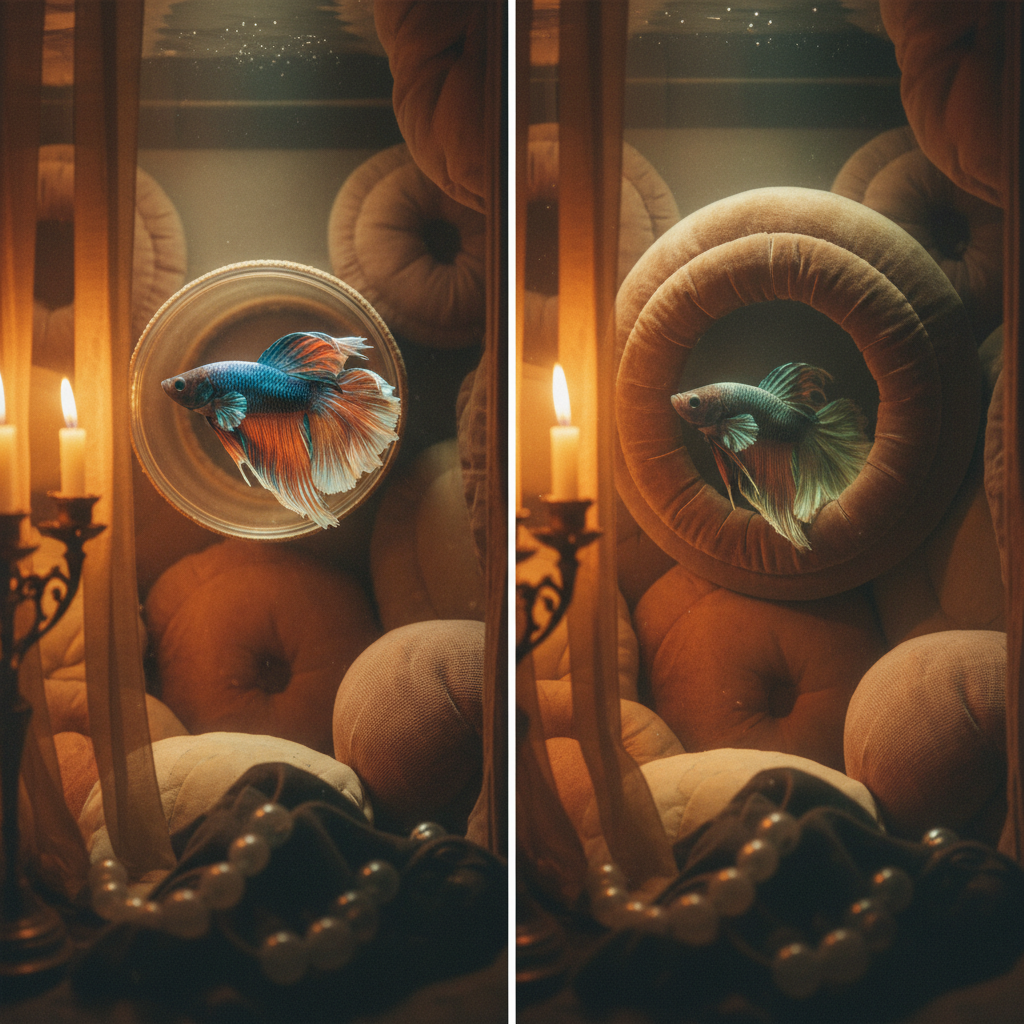
For example, keeping a single Betta fish in a community tank can be a recipe for disaster. Bettas are known for their aggressive nature, and they can easily stress out or even kill other fish. On the other hand, keeping a school of Neon Tetras in too small of a tank can lead to stress and aggression due to overcrowding. It’s all about understanding the needs of your fish and providing them with an environment that allows them to thrive.
Pay attention to any signs of bullying or aggression in your tank. Are certain fish constantly chasing or nipping at others? Are some fish being excluded from the group? These behaviors can indicate that there’s a problem with tank dynamics and that you may need to re-arrange the tank, add more hiding places, or even re-home some of the fish.
Coloration
While not strictly a “behavior,” changes in a fish’s coloration can often be a sign of stress or illness. Healthy fish typically have vibrant, bright colors. If a fish’s colors start to fade or become dull, it could be an indication that something is wrong.
For example, stress can often cause fish to lose their color. This is especially common in newly introduced fish, as they adjust to their new environment. However, if a fish’s colors remain faded for an extended period of time, it could be a sign of a more serious problem, such as poor water quality or disease.
Certain diseases can also cause specific changes in coloration. For instance, Ich (white spot disease) is characterized by the appearance of small white spots on the fish’s body and fins. Similarly, fungal infections can cause cotton-like growths on the fish’s skin. By paying close attention to your fish’s coloration, you can often detect these problems early on and take steps to treat them before they become life-threatening.
Case Studies: Real-Life Examples
Let me share a few more examples from my own experiences to illustrate how understanding fish behavior can make a real difference.
The Case of the Mysterious Shaking
I once had a group of Harlequin Rasboras that started exhibiting a strange shaking behavior. They would twitch and jerk their bodies, almost as if they were having a seizure. I was initially baffled. The water parameters were perfect, they were eating well, and there were no visible signs of disease. After doing some research and observing their behavior closely, I realized that they were only shaking when the lights were turned on or when there was a sudden change in light intensity. It turned out that they were sensitive to bright light. By dimming the lights and providing more shaded areas in the tank, I was able to eliminate the shaking behavior and create a more comfortable environment for them.
The Case of the Disappearing Shrimp
I also had a planted tank with a thriving population of Cherry Shrimp. One day, I noticed that the shrimp population was dwindling rapidly. I couldn’t figure out what was going on. There were no signs of disease, and the water parameters were perfect. Then, I started observing my fish more closely. I had a group of small Tetras in the tank, and I noticed that they were occasionally nipping at the shrimp. It turned out that the Tetras were eating the baby shrimp! While the adult shrimp were too large for them to eat, the tiny baby shrimp were an easy target. I ended up moving the shrimp to a separate tank to allow them to breed in peace, and the population quickly rebounded.

Practical Tips for Observing Fish Behavior
Okay, so how can you become a better observer of fish behavior? Here are some practical tips that I’ve found helpful over the years.
Spend Time Observing Your Fish
This may seem obvious, but the most important thing is to simply spend time watching your fish. Don’t just glance at your tank for a few seconds and then walk away. Set aside some time each day to sit and observe your fish closely. Pay attention to their feeding habits, swimming patterns, social interactions, and coloration. The more time you spend observing them, the better you’ll become at recognizing subtle changes in their behavior.
Keep a Journal
I know it sounds a bit nerdy, but keeping a journal can be a really helpful way to track your fish’s behavior. Write down any observations you make, such as changes in their feeding habits, swimming patterns, or coloration. Note any signs of stress or illness. Over time, you’ll start to see patterns and trends that you might have missed otherwise. This can be invaluable for diagnosing problems early on and preventing them from escalating.
Learn About Your Fish
Different species of fish have different behaviors and needs. Before you bring any new fish home, take the time to research their specific requirements. Learn about their natural habitat, their social behavior, their feeding habits, and their susceptibility to disease. The more you know about your fish, the better equipped you’ll be to provide them with a healthy and enriching environment.
Consider Tank Setup and Environment
I cannot stress enough how much the tank setup and environment affect fish behavior. Overcrowding is a huge problem I see too often. Make sure you’ve done your research on the bioload of the fish you plan to keep and that you have adequate filtration. Water quality is paramount, and a happy fish is one that is swimming in a clean, healthy environment. Also, consider the aquascaping – are there plenty of hiding places? Are the plants appropriate for the species? Are the decorations safe?
Don’t Overreact
Finally, it’s important not to overreact to every little change in your fish’s behavior. Fish can be sensitive creatures, and they can sometimes exhibit strange behaviors for no apparent reason. Before you start tearing apart your tank or reaching for the medication, take a deep breath and observe your fish for a few days. If the behavior persists or if you notice any other signs of illness, then it’s time to take action. But sometimes, a little patience is all that’s needed.
Advanced Techniques: Beyond the Basics
Once you’ve mastered the basics of observing fish behavior, you can start exploring some more advanced techniques.
Understanding Fish Communication
Fish communicate with each other in a variety of ways, including visual signals, chemical signals, and even sound. By learning to recognize these signals, you can gain a deeper understanding of your fish’s social interactions. For example, some fish use specific body postures or fin movements to signal aggression or submission. Others release pheromones into the water to attract mates or warn of danger. While it can be challenging to interpret these signals, it’s a fascinating area of study that can greatly enhance your understanding of fish behavior.
Using Technology to Monitor Fish Behavior
In recent years, there has been a growing interest in using technology to monitor fish behavior. There are now a variety of devices available that can track fish movements, feeding habits, and even stress levels. These devices can provide valuable insights into your fish’s well-being and can help you to detect problems early on. For example, some devices use infrared sensors to track fish movements and identify changes in their activity levels. Others use sensors to measure the fish’s heart rate or respiration rate, which can be indicators of stress. While these technologies are still relatively new, they have the potential to revolutionize the way we care for our fish.

The Ethical Considerations
It’s crucial to remember that keeping fish is a responsibility, not just a hobby. Their well-being should always be our top priority. Here are some ethical considerations to keep in mind.
Appropriate Tank Size
As I mentioned before, adequate tank size is fundamental. Overcrowding leads to stress, disease, and ultimately, a shortened lifespan. Do your research and ensure your tank is appropriately sized for the species you wish to keep.
Water Quality and Maintenance
Maintaining pristine water quality is non-negotiable. Regular water changes, proper filtration, and careful monitoring of water parameters are essential for the health and well-being of your fish. Neglecting water quality is a form of animal cruelty.
Enrichment and Stimulation
Fish are intelligent creatures that require enrichment and stimulation to thrive. Provide them with a varied and stimulating environment, including plants, decorations, and tank mates that are compatible with their needs. Avoid barren tanks that offer no opportunity for exploration or interaction.
Responsible Sourcing
Be mindful of where you purchase your fish. Support reputable breeders and retailers who prioritize the ethical treatment of animals. Avoid purchasing fish that have been wild-caught, as this can contribute to the decline of wild populations.
Final Thoughts: A Lifelong Journey of Learning
Understanding fish behavior is a lifelong journey of learning and discovery. There’s always something new to learn, and every fish has its own unique personality and quirks. By paying close attention to your fish’s behavior, you can gain a deeper understanding of their needs and create an environment where they can truly thrive. It’s about more than just keeping fish alive; it’s about providing them with a life worth living. And for me, that’s what makes this hobby so rewarding. So, keep observing, keep learning, and keep enjoying the fascinating world of aquariums!

I hope this article has given you some valuable insights into the world of fish behavior. Remember, every fish is an individual, and it takes time and patience to truly understand their needs. But with a little observation and a lot of care, you can create a thriving aquarium that both you and your fish can enjoy for years to come. Happy fishkeeping!

My name is Daniel Carter, I am 35 years old, and I live in the United States. I have been passionate about aquariums for many years, and what started as a simple hobby quickly became a lifelong interest in aquatic life, fish behavior, and responsible tank care.
Through TheBrightLance, I share real experiences, practical knowledge, and honest lessons learned from maintaining different types of aquariums. I enjoy testing equipment, studying fish behavior, improving maintenance routines, and helping beginners avoid common mistakes.
My goal is to make aquarism easier, more ethical, and more enjoyable for everyone — whether you are setting up your very first tank or looking to refine your techniques.