
The Unlikely Professors: How Fish Shaped My Aquarium Journey
It’s funny, isn’t it? We, as aquarium keepers, often see ourselves as the teachers, the caretakers, the benevolent gods of our little underwater worlds. We research water parameters, painstakingly aquascape, and carefully select the inhabitants, all with the intention of creating a thriving ecosystem. But what if I told you that the fish themselves are the true educators? They’ve certainly been mine. Over the past decade immersed in the freshwater aquarium hobby, I’ve learned more from the finned residents of my tanks than any book or forum could ever teach.
My journey started, as many do, with a simple goldfish bowl. A tiny, unfortunate Comet goldfish named “Finny” (I know, original, right?). Looking back, I cringe at the conditions Finny endured. But it sparked something in me, a fascination with these aquatic creatures and a desire to provide them with a better life. That desire propelled me into the world of planted tanks, canister filters, and the never-ending quest for the perfect water chemistry.
And with each new tank, each new species, came a fresh set of lessons. Lessons not just on keeping fish alive, but on understanding their behavior, their needs, and the intricate web of life that exists within those glass walls.
The Guppy Gang: Lessons in Population Control and the Circle of Life
My first real plunge into the deep end (pun intended!) was with guppies. I thought, “Easy, right? Everyone keeps guppies.” And they are relatively easy to keep, but what I wasn’t prepared for was the sheer reproductive power of these tiny dynamos. I started with a handful, a colorful mix of males and females, thinking I had created a miniature paradise. Paradise it was, for about a month. Then the babies started arriving. And arriving. And arriving. It was a guppy explosion of epic proportions.
I quickly learned about the importance of population control. Suddenly, I wasn’t just an aquarium keeper, I was a city planner trying to manage a booming population with limited resources. I experimented with different strategies. I tried separating the sexes (which is easier said than done when you’re dealing with creatures that are barely an inch long). I introduced natural predators (more on that later). I even considered giving some away to local fish stores.
What the guppies really taught me, though, was a profound lesson about the circle of life. I witnessed firsthand the constant cycle of birth, growth, and death. I saw how the fry, the tiny newborns, became the food for larger fish, and how even the most vibrant adults eventually succumbed to old age or illness. It was a humbling experience, a reminder that even in my carefully controlled ecosystem, nature always finds a way. It forced me to confront the sometimes-uncomfortable realities of aquarium keeping, the fact that not every fish will survive, and that’s okay. It’s part of the process.
I also learned the importance of observation. The guppies gave me a crash course in fish behavior. I learned to distinguish between playful chasing and aggressive bullying. I learned to recognize the subtle signs of illness, like clamped fins or lethargy. And I learned to appreciate the unique personalities of each individual fish. Some were bold and outgoing, always the first to greet me at the front of the tank. Others were shy and reclusive, preferring to hide among the plants. Each one added its own distinct character to the aquarium, creating a vibrant and dynamic community.

The Betta Blues: Understanding Individual Needs and Avoiding Conflict
After the guppy experience, I wanted something different, something more… regal. Enter the Betta splendens, the Siamese fighting fish. I was drawn to their stunning colors, their flowing fins, and their reputation as “easy” beginner fish. I soon discovered that “easy” is a relative term, especially when it comes to Bettas.
I made the mistake of believing the myth that Bettas can live in tiny bowls. I started with a beautiful blue male in a small, unfiltered tank. He survived, but he didn’t thrive. He was listless, his colors were dull, and he seemed generally unhappy. It wasn’t until I moved him into a larger, heated, and filtered tank that I saw his true potential. His colors exploded, he became more active, and he even started building bubble nests, a sign of a happy and healthy Betta.
The Betta also taught me about the importance of understanding individual needs. These fish are solitary creatures, and while they can sometimes be kept with other peaceful fish in a large, well-planted tank, they are often best kept alone. I learned this the hard way when I attempted to introduce a female Betta into his tank. The result was a whirlwind of aggression, flared gills, and shredded fins. I quickly separated them, realizing that I had made a grave error in judgment. Bettas have personalities, and sometimes, those personalities just don’t mesh.
But the biggest lesson the Betta taught me was the importance of observation. These fish are masters at hiding illness. You have to be vigilant, looking for subtle changes in their behavior, their appearance, and their appetite. I learned to recognize the early signs of fin rot, a common bacterial infection that can quickly become fatal if left untreated. I learned to adjust the water parameters to keep him healthy. He taught me patience, vigilance, and the importance of providing a stable and enriching environment.
The Cory Catfish Crew: The Importance of a Clean Substrate and Community Harmony
After the Betta experiment, I realized I needed a cleanup crew, something to help keep the bottom of the tank clean and free of debris. That’s when I discovered Corydoras catfish, the adorable little scavengers of the aquarium world. I started with a group of six bronze Corys, and they quickly became one of my favorite additions to the tank.
The Corys taught me the importance of a clean substrate. These fish spend their days sifting through the gravel, searching for uneaten food and other organic matter. They are constantly working, keeping the bottom of the tank clean and preventing the buildup of harmful bacteria. But they can only do their job effectively if the substrate is clean and well-maintained. I learned to regularly vacuum the gravel, removing any accumulated waste and ensuring that the Corys had a healthy environment to forage in.
They also taught me about community harmony. Corys are peaceful, social creatures that thrive in groups. They get along well with most other fish, and they add a sense of activity and fun to the aquarium. Watching them school together, sifting through the substrate, is a constant source of entertainment. They showed me how a diverse community of fish can create a more balanced and thriving ecosystem. They are also sensitive to water quality. If the water is not pristine, they will show it first. They taught me to respect their needs, and maintain the best possible water quality at all times.
I also learned that Corys need a varied diet. While they will happily scavenge for leftover food, they also need to be fed sinking pellets or wafers to ensure they are getting all the nutrients they need. I learned to provide them with a balanced diet, supplementing their scavenging with regular feedings of high-quality food. They are truly the unsung heroes of the aquarium, the silent workers who keep everything running smoothly.

The Neon Tetra Tribe: The Delicate Balance of Water Chemistry and Schooling Behavior
Speaking of neon tetras, these tiny, shimmering fish are a staple in the aquarium hobby, and for good reason. They are beautiful, peaceful, and relatively easy to care for. But they also taught me a valuable lesson about the delicate balance of water chemistry.
I learned that neon tetras are particularly sensitive to changes in water parameters. They prefer soft, acidic water, and they can quickly become stressed if the pH or hardness is too high. I learned to regularly test the water, adjusting the parameters as needed to keep them healthy and happy. I also learned the importance of a stable environment. Neon tetras are easily stressed by sudden changes in temperature or water chemistry. I learned to make gradual changes, avoiding any drastic shifts that could shock their system. I also learned to perform water changes more frequently and religiously.
The neon tetras also taught me about the importance of schooling behavior. These fish thrive in groups, and they become stressed and vulnerable if kept alone. Watching them swim together, their iridescent stripes flashing in the light, is a mesmerizing sight. It taught me that a school of tetras is more than just a collection of individual fish; it’s a unified entity, a single organism moving in perfect harmony. They rely on each other for safety and security, and they are much more confident and active when kept in a large group.
I also learned that neon tetras are susceptible to “neon tetra disease,” a debilitating illness caused by a parasite. I learned to quarantine new fish before introducing them to the main tank, and to monitor my existing fish for any signs of illness. I learned that early detection is crucial, and that prompt treatment can often save the affected fish. While sad when it happens, it is crucial to monitor your fish daily.
The Planted Tank Paradox: Balancing Growth, Light, and Nutrients
While the fish were teaching me about their individual needs, the plants in my aquarium were teaching me about a whole different set of challenges. I had always admired planted tanks, those lush, green underwater gardens that seemed to defy the laws of nature. I decided to try my hand at creating one, and I quickly discovered that it was much more complicated than I had anticipated.
The plants taught me about the importance of light. They need light to photosynthesize, to convert carbon dioxide into oxygen and energy. I experimented with different types of lighting, from fluorescent tubes to LED fixtures, trying to find the perfect balance for my plants. I learned that too much light can lead to algae growth, while too little light can stunt their growth. It’s a delicate balance, and it requires constant monitoring and adjustment. I have even moved the tank to different areas in my house in order to achieve the perfect balance.
They also taught me about the importance of nutrients. Plants need nutrients, like nitrogen, phosphorus, and potassium, to grow and thrive. I learned to fertilize my plants regularly, adding liquid fertilizers or root tabs to the substrate. But I also learned that too much fertilizer can be harmful, leading to algae blooms and other water quality problems. It’s another delicate balance, and it requires careful attention to detail. I have to test my water chemistry on a weekly basis in order to ensure the plants are thriving, and that the fish are happy.
The plants also taught me about the importance of carbon dioxide. Plants need carbon dioxide to photosynthesize, and they can quickly deplete the available carbon dioxide in a closed aquarium. I experimented with different methods of carbon dioxide injection, from DIY systems to pressurized CO2 tanks. I learned that carbon dioxide can dramatically improve plant growth, but it can also be dangerous if not properly controlled. Too much carbon dioxide can lower the pH of the water, harming the fish. It’s yet another delicate balance, and it requires careful monitoring and adjustment.

The Algae Apocalypse: Lessons in Patience and Ecosystem Management
Of course, no discussion of planted tanks would be complete without mentioning the dreaded algae. Algae is the bane of every aquarium keeper’s existence, the green, brown, or black slime that can quickly take over a tank if left unchecked. I battled algae for years, trying every trick in the book, from algae eaters to chemical treatments.
The algae taught me about the importance of patience. There is no quick fix for algae problems. It takes time and effort to get the ecosystem back into balance. I learned to be patient, to persevere, and to not give up. I also learned that sometimes, the best solution is to simply wait it out. Often, an algae bloom will eventually subside on its own, as the ecosystem finds its equilibrium.
It also taught me about the importance of ecosystem management. Algae is often a symptom of an underlying problem, such as too much light, too many nutrients, or poor water circulation. I learned to address the root cause of the problem, rather than just treating the symptoms. I adjusted the lighting, reduced the fertilizer, and improved the water circulation. I also added algae eaters, such as snails and shrimp, to help keep the algae under control. It’s all a balancing act, a constant effort to create a healthy and stable ecosystem.
The algae also taught me to appreciate the beauty of a natural aquarium. Algae is a natural part of any aquatic ecosystem, and it can actually be beneficial, providing food and shelter for certain organisms. I learned to accept a certain amount of algae, to view it as a sign of a healthy and thriving ecosystem. Of course, I still try to keep it under control, but I no longer obsess over every tiny speck of green. And it has also taught me to use proper water parameters.
The Empty Tank: Accepting Loss and Renewing the Cycle
There have been times when, despite my best efforts, things have gone wrong. Tanks have crashed, diseases have spread, and I’ve lost fish that I’ve cared for deeply. These experiences have been heartbreaking, but they’ve also been valuable lessons in acceptance and resilience.
The empty tank taught me about the inevitability of loss. Fish, like all living things, have a finite lifespan. Sometimes, they get sick, sometimes they get injured, and sometimes they simply die of old age. It’s a part of life, and it’s something that every aquarium keeper has to accept. I learned to grieve for the fish I had lost, to remember the joy they had brought me, and to move on.
It also taught me about the importance of quarantine. When a disease breaks out in an aquarium, it can quickly wipe out the entire population. I learned to quarantine sick fish, isolating them from the healthy fish and treating them with appropriate medications. I also learned to quarantine new fish before introducing them to the main tank, to prevent the spread of disease. It’s a simple precaution, but it can save countless lives.
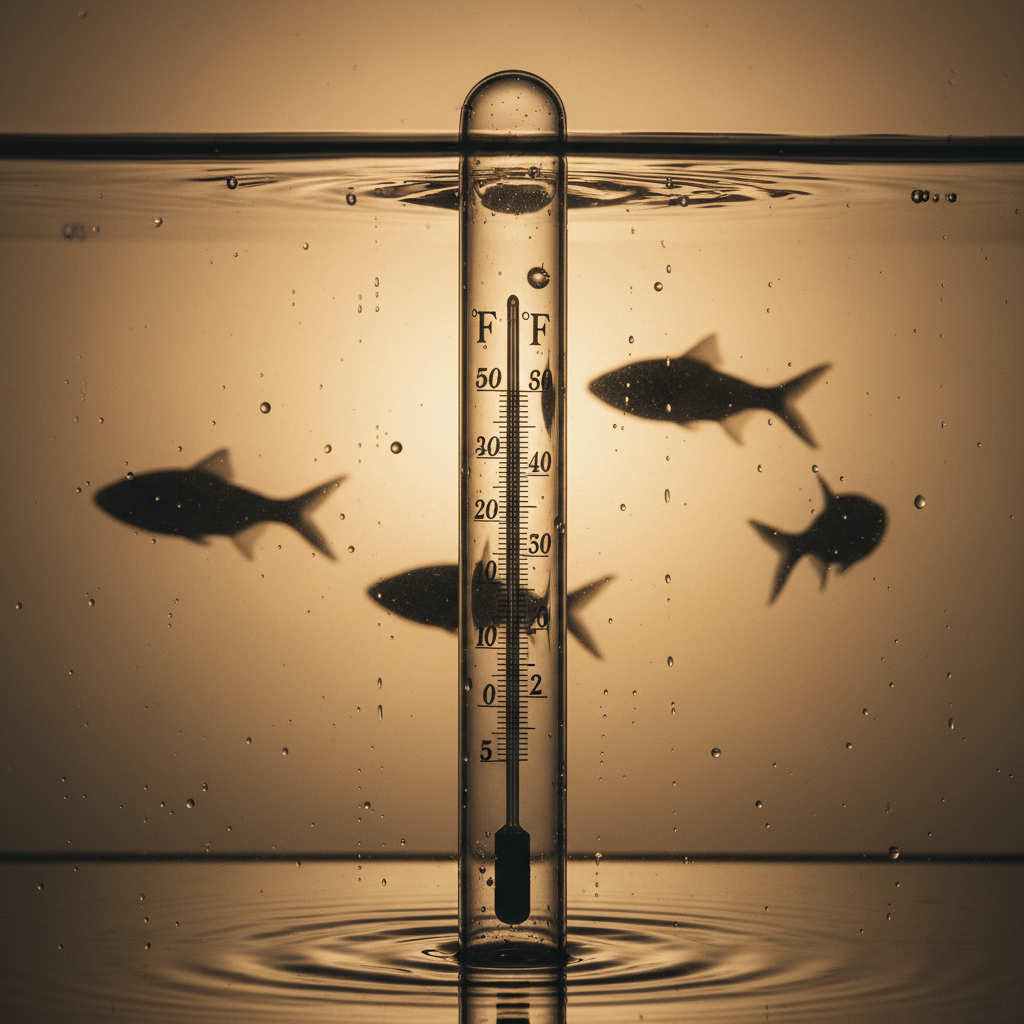
The empty tank also taught me about the importance of starting over. After a tank crash, it can be tempting to give up, to abandon the hobby altogether. But I learned that it’s important to pick yourself up, dust yourself off, and start again. Every failure is a learning opportunity, a chance to do things better next time. And with each new tank, each new species, comes a fresh set of lessons to be learned.
From Finny to Future Tanks: A Never-Ending Education
So, what have I learned from my finned professors? I’ve learned about population control, individual needs, community harmony, water chemistry, plant growth, algae management, acceptance of loss, and the importance of starting over. But more than that, I’ve learned to appreciate the beauty and complexity of the underwater world. I’ve learned to be patient, observant, and adaptable. And I’ve learned that the aquarium hobby is not just about keeping fish alive; it’s about creating a thriving ecosystem, a miniature world that is both beautiful and educational.
And the education continues. I’m currently planning my next tank, a biotope aquarium inspired by the Amazon rainforest. I’m researching the plants, the fish, and the water parameters of this fascinating ecosystem. I’m sure I’ll make mistakes, I’m sure I’ll face challenges, but I’m also confident that I’ll learn something new along the way. Because that’s the beauty of the aquarium hobby: it’s a never-ending education, a constant journey of discovery.
From that first, ill-fated goldfish bowl to the complex planted tanks I maintain today, the fish have been my teachers, guiding me along the path of aquarium enlightenment. And I’m grateful for every lesson, every success, and every failure. Because it’s all part of the journey, a journey that has enriched my life in ways I never could have imagined. Now, if you’ll excuse me, I hear my Amazonian professors calling.
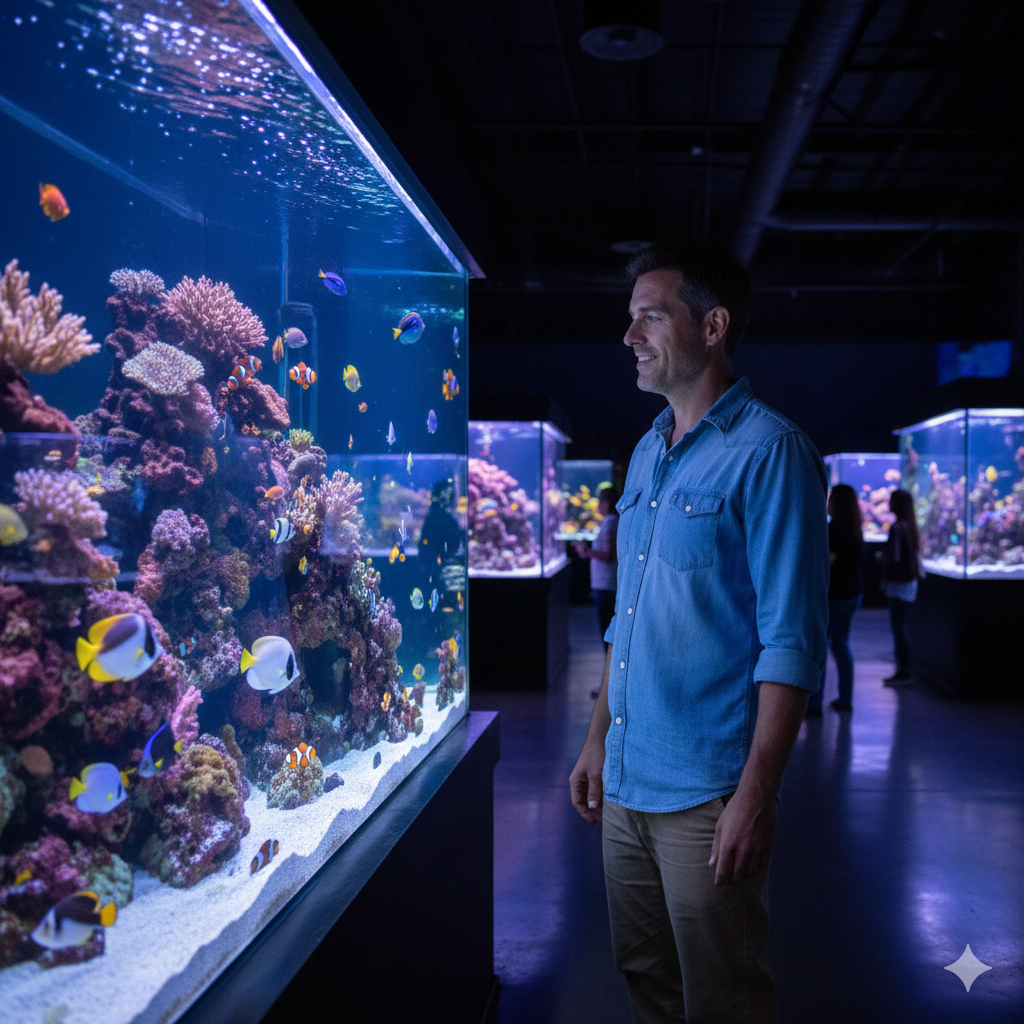
My name is Daniel Carter, I am 35 years old, and I live in the United States. I have been passionate about aquariums for many years, and what started as a simple hobby quickly became a lifelong interest in aquatic life, fish behavior, and responsible tank care.
Through TheBrightLance, I share real experiences, practical knowledge, and honest lessons learned from maintaining different types of aquariums. I enjoy testing equipment, studying fish behavior, improving maintenance routines, and helping beginners avoid common mistakes.
My goal is to make aquarism easier, more ethical, and more enjoyable for everyone — whether you are setting up your very first tank or looking to refine your techniques.