
Understanding Social Dynamics in My Community Tanks
For over a decade, I’ve been captivated by the intricate world of community aquariums. What started as a simple hobby has evolved into a deep fascination with the social behaviors of freshwater fish. Living here in Orlando, Florida, it’s a great escape to have a slice of the underwater world right in my living room. Setting up a community tank isn’t just about throwing a bunch of pretty fish together; it’s about creating a balanced ecosystem where each species can thrive without undue stress. And a huge part of that is understanding their social dynamics.
I’ve learned through both successes and failures that observing and interpreting fish behavior is crucial for maintaining a healthy and harmonious aquarium. It’s like being a silent observer in a miniature society, where subtle cues and interactions can tell you everything you need to know about the overall well-being of your aquatic inhabitants.
Why Social Behavior Matters
Why is understanding social behavior so important? Well, stress in fish can manifest in various ways, from suppressed immune systems to increased aggression. When fish are constantly battling for dominance, hiding in fear, or unable to establish a territory, their health suffers. This, in turn, can lead to disease outbreaks, stunted growth, and ultimately, a higher mortality rate. Believe me, I’ve learned this the hard way after losing some beautiful fish to diseases that likely arose from stress.
A well-balanced community tank, on the other hand, is a joy to behold. Fish exhibit natural behaviors, displaying their vibrant colors and engaging in fascinating social interactions. They’re more active, healthier, and generally happier. It’s a testament to the fact that you’ve created an environment where they feel safe, secure, and comfortable.
Key Social Behaviors I Watch For
So, what specific social behaviors do I pay attention to in my community tanks? Here are some of the most important indicators that help me gauge the overall health and harmony of my aquatic community:
Shoaling and Schooling
Shoaling and schooling are among the most visually striking social behaviors in fish. Shoaling refers to a loose aggregation of fish that stay together for social reasons, while schooling is a more coordinated and synchronized movement. Tetras, rasboras, and some species of barbs are well-known for exhibiting these behaviors.
What I look for is a natural and relaxed shoaling or schooling behavior. Are the fish staying together in a cohesive group? Are they actively swimming around the tank, exploring their environment? Or are they huddled together in a corner, exhibiting signs of fear or stress? If they’re constantly hiding or appear lethargic, it could indicate that they’re being bullied or intimidated by other fish in the tank. I once introduced a group of rummy nose tetras into a tank with a slightly too boisterous group of tiger barbs. The tetras spent most of their time hiding, lost their vibrant red noses, and became susceptible to disease. I quickly learned that even a slight imbalance in temperament can disrupt the entire social dynamic.
Another thing I consider is the size of the shoal or school. Many schooling fish feel more secure in larger groups. If you only have a few individuals, they may be more prone to stress and anxiety. I generally recommend keeping at least six individuals of any schooling species to ensure their well-being. With experience, I found that larger schools not only look more natural and beautiful, but also significantly reduce stress within the group, as the feeling of security is amplified.

Territoriality and Aggression
Territoriality is a natural behavior in many fish species. Some fish establish and defend territories for breeding, feeding, or simply for personal space. Aggression, on the other hand, is the act of defending that territory or asserting dominance over other fish.
While some aggression is normal, excessive aggression can be a major problem in a community tank. I pay close attention to which fish are displaying aggressive behaviors and which fish are being targeted. Are certain fish constantly chasing or nipping at others? Are some fish being excluded from feeding areas? Are there any signs of physical damage, such as torn fins or wounds?
One common culprit of aggression is overcrowding. When fish are crammed into a tank that’s too small, they’re more likely to become stressed and territorial. Providing ample space, along with plenty of hiding places like plants, rocks, and driftwood, can help to reduce aggression. These elements break up line of sight and create natural barriers, allowing fish to establish their own territories without constantly bumping into each other.
I also consider the compatibility of different species. Some fish are simply more aggressive than others and may not be suitable for a peaceful community tank. For example, certain types of cichlids are known for their territorial behavior and can be very disruptive to other fish. I learned this firsthand when I tried to keep a pair of convicts cichlids in a tank with peaceful community fish. The cichlids quickly took over the entire tank and terrorized the other inhabitants, causing them to become stressed and eventually succumb to disease. It was a harsh lesson, but it taught me the importance of researching the temperament of each species before adding them to my tank.
Feeding Behavior
Feeding time can be a crucial indicator of social dynamics in a community tank. I observe how different fish species interact during feeding. Are all the fish able to access the food? Or are some fish being bullied or excluded by others?
Sometimes, more assertive fish will monopolize the food, preventing more timid fish from getting their fair share. This can lead to malnutrition and increased stress in the weaker fish. To combat this, I employ a few different strategies. First, I try to distribute the food evenly throughout the tank, rather than dumping it all in one spot. This gives all the fish a chance to access it. Second, I use a variety of foods that sink at different rates. This allows bottom-dwelling fish, like corydoras catfish, to get their fill without having to compete with the faster-swimming fish.
I also make sure to provide enough food for everyone. Underfeeding can lead to increased competition and aggression. However, overfeeding is equally problematic, as it can lead to poor water quality and health issues. It’s a delicate balance, and it requires careful observation and adjustment. I’ve found that feeding smaller amounts more frequently is often better than feeding large amounts less frequently. This helps to ensure that all the fish get a chance to eat without overwhelming the filtration system.
Breeding Behavior
Breeding behavior can be a fascinating and rewarding aspect of keeping a community tank. However, it can also have a significant impact on social dynamics. When fish are breeding, they often become more territorial and aggressive, especially towards other members of their own species.
I always try to create an environment that encourages natural breeding behaviors, while also minimizing the potential for disruption. Providing plenty of hiding places, such as dense vegetation and caves, gives breeding fish a safe and secure place to spawn. It also allows other fish to escape from any potential aggression.
I also consider the compatibility of different breeding behaviors. Some fish are egg-scatterers, while others are livebearers. Egg-scatterers typically lay their eggs on plants or substrate, while livebearers give birth to live young. Mixing egg-scatterers with fish that readily eat eggs can be problematic, as the eggs may be quickly consumed. I’ve had some success creating specialized breeding tanks for certain species, particularly those that are more vulnerable to predation. This allows the fry to grow and develop without being harassed by other fish. It is extremely satisfying to see new generations flourish in my aquarium.
Case Studies: Learning from Experience
Over the years, I’ve had my share of both successes and failures in creating harmonious community tanks. Here are a few case studies that illustrate the importance of understanding social behavior:
The Case of the Overcrowded Guppies
Early in my aquascaping journey, I fell victim to the common beginner’s mistake of overstocking my tank. I had a 20-gallon tank that I thought could comfortably house a large group of guppies. After all, they were small and peaceful, right? Wrong. As the guppy population grew, the tank became increasingly crowded. The fish became stressed, and the males started to display aggressive behavior towards each other, constantly chasing and nipping at each other’s fins. The water quality deteriorated rapidly, despite my best efforts to maintain it. Eventually, the guppies became susceptible to disease, and I lost a significant portion of my population. This experience taught me the importance of providing ample space for fish and carefully monitoring water quality. Now, I always err on the side of understocking rather than overstocking, and I perform regular water changes to keep the water clean and healthy.

The Mystery of the Disappearing Neons
I once had a beautiful school of neon tetras in a 30-gallon community tank. They were vibrant and active, and they seemed to be thriving. However, over time, I noticed that their numbers were dwindling. I couldn’t figure out what was happening. There were no signs of disease, and the water parameters were all within acceptable ranges. One night, I decided to observe the tank in the dark, using a red flashlight. To my surprise, I saw a larger angelfish, which I had considered a peaceful tank mate, actively hunting and eating the neon tetras while they were sleeping. It was a classic case of predation that I had completely overlooked. I quickly removed the angelfish from the tank, and the remaining neon tetras were able to thrive. This experience taught me the importance of considering the potential for predation, even in seemingly peaceful community tanks. Now, I always research the adult size and temperament of each species before adding them to my tank to ensure that they are truly compatible.
The Success Story of the Peaceful Planted Tank
On the other hand, I’ve also had some great successes in creating harmonious community tanks. One of my favorite examples is my 55-gallon planted tank, which houses a diverse community of peaceful fish, including tetras, rasboras, corydoras catfish, and a few peaceful dwarf gouramis. This tank is heavily planted with a variety of aquatic plants, which provide ample hiding places and create a natural and visually appealing environment. The fish are all healthy and active, and they exhibit natural behaviors, such as shoaling, schooling, and foraging. There’s very little aggression in the tank, and the fish seem to coexist peacefully. The key to this success, I believe, is providing ample space, plenty of hiding places, and a balanced diet. I also perform regular water changes and closely monitor water parameters to ensure that the fish are always living in a healthy environment. It’s a testament to the fact that with careful planning and observation, it is possible to create a truly harmonious and thriving community tank. The peace I feel when observing the life I have given to my fish is a great personal reward.
Tips for Creating a Harmonious Community Tank
Based on my experiences, here are some tips for creating a harmonious community tank:
- Research, Research, Research: Before adding any fish to your tank, research their temperament, size, and social needs. Make sure that they are compatible with the other fish in your community.
- Provide Ample Space: Overcrowding can lead to stress and aggression. Make sure that your tank is large enough to comfortably house all of your fish.
- Create Hiding Places: Plants, rocks, and driftwood provide hiding places for fish, which can help to reduce stress and aggression.
- Maintain Good Water Quality: Poor water quality can lead to disease and stress. Perform regular water changes and monitor water parameters to ensure that your fish are living in a healthy environment.
- Observe Your Fish: Pay close attention to your fish’s behavior. Look for signs of stress, aggression, or disease. Address any problems promptly.
- Quarantine New Fish: Before adding new fish to your tank, quarantine them for a few weeks to ensure that they are healthy and disease-free.
These are just some basic guide lines, and should be adapted based on the species of fish you choose to keep. Always prioritize the well-being of your pets and seek the advice of experienced aquarists.
Advanced Considerations: Beyond the Basics
Once you’ve mastered the basics of community tank management, you can start to delve into more advanced considerations, such as biotope aquariums and species-specific setups.
Biotope Aquariums
A biotope aquarium is designed to replicate the natural environment of a specific region or habitat. This involves selecting fish, plants, and decor that are all found in the same geographical area. For example, you could create an Amazon biotope aquarium with South American fish, plants, and driftwood. Or you could create a Southeast Asian biotope aquarium with fish, plants, and substrate that are native to that region.
Creating a biotope aquarium can be a challenging but rewarding experience. It requires a lot of research and attention to detail, but it can also result in a truly stunning and natural-looking aquarium. It can also help promote the natural behaviors of the fish, as they are living in an environment that is similar to their native habitat. I’ve always been fascinated by the Amazon river basin and its incredibly diverse ecosystem. One day I’d love to setup a large tank replicating the blackwater rivers of the Amazon.

Species-Specific Setups
Another advanced approach is to create a species-specific setup, which focuses on the needs of a particular species of fish. This involves providing the ideal water parameters, diet, and social environment for that species. For example, you could create a tank specifically for discus fish, which require warm, soft, and acidic water. Or you could create a tank specifically for African cichlids, which require hard, alkaline water and plenty of rocks and caves.
Species-specific setups can be particularly beneficial for fish that have specialized needs or are difficult to keep in a community tank. It allows you to create an environment that is perfectly tailored to their requirements, which can lead to increased health, happiness, and longevity. While I’ve focused mostly on community tanks, I have always admired the dedication of aquarists who specialize in a single species. The depth of knowledge and understanding they develop is truly impressive.
The Ongoing Journey of Learning
Keeping a community tank is an ongoing journey of learning and discovery. There’s always something new to learn about fish behavior, water chemistry, and aquascaping techniques. The key is to stay curious, keep experimenting, and never be afraid to make mistakes. Every mistake is an opportunity to learn and improve. I’ve certainly made my fair share of mistakes over the years, but I’ve learned from each one, and it’s made me a better aquarist.
The most important thing is to enjoy the process and appreciate the beauty and complexity of the aquatic world. A well-maintained community tank can be a source of endless fascination and relaxation. It’s a miniature ecosystem that you’ve created and nurtured, and it’s a testament to your dedication and passion. As I sit here writing this, I’m watching my current community tank. It’s a peaceful mix of tetras, rasboras, and corydoras. Seeing them interact, school, and explore their environment brings me a sense of calm. It reminds me why I started this hobby in the first place.
The aquarium hobby is more than just keeping fish alive; it’s about creating a thriving ecosystem and observing the natural behaviors of these fascinating creatures. It’s a journey of continuous learning and improvement, and it’s one that I’m passionate about sharing with others. So, whether you’re a beginner or an experienced aquarist, I encourage you to continue exploring the wonderful world of community tanks and to share your knowledge and experiences with others. The more we learn and share, the better we can care for these amazing animals and create truly harmonious aquatic communities.

And that’s what it all comes down to, isn’t it? Creating an environment where these creatures can thrive, display their natural behaviors, and bring a little bit of the underwater world into our lives. It’s a responsibility, a challenge, and a deeply rewarding experience. I hope my insights have been helpful, and I encourage you to continue learning and exploring the fascinating world of community aquariums. Good luck, and happy fishkeeping!
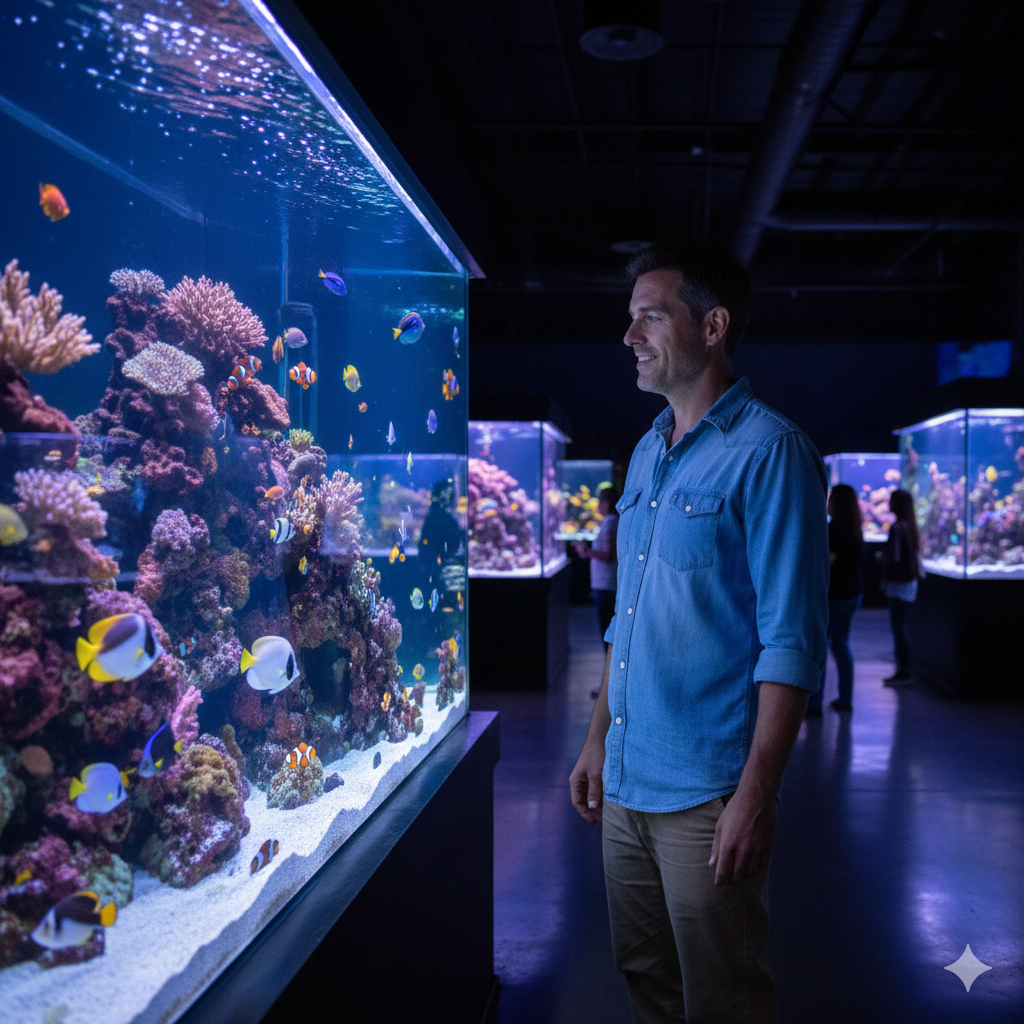
My name is Daniel Carter, I am 35 years old, and I live in the United States. I have been passionate about aquariums for many years, and what started as a simple hobby quickly became a lifelong interest in aquatic life, fish behavior, and responsible tank care.
Through TheBrightLance, I share real experiences, practical knowledge, and honest lessons learned from maintaining different types of aquariums. I enjoy testing equipment, studying fish behavior, improving maintenance routines, and helping beginners avoid common mistakes.
My goal is to make aquarism easier, more ethical, and more enjoyable for everyone — whether you are setting up your very first tank or looking to refine your techniques.