
Decoding the Language of Fins and Scales: My Fishkeeping Journey
For over a decade now, my life has revolved around the gentle hum of aquarium filters and the mesmerizing dance of freshwater fish. It started, as it often does, with a simple goldfish in a bowl – a far cry from the carefully curated planted tanks I maintain today. But that goldfish sparked a passion, a desire to understand these aquatic creatures not just as decorations, but as living beings with their own needs, personalities, and, yes, even their own ways of communicating.
And that’s what I want to share with you: not just the technical aspects of fishkeeping (water changes, filtration, the nitrogen cycle – all crucial, of course), but the subtle, often overlooked signs that tell you your fish are truly thriving. These aren’t always the dramatic, obvious symptoms of disease; instead, they’re the quiet indicators of contentment, the small behavior signs that whisper, “I’m happy, healthy, and living my best fish life.”
Think of it like learning a new language. At first, it’s all confusing sounds and unfamiliar grammar. But with time and observation, you start to pick up on nuances, subtle shifts in tone, and unspoken cues. The same is true for your fish. Paying attention to these small behavior signs can make all the difference in their well-being, allowing you to catch potential problems early and ensure they live long, fulfilling lives.
The Obvious and the Overlooked: Beyond the Checklist
Of course, we all know the basic signs of a healthy fish: bright colors, clear eyes, active swimming, a healthy appetite. These are the things you’ll find on every fishkeeping checklist, and they’re undeniably important. But they only tell part of the story. They’re like knowing the alphabet but not being able to read a sentence.
For example, a fish might be eating, but how is it eating? Is it rushing to the food with enthusiasm, or is it tentatively nipping at it, showing a lack of interest? Is it competing with other fish for food, or is it being bullied and driven away? These subtle differences can indicate underlying stress or illness that wouldn’t be apparent if you were just checking the “eating” box on your mental checklist.
Similarly, a fish might be swimming, but is it swimming normally? Is it exploring the tank, interacting with its environment, and engaging with other fish? Or is it hovering near the surface, gasping for air? Is it rubbing against objects, a sign of potential parasites? Is it exhibiting jerky, erratic movements, which could indicate a neurological problem? Again, “swimming” is not enough; you need to understand the quality of that swimming.
So, let’s delve deeper into some of these less obvious, but equally crucial, behavior signs that can tell you a lot about your fish’s well-being. I’ll share some personal anecdotes from my own fishkeeping journey, highlighting how paying attention to these subtle cues has helped me keep my fish healthy and happy.
The Dance of the Fins: Decoding Body Language
Fins are far more than just appendages for swimming; they’re also powerful tools for communication. A fish’s fins can tell you about its mood, its social status, and its overall health. Here are some fin-related behaviors I’ve learned to pay close attention to:
- Clamped Fins: This is a classic sign of stress or illness. When a fish is feeling unwell, it will often hold its fins close to its body, giving it a flattened, streamlined appearance. I remember one time, I introduced a new group of Corydoras catfish to my community tank. For the first few days, they all exhibited clamped fins. My initial thought was disease, but upon closer inspection, I realized they were simply stressed from the move and the new environment. I dimmed the lights, added some extra hiding places, and within a few days, their fins were back to normal.
- Torn or Ragged Fins: While this can sometimes be the result of nipping from other fish, it can also indicate fin rot, a bacterial infection. Fin rot usually starts with a white or cloudy edge on the fins, which then gradually erodes away. If you catch it early, fin rot can often be treated with aquarium salt and improved water quality. I had a Betta fish once that developed fin rot after I neglected my water changes for a bit too long. A course of antibiotics and a renewed commitment to water quality helped him make a full recovery.
- Flared Fins (in Bettas): In male Betta fish, flaring is a natural display of aggression or dominance. They’ll puff out their gills and spread their fins to appear larger and more intimidating. While some flaring is normal and healthy, excessive flaring can be a sign of stress or territoriality, especially if the fish is constantly challenging its own reflection in the glass. I once saw a Betta in a small tank flaring constantly at its reflection. Moving it to a larger, more planted tank with less reflection significantly reduced the flaring.
- Fin Flicking or Glancing: This behavior, where a fish rapidly flicks its fins or rubs its body against objects, is often a sign of parasites. The fish is trying to relieve the irritation caused by the parasites. If you notice your fish exhibiting this behavior, it’s important to quarantine them and treat them with an appropriate anti-parasitic medication.

The Rhythm of Respiration: Watching the Gills
A fish’s gills are its lungs, and their movement can tell you a lot about its respiratory health. Here’s what I look for:
- Rapid Gill Movement: This can indicate a lack of oxygen in the water, stress, or a respiratory infection. If your fish are breathing rapidly, the first thing you should do is check your water parameters, especially your oxygen levels. You can increase oxygen levels by adding an air stone, increasing surface agitation, or performing a water change. I once had a power outage that caused my filter to stop running, which led to a rapid depletion of oxygen in my tank. My fish started breathing rapidly, and I quickly had to set up a battery-powered air pump to keep them alive.
- Labored Breathing: This can indicate gill damage, a respiratory infection, or poisoning. If your fish are struggling to breathe, it’s important to identify the cause and treat it accordingly. Gill damage can be caused by ammonia or nitrite poisoning, so it’s crucial to maintain good water quality. Respiratory infections can be treated with antibiotics.
- Gill Flukes: These are tiny parasites that attach to the gills and can cause irritation and breathing difficulties. Gill flukes can be diagnosed by examining a gill sample under a microscope. They can be treated with anti-parasitic medications.
The Appetite’s Tale: Feeding Frenzies and Fussy Eaters
A healthy appetite is a sign of a healthy fish. But, as I mentioned earlier, it’s not just about whether or not your fish are eating; it’s about how they’re eating.
- Lack of Appetite: This is a common sign of illness. If your fish suddenly stops eating, it’s important to investigate the cause. It could be stress, poor water quality, a bacterial infection, or a parasitic infection. Sometimes, a simple change in diet can also cause a fish to lose its appetite.
- Selective Eating: Some fish are picky eaters. They might only eat certain types of food, or they might refuse to eat if the food isn’t presented in a certain way. While some selectivity is normal, excessive fussiness can indicate an underlying problem. Make sure you are offering a varied diet to ensure your fish are getting all the nutrients they need.
- Aggressive Feeding: While a healthy appetite is good, excessive aggression during feeding can be a sign of competition or stress. If some fish are being bullied and prevented from eating, you need to address the issue. This might involve separating the aggressive fish, providing more hiding places, or feeding the fish in multiple locations.
- Spitting Out Food: This can indicate a problem with the fish’s mouth or throat, or it could be a sign that the fish doesn’t like the taste of the food. Examine the fish’s mouth for any signs of injury or infection. Try offering a different type of food to see if that resolves the issue.
The Social Scene: Harmony and Hierarchy in the Aquarium
Fish are social creatures, and their interactions with each other can tell you a lot about their well-being. Observing their behavior within the group dynamic is crucial.
Peaceful Coexistence or Constant Conflict?
A healthy aquarium is one where the fish are able to coexist peacefully. While some minor squabbles are normal, constant fighting can be a sign of stress, overcrowding, or incompatible tank mates.
- Bullying: This is a common problem in aquariums, especially when there are aggressive species or when the tank is overcrowded. Bullied fish will often hide, exhibit clamped fins, and lose their appetite. If you see signs of bullying, you need to take action to protect the victimized fish. This might involve separating the aggressor, providing more hiding places, or rehoming the bullied fish.
- Territoriality: Some fish are territorial and will defend their space against intruders. This can lead to aggression and fighting. Make sure you provide enough space and hiding places for all the fish in your tank, especially if you have territorial species.
- Schooling Behavior: Many fish species are schooling fish, meaning they prefer to live in groups. Schooling fish feel safer and more secure when they are with their own kind. If you keep schooling fish, make sure you have a large enough group to allow them to exhibit their natural schooling behavior.
- Social Interaction: Observing how your fish interact with each other can give you valuable insights into their social dynamics. Are they actively engaging with each other, or are they avoiding each other? Are they displaying courtship behaviors, or are they exhibiting signs of aggression?

The Substrate Shuffle: Bottom Dweller Behavior
If you have bottom-dwelling fish like Corydoras catfish or loaches, their behavior on the substrate can also be a valuable indicator of their health and the overall condition of your tank.
- Active Foraging: Healthy bottom dwellers will actively forage for food on the substrate, sifting through the sand or gravel in search of morsels. If your bottom dwellers are lethargic and not actively foraging, it could be a sign of illness or poor water quality.
- Barbels: Corydoras catfish have sensitive barbels (whisker-like appendages) that they use to find food. If the barbels are eroded or missing, it could be a sign of poor substrate hygiene or a bacterial infection. I learned this the hard way. I once had a tank with sharp gravel, and my Corydoras’ barbels became damaged. I switched to a sand substrate, and their barbels eventually grew back.
- Resting Behavior: Bottom dwellers will often rest on the substrate, but excessive resting can be a sign of illness or stress. If your bottom dwellers are spending most of their time lying on the bottom and not actively foraging, it’s important to investigate the cause.
- Coloration: The coloration of bottom dwellers can also be an indicator of their health. Healthy bottom dwellers will typically have bright, vibrant colors. If their colors are faded or dull, it could be a sign of stress or illness.
Beyond the Symptoms: Proactive Fishkeeping
Ultimately, the key to understanding your fish’s behavior is to be observant, proactive, and committed to providing them with the best possible environment. This means:
Water Quality is King (and Queen)
Maintaining pristine water quality is the foundation of healthy fishkeeping. Regularly test your water parameters (ammonia, nitrite, nitrate, pH) and perform water changes as needed. Don’t just rely on visual cues; invest in a reliable test kit. I test my water weekly, without fail. It’s a small investment of time that pays off in the long run.
A Balanced Diet for a Balanced Life
Feed your fish a varied diet of high-quality foods. Don’t just rely on flake food; supplement their diet with frozen foods, live foods, and vegetable matter. Research the specific dietary needs of your fish species. What works for a carnivore won’t necessarily work for an herbivore.

The Importance of a Well-Scaped Environment
Provide your fish with a stimulating and enriching environment. This includes plenty of hiding places, live plants, and appropriate lighting. Consider the natural habitat of your fish species when designing your aquarium. A fish that evolved to live in a heavily planted stream will not thrive in a barren tank.
Quarantine is Your Best Friend
Always quarantine new fish before introducing them to your main tank. This will give you time to observe them for any signs of illness and prevent the spread of disease. A quarantine tank is a small investment that can save you a lot of heartache (and money) in the long run. I learned this lesson the hard way, after introducing a fish with ich to my community tank. It was a nightmare to treat.
Know Your Fish
Research the specific needs and behaviors of your fish species. The more you know about your fish, the better equipped you’ll be to provide them with the care they need. Join online forums, read books, and talk to other fishkeepers. The fishkeeping community is a wealth of knowledge.
My Most Memorable Lesson: The Case of the Mysterious Molly
I’ll never forget the time I had a female molly who started acting strangely. She was usually a voracious eater, but she suddenly lost her appetite. She also started spending most of her time hiding in the plants. At first, I thought she was just stressed, but then I noticed something else: she was unusually swollen. I did some research and realized that she was likely constipated.
I fasted her for a few days and then fed her some blanched peas, which are a natural laxative. Within a few days, she was back to her old self. This experience taught me the importance of paying attention to even the smallest changes in my fish’s behavior. It also taught me the value of doing my research and being willing to try different solutions.
It’s been over a decade since that first goldfish, and I’m still learning new things about fish behavior every day. It’s a journey of constant discovery, observation, and, above all, a deep respect for these fascinating creatures. By paying attention to the small behavior signs, we can ensure that our fish live happy, healthy, and fulfilling lives, brightening our homes and enriching our lives in return.

So, the next time you’re gazing into your aquarium, take a moment to look beyond the surface. Observe the dance of the fins, the rhythm of the gills, and the interactions between your fish. Listen to the whispers of their behavior, and you’ll be amazed at what they can tell you.
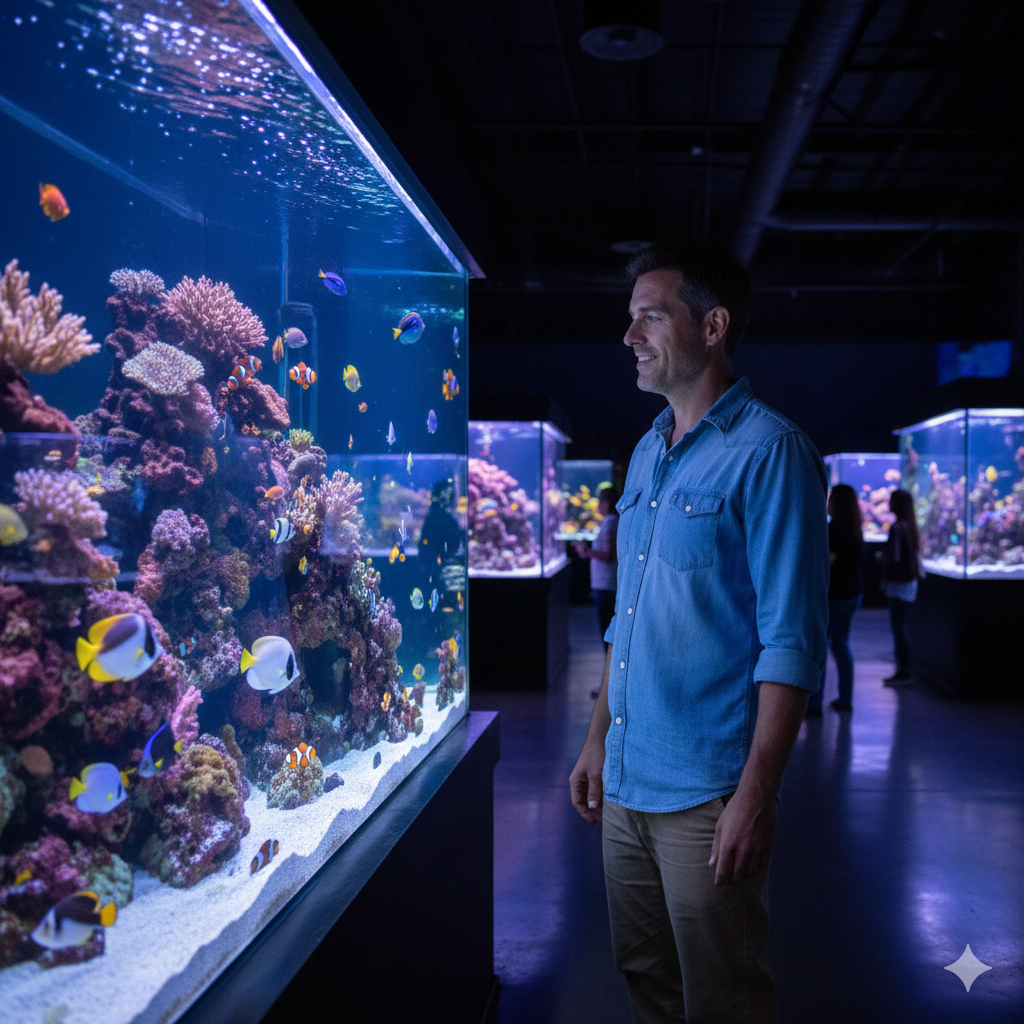
My name is Daniel Carter, I am 35 years old, and I live in the United States. I have been passionate about aquariums for many years, and what started as a simple hobby quickly became a lifelong interest in aquatic life, fish behavior, and responsible tank care.
Through TheBrightLance, I share real experiences, practical knowledge, and honest lessons learned from maintaining different types of aquariums. I enjoy testing equipment, studying fish behavior, improving maintenance routines, and helping beginners avoid common mistakes.
My goal is to make aquarism easier, more ethical, and more enjoyable for everyone — whether you are setting up your very first tank or looking to refine your techniques.