
The Subtle Language of Happy Fish: Beyond the Obvious
For over a decade, my living room has been graced by the gentle hum of an aquarium. It’s more than just a decoration; it’s a carefully curated ecosystem and a constant source of fascination. Over the years, I’ve learned that keeping fish happy isn’t just about clean water and regular feedings. It’s about understanding their subtle language, the quiet cues they give that reveal their comfort and well-being. It’s about being attuned to their needs and creating an environment where they can truly thrive. Are your fish just surviving, or are they truly *happy*?
Beyond the Obvious: Why Subtle Signs Matter
Most beginners focus on the basics: water changes, proper filtration, and appropriate food. While those are undoubtedly crucial, they only scratch the surface. A fish can *appear* healthy while still being stressed or subtly unhappy. Think of it like a person who’s outwardly functioning but inwardly struggling. You need to look beyond the surface to truly gauge their well-being.
Ignoring these subtle signs can lead to long-term problems. Chronic stress weakens a fish’s immune system, making them more susceptible to disease. It can also affect their growth, coloration, and even their lifespan. Learning to read these quiet cues is an investment in the long-term health and happiness of your aquatic companions.
Decoding the Quiet Cues: How to Tell if Your Fish Are Content
So, what are these subtle signs? Let’s delve into some of the key indicators I’ve learned to watch for in my own tanks.
1. Relaxed Swimming Behavior: The Rhythm of Contentment
One of the first things I observe is how my fish are swimming. Happy fish exhibit a relaxed and natural swimming pattern. They glide effortlessly through the water, exploring their environment without appearing frantic or agitated. This is especially true for schooling fish; they should move together in a coordinated and synchronized manner.
Contrast this with stressed fish, who may exhibit erratic swimming, darting, or hovering near the surface or bottom of the tank. They might also swim into objects or glass, indicating disorientation or panic. A classic sign of stress is “flashing,” where a fish rubs its body against objects in the tank, often indicating irritation from parasites or poor water quality. I remember when I first started, my tetras were constantly flashing against the gravel. I initially dismissed it, but after a water test, I realized my ammonia levels were through the roof! A large water change and some beneficial bacteria fixed the issue, and their flashing disappeared almost immediately.
2. Vibrant Coloration: A True Reflection of Health
A fish’s coloration is often a direct reflection of its health and well-being. Happy fish display vibrant, intense colors that are characteristic of their species. Think of a healthy neon tetra – its iridescent blue and red stripes should be bright and distinct. A stressed or unhealthy tetra, on the other hand, may appear dull, washed out, or even pale.
However, it’s important to note that some fish naturally change color depending on their mood or time of day. For example, some cichlids will intensify their colors during breeding season or when establishing territory. The key is to learn what’s normal for *your* fish and to watch for any significant or persistent changes in coloration.
I once had a Betta that gradually lost its vibrant blue hue, becoming almost completely gray. After ruling out common illnesses, I realized the issue was simply a lack of enrichment in its environment. I added some new plants, a floating log, and started offering a wider variety of food. Within a few weeks, its vibrant colors returned, and its personality seemed to blossom. It was a powerful reminder that even seemingly simple environments can become monotonous for fish.

3. Healthy Appetite: A Sign of Inner Contentment
A healthy appetite is a clear indicator of a happy fish. They should eagerly approach the feeding area and actively consume their food. A sudden loss of appetite or refusal to eat is often a sign of stress, illness, or poor water quality.
However, it’s also important to avoid overfeeding. Overfeeding can lead to obesity, poor water quality, and other health problems. I recommend feeding your fish small amounts of food that they can consume within a few minutes, once or twice a day. Observe their feeding behavior closely to ensure they’re getting enough, but not too much. I usually skip one day a week too. This helps them digest better. It’s like a little reset for their system.
I had a group of Corydoras catfish that suddenly stopped eating. I was initially concerned about a disease outbreak, but after testing the water, I realized the issue was simply that I was overfeeding them! They were scavenging enough food from the bottom of the tank that they weren’t hungry when I offered their regular meals. I reduced the amount of food I was giving them, and their appetites quickly returned.
4. Positive Social Interactions: Harmony in the Aquarium
For social fish, positive interactions with their tank mates are crucial for their well-being. Observe how your fish interact with each other. Are they schooling peacefully, engaging in playful chases, or displaying signs of aggression? Happy, well-adjusted fish will generally exhibit harmonious social behavior.
Aggression, bullying, or excessive hiding can indicate stress, overcrowding, or incompatible tank mates. It’s important to research the specific needs and temperaments of your fish before introducing them to your aquarium. Ensure they have enough space, hiding places, and appropriate tank mates to minimize stress and aggression. I made the mistake once of putting a semi-aggressive cichlid in with some peaceful community fish. It was a disaster! The cichlid constantly harassed the other fish, nipping at their fins and chasing them around the tank. I quickly realized my mistake and rehomed the cichlid to a more appropriate environment. Lesson learned: research, research, research!
5. Active Exploration and Natural Behaviors: A Sign of a Stimulating Environment
Happy fish are curious and active explorers. They should be actively exploring their environment, investigating new objects, and engaging in natural behaviors such as foraging, digging, or building nests (depending on the species). A fish that spends most of its time hiding or remaining motionless is likely stressed, bored, or unwell.
Enriching your aquarium environment is crucial for stimulating your fish’s minds and promoting natural behaviors. Provide them with plenty of hiding places, plants, rocks, and other decorations to explore. Consider adding live plants, which not only provide shelter and oxygen but also offer a natural food source for some species. I love watching my Otocinclus catfish graze on the algae that grows on the leaves of my plants. It’s a natural and fascinating behavior to observe.
Creating a Haven: Tips for Promoting Happiness in Your Aquarium
Now that we’ve explored the signs of happy fish, let’s discuss some practical tips for creating an environment where they can truly thrive.
1. Water Quality is King: The Foundation of a Healthy Aquarium
Maintaining pristine water quality is the single most important factor in keeping your fish happy and healthy. Regular water changes, proper filtration, and careful monitoring of water parameters are essential. Invest in a reliable water test kit and learn how to interpret the results. Aim for ammonia and nitrite levels of zero, and nitrate levels below 20 ppm.
I recommend performing a 25-50% water change every week, depending on the size of your tank and the number of fish you have. Use a dechlorinator to remove chlorine and chloramine from tap water before adding it to your aquarium. Also, don’t forget to clean your filter regularly to remove accumulated debris and maintain optimal flow. I also add beneficial bacteria every time I do a water change to help maintain the biological balance of the aquarium. It’s a small investment that pays off in the long run.

2. The Right Environment: Matching Needs to Species
Each fish species has specific environmental needs. Research the ideal temperature, pH, water hardness, and tank size for your fish before introducing them to your aquarium. Provide them with the appropriate substrate, decorations, and lighting to mimic their natural habitat as closely as possible.
For example, some fish prefer soft, acidic water, while others thrive in hard, alkaline water. Some prefer dimly lit environments with plenty of hiding places, while others prefer bright, open spaces. Failing to meet these specific needs can lead to chronic stress and health problems. I once tried to keep a group of African cichlids in a tank with soft, acidic water. They quickly became stressed and developed a variety of health problems. After researching their needs, I realized my mistake and moved them to a tank with hard, alkaline water. They immediately perked up and started displaying their natural behaviors.
3. Nutrition is Key: A Balanced Diet for Thriving Fish
A balanced diet is essential for maintaining your fish’s health, coloration, and overall well-being. Offer them a variety of high-quality foods, including flakes, pellets, frozen foods, and live foods. Supplement their diet with occasional treats, such as bloodworms, brine shrimp, or daphnia.
Avoid feeding your fish the same food every day. A monotonous diet can lead to nutritional deficiencies and boredom. I like to rotate between different types of food to ensure my fish are getting a wide range of nutrients. I also offer them live food occasionally, which provides them with essential enzymes and stimulates their natural hunting instincts. Watching them chase after live brine shrimp is always entertaining!
4. Minimizing Stress: A Calm and Stable Environment
Fish are sensitive creatures that can be easily stressed by sudden changes in their environment. Avoid sudden changes in water temperature, pH, or lighting. Minimize loud noises and vibrations near the aquarium. Provide your fish with plenty of hiding places to retreat to when they feel threatened.
I recommend placing your aquarium in a quiet area of your home, away from direct sunlight and high-traffic areas. Avoid tapping on the glass or making sudden movements near the tank. If you have small children or pets, ensure they understand the importance of respecting the fish’s environment. I also use a background on my aquarium to reduce reflections and provide my fish with a sense of security.
5. Observation is Paramount: The Attentive Aquarist
The most important tool in your arsenal is your own observation. Spend time observing your fish each day. Look for any changes in their behavior, coloration, appetite, or social interactions. The sooner you detect a problem, the sooner you can take action to correct it. Keeping a journal can also be very helpful. Note changes in behavior, feeding habits, or anything out of the ordinary. I’ve caught illnesses early because of this.

Common Mistakes: Avoiding the Pitfalls of Fishkeeping
Even experienced aquarists make mistakes. Here are some common pitfalls to avoid.
1. Overcrowding: A Recipe for Disaster
Overcrowding is one of the most common mistakes in fishkeeping. Overcrowded tanks lead to poor water quality, increased stress, and a higher risk of disease outbreaks. Research the adult size of your fish and ensure they have enough space to thrive. A good rule of thumb is one inch of fish per gallon of water, but this is just a guideline. Some fish need more space than others.
2. Poor Acclimation: A Shock to the System
Introducing new fish to your aquarium without proper acclimation can shock their system and weaken their immune system. Float the bag containing the new fish in your aquarium for 15-30 minutes to equalize the temperature. Then, slowly add small amounts of aquarium water to the bag over the next hour to gradually acclimate them to the water chemistry.
3. Ignoring Quarantine: A Costly Mistake
Quarantining new fish is essential to prevent the introduction of diseases or parasites into your aquarium. Keep new fish in a separate quarantine tank for 2-4 weeks before introducing them to your main tank. Observe them closely for any signs of illness and treat them accordingly. This is a MUST.
4. Neglecting Maintenance: The Slow Decline
Neglecting regular maintenance, such as water changes, filter cleaning, and gravel vacuuming, can lead to a gradual decline in water quality and the overall health of your aquarium. Establish a regular maintenance schedule and stick to it. Your fish will thank you for it.
The Rewards of Attentive Fishkeeping: A Thriving Ecosystem
Keeping fish happy and healthy is an ongoing process that requires dedication, patience, and a willingness to learn. But the rewards are well worth the effort. A thriving aquarium is a beautiful and fascinating ecosystem that can bring joy and relaxation to your life. It’s a constant reminder of the beauty and complexity of the natural world.

By learning to read the quiet cues of your fish, providing them with a healthy environment, and avoiding common mistakes, you can create a haven where they can truly thrive. And in doing so, you’ll not only improve their lives but also enrich your own.
I find myself feeling calmer, more patient, and more connected to nature simply by observing my fish. It’s a hobby that has brought me years of joy, and I hope this article has inspired you to create a happy and healthy aquarium of your own. Remember, it’s not just about keeping fish alive; it’s about creating an environment where they can truly flourish and express their natural behaviors. And that, in my opinion, is the ultimate reward.
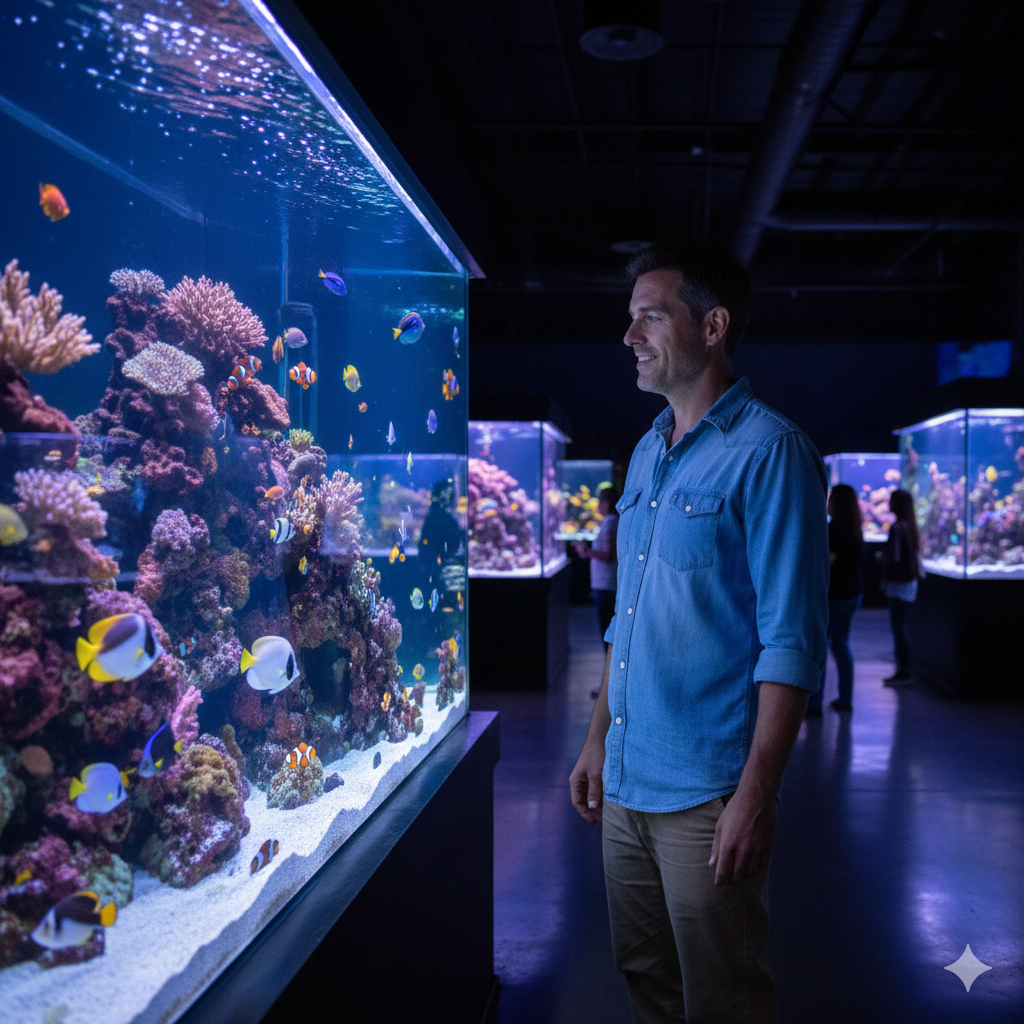
My name is Daniel Carter, I am 35 years old, and I live in the United States. I have been passionate about aquariums for many years, and what started as a simple hobby quickly became a lifelong interest in aquatic life, fish behavior, and responsible tank care.
Through TheBrightLance, I share real experiences, practical knowledge, and honest lessons learned from maintaining different types of aquariums. I enjoy testing equipment, studying fish behavior, improving maintenance routines, and helping beginners avoid common mistakes.
My goal is to make aquarism easier, more ethical, and more enjoyable for everyone — whether you are setting up your very first tank or looking to refine your techniques.