
The Unsung Heroes and Underestimated Inhabitants of Our Aquariums
As someone who’s been keeping freshwater aquariums for over a decade, I’ve seen trends come and go, witnessed countless newbie mistakes, and learned a few hard-won lessons along the way. One thing that consistently bothers me is how certain fish species get unfairly pigeonholed – either as “beginner fish” that are somehow less interesting or as “aggressive monsters” that are perpetually misunderstood. Let’s dive into some of the most frequently misjudged aquarium inhabitants and explore why their reputations often miss the mark.
Why Misconceptions Matter
Misinformation in the aquarium hobby can lead to all sorts of problems. People buy fish they aren’t prepared to care for, leading to stressed, unhealthy animals, and ultimately, a lot of frustration. In worst-case scenarios, it results in preventable deaths. Furthermore, when fish are misunderstood, their unique behaviors and fascinating personalities are overlooked, and the joy of keeping them is diminished. I’ve even seen perfectly good fish rehomed because someone read online that they were “too aggressive” without understanding the nuances of their behavior.
I remember when I first started, I was terrified of anything labeled “cichlid.” I thought they were all going to be huge, destructive terrors that would eat everything in sight. It wasn’t until I actually researched and kept some of the smaller, more peaceful species that I realized how wrong I was. They’re intelligent, interactive, and can be incredibly rewarding to keep. That experience taught me the importance of looking beyond the common myths and doing my own research.
The Betta: More Than Just a Pretty Face
Ah, the betta splendens, or Siamese fighting fish. Instantly recognizable, undeniably beautiful, and tragically misunderstood. While their stunning colors and flowing fins make them a popular choice, especially for beginners, their care requirements and personalities are often grossly simplified.
The “Bowl Fish” Myth
The biggest, most harmful misconception is that bettas can thrive in tiny bowls or vases. Sure, they can survive for a short time, but surviving isn’t the same as thriving. These fish need space to swim, a stable temperature, and clean water, all of which are impossible to maintain in a small, unfiltered container. Think about it: would you want to live your entire life in a bathtub? A five-gallon tank should be considered the absolute minimum, and a ten-gallon or larger is even better.
Beyond the Aggression: Understanding Betta Behavior
Yes, male bettas are notoriously aggressive towards each other. This is why they’re often sold individually. However, this doesn’t mean they’re inherently evil or can’t be kept in a community tank. The key is understanding their needs and tank mates. A heavily planted tank with plenty of hiding places can often allow a betta to coexist peacefully with certain other fish, such as small, peaceful schooling fish like ember tetras or corydoras catfish. Females are generally less aggressive and can sometimes be kept together in a sorority, but even then, careful monitoring is essential to prevent bullying.
I’ve personally had success keeping bettas in community tanks with careful planning. I always introduce the betta last, after the other fish have established their territories. I also make sure the tank is densely planted to break up sightlines and provide plenty of hiding spots. It’s a bit of trial and error, and it doesn’t always work, but it’s certainly possible to create a harmonious environment.

Plecos: Not Just Algae Eaters
The common pleco, Hypostomus plecostomus, is another fish that suffers from a serious image problem. They’re often sold as algae eaters, the perfect solution to a green tank. While they do consume algae when they’re young, their dietary needs change significantly as they mature.
The Starvation Cycle
Many people buy plecos with the expectation that they’ll live solely on algae. This is a recipe for disaster. As they grow, plecos require a more varied diet, including sinking pellets, vegetables, and even driftwood, which they rasp on for essential fiber. Without proper supplementation, they can slowly starve to death, even in a tank with plenty of algae. This is a tragedy, because they can live for many years with proper care.
The Size Surprise
Another common issue is the sheer size that common plecos can reach. They can easily grow to over a foot long, sometimes even two feet, making them completely unsuitable for most home aquariums. People buy them as small, cute algae eaters without realizing the commitment they’re making. The result is often an overcrowded tank and an unhealthy, stressed fish. It’s a situation I see far too often, and it’s heartbreaking.
Exploring Alternatives
Thankfully, there are many smaller pleco species that are better suited for the average aquarium. Bristlenose plecos, for example, stay much smaller and are more efficient algae eaters. There are also numerous other algae-eating species, like otocinclus catfish and nerite snails, that are excellent choices for smaller tanks. The key is to research your options and choose a species that is appropriate for your tank size and needs.
Cichlids: Beyond the “Aggressive Monster” Stereotype
As I mentioned earlier, I used to be terrified of cichlids. The reputation they have for aggression is certainly well-earned in some cases, but it’s a gross oversimplification of a hugely diverse family of fish. There are hundreds of cichlid species, ranging from peaceful community fish to territorial predators.
The African Cichlid Spectrum
African cichlids, in particular, are often labeled as aggressive. While many species, especially those from Lake Malawi and Lake Tanganyika, can be territorial, this aggression is often directed towards members of their own species or similar-looking fish. With careful planning and proper tank setup, it’s possible to create a thriving African cichlid community. Overcrowding, for example, can actually help to diffuse aggression by preventing any one fish from establishing a dominant territory.
New World Wonders
New World cichlids, from South and Central America, also offer a wide range of personalities. Some, like the angelfish and discus, are relatively peaceful and can be kept in community tanks with other non-aggressive fish. Others, like the oscar and Jack Dempsey, are more predatory and require a more specialized setup. The key is to research the specific needs of the species you’re interested in and provide them with an environment that meets their needs.
I’ve found that observing cichlid behavior is incredibly fascinating. The intricate social hierarchies, the complex mating rituals, and the dedicated parental care are all captivating to watch. To write them off as simply “aggressive” is to miss out on a whole world of fascinating behavior.
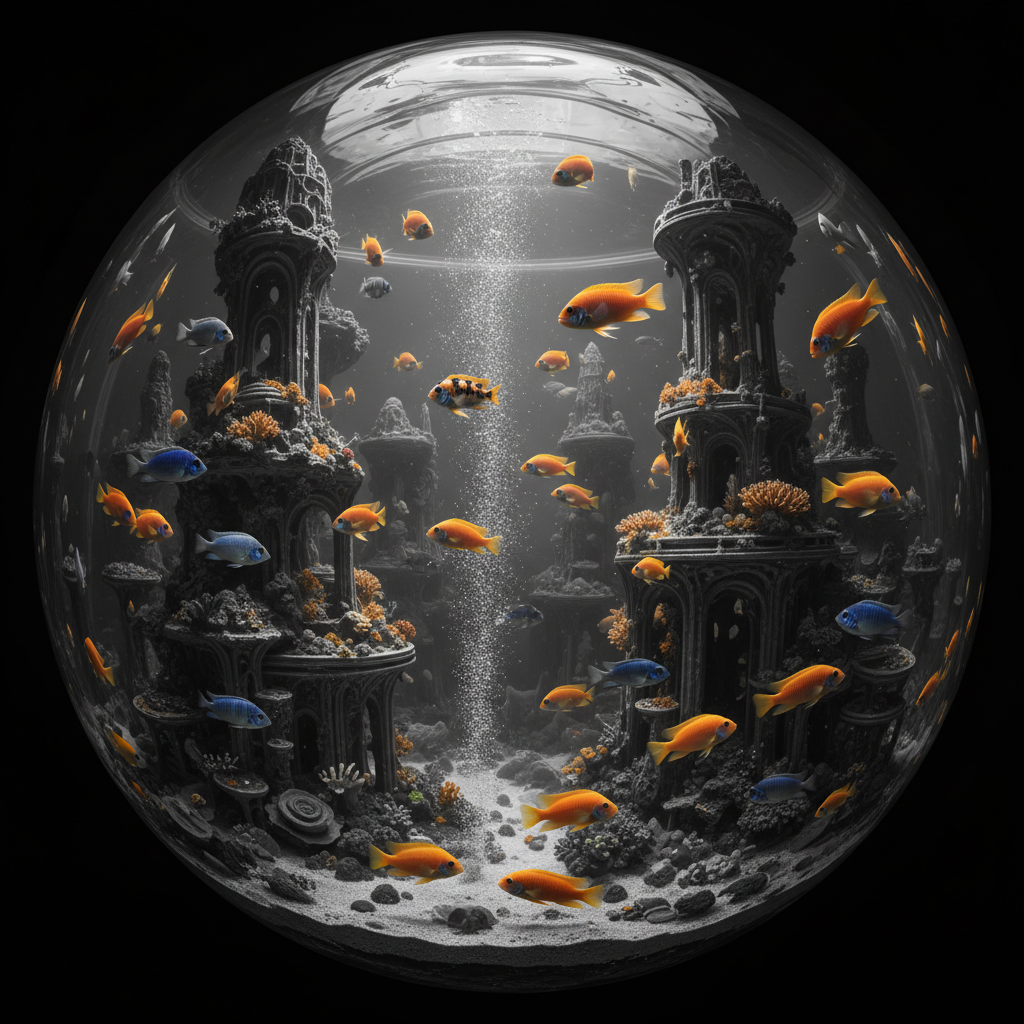
Goldfish: More Than Just Carnival Prizes
The humble goldfish, Carassius auratus, is often relegated to the realm of cheap carnival prizes or feeder fish. They’re seen as disposable and easy to care for. This couldn’t be further from the truth. Goldfish are intelligent, long-lived fish that require surprisingly specific care.
The Space Requirement
One of the biggest mistakes people make with goldfish is keeping them in too small of a tank. Goldfish produce a lot of waste, and in a small tank, the water quality can quickly deteriorate, leading to health problems and even death. A single fancy goldfish requires at least 20 gallons of water, and a common goldfish needs even more – at least 75 gallons. Many people are shocked to learn this, as they’ve been led to believe that goldfish can thrive in tiny bowls.
The Filtration Factor
Proper filtration is also essential for goldfish. They need a powerful filter that can handle their high waste production. Regular water changes are also crucial to maintain good water quality. Without adequate filtration and water changes, goldfish are susceptible to ammonia poisoning, fin rot, and other diseases. I always recommend over-filtering a goldfish tank rather than under-filtering it. It’s better to be safe than sorry.
Beyond the Bowl: Goldfish Enrichment
Goldfish are also surprisingly intelligent and can benefit from enrichment activities. They can be trained to perform simple tricks, like swimming through hoops or pushing a ball. They also enjoy exploring their environment, so providing them with plenty of plants and decorations can help keep them entertained. These are active fish, that benefit from a varied and engaging environment.
Loaches: The Social Butterflies of the Aquarium
Loaches, particularly kuhli loaches and clown loaches, are often overlooked or misunderstood. They’re sometimes seen as bottom feeders or scavengers, but they’re actually fascinating and social fish that can add a lot of personality to an aquarium.
The Social Need
One of the biggest mistakes people make with loaches is keeping them alone. Loaches are highly social creatures and thrive in groups. Kuhli loaches, for example, should be kept in groups of at least six, and clown loaches do best in groups of five or more. When kept alone, they can become stressed and reclusive.
The Hiding Habit
Loaches also need plenty of hiding places. They’re naturally shy fish and appreciate having caves, plants, and driftwood to retreat to when they feel threatened. Without adequate hiding places, they can become stressed and prone to disease. I like to create a complex aquascape with lots of caves and crevices for my loaches to explore. It makes the tank more interesting for them and for me.
The Bottom-Dweller Myth
While loaches do spend a lot of time on the bottom of the tank, they’re not strictly bottom feeders. They’ll actively hunt for food throughout the tank and enjoy a varied diet of sinking pellets, frozen foods, and even live foods. They’re also surprisingly active swimmers and can often be seen darting around the tank in playful bursts of energy. They’re truly delightful to watch.

The Importance of Responsible Research
The aquarium hobby is full of misinformation and outdated advice. It’s crucial to do your own research before purchasing any fish. Don’t rely solely on what you read in online forums or hear from pet store employees. Consult multiple sources, read books, and talk to experienced aquarists. The more you know, the better equipped you’ll be to provide your fish with the care they need to thrive.
Beyond the Label
The key takeaway here is to look beyond the labels and stereotypes that are often applied to aquarium fish. Every species is unique, with its own specific needs and behaviors. By taking the time to understand these nuances, you can create a thriving and harmonious aquarium environment. And who knows, you might even discover a newfound appreciation for a fish that you once thought was “too aggressive” or “too boring.”
I’ve learned over the years that the most rewarding part of this hobby is the constant learning and discovery. There’s always something new to learn, something new to try, and something new to appreciate about these amazing creatures. So, let’s challenge the misconceptions, embrace the diversity, and create a better world for our finned friends.

Ultimately, responsible fish keeping comes down to empathy and a willingness to learn. By understanding the unique needs of each species, we can create environments where they not only survive, but truly thrive. And that, to me, is the greatest reward of all.
My name is Daniel Carter, I am 35 years old, and I live in the United States. I have been passionate about aquariums for many years, and what started as a simple hobby quickly became a lifelong interest in aquatic life, fish behavior, and responsible tank care.
Through TheBrightLance, I share real experiences, practical knowledge, and honest lessons learned from maintaining different types of aquariums. I enjoy testing equipment, studying fish behavior, improving maintenance routines, and helping beginners avoid common mistakes.
My goal is to make aquarism easier, more ethical, and more enjoyable for everyone — whether you are setting up your very first tank or looking to refine your techniques.