
My Journey into the Mesmerizing World of Fish
Hey everyone, Lucas here! For over a decade now, I’ve been completely absorbed by the world of aquariums. It started with a simple goldfish bowl (don’t judge!), and has evolved into a full-blown obsession with creating thriving aquatic ecosystems. I’ve learned so much over the years, not just about the technical aspects of keeping fish, but also about the incredible diversity and fascinating behaviors of different species. Today, I want to share some of the fish that have truly captivated me, the ones that have made me say, “Wow, nature is truly amazing!”
I’m not going to bore you with the common ones everyone knows. Sure, neon tetras are beautiful, and guppies are prolific, but I want to delve into the more unusual and captivating species. These are the fish that have sparked my curiosity, challenged my aquascaping skills, and constantly remind me of the wonders that exist beneath the surface of our planet’s waters.
The Enigmatic Axolotl: More Than Just a “Walking Fish”
Okay, I know, technically the axolotl (Ambystoma mexicanum) isn’t a fish. It’s an amphibian, a type of salamander. But hear me out! These incredible creatures spend their entire lives in a larval state, retaining their feathery gills and aquatic lifestyle. I’ve always been fascinated by their neotenic nature and their almost comical appearance.
What makes the axolotl so fascinating? For starters, their regenerative abilities are mind-blowing. They can regrow entire limbs, spinal cords, and even parts of their brains without scarring. Scientists are studying them extensively to understand these regenerative mechanisms, with the hope of applying that knowledge to human medicine. That alone makes them worthy of admiration.
Beyond their scientific significance, axolotls have a certain charm. Their perpetually smiling faces and delicate gills give them an almost cartoonish quality. They come in a variety of colors, from the classic wild-type dark brown to leucistic (white with black eyes), golden albino, and even pink. Keeping them requires specific conditions – cool, clean water and a diet of meaty foods like bloodworms and small crustaceans – but the reward is watching these incredible creatures thrive in your own home.
I remember the first time I saw an axolotl in person. It was at a local reptile expo (they often have amphibians too). I was immediately drawn to their tank. The way they floated in the water, those delicate gills gently swaying, was mesmerizing. I ended up spending way too much time just watching them. While I haven’t kept axolotls myself (my tank parameters aren’t ideal for them), they remain high on my list of dream aquatic pets.
A Word of Caution: Conservation Matters
It’s crucial to remember that axolotls are critically endangered in the wild. Their native habitat, Lake Xochimilco in Mexico City, has been severely degraded by pollution and habitat loss. If you’re considering keeping axolotls, make sure you obtain them from reputable breeders who prioritize conservation efforts. Avoid supporting the wild capture of these amazing animals. Supporting sustainable breeding programs is the best way to ensure their survival for future generations.

The Electric Elegance of the Elephantnose Fish
Next on my list is the elephantnose fish (Gnathonemus petersii). These fish are truly unique, both in appearance and behavior. They possess an elongated, trunk-like appendage on their chin, which they use to probe the substrate for food. But that “trunk” isn’t just for finding meals; it’s also packed with electroreceptors.
Elephantnose fish are weakly electric, meaning they generate a weak electric field around their body. They use this field to navigate their environment, locate prey, and even communicate with other elephantnose fish. It’s like they have their own built-in sonar system! Watching them navigate a tank, gently probing with their “trunk,” is a fascinating display of sensory adaptation.
Keeping elephantnose fish can be challenging. They require a well-established tank with plenty of hiding places and soft substrate for them to forage. They also prefer dimly lit conditions and a diet of live or frozen foods. They’re not a fish for beginners, but the reward of seeing these intelligent and sensitive creatures thrive is well worth the effort. They are also quite shy and can be easily stressed by boisterous tank mates, so choosing tank mates is very important.
One of the most interesting things I’ve learned about elephantnose fish is their social behavior. They communicate with each other using electric signals, which vary in frequency and amplitude depending on the context. Scientists have even identified specific electric “words” that they use to signal aggression, courtship, and other behaviors. It’s a whole hidden world of communication happening right under our noses!
A Personal Anecdote: The Mysterious Disappearance
I once had an elephantnose fish in my community tank. I named him “Trunky” (original, I know!). He was a shy but fascinating addition to the aquarium. One day, Trunky vanished. I searched everywhere, convinced he had jumped out of the tank (which was covered). I tore the entire tank apart, checking behind every rock and plant. Nothing. I was baffled. Weeks later, during a routine filter cleaning, I found him. He had somehow managed to squeeze himself into the intake tube of the filter! It was a tight fit, and I’m not sure how he survived, but he was alive and well. After that, I made sure to cover the filter intake with a sponge to prevent any future adventures.
The Ghostly Beauty of the Glass Catfish
Have you ever seen a fish that looks like it’s made of glass? That’s exactly what the glass catfish (Kryptopterus vitreolus) is. These fascinating fish are almost entirely transparent, allowing you to see their internal organs. It’s a truly surreal experience to watch them swim through the water, their skeletons and digestive tracts visible through their translucent bodies.
Glass catfish are peaceful and social fish, preferring to live in schools. They require a well-planted tank with soft, slightly acidic water. Their diet consists of small invertebrates and plankton. They can be a bit sensitive to water quality, so regular water changes are essential.
What I find particularly captivating about glass catfish is their ethereal beauty. They seem to float effortlessly through the water, their transparent bodies blending seamlessly with their surroundings. It’s like watching a school of ghosts gliding through the aquarium. They create a sense of tranquility and wonder that few other fish can match. Seeing them schoal together is a beautiful sight.
One thing to keep in mind is that glass catfish can be easily stressed by bright lights. They prefer dimly lit conditions, which mimic their natural habitat in the shaded streams of Southeast Asia. Providing plenty of plants and hiding places will help them feel secure and comfortable.

The Ancient Wonder of the Bichir
If you’re looking for a fish that looks like it belongs in a prehistoric swamp, look no further than the bichir (Polypterus spp.). These ancient fish have changed very little over millions of years, making them living fossils. They possess elongated bodies, multiple dorsal finlets, and a pair of primitive lungs, allowing them to breathe air. They almost look like a dragon or mythical serpent.
Bichirs are predatory fish, feeding on smaller fish, insects, and crustaceans. They require a large tank with plenty of hiding places and a secure lid, as they are known to escape. They can grow to impressive sizes, depending on the species, with some reaching over two feet in length. I saw one at a fish store that was nearly three feet! It was incredible.
What I find so fascinating about bichirs is their evolutionary history. They represent a link to the past, a reminder of the ancient origins of fishes. Their primitive lungs are a testament to their adaptation to oxygen-poor environments. They are also incredibly hardy and long-lived, making them a rewarding addition to a dedicated aquarist’s collection.
Keeping bichirs requires a commitment to providing them with the appropriate environment and diet. They are not a fish for beginners, but for experienced aquarists who appreciate their unique characteristics, they are truly captivating creatures. Seeing them glide along the bottom of the tank, their bodies undulating like serpents, is a truly awe-inspiring sight.
A Cautionary Tale: The Escape Artist
A friend of mine once kept a Senegal bichir in his aquarium. He thought he had a secure lid on the tank, but one morning he woke up to find the bichir missing. He searched everywhere, eventually finding it dried out and lifeless behind the fish tank. It was a tragic reminder of the importance of a secure lid when keeping these escape artists. They are deceptively strong and agile, and they will take any opportunity to explore beyond the confines of their aquarium.
The Leafy Camouflage of the Leaf Fish
Finally, let’s talk about the leaf fish (Monocirrhus polyacanthus). These masters of disguise are perfectly camouflaged to resemble dead leaves floating in the water. They possess flattened bodies, mottled coloration, and even a small appendage on their chin that mimics a leaf stem. They are ambush predators, lying in wait for unsuspecting prey to swim by.
Leaf fish require a well-planted tank with soft, acidic water. They prefer dimly lit conditions and a diet of live food, such as small fish and insects. They can be challenging to feed, as they often refuse to eat anything that doesn’t resemble live prey. But the reward of seeing them successfully hunt is well worth the effort.
What I find so remarkable about leaf fish is their incredible camouflage. They are virtually invisible in their natural habitat, blending seamlessly with the leaf litter on the bottom of the stream. It’s a testament to the power of natural selection and the ingenuity of evolution. Watching them slowly drift through the water, mimicking the movements of a dead leaf, is a mesmerizing display of deception.
Keeping leaf fish requires patience and dedication. They are not a fish for those who want instant gratification. But for aquarists who appreciate the subtle beauty of nature and the challenge of replicating a natural environment, they are truly rewarding creatures. They remind me that beauty can be found in the most unexpected places, even in a fish that looks like a dead leaf.

The Importance of Responsible Fishkeeping
As much as I love these fascinating fish, it’s crucial to remember that responsible fishkeeping is paramount. Before acquiring any fish, it’s essential to research their specific needs, including tank size, water parameters, diet, and social behavior. Avoid impulsive purchases and only acquire fish that you can properly care for. Supporting sustainable aquaculture and avoiding the wild capture of endangered species are also crucial for the long-term health of our aquatic ecosystems.
There are so many other amazing fish species out there. From the vibrant colors of the Discus to the quirky personality of the pufferfish, the world of aquariums is full of endless surprises. It’s a journey of continuous learning and discovery. I encourage you to explore the possibilities, learn about different species, and create your own unique aquatic world. But always remember to do it responsibly, with the well-being of the fish as your top priority.
My Ever-Evolving Aquarium Philosophy
Over the years, my aquarium philosophy has shifted. I used to be all about the flashiest fish and the most elaborate aquascapes. Now, I’m more focused on creating healthy, sustainable ecosystems that mimic the natural habitats of my fish. I believe that providing fish with the right environment, diet, and social interactions is the key to their well-being. And a happy fish is a beautiful fish!
I’ve also come to appreciate the importance of simplicity. You don’t need a fancy tank or expensive equipment to create a thriving aquarium. Sometimes, the simplest setups are the most effective. A well-planted tank with good filtration and regular water changes can be just as rewarding as a high-tech display tank. In fact, I often find that the simpler tanks are easier to maintain and less prone to problems. Simplicity has become my guide.

The Future of My Aquatic Adventures
Looking ahead, I’m excited to continue exploring the world of aquariums. I’m particularly interested in learning more about biotope aquariums, which attempt to replicate the specific environmental conditions of a particular geographic region. I’m also keen to experiment with different aquascaping techniques and create even more natural and sustainable ecosystems. There is always something new to learn and explore.
I hope this article has inspired you to delve deeper into the fascinating world of fish. Whether you’re a seasoned aquarist or just starting out, there’s always something new to discover. So, grab a book, visit your local fish store, and start exploring the amazing diversity of life beneath the water’s surface. You might just find yourself as captivated as I am!
And that’s a wrap! Thanks for joining me on this aquatic adventure. I’m always happy to share my experiences and learn from others. Feel free to leave a comment below with your favorite fish species or any questions you might have. Happy fishkeeping!
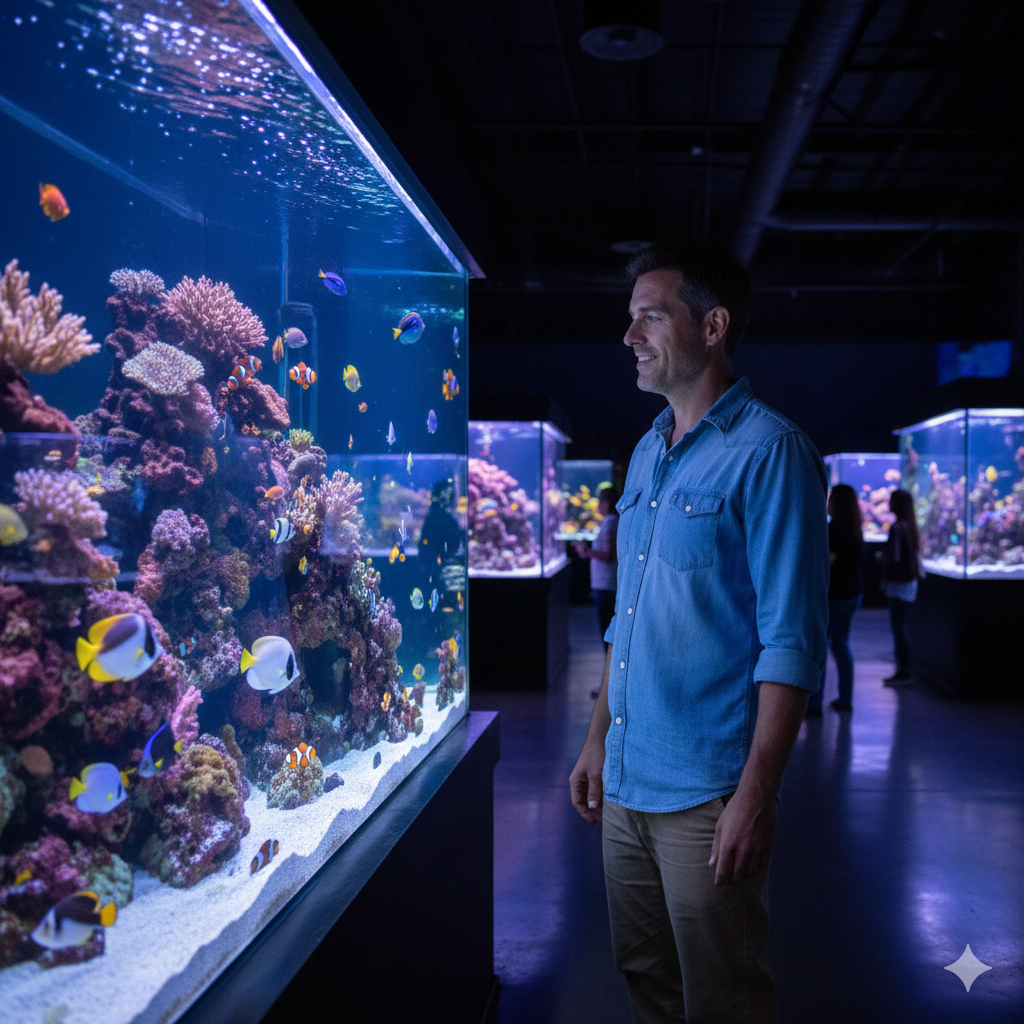
My name is Daniel Carter, I am 35 years old, and I live in the United States. I have been passionate about aquariums for many years, and what started as a simple hobby quickly became a lifelong interest in aquatic life, fish behavior, and responsible tank care.
Through TheBrightLance, I share real experiences, practical knowledge, and honest lessons learned from maintaining different types of aquariums. I enjoy testing equipment, studying fish behavior, improving maintenance routines, and helping beginners avoid common mistakes.
My goal is to make aquarism easier, more ethical, and more enjoyable for everyone — whether you are setting up your very first tank or looking to refine your techniques.