
My Journey Into Aquascaping (and the Stumbles Along the Way)
Hey everyone, Lucas here. For the past decade, I’ve been completely immersed in the world of aquariums. What started as a simple curiosity has blossomed into a full-blown passion. I’ve learned so much over the years, not just about fishkeeping, but about patience, problem-solving, and the delicate balance of nature. But believe me, it wasn’t always smooth sailing. I’ve made my fair share of mistakes, some of which cost me time, money, and yes, even fish. I’m here to share those experiences with you, especially if you’re just starting out, so you can hopefully avoid the same pitfalls I encountered.
I remember the day I brought home my first aquarium. It was a standard 20-gallon tank, and I was so excited to fill it with colorful fish. I rushed to the local pet store, grabbed a bunch of “community” fish that looked appealing, and dumped them into the tank as soon as I got home. No cycling, no quarantine, just pure, unadulterated enthusiasm. You can probably guess what happened next.
The Perils of Impatience: The Cycling Fiasco
One of the biggest mistakes I made early on was not understanding the nitrogen cycle. I’d heard the term “cycling” thrown around, but I didn’t really grasp its importance. I figured, “Water is water, right? Just add fish and everything will be fine.” Oh, how wrong I was.
Understanding the Nitrogen Cycle
The nitrogen cycle is the foundation of a healthy aquarium ecosystem. It’s the process by which beneficial bacteria convert harmful ammonia (produced by fish waste, decaying food, and plant matter) into less toxic nitrites, and then into even less toxic nitrates. These nitrates can then be removed through regular water changes. Without a properly established nitrogen cycle, ammonia and nitrite levels will skyrocket, poisoning your fish.
My Cycling Disaster
Within a few days of adding my fish, I noticed they were acting strangely. They were gasping at the surface, their fins were clamped, and they were generally lethargic. I did a quick Google search (after the fact, of course) and realized I was experiencing “New Tank Syndrome.” Ammonia and nitrite levels were off the charts. I was devastated. I tried everything I could think of – frequent water changes, ammonia detoxifiers – but it was too late. I lost almost all of my fish. It was a heartbreaking experience, and a harsh lesson learned.
That experience taught me the crucial importance of patience. Cycling a tank properly takes time, usually several weeks. There are different methods you can use, such as fishless cycling (using ammonia to feed the bacteria) or using established filter media from another aquarium to jumpstart the process. The key is to test your water regularly with a reliable test kit and ensure that ammonia and nitrite levels are consistently at zero before adding any fish. Had I taken the time to do my research and cycle my tank properly, I could have saved myself a lot of heartache (and a lot of fish).

Cheap Equipment: A Costly Mistake
Being on a tight budget when I first started, I thought I could save money by buying the cheapest equipment I could find. A low-cost filter, a basic heater, and a no-name aquarium light seemed like a smart way to cut costs. In the long run, it turned out to be a major mistake.
The Filter Fiasco
My cheap filter barely provided any filtration. The water remained cloudy, and I constantly struggled with algae blooms. It was also noisy and unreliable, constantly breaking down and requiring frequent replacements. A good filter is essential for maintaining water quality and removing debris. Investing in a quality filter from the start would have saved me a lot of headaches and money in the long run.
Heater Havoc
My budget heater was even worse. It was incredibly inaccurate, causing wild temperature fluctuations in the tank. One day the water would be freezing cold, the next day it would be scalding hot. These fluctuations stressed my fish and made them susceptible to disease. A reliable heater with a built-in thermostat is crucial for maintaining a stable temperature, which is essential for the health of your fish.
The Dim Light Disaster
And the aquarium light? Don’t even get me started. It provided so little light that my plants struggled to grow, and the tank looked dull and unappealing. Proper lighting is essential for plant growth and for showcasing the beauty of your aquarium. While you don’t need to break the bank on high-end lighting, investing in a decent LED light will make a world of difference.
The lesson here is that while it’s tempting to save money on equipment, it’s often a case of being penny-wise and pound-foolish. Cheap equipment is often unreliable, inefficient, and can even harm your fish. Investing in quality equipment from the start will save you money and frustration in the long run, and it will create a much healthier and more enjoyable environment for your fish.
Overstocking: A Recipe for Disaster
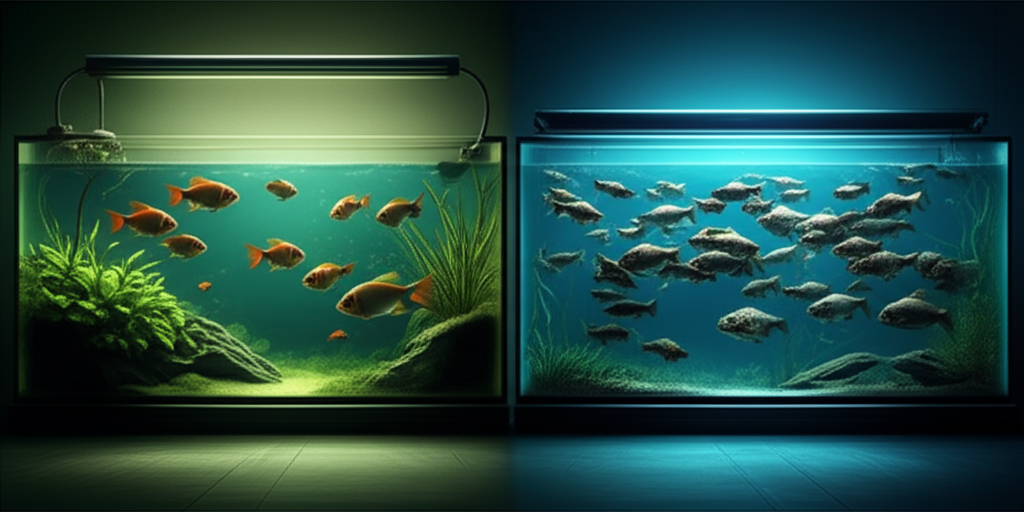
Another common mistake I made was overstocking my tank. I was so eager to fill my aquarium with as many different species as possible that I completely ignored the needs of the fish. I didn’t consider their adult size, their compatibility with other species, or their individual space requirements.
The Consequences of Crowding
The consequences of overstocking were predictable. My fish were stressed, aggressive, and prone to disease. The water quality deteriorated rapidly, despite my best efforts. The filter was constantly overloaded, and I was constantly battling algae blooms. Overstocking creates a stressful and unhealthy environment for your fish, and it can lead to a whole host of problems.
Research Before You Buy
It’s essential to research the needs of each species before you add them to your tank. Consider their adult size, their temperament, their water parameter requirements, and their social needs. A general rule of thumb is to allow at least one gallon of water per inch of adult fish size. However, this is just a guideline, and some species require more space than others. For example, active swimmers like tetras and rasboras need plenty of open swimming space, while territorial fish like cichlids need caves and hiding places to call their own.
Take your time, research carefully, and don’t be tempted to overstock your tank. It’s better to have a few healthy and happy fish than a crowded tank full of stressed and diseased individuals.
Ignoring Water Changes: A Gradual Demise
In the beginning, I underestimated the importance of regular water changes. I thought that as long as the filter was running, the water would stay clean. I couldn’t have been more wrong. Water changes are essential for removing nitrates, replenishing essential minerals, and maintaining overall water quality.
The Accumulation of Toxins
Even with a good filter, nitrates will gradually accumulate in the water over time. High nitrate levels can stress your fish and make them susceptible to disease. Water changes remove these nitrates and keep the water fresh and healthy. Think of it like this: your filter is like a dishwasher, it cleans the visible mess. But a water change is like taking out the trash – it removes the waste products that the filter can’t handle.
The Right Way to Change Water
I learned the hard way that not all water changes are created equal. Initially, I wasn’t dechlorinating the tap water before adding it to the tank. Chlorine and chloramine, which are commonly used to disinfect tap water, are highly toxic to fish. I also wasn’t matching the temperature of the new water to the temperature of the tank water, which caused temperature shock and stressed my fish. I now use a dechlorinator to remove chlorine and chloramine, and I always make sure the new water is the same temperature as the tank water. Typically, a 25-50% water change every one to two weeks is a good starting point, but you may need to adjust this depending on the size of your tank, the number of fish you have, and the type of filter you’re using.
Regular water changes are one of the easiest and most effective ways to maintain a healthy aquarium. Don’t skip them! Your fish will thank you for it.
The Lure of “Easy” Fish: Ignoring Compatibility
When I first started, I was drawn to fish that were labeled as “easy” or “beginner-friendly.” However, I didn’t always consider their compatibility with other species in the tank. This led to some unfortunate conflicts and even fatalities.
The Bully in the Tank
I once added a beautiful Betta fish to my community tank, thinking it would be a peaceful addition. However, the Betta turned out to be a bully, relentlessly chasing and nipping at the fins of my other fish. The other fish became stressed and withdrawn, and some even developed fin rot. I eventually had to remove the Betta and set up a separate tank for him.
The Fin-Nipping Frenzy
Another time, I added a group of tiger barbs to my tank, attracted by their striking stripes and active behavior. However, I soon discovered that tiger barbs are notorious fin-nippers. They relentlessly harassed my long-finned guppies, eventually tearing their fins to shreds. I had to rehome the tiger barbs to a more appropriate tank.
Do Your Research on Species
It’s crucial to research the temperament and compatibility of each species before you add them to your tank. Some fish are naturally aggressive or territorial, while others are peaceful and community-oriented. Avoid mixing aggressive species with peaceful species, and avoid keeping fin-nippers with long-finned fish. A little research can save you a lot of heartache and prevent unnecessary stress and suffering for your fish.

Neglecting Quarantine: A Costly Outbreak
One of the biggest regrets I have is not quarantining new fish before adding them to my main tank. I was always so eager to get my new fish into their permanent home that I skipped this crucial step. This led to several devastating disease outbreaks that wiped out entire populations of fish.
The Silent Carriers
New fish can often carry diseases or parasites without showing any symptoms. These diseases can quickly spread to other fish in the tank, especially if they are already stressed or weakened. A quarantine tank provides a safe place to observe new fish for any signs of illness and to treat them if necessary, before they can infect your main tank.
My Ich Epidemic
I learned this lesson the hard way when I introduced a new batch of tetras to my tank without quarantining them. A few days later, I noticed tiny white spots all over my fish. It was ich, a common parasitic disease that can be fatal if left untreated. The ich spread like wildfire through my tank, infecting almost all of my fish. I spent weeks treating the tank with medication, and I lost several fish in the process. If I had simply quarantined the new tetras, I could have prevented this entire outbreak.
Setting up a Quarantine Tank
A quarantine tank doesn’t have to be fancy. A simple 10-gallon tank with a filter, heater, and air stone is sufficient. Keep the quarantine tank separate from your main tank, and use separate equipment (nets, gravel vacuums, etc.) to avoid cross-contamination. Observe new fish for at least two to four weeks before adding them to your main tank. If you notice any signs of illness, treat them promptly with appropriate medication.
Ignoring the Plants: The Missing Piece
For a long time, I saw plants as just decorations. I didn’t really understand their importance in creating a healthy and balanced aquarium ecosystem. I now realize that plants are an essential part of a thriving aquarium.
The Benefits of Live Plants
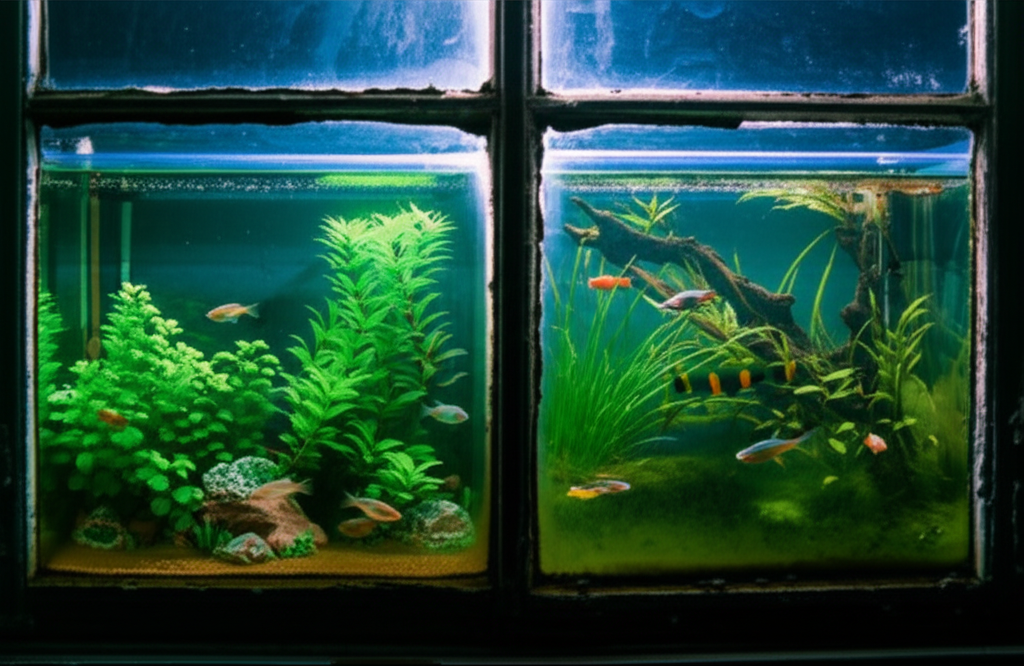
Live plants provide numerous benefits to your aquarium. They absorb nitrates, helping to keep the water clean. They produce oxygen, which is essential for fish respiration. They provide shelter and hiding places for fish, reducing stress and aggression. And they add a natural and beautiful aesthetic to your tank.
My Algae Struggles
Before I started adding live plants, I constantly struggled with algae blooms. The algae would coat the glass, the decorations, and even the fish. It was a constant battle to keep the tank clean. Once I started adding live plants, the algae problems gradually disappeared. The plants outcompeted the algae for nutrients, and the tank became much more balanced.
Choosing the Right Plants
Not all plants are created equal. Some plants are easier to care for than others. If you’re a beginner, start with easy-to-grow plants like Java moss, anubias, and Java fern. These plants are low-maintenance and can thrive in a variety of conditions. As you gain experience, you can experiment with more demanding plants like stem plants and carpeting plants.
Looking back on my early years in the aquarium hobby, I can see how many mistakes I made. But I don’t regret those mistakes. They were valuable learning experiences that shaped me into the aquarist I am today. I hope that by sharing my experiences, I can help other beginners avoid the same pitfalls and enjoy the rewarding experience of creating and maintaining a beautiful and healthy aquarium.
So, what’s the biggest takeaway from all this? It’s simple: research, patience, and observation. Take the time to learn about the needs of your fish, cycle your tank properly, and invest in quality equipment. Observe your fish regularly for any signs of illness or stress, and don’t be afraid to ask for help from experienced aquarists. With a little effort, you can create a thriving aquarium that will bring you years of enjoyment. And remember, even the most experienced aquarists make mistakes. The key is to learn from those mistakes and keep improving.
My name is Daniel Carter, I am 35 years old, and I live in the United States. I have been passionate about aquariums for many years, and what started as a simple hobby quickly became a lifelong interest in aquatic life, fish behavior, and responsible tank care.
Through TheBrightLance, I share real experiences, practical knowledge, and honest lessons learned from maintaining different types of aquariums. I enjoy testing equipment, studying fish behavior, improving maintenance routines, and helping beginners avoid common mistakes.
My goal is to make aquarism easier, more ethical, and more enjoyable for everyone — whether you are setting up your very first tank or looking to refine your techniques.