
My First Aquarium: A Comedy of Errors (and How You Can Avoid Them)
Okay, let’s be real. My first attempt at keeping an aquarium was, shall we say, less than stellar. I envisioned a tranquil, miniature underwater paradise in my living room. What I actually got was more like a murky soup with stressed-out fish and a rapidly multiplying algae bloom. I’m Lucas Anderson, and I’ve been keeping freshwater aquariums for over a decade now. I’ve learned a lot since that initial disaster, mostly through trial and error (and a hefty dose of online research). I want to share my mistakes with you, so you can skip the heartache and head straight for the joy of a thriving aquarium.
The Impulsive Purchase: Setting the Stage for Failure
It all started with a trip to a big-box pet store. I was mesmerized by the tanks filled with brightly colored fish, waving plants, and bubbling decorations. I walked in with no plan, no research, and no clue. The friendly (and probably commission-driven) salesperson convinced me that a 10-gallon tank would be “perfect” for a beginner. They bundled together a tank, a filter, a heater, some gravel, a plastic plant, and a handful of neon tetras. It seemed like a great deal at the time, but it was the first domino in a long chain of mistakes.
Looking back, I realize the biggest mistake was the lack of research. I didn’t understand the nitrogen cycle, the importance of water parameters, or the specific needs of the fish I was buying. I was operating purely on aesthetics, choosing fish based on their color and ignoring their compatibility, size requirements, and temperament. This impulsive purchase set the stage for a whole host of problems down the road.
The Nitrogen Cycle: My First Rude Awakening
Remember that “perfect” setup I bought? Well, within a week, things started going south. The water became cloudy, the fish seemed lethargic, and one of them even died. I was baffled. I was feeding them, I had a filter running, what was going wrong? That’s when I stumbled upon the concept of the nitrogen cycle. This is the fundamental process that keeps an aquarium healthy, and I had completely ignored it.
In a nutshell, the nitrogen cycle is the conversion of harmful ammonia (produced by fish waste and decaying organic matter) into less harmful nitrates. This process is carried out by beneficial bacteria that colonize the filter, gravel, and other surfaces in the tank. Without these bacteria, ammonia levels quickly rise to toxic levels, poisoning the fish.
My brand-new tank had no established beneficial bacteria. I had essentially thrown the fish into a toxic waste dump. I learned this lesson the hard way, through the loss of several fish. To fix the problem, I had to perform frequent water changes to dilute the ammonia, and I added a bacteria starter culture to help establish the nitrogen cycle. It was a slow and stressful process, but eventually, the tank stabilized. The experience taught me the importance of patience and proper cycling before adding any fish to a new aquarium.
The Importance of Cycling: A Practical Example
Let’s say you’re setting up a new 20-gallon tank. Before you even think about adding fish, you need to cycle the tank. There are two main methods: fishless cycling and cycling with hardy fish. Fishless cycling is generally considered the more humane option, as it doesn’t involve exposing fish to harmful ammonia and nitrite levels.
To perform fishless cycling, you’ll need an ammonia source (pure ammonia is best, but fish food can also work), a test kit to measure ammonia, nitrite, and nitrate levels, and a dechlorinator to treat your tap water. Start by adding ammonia to the tank until the ammonia level reaches around 2-4 ppm. Then, monitor the water parameters daily. Over time, you’ll see the ammonia level drop to zero, followed by a rise in nitrite levels. Eventually, the nitrite level will also drop to zero, and nitrate levels will start to rise. This indicates that the nitrogen cycle is established. You can then perform a large water change to reduce the nitrate level before adding fish.
Cycling with hardy fish involves adding a small number of hardy fish (like danios or white cloud mountain minnows) to the tank and monitoring the water parameters closely. You’ll need to perform frequent water changes to keep the ammonia and nitrite levels within safe limits. This method is more stressful for the fish, but it can be a quicker way to establish the nitrogen cycle. The key is to choose hardy fish that can tolerate the initial ammonia and nitrite spikes, and to monitor the water parameters diligently.

Overcrowding: A Recipe for Disaster
Another major mistake I made was overcrowding the tank. I had that 10-gallon tank, and I wanted to fill it with as many colorful fish as possible. I added those neon tetras, some guppies, a couple of corydoras catfish, and even a small pleco (thinking it would clean the algae). I didn’t realize that each fish species has specific space requirements, and that overcrowding can lead to a whole host of problems.
Overcrowding stresses the fish, making them more susceptible to disease. It also leads to poor water quality, as the filter struggles to keep up with the increased waste production. The fish were constantly fighting for resources, and the water was always cloudy. It was a miserable environment for everyone involved. I eventually realized that I needed to upgrade to a larger tank and rehome some of the fish to give them the space they needed.
The “Inch Per Gallon” Rule: A Helpful Guideline (But Not a Hard and Fast Rule)
You may have heard of the “inch per gallon” rule, which suggests that you can keep one inch of fish per gallon of water in your aquarium. While this rule can be a helpful guideline, it’s not a hard and fast rule. It doesn’t take into account the specific needs of different fish species, their activity levels, or their social behavior.
For example, a 5-inch goldfish requires much more space than five 1-inch neon tetras. Goldfish produce a lot of waste and need a lot of swimming room. Similarly, active fish like danios need more space than sedentary fish like bettas. It’s important to research the specific needs of each fish species you want to keep and to provide them with adequate space to thrive.
A better approach is to consider the adult size of the fish, their activity level, and their social behavior when determining how many fish you can keep in your tank. You should also factor in the filtration capacity of your filter and the frequency of your water changes. Overstocking is a common mistake, especially for beginners, so it’s always better to err on the side of caution and provide your fish with plenty of space.
Incompatible Tank Mates: When Fish Fight
Beyond overcrowding, I also didn’t consider the compatibility of the fish I was keeping. I had a beautiful Betta, also known as a Siamese fighting fish, in the same tank as those guppies. Bettas are known for their aggressive nature, especially towards other brightly colored, long-finned fish like guppies. It didn’t take long for the Betta to start harassing the guppies, nipping at their fins and stressing them out. I didn’t realize that Bettas are best kept alone or with peaceful, non-flashy tank mates.
The lesson here is to research the temperament and social behavior of each fish species before adding them to your aquarium. Some fish are naturally aggressive and territorial, while others are peaceful and community-oriented. Mixing incompatible fish can lead to stress, injury, and even death.
Research is Key: Building a Harmonious Community
Before you introduce any fish to your aquarium, spend some time researching their compatibility. Websites and forums dedicated to aquarium keeping are invaluable resources for learning about the specific needs of different fish species. Look for information on their temperament, social behavior, size requirements, and water parameter preferences.
For example, if you’re interested in keeping a community tank, you might consider fish like neon tetras, corydoras catfish, and rasboras. These fish are generally peaceful and get along well with each other. Avoid keeping aggressive fish like cichlids with smaller, more peaceful fish. Also, be mindful of fish that have similar body shapes or finnage, as they may be mistaken for rivals and trigger aggression. A little research can go a long way in creating a harmonious and thriving aquarium community.

The Algae Bloom: A Green Monster
Ah, algae. The bane of every aquarist’s existence. Despite my best efforts, my tank was soon overrun with algae. Green algae coated the glass, brown algae covered the plants, and even some string algae started to appear. It was a mess. I tried everything: scrubbing the glass, reducing the lighting, adding algae-eating snails. But nothing seemed to work. I later learned that algae blooms are often caused by an imbalance of nutrients in the water, particularly excess phosphates and nitrates.
My initial setup didn’t include proper lighting for live plants, so they weren’t able to effectively utilize the nutrients in the water. This left the algae to thrive. I also wasn’t performing regular water changes, which allowed the nutrient levels to build up. The combination of these factors created the perfect conditions for an algae bloom. It was a frustrating experience, but it taught me the importance of maintaining a balanced ecosystem in the aquarium.
Controlling Algae: A Multi-Faceted Approach
Controlling algae in an aquarium requires a multi-faceted approach. There’s no single “magic bullet” that will eliminate algae completely. The key is to address the underlying causes of the algae bloom and to maintain a balanced ecosystem.
Here are some effective strategies for controlling algae:
- Proper Lighting: Provide adequate lighting for your live plants. Healthy plants will compete with algae for nutrients and help to maintain a balanced ecosystem.
- Regular Water Changes: Perform regular water changes (typically 25-50% per week) to remove excess nutrients and keep the water clean.
- Nutrient Control: Monitor the nutrient levels in your water and take steps to reduce them if necessary. This may involve using phosphate-absorbing media in your filter or reducing the amount of food you’re feeding your fish.
- Algae-Eating Animals: Introduce algae-eating animals to your tank, such as snails (Nerite snails are a good choice), shrimp (Amano shrimp are excellent algae eaters), and certain types of fish (like Otocinclus catfish).
- Manual Removal: Manually remove algae from the glass and decorations using an algae scraper or a toothbrush.
By combining these strategies, you can effectively control algae and maintain a clean and healthy aquarium.
Overfeeding: More Harm Than Good
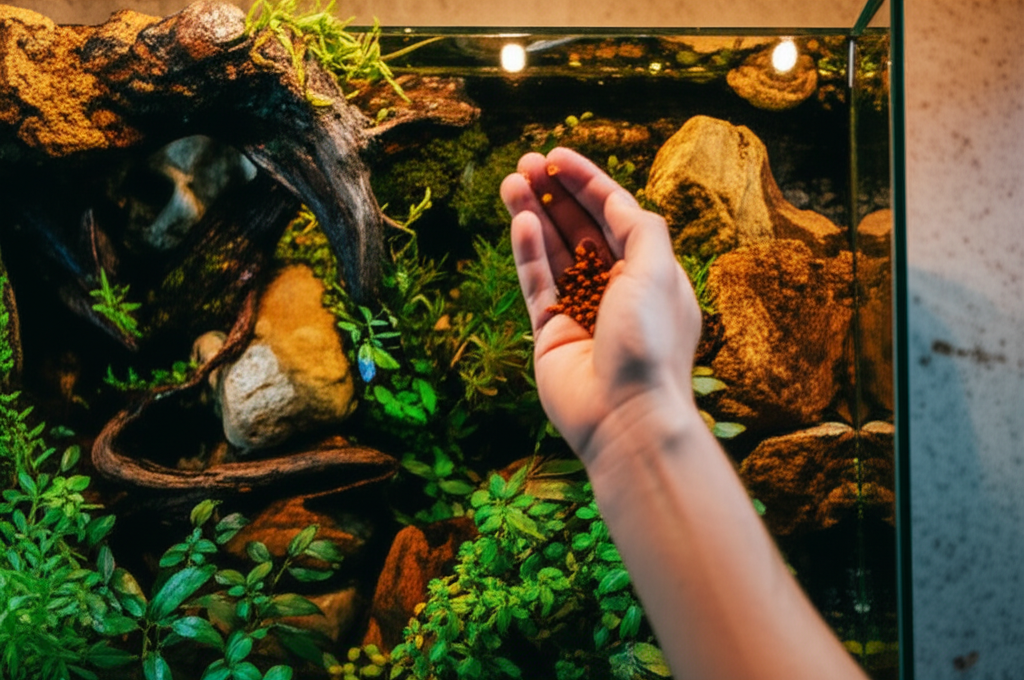
Another mistake I made was overfeeding my fish. I thought I was being a good fish parent by giving them plenty of food, but I didn’t realize that uneaten food can quickly decompose and pollute the water. This leads to elevated ammonia and nitrite levels, which are toxic to fish. It also contributes to algae blooms, as the decomposing food releases nutrients into the water.
I was also using a low-quality fish food that was high in fillers and low in nutrients. This meant that the fish weren’t getting the nutrition they needed, and they were producing more waste. I learned that it’s better to feed your fish a small amount of high-quality food once or twice a day, rather than a large amount of low-quality food. The fish should be able to consume all of the food within a few minutes.
The Right Amount of Food: A Simple Test
Determining the right amount of food to feed your fish can be tricky, but there’s a simple test you can use. Observe your fish during feeding time. If they consume all of the food within a few minutes, you’re probably feeding them the right amount. If there’s uneaten food left over after a few minutes, you’re overfeeding them. Reduce the amount of food you’re giving them until they consume it all within a few minutes.
It’s also important to choose a high-quality fish food that is appropriate for the species of fish you’re keeping. Look for foods that are high in protein and low in fillers. Avoid foods that contain artificial colors or preservatives. A good quality fish food will provide your fish with the nutrients they need to thrive and will produce less waste.
Neglecting Water Changes: A Recipe for Stagnation
I mentioned water changes earlier, but it’s worth emphasizing how crucial they are for maintaining a healthy aquarium. I was initially hesitant to perform water changes, as I thought they would disrupt the tank’s ecosystem. I now realize that the opposite is true. Regular water changes are essential for removing excess nutrients, reducing the buildup of toxins, and replenishing essential minerals. I wasn’t doing them often enough, and as a result, my water quality suffered.
Think of your aquarium as a closed ecosystem. Fish produce waste, uneaten food decomposes, and plants release organic matter. Over time, these substances accumulate in the water, creating an unhealthy environment for the fish. Water changes help to remove these substances and keep the water clean and fresh. They also help to maintain stable water parameters, which is essential for the health and well-being of the fish.
The Simple Act of Changing Water: A Step-by-Step Guide
Performing water changes is a simple process, but it’s important to do it correctly to avoid stressing the fish. Here’s a step-by-step guide:
- Gather Your Supplies: You’ll need a bucket, a siphon (or gravel vacuum), a dechlorinator, and a thermometer.
- Prepare the Water: Fill the bucket with fresh tap water. Add dechlorinator to remove chlorine and chloramine, which are harmful to fish. Use a thermometer to ensure that the water is the same temperature as the water in the aquarium.
- Siphon the Gravel: Use the siphon to vacuum the gravel, removing debris and uneaten food. Be careful not to disturb the roots of your plants.
- Remove Water: Remove 25-50% of the water from the aquarium.
- Add the New Water: Slowly pour the fresh water into the aquarium, being careful not to disturb the gravel or decorations.
- Monitor the Fish: Observe the fish for any signs of stress. If they seem distressed, perform a smaller water change next time.
Performing regular water changes is one of the most important things you can do to keep your aquarium healthy. Aim to perform a 25-50% water change every week or two, depending on the size of your tank and the number of fish you have.
My Tank Today: A Thriving Ecosystem
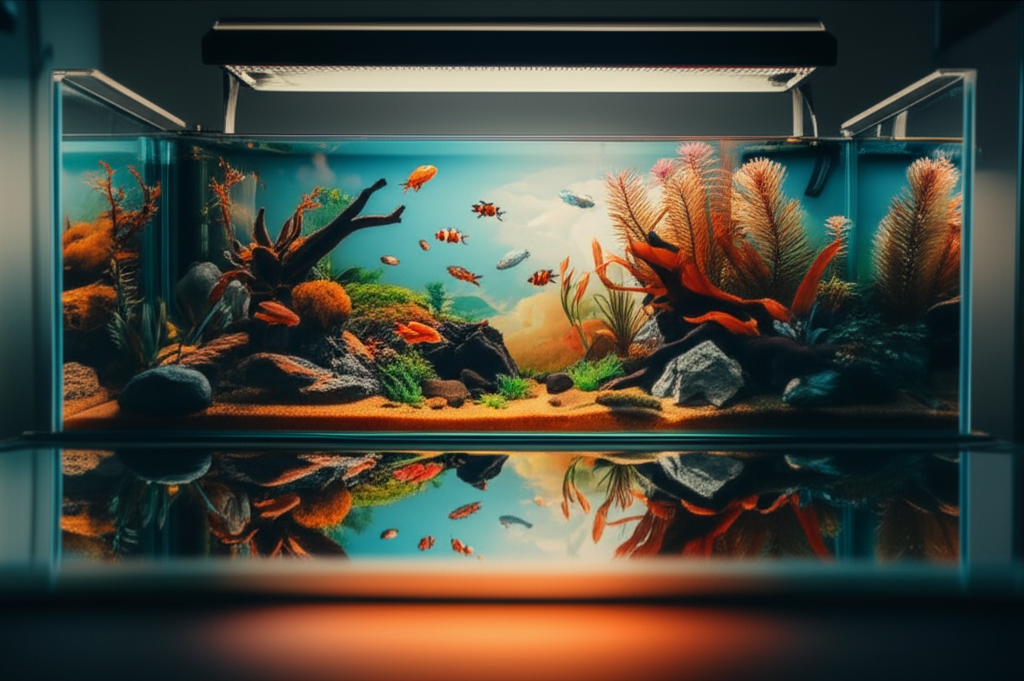
After all those early mistakes, I finally got the hang of things. My current aquarium is a thriving ecosystem, filled with healthy fish, lush plants, and crystal-clear water. It’s a far cry from the murky soup I started with. I learned from my mistakes, and I’m now a passionate advocate for proper aquarium keeping. I still make mistakes from time to time, but I’m better equipped to deal with them. The key is to be patient, to do your research, and to learn from your experiences.
It wasn’t easy, but the journey was worth it. The tranquility and beauty of a well-maintained aquarium are truly rewarding. The lessons I learned extend beyond the aquarium itself. I’ve learned about responsibility, patience, and the interconnectedness of ecosystems. It’s a hobby that has brought me a great deal of joy, and I hope it can do the same for you. It is a great hobby for people of all ages and a very unique and fun learning opportunity.
So, take my advice, learn from my errors, and create the aquarium of your dreams. Do your research, cycle your tank properly, don’t overcrowd, choose compatible tank mates, control algae, don’t overfeed, perform regular water changes, and be patient. If you do these things, you’ll be well on your way to creating a beautiful and healthy underwater world that you can enjoy for years to come. The journey may have its challenges, but the reward of a thriving aquarium is well worth the effort.
My name is Daniel Carter, I am 35 years old, and I live in the United States. I have been passionate about aquariums for many years, and what started as a simple hobby quickly became a lifelong interest in aquatic life, fish behavior, and responsible tank care.
Through TheBrightLance, I share real experiences, practical knowledge, and honest lessons learned from maintaining different types of aquariums. I enjoy testing equipment, studying fish behavior, improving maintenance routines, and helping beginners avoid common mistakes.
My goal is to make aquarism easier, more ethical, and more enjoyable for everyone — whether you are setting up your very first tank or looking to refine your techniques.