
My Naive Start in Aquariums: The Siren Song of Beginner Kits
I’ll never forget the day I walked into that big-box pet store, bright-eyed and full of optimism. I envisioned a vibrant underwater world teeming with life, a tranquil escape right in my living room. The “Beginner Aquarium Kit” seemed like the perfect, hassle-free solution. A 10-gallon tank, filter, heater, gravel, a plastic plant, and a sample of water conditioner – everything I needed, or so I thought. Looking back, that kit was more of a Pandora’s Box than a shortcut to aquatic bliss.
The marketing was brilliant. Images of sparkling clean tanks filled with happy, colorful fish danced in my head. The promise of simplicity and ease was irresistible. I was a complete newbie, and the idea of piecing together all the components myself felt daunting. The kit seemed to eliminate all the guesswork. It was a pre-packaged dream, ready to be unwrapped and brought to life. Unfortunately, the reality was far more complicated, and a lot less dreamy.
Why did I fall for it? Inexperience, pure and simple. I didn’t know what I didn’t know. I trusted that the pet store, and the manufacturer of the kit, had my best interests at heart. I assumed they were providing a reliable, well-researched system for beginners. I couldn’t have been more wrong. The kit was designed for profit, not for the well-being of the fish, or the long-term success of the hobbyist.
The Initial Excitement (and the First Cracks)
Setting up the tank was relatively straightforward, at least initially. I followed the instructions meticulously, rinsing the gravel, filling the tank with dechlorinated water, and plugging in the filter and heater. I even waited the recommended 24 hours before adding fish, feeling proud of my diligence. The first inhabitants were two goldfish, bright orange and seemingly energetic. I named them Finny and Bubbles, completely oblivious to the impending disaster.
The cracks started to appear within days. The water became cloudy, despite the filter running continuously. Algae began to grow on the glass, obscuring my view. Finny and Bubbles seemed less active, spending more time near the bottom of the tank. I started to panic. Was I doing something wrong? I re-read the instructions, desperately searching for a solution. The troubleshooting section was vague and unhelpful, suggesting only to change the water and add more water conditioner. I followed the advice, but the problems persisted.
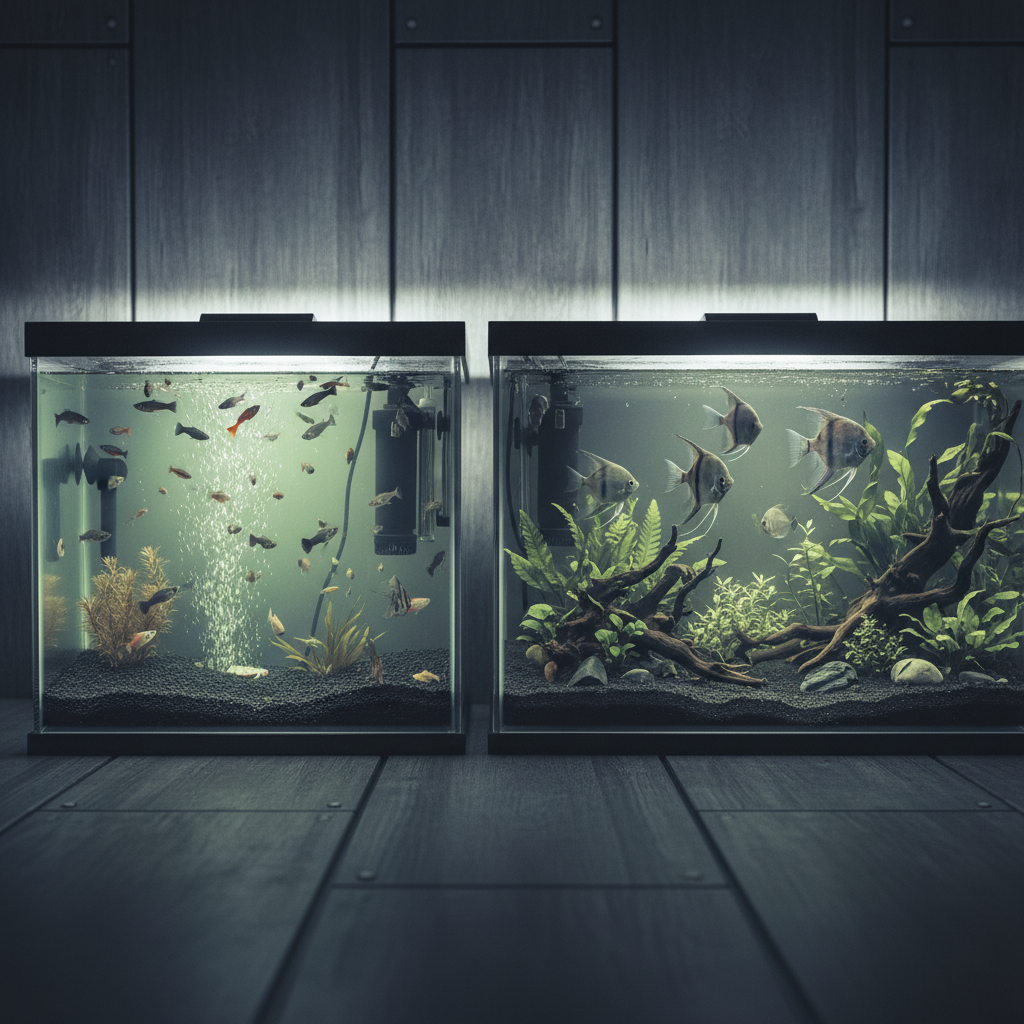
Looking back, the root of the problem was the size of the tank. 10 gallons is simply too small for goldfish, which are surprisingly messy fish. They produce a large amount of waste, quickly overwhelming the filter and polluting the water. The kit didn’t mention this crucial detail, conveniently omitting the fact that goldfish require much larger tanks to thrive.
The Cycle of Misinformation and Frustration
Desperate for help, I returned to the pet store. I explained my problems to the employee, who seemed more interested in selling me more products than in providing genuine advice. He suggested that I needed a stronger filter, a special algae-killing solution, and more fish to “balance” the ecosystem. I bought everything he recommended, hoping for a miracle. Of course, the situation only worsened.
The stronger filter did little to clear the water. The algae-killing solution temporarily reduced the algae, but it also stressed the fish, making them even more lethargic. Adding more fish only increased the bioload, further polluting the water. I was trapped in a vicious cycle of misinformation and frustration, spending money on products that didn’t work and watching my fish suffer.
The “balancing the ecosystem” comment still irks me to this day. The idea that you can simply add more fish to fix a problem is completely absurd. A balanced aquarium requires careful planning, proper filtration, and regular maintenance. It’s not something you can achieve by blindly adding livestock. This kind of irresponsible advice is unfortunately common in the pet trade, often driven by a desire to make a quick sale.
The Inevitable Loss and the Bitter Lesson
Despite my best efforts, Finny and Bubbles eventually succumbed to the poor water conditions. I found them lifeless at the bottom of the tank, their once vibrant colors faded and dull. I was devastated. I felt like a failure, a negligent pet owner who had doomed these innocent creatures to an early death. The guilt was overwhelming.
The loss of Finny and Bubbles was a turning point. I realized that I couldn’t rely on the pet store for accurate information. I needed to educate myself, to learn the science behind aquariums, and to understand the needs of the fish I intended to keep. I started researching online, reading books, and joining online forums. I discovered a wealth of information that had been completely absent from the beginner kit and the pet store’s advice.
The bitter lesson I learned was that aquarium keeping is not as simple as the beginner kits make it out to be. It requires knowledge, patience, and a commitment to the well-being of the fish. It’s not just about buying a tank and throwing in some fish. It’s about creating a sustainable ecosystem, providing a healthy environment, and understanding the complex interactions between the inhabitants.
What the Beginner Kits Get Wrong: A Breakdown
So, what exactly did the beginner kit get wrong? Let’s break it down:
Tank Size: Grossly Inadequate
As I mentioned earlier, the 10-gallon tank was the biggest problem. It was simply too small for the goldfish I was trying to keep. Even for smaller fish, a 10-gallon tank can be limiting, making it difficult to maintain stable water parameters. Smaller tanks are also more susceptible to fluctuations in temperature and pH, which can stress the fish.
A larger tank provides more room for the fish to swim, more stable water parameters, and more opportunities to create a diverse and interesting environment. It also gives you more flexibility in terms of stocking options. While larger tanks require more initial investment, they are ultimately easier to maintain and provide a better quality of life for the fish.
Filtration: Underpowered and Inefficient
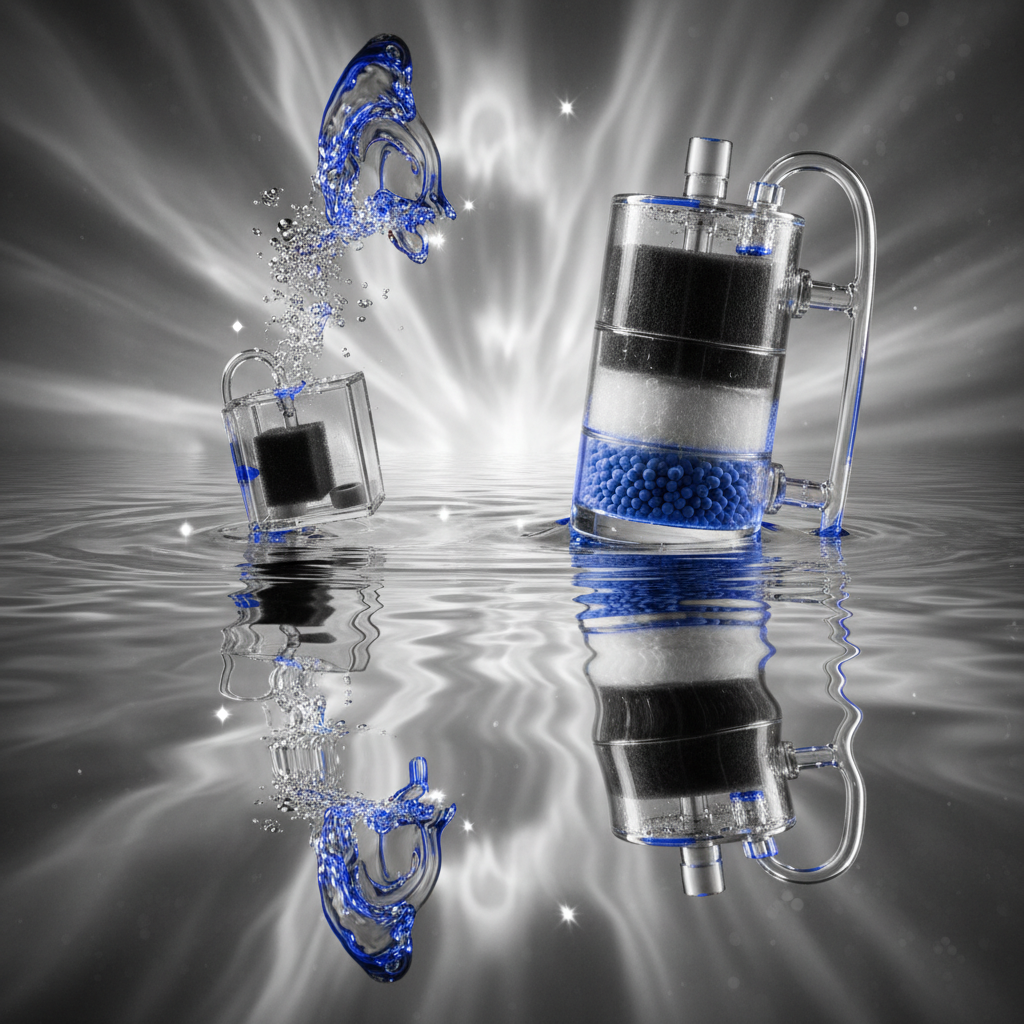
The filter included in the kit was woefully inadequate. It was designed for a lightly stocked tank, not for the messy goldfish I was keeping. It quickly became clogged with waste, reducing its efficiency and contributing to the poor water quality.
A good filter is essential for maintaining a healthy aquarium. It removes waste, debris, and toxins from the water, keeping it clean and clear. It also provides a surface for beneficial bacteria to colonize, which are essential for the nitrogen cycle. The nitrogen cycle is the process by which harmful ammonia is converted into less harmful nitrates. Without a properly functioning filter, the ammonia levels in the tank can quickly become toxic, killing the fish.
Lack of Education and Guidance
The most significant failing of the beginner kit was the lack of education and guidance. The instructions were brief and superficial, providing little information about the nitrogen cycle, water chemistry, or the specific needs of the fish. I was left to figure things out on my own, relying on unreliable advice from the pet store.
Aquarium keeping is a complex hobby that requires knowledge and understanding. Before you even set up a tank, you need to research the specific needs of the fish you want to keep. You need to understand the nitrogen cycle, water chemistry, and proper filtration techniques. You also need to be prepared to monitor the water parameters regularly and make adjustments as needed. A good beginner’s guide should provide all of this information in a clear and concise manner.
The Hidden Costs: A Marketing Trap
Beginner kits often lure you in with a low initial price, but they can end up costing you more in the long run. The inadequate equipment will need to be replaced, and you’ll likely spend money on unnecessary products based on bad advice. The cost of replacing dead fish can also add up quickly. In the end, you might have been better off buying the components separately, choosing higher-quality equipment, and educating yourself properly.
My Journey to a Thriving Aquarium (and What I Learned)
After the tragic loss of Finny and Bubbles, I resolved to do things differently. I upgraded to a larger tank, invested in a better filter, and spent hours researching the science behind aquariums. I learned about the nitrogen cycle, water chemistry, and the specific needs of different fish species. I joined online forums and connected with experienced aquarists who were willing to share their knowledge and advice.
The transformation was remarkable. The water became crystal clear, the plants thrived, and the fish were active and healthy. I created a beautiful and balanced ecosystem that I could be proud of. It wasn’t easy, but it was incredibly rewarding. I discovered a passion for aquarium keeping that has lasted for over a decade.
Here are some of the key lessons I learned along the way:
Research, Research, Research
Before you even think about buying a tank, research the specific needs of the fish you want to keep. Find out how big they get, what kind of water parameters they prefer, and what kind of food they eat. Make sure you can provide a suitable environment for them before you bring them home.
Don’t rely solely on the pet store for information. Do your own research online and in books. Join online forums and connect with experienced aquarists. The more you know, the better equipped you’ll be to create a thriving aquarium.
The Nitrogen Cycle is Your Friend
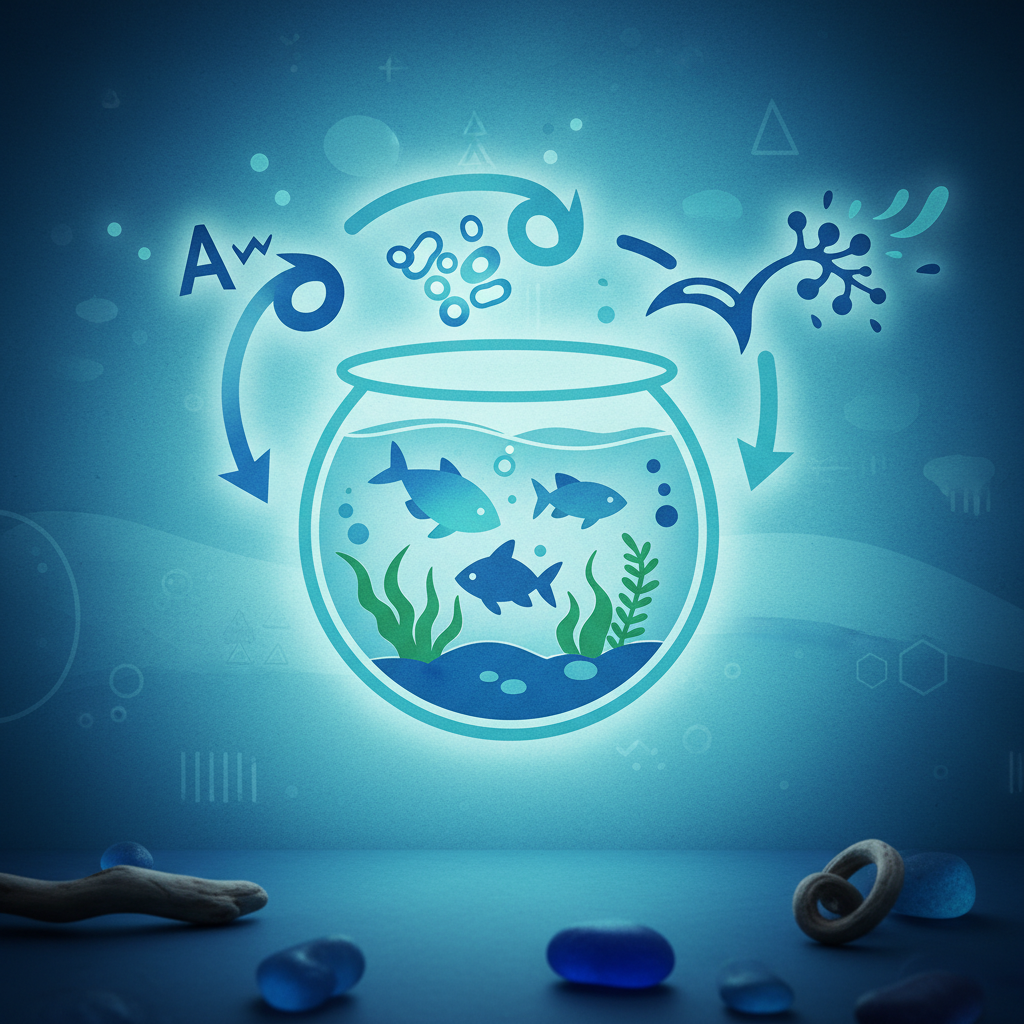
Understanding the nitrogen cycle is crucial for maintaining a healthy aquarium. The nitrogen cycle is the process by which harmful ammonia is converted into less harmful nitrates. Beneficial bacteria play a key role in this process. Without these bacteria, the ammonia levels in the tank can quickly become toxic, killing the fish.
When you set up a new tank, you need to establish a colony of beneficial bacteria. This process is called cycling the tank. There are several ways to cycle a tank, but the most common method is to add a small amount of ammonia to the water and monitor the ammonia and nitrite levels. Once the ammonia and nitrite levels reach zero, the tank is cycled and ready for fish.
Water Changes are Non-Negotiable
Regular water changes are essential for maintaining a healthy aquarium. Water changes remove nitrates, which can build up over time and become harmful to the fish. They also replenish essential minerals and trace elements that are depleted by the fish and plants.
The frequency and amount of water changes will depend on the size of the tank, the number of fish, and the type of filtration. A general rule of thumb is to change 25% of the water every one to two weeks. However, you may need to change the water more frequently if you have a heavily stocked tank or a less efficient filter.
Patience is a Virtue
Aquarium keeping is not a race. It takes time to establish a stable ecosystem and to grow healthy fish and plants. Don’t rush the process. Be patient and observant. Monitor the water parameters regularly and make adjustments as needed. With patience and dedication, you can create a beautiful and thriving aquarium.
Beyond the Kit: Building a Sustainable Ecosystem
Ultimately, the key to successful aquarium keeping is to create a sustainable ecosystem. This means providing a balanced environment where the fish, plants, and beneficial bacteria can thrive. It requires careful planning, proper equipment, and regular maintenance.
Instead of relying on beginner kits, I recommend building your aquarium from scratch. Choose a tank that is appropriate for the fish you want to keep. Invest in a high-quality filter and heater. Select a substrate that is suitable for plants. And most importantly, educate yourself about the science behind aquariums.
By taking the time to learn and understand the principles of aquarium keeping, you can avoid the mistakes I made and create a beautiful and thriving underwater world. It’s a challenging but rewarding hobby that can bring years of enjoyment.
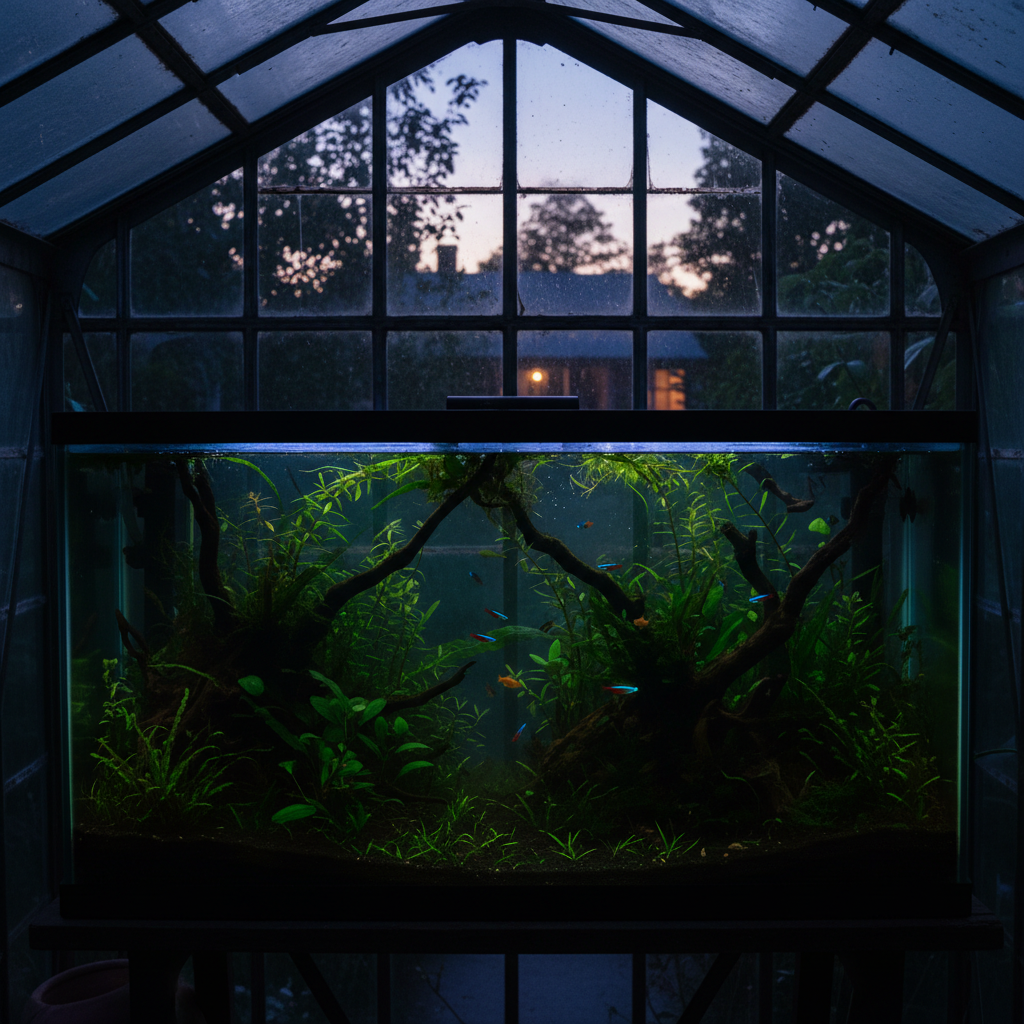
My current aquarium is a 75-gallon freshwater tank. It’s home to a community of peaceful fish, including tetras, rasboras, and corydoras catfish. The tank is heavily planted with a variety of aquatic plants, which provide shelter for the fish and help to filter the water. I’ve spent years perfecting the ecosystem, and it’s now a thriving and self-sustaining environment.
Looking back, I’m grateful for the mistakes I made with that beginner kit. They taught me valuable lessons about the importance of education, patience, and responsible pet ownership. They also sparked a passion for aquarium keeping that has enriched my life in countless ways. While I wouldn’t recommend a beginner kit to anyone starting out, I would encourage them to embrace the challenges and rewards of creating their own underwater world. It’s a journey of learning and discovery that can last a lifetime.
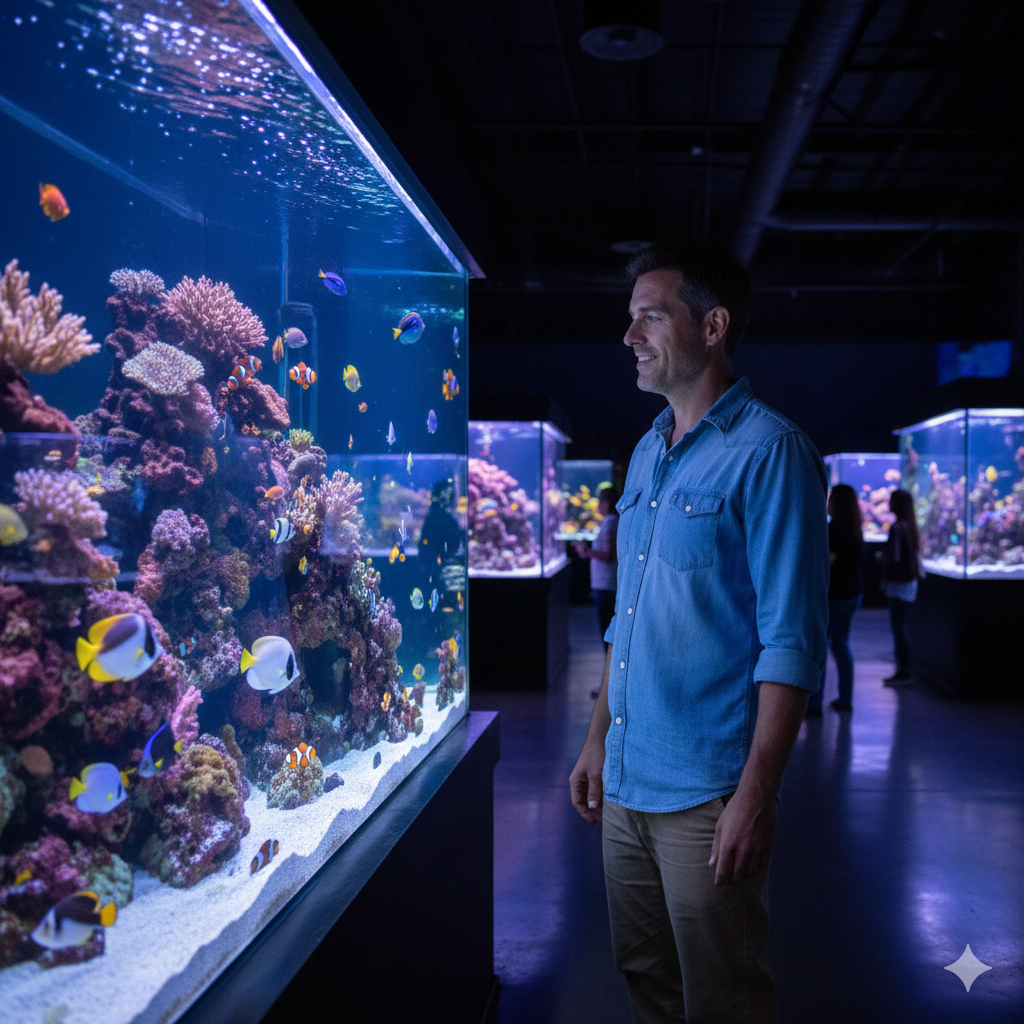
My name is Daniel Carter, I am 35 years old, and I live in the United States. I have been passionate about aquariums for many years, and what started as a simple hobby quickly became a lifelong interest in aquatic life, fish behavior, and responsible tank care.
Through TheBrightLance, I share real experiences, practical knowledge, and honest lessons learned from maintaining different types of aquariums. I enjoy testing equipment, studying fish behavior, improving maintenance routines, and helping beginners avoid common mistakes.
My goal is to make aquarism easier, more ethical, and more enjoyable for everyone — whether you are setting up your very first tank or looking to refine your techniques.