
My Weekly Aquarium Ritual: Stability Through Routine
For over a decade, my living room has been graced by the calming presence of a freshwater aquarium. It’s more than just a decorative piece; it’s a miniature ecosystem I’ve meticulously crafted and maintained. And the secret to its long-term health and stability? A consistent maintenance routine that I’ve refined over the years.
I’ve seen too many beginners jump into the hobby with enthusiasm, only to become discouraged by algae blooms, unexplained fish illnesses, and murky water. Often, the culprit isn’t bad luck, but a lack of consistent maintenance. Neglecting the tank for a few weeks can quickly unravel months of careful setup and cycling.
Think of it like this: an aquarium is a closed environment. Unlike a natural lake or river, it doesn’t have the same self-regulating mechanisms. Waste builds up, nutrients become unbalanced, and the delicate balance of beneficial bacteria can easily be disrupted. Regular maintenance is how we, as aquarists, step in to mimic those natural processes and keep everything running smoothly.
Why Consistency is Key
Why is consistency so vital? Because sudden changes are the biggest stressors for fish and other aquatic life. A massive water change, a drastic shift in temperature, or a sudden spike in ammonia can all trigger illness and even death. By sticking to a regular schedule, you minimize these fluctuations and create a stable, predictable environment where your aquatic inhabitants can thrive.
I remember early in my aquascaping journey I thought I could just do a big water change every month. My fish were constantly stressed, and I couldn’t figure out why. It wasn’t until I started smaller, more frequent water changes that I saw a real improvement. Now, it’s a weekly ritual, and my fish are much happier for it.
My Step-by-Step Weekly Routine
My routine isn’t complicated or time-consuming, but it is consistent. I dedicate about an hour each week to maintaining my 29-gallon tank. This ensures a healthy and beautiful environment for my fish and plants.
Water Change: The Foundation of a Healthy Tank
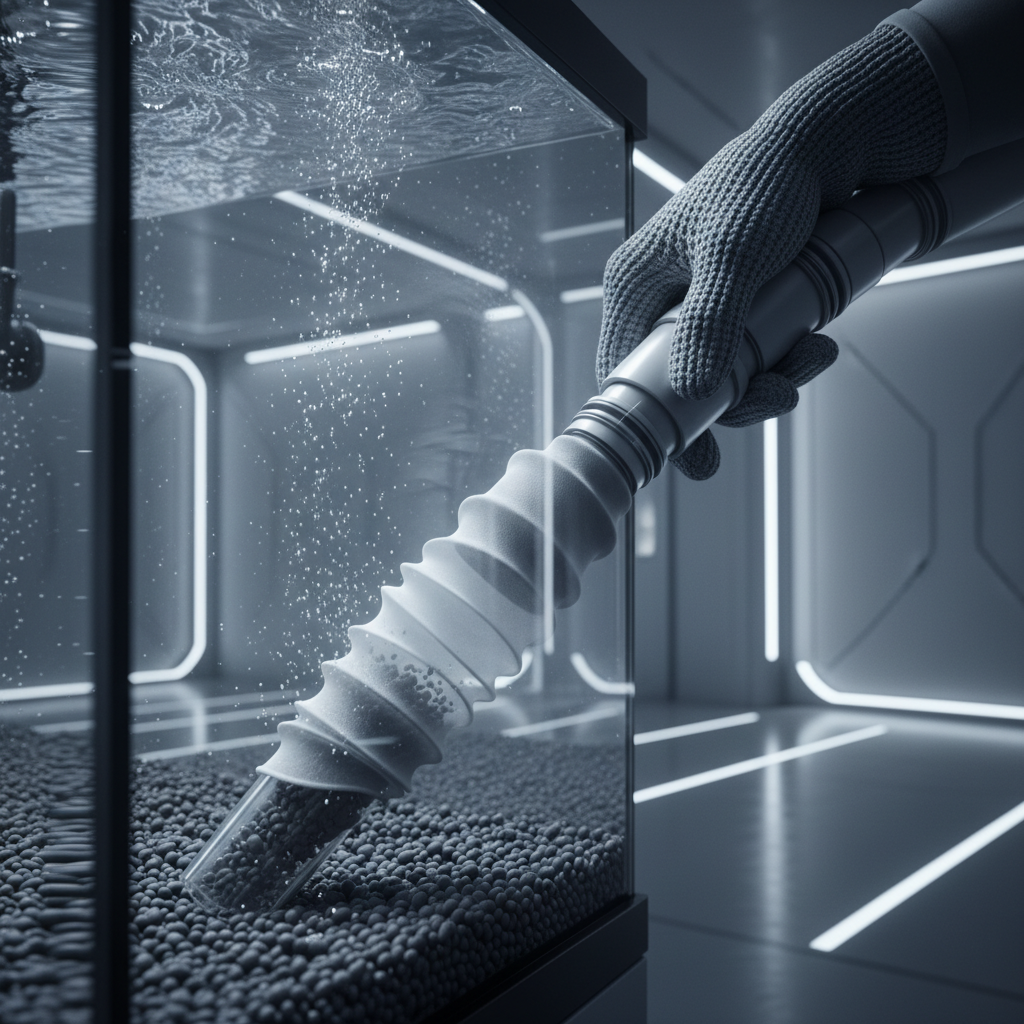
The cornerstone of my weekly routine is a 25% water change. This helps remove accumulated nitrates, replenish essential minerals, and keep the water crystal clear. I use a gravel vacuum to siphon out the old water while also cleaning the substrate. This removes uneaten food, fish waste, and other debris that can contribute to poor water quality.
Here’s my method: I attach the gravel vacuum to a hose that leads to a bucket. Then, I gently push the vacuum into the gravel, allowing it to suck up the debris. I move slowly and deliberately, making sure to cover the entire substrate area. I avoid disturbing the roots of my plants as much as possible.
For the new water, I always use dechlorinated tap water that has been aged for at least 24 hours. This allows the chlorine and chloramine to dissipate, which are harmful to fish and beneficial bacteria. I also match the temperature of the new water to the temperature of the tank water to minimize stress on the fish. I achieve this by letting the bucket sit in the same room as the aquarium for a few hours before the water change. It’s a simple step, but it makes a big difference.
Filter Maintenance: Keeping the Water Clear
My filter is the workhorse of my aquarium, removing particulate matter and housing the beneficial bacteria that break down harmful ammonia and nitrites. I clean my filter every week, but I do so carefully to avoid disrupting the bacteria colony.
I have a canister filter, so the process involves removing the filter media and rinsing it gently in a bucket of old tank water. Never use tap water to clean your filter media, as this will kill the beneficial bacteria. I squeeze out the sponges and floss to remove any accumulated debris. I don’t try to get them perfectly clean; I just want to remove the large particles that can clog the filter.
I also inspect the impeller and the filter housing for any buildup or obstructions. A clogged impeller can reduce the filter’s flow rate and make it less effective. I clean the impeller with a soft brush and make sure it spins freely.
Algae Control: A Proactive Approach
Algae is a common nuisance in aquariums, but with a proactive approach, it can be kept under control. I use a combination of methods to prevent algae from becoming a problem. First, I limit the amount of light my tank receives to about 8 hours per day. Excessive light can fuel algae growth.
Second, I maintain a healthy balance of nutrients in the water. Excess nitrates and phosphates can also contribute to algae blooms. Regular water changes help to keep these nutrients in check. I also use a liquid carbon supplement, which helps plants thrive and outcompete algae for nutrients.
Finally, I manually remove any algae that does appear. I use an algae scraper to clean the glass and a soft brush to clean the decorations and plants. I also have a few algae-eating fish, such as Otocinclus catfish and Siamese algae eaters, who help to keep the algae at bay. I’ve found that a multi-pronged approach is the most effective way to control algae.
Plant Care: Encouraging Growth and Health
My aquarium is heavily planted, and the plants play a crucial role in maintaining water quality and providing a natural habitat for my fish. I fertilize my plants weekly with a liquid fertilizer that contains essential micronutrients. I also trim the plants regularly to prevent them from overgrowing and blocking light from reaching the lower levels of the tank.
I use aquarium-safe scissors to trim the plants. I remove any dead or dying leaves and stems. I also thin out the plants to improve water circulation and prevent overcrowding. Some plants, like Java moss, can be propagated by simply cutting off a piece and attaching it to a rock or driftwood. I’ve expanded my plant collection this way over the years.
I also monitor my plants for any signs of nutrient deficiencies. Yellowing leaves, stunted growth, and holes in the leaves can all be indicators of a problem. I adjust my fertilization regimen accordingly to address any deficiencies.
The Importance of Observation
While the routine I’ve outlined is essential, it’s equally important to observe your aquarium regularly. Pay attention to the behavior of your fish, the appearance of your plants, and the overall condition of the water. Early detection of problems can prevent them from escalating into serious issues.
I spend a few minutes each day simply watching my fish. I look for signs of illness, such as clamped fins, lethargy, or unusual swimming behavior. I also check to see if they are eating properly. A sudden loss of appetite can be a sign of stress or illness.
I also inspect my plants for any signs of problems. Discoloration, wilting, or the appearance of pests can all be indicators of a problem. I address any issues promptly to prevent them from spreading.
Finally, I keep an eye on the water quality. Cloudy water, excessive algae growth, or an unusual odor can all be signs of a problem. I test the water parameters regularly to ensure that they are within the acceptable range.
Dealing with Common Aquarium Problems
Even with a diligent maintenance routine, problems can still arise in the aquarium. Here are some of the most common issues I’ve encountered and how I deal with them.
Algae Blooms
As I mentioned earlier, algae is a common nuisance in aquariums. While some algae is normal and even beneficial, excessive algae growth can be unsightly and harmful to your fish. The key to controlling algae blooms is to identify the underlying cause and address it.
Common causes of algae blooms include excessive light, excess nutrients, and poor water circulation. I address these issues by limiting the amount of light my tank receives, performing regular water changes, and ensuring that my filter is providing adequate circulation. I also use algae-eating fish and manual removal to keep the algae under control.
There are many different types of algae, and each type requires a slightly different approach. Green algae is usually caused by excess light or nutrients. Brown algae, also known as diatoms, is common in new tanks and is often caused by high levels of silicates in the water. Black beard algae is one of the most difficult types of algae to control and is often caused by poor water circulation and low CO2 levels.
Fish Illnesses
Fish illnesses can be caused by a variety of factors, including poor water quality, stress, and parasites. The key to preventing fish illnesses is to maintain a healthy environment and to observe your fish regularly for any signs of problems.
Common signs of fish illness include clamped fins, lethargy, loss of appetite, and unusual swimming behavior. If you notice any of these symptoms, it’s important to isolate the affected fish in a quarantine tank and to treat them with the appropriate medication.
It’s also important to identify the underlying cause of the illness. Poor water quality is a common cause of fish illnesses, so it’s important to test the water parameters and to perform a water change if necessary. Stress can also weaken the fish’s immune system and make them more susceptible to illness, so it’s important to minimize stress by providing a stable environment and avoiding sudden changes.
Cloudy Water
Cloudy water can be caused by a variety of factors, including a bacterial bloom, suspended particles, and excessive algae growth. The key to clearing up cloudy water is to identify the underlying cause and address it.
A bacterial bloom is a common cause of cloudy water, especially in new tanks. It occurs when the beneficial bacteria colony is not yet established and the water is unable to process the waste produced by the fish. Bacterial blooms usually clear up on their own within a few days, but you can speed up the process by performing a water change and adding a beneficial bacteria supplement.
Suspended particles can also cause cloudy water. These particles can be caused by uneaten food, fish waste, or disturbed substrate. You can remove suspended particles by performing a water change and using a filter with a fine filter pad.
Adapting the Routine to Your Tank
While the routine I’ve described works well for my 29-gallon freshwater tank, it’s important to adapt it to your specific setup. The size of your tank, the type of fish you keep, and the plants you grow will all influence the frequency and intensity of your maintenance routine.
For example, a larger tank will require more frequent and larger water changes. A tank with a heavy bioload, such as a tank with goldfish, will also require more frequent water changes. A heavily planted tank may require less frequent water changes, as the plants will help to remove nitrates from the water.
It’s also important to consider the specific needs of your fish. Some fish are more sensitive to water quality than others. These fish may require more frequent water changes and more careful attention to water parameters.
The best way to determine the optimal maintenance routine for your tank is to experiment and to observe your fish and plants closely. Keep track of your water parameters and adjust your routine accordingly.
The Long-Term Rewards
Maintaining a healthy aquarium requires time and effort, but the long-term rewards are well worth it. A well-maintained aquarium is a beautiful and relaxing addition to any home. It provides a natural habitat for your fish and plants and can even improve your mental health.
I find that spending time caring for my aquarium is a therapeutic experience. It allows me to disconnect from the stresses of daily life and to focus on the beauty and tranquility of the underwater world. Watching my fish swim and interact with each other is a source of endless fascination and joy.
Over the years, I’ve learned a lot about fishkeeping and about the importance of maintaining a healthy ecosystem. I’ve also developed a deep appreciation for the beauty and complexity of the natural world. My aquarium is more than just a hobby; it’s a passion that has enriched my life in countless ways.

So, take the time to establish a consistent maintenance routine for your aquarium. It’s an investment in the health and well-being of your fish and plants, and it will bring you years of enjoyment. You might be surprised at how much joy you find in the simple act of caring for a miniature underwater world. It’s a journey, and the destination is well worth the effort. Remember, consistency is king, and a little bit of effort each week can make all the difference in the long run.
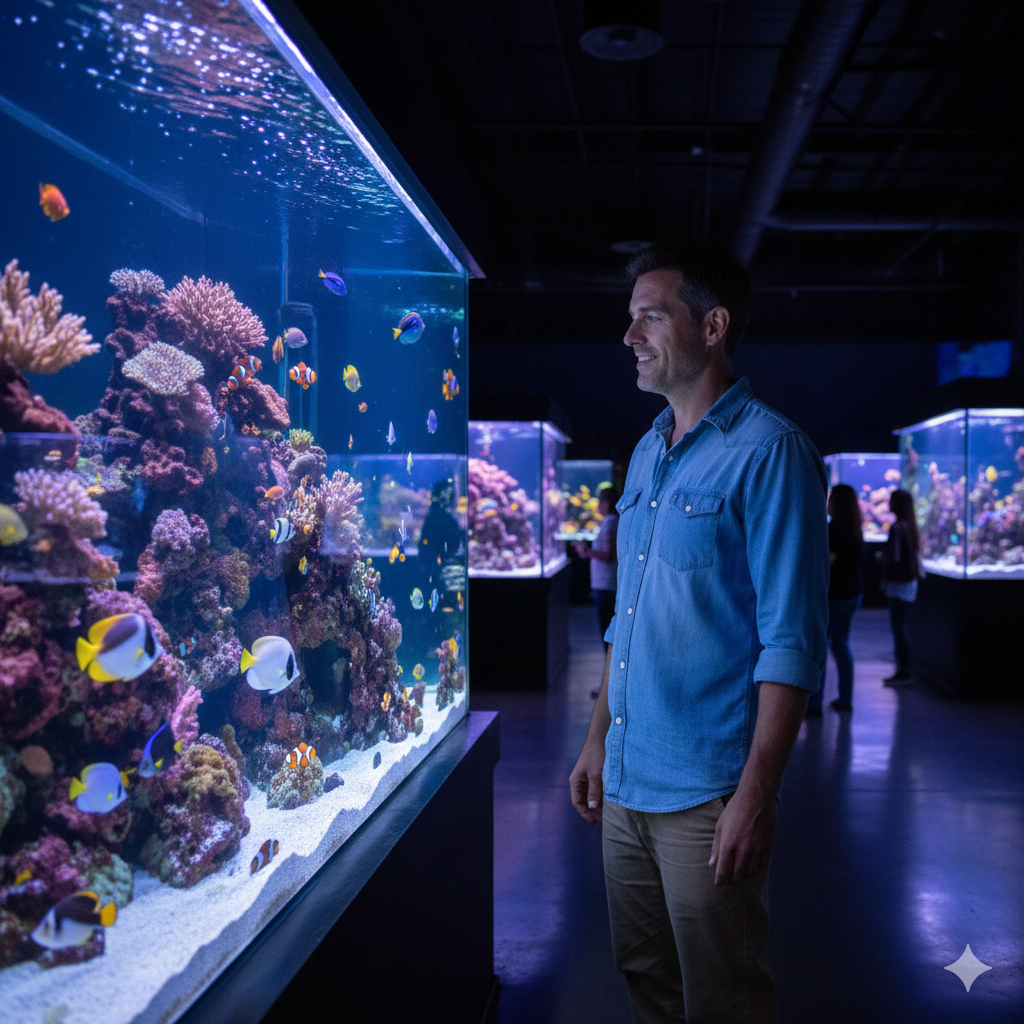
My name is Daniel Carter, I am 35 years old, and I live in the United States. I have been passionate about aquariums for many years, and what started as a simple hobby quickly became a lifelong interest in aquatic life, fish behavior, and responsible tank care.
Through TheBrightLance, I share real experiences, practical knowledge, and honest lessons learned from maintaining different types of aquariums. I enjoy testing equipment, studying fish behavior, improving maintenance routines, and helping beginners avoid common mistakes.
My goal is to make aquarism easier, more ethical, and more enjoyable for everyone — whether you are setting up your very first tank or looking to refine your techniques.