
The School of Hard Knocks: Learning the Hard Way in Aquascaping
Alright, let’s be honest. We all start somewhere, right? My journey into the mesmerizing world of aquariums wasn’t exactly a smooth, well-charted course. More like a stumbling, bumbling expedition through trial and error, fueled by enthusiasm and a healthy dose of blissful ignorance. I’m Lucas Anderson, and for over a decade now, I’ve been captivated by the art and science of creating miniature underwater ecosystems. But trust me, those crystal-clear tanks you see now? They’re the result of a whole lot of murky mistakes.
Looking back, I can pinpoint several pivotal moments – or rather, monumental screw-ups – that forced me to re-evaluate my approach to aquarium maintenance. These weren’t just minor setbacks; they were full-blown aquatic disasters that left me questioning my sanity (and my fish-keeping abilities). But, like any good learning experience, they instilled in me habits and practices that have transformed my aquariums from potential biohazards into thriving underwater paradises. So, grab a cup of coffee (or your preferred aquarium-watching beverage), and let me share some of the most valuable lessons I’ve learned – often the hard way.
Overfeeding: A Beginner’s Best Intentions Gone Wrong
Ah, overfeeding. The classic rookie mistake. I remember my first aquarium, a modest 10-gallon setup with a handful of guppies and a lonely Cory catfish. I was so eager to provide for my new aquatic companions that I showered them with food, convinced that they were perpetually starving. I mean, they always *looked* hungry, right?
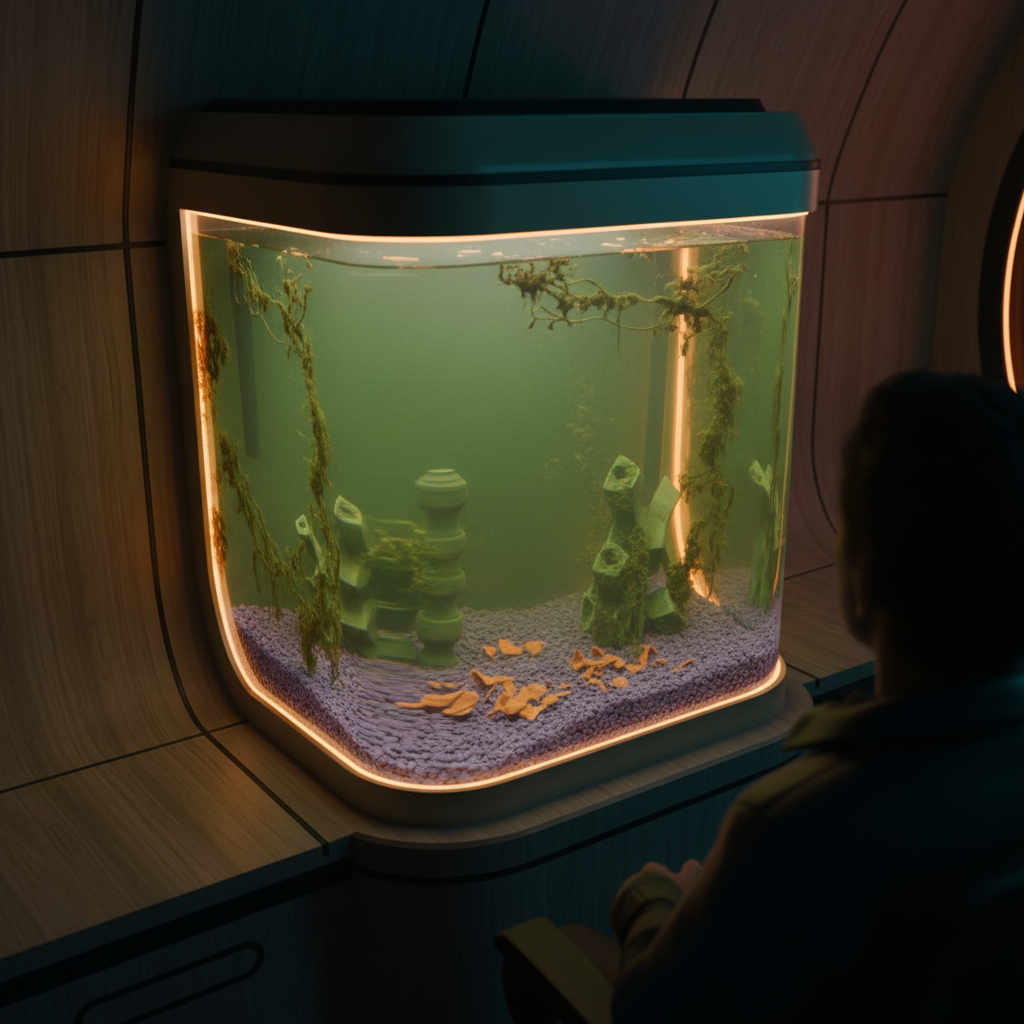
The consequences, as you might guess, were predictable and unpleasant. Uneaten food accumulated at the bottom of the tank, decaying and releasing harmful ammonia into the water. The water became cloudy, algae bloomed with reckless abandon, and my poor guppies started exhibiting signs of stress. I was baffled. I was feeding them! How could things be going so wrong?
It took me a while to understand the concept of a balanced ecosystem and the importance of not overfeeding. I learned that fish are opportunistic eaters and will happily gorge themselves even when they don’t need to. A good rule of thumb I use now is to only feed your fish what they can consume in 2-3 minutes. And it’s better to underfeed slightly than to overfeed. I now also skip feeding one day a week to give their digestive systems a break. It has made a world of difference. A few moments of perceived “hunger” is far better than the long-term damage caused by excess food.
The Bio-Load Factor: Understanding the Ecosystem
Overfeeding isn’t just about uneaten food; it’s about the entire bio-load of your tank. Every living thing in your aquarium – fish, snails, plants – contributes to the waste that needs to be processed by the biological filter. Overfeeding increases the amount of waste, overwhelming the filter’s capacity and leading to a build-up of harmful substances like ammonia and nitrites. I eventually upgraded to a larger filter for my 10-gallon tank and started doing more frequent water changes. These measures helped mitigate the damage, but the underlying problem was still my overzealous feeding habits. The key to a healthy aquarium isn’t just about having the right equipment; it’s about understanding the delicate balance of the ecosystem.
Ignoring Water Changes: The Silent Killer
Okay, let’s talk about water changes. For a long time, I viewed them as a tedious chore, something to be put off for as long as possible. “The filter is doing its job, right? Why bother messing with the water?” I reasoned. Big mistake. Huge.
Water changes are crucial for maintaining a healthy aquarium environment. They remove accumulated nitrates, the end product of the nitrogen cycle, which can become toxic to fish at high concentrations. They also replenish essential minerals and trace elements that are depleted over time. Think of it like this: even the best air purifier can’t replace opening a window and letting in fresh air. The same goes for your aquarium. Your filter is essential, but it can’t do everything.
The consequences of neglecting water changes were, again, predictable. My fish became lethargic, their colors faded, and they became more susceptible to disease. Algae flourished, coating everything in a slimy green layer. The water smelled stale and unpleasant. It was a disaster waiting to happen. I finally invested in a Python water changer, which makes the process much easier and less time-consuming. Now, I do a 25% water change every week, without fail. My fish are happier, the water is crystal clear, and I no longer dread the task.
The Importance of Routine and Consistency
The key to successful aquarium keeping is routine and consistency. Just like brushing your teeth or going to the gym, regular water changes are an essential part of maintaining a healthy habitat for your fish. Don’t wait until the water looks dirty or the fish start showing signs of stress. Establish a schedule and stick to it. Your fish will thank you for it. I’ve even set reminders on my phone to ensure I don’t forget. It’s that important. I consider it a commitment to the well-being of my aquatic pets. Would you skip feeding your dog for a week? Of course not. Water changes are equally vital.
Impulse Buys: The Siren Song of the Fish Store
Ah, the fish store. A wonderland of colorful creatures and fascinating gadgets, a place where even the most disciplined aquarist can succumb to the allure of impulse buys. I’ve been there. More times than I care to admit. I see a beautiful fish, a rare plant, or a fancy new piece of equipment, and suddenly, my carefully planned aquarium stocking list goes out the window. “I *need* that,” I tell myself. “It will look *amazing* in my tank.”
The problem, of course, is that impulse buys often lead to overcrowding, incompatibility issues, and a disruption of the established ecosystem. That “amazing” fish might turn out to be a bully, harassing the other inhabitants of the tank. That “rare” plant might require specific water parameters that are incompatible with your current setup. And that “fancy” new piece of equipment might be completely unnecessary and a waste of money. I once bought a stunning angelfish without considering the fact that my neon tetras are a perfectly sized snack for it. You can guess how that ended. My community tank became a hunting ground.
Now, I try to resist the temptation of impulse buys by sticking to a carefully planned stocking list and researching any new additions thoroughly before bringing them home. I also try to visit the fish store with a specific purpose in mind, rather than just browsing aimlessly. And if I do find something that I really want, I give myself a cooling-off period of at least a few days before making a purchase. This allows me to think rationally about whether the new addition is truly a good fit for my aquarium.
Quarantine Tanks: The Insurance Policy You Can’t Afford to Skip
One of the most important lessons I’ve learned about impulse buys is the importance of quarantine tanks. Before introducing any new fish or plants to your main aquarium, it’s essential to quarantine them for at least two weeks, preferably longer. This allows you to observe them for any signs of disease or parasites and prevent them from infecting your entire tank. I once skipped quarantine with a batch of new plants, and within days, my tank was infested with snails. It took months to eradicate them completely. A quarantine tank is a small investment that can save you a lot of headaches (and potentially the lives of your fish) in the long run.

Neglecting the Substrate: A Hidden Source of Problems
The substrate, the material at the bottom of your aquarium, is often overlooked when it comes to maintenance. We tend to focus on the water, the fish, and the plants, but the substrate plays a crucial role in the overall health of the ecosystem. Over time, uneaten food, decaying plant matter, and fish waste can accumulate in the substrate, creating anaerobic pockets that release harmful gases like hydrogen sulfide. This can lead to a variety of problems, including poor plant growth, algae blooms, and even fish deaths.
For years, I simply ignored the substrate, assuming that it would take care of itself. I was wrong. Very wrong. The water parameters became harder and harder to stabilize and algae became impossible to control. Eventually, I decided to vacuum the substrate thoroughly during my water changes. This involves using a siphon to suck up the debris and waste from the bottom of the tank, without disturbing the plants too much. The first time I did this, I was shocked by the amount of gunk that came out. It was like dredging a swamp! The water cleared up almost immediately, and my fish seemed noticeably happier.
Choosing the Right Substrate for Your Needs
The type of substrate you use can also have a significant impact on the health of your aquarium. Gravel is a popular choice, but it can trap debris and make it difficult to clean. Sand is another option, but it can become compacted over time, creating anaerobic pockets. Planted tanks often benefit from specialized substrates that are rich in nutrients and promote root growth. Do your research and choose a substrate that is appropriate for the type of aquarium you want to create. I now use a combination of inert gravel and nutrient-rich substrate in my planted tanks to provide the best of both worlds: good drainage and plenty of nutrients for the plants.
Over-Reliance on Chemicals: A Quick Fix with Long-Term Consequences
When problems arise in the aquarium, it’s tempting to reach for a chemical solution. Algae bloom? Add an algaecide. Fish disease? Treat with medication. Cloudy water? Use a clarifier. While these products can provide temporary relief, they often address the symptoms rather than the underlying cause. And, in many cases, they can do more harm than good.
I used to be a firm believer in the power of chemicals. Whenever I encountered a problem, I would rush to the fish store and buy the latest miracle cure. But I soon learned that these products can disrupt the delicate balance of the aquarium ecosystem, harming beneficial bacteria, stressing fish, and even leading to new problems. I once used a copper-based medication to treat a fish with ich, only to discover that copper is toxic to invertebrates. I ended up killing all of my snails and shrimp in the process. A costly and heartbreaking mistake.
Now, I try to avoid using chemicals unless absolutely necessary. Instead, I focus on addressing the root cause of the problem through proper maintenance, water changes, and a balanced ecosystem. If I do need to use a medication, I research it thoroughly and use it sparingly, following the instructions carefully. I also try to use natural remedies whenever possible, such as adding Indian almond leaves to the tank to lower the pH and promote healing.
A Holistic Approach to Aquarium Health
The key to a healthy aquarium is a holistic approach that considers all aspects of the ecosystem. This means focusing on prevention rather than cure, maintaining a balanced environment, and addressing the underlying causes of problems rather than just treating the symptoms. It also means being patient and observant, learning to read the signs that your aquarium is giving you, and adjusting your maintenance practices accordingly. Think of it like tending a garden. You can’t just spray pesticides and expect everything to thrive. You need to nurture the soil, provide the right amount of water and sunlight, and address any problems early on. The same goes for your aquarium.

The Importance of Patience: A Marathon, Not a Sprint
Finally, one of the most important lessons I’ve learned is the importance of patience. Aquarium keeping is not a sprint; it’s a marathon. It takes time to establish a stable and thriving ecosystem. There will be setbacks and challenges along the way. Don’t get discouraged if things don’t go perfectly at first. Learn from your mistakes, adjust your approach, and keep moving forward. I often get frustrated when my plants aren’t growing fast enough, or when I have a sudden algae outbreak. But I’ve learned to take a deep breath, assess the situation, and address the problem methodically. Rushing things or making drastic changes can often make things worse.
Remember that every aquarium is unique, and what works for one person may not work for another. Experiment, observe, and learn from your own experiences. And don’t be afraid to ask for help from other aquarists. The aquarium community is a friendly and supportive one, and there are plenty of experienced hobbyists who are willing to share their knowledge and advice.
Embracing the Learning Process
The journey of an aquarist is a continuous learning process. There’s always something new to discover, something new to try, and something new to learn from. Embrace the challenges, celebrate the successes, and enjoy the beauty and wonder of the underwater world. My tanks today are far more stable and aesthetically pleasing than they were when I started. And it’s all thanks to the mistakes I’ve made (and learned from) along the way. I still have plenty to learn, but I’m enjoying the ride. After all, isn’t that what this hobby is all about?

So, there you have it: a glimpse into some of the maintenance mistakes that shaped my aquascaping journey. From overfeeding frenzies to neglecting water changes, from impulse buys to chemical dependency, I’ve made my fair share of blunders. But each mistake was a valuable lesson, a stepping stone toward becoming a more knowledgeable and responsible aquarist. And hopefully, by sharing my experiences, I can help you avoid some of the pitfalls that I stumbled into. Happy fish keeping!
My name is Daniel Carter, I am 35 years old, and I live in the United States. I have been passionate about aquariums for many years, and what started as a simple hobby quickly became a lifelong interest in aquatic life, fish behavior, and responsible tank care.
Through TheBrightLance, I share real experiences, practical knowledge, and honest lessons learned from maintaining different types of aquariums. I enjoy testing equipment, studying fish behavior, improving maintenance routines, and helping beginners avoid common mistakes.
My goal is to make aquarism easier, more ethical, and more enjoyable for everyone — whether you are setting up your very first tank or looking to refine your techniques.