
The Siren Song of Shiny New Gadgets (and How They Almost Sank My Aquarium Dreams)
Let’s be honest. When you first dive into the aquarium hobby, it’s incredibly tempting to buy everything. The pet store aisles are lined with gleaming filters, high-tech lights, and gadgets promising pristine water and thriving fish. I remember those days vividly, the allure of the new and improved practically hypnotizing me. I wanted it all, convinced that the latest technology was the key to instant success. This, I soon learned, was a recipe for disaster… and a nearly empty wallet.
My journey into the world of aquariums started innocently enough. A small 10-gallon tank, a handful of neon tetras, and a bubbling treasure chest that I thought was the height of aquarium décor. Naive? Absolutely. But that little tank sparked a passion that’s lasted for over a decade. However, the initial simplicity quickly morphed into a relentless pursuit of “better” equipment, driven by the fear of failure and the promise of easier success.
I fell victim to the marketing hype, believing that the more expensive and complex the equipment, the healthier and happier my fish would be. The reality was far more nuanced. It’s a lesson I learned the hard way, through algae blooms, sick fish, and a whole lot of frustration.
The Great Filter Fiasco
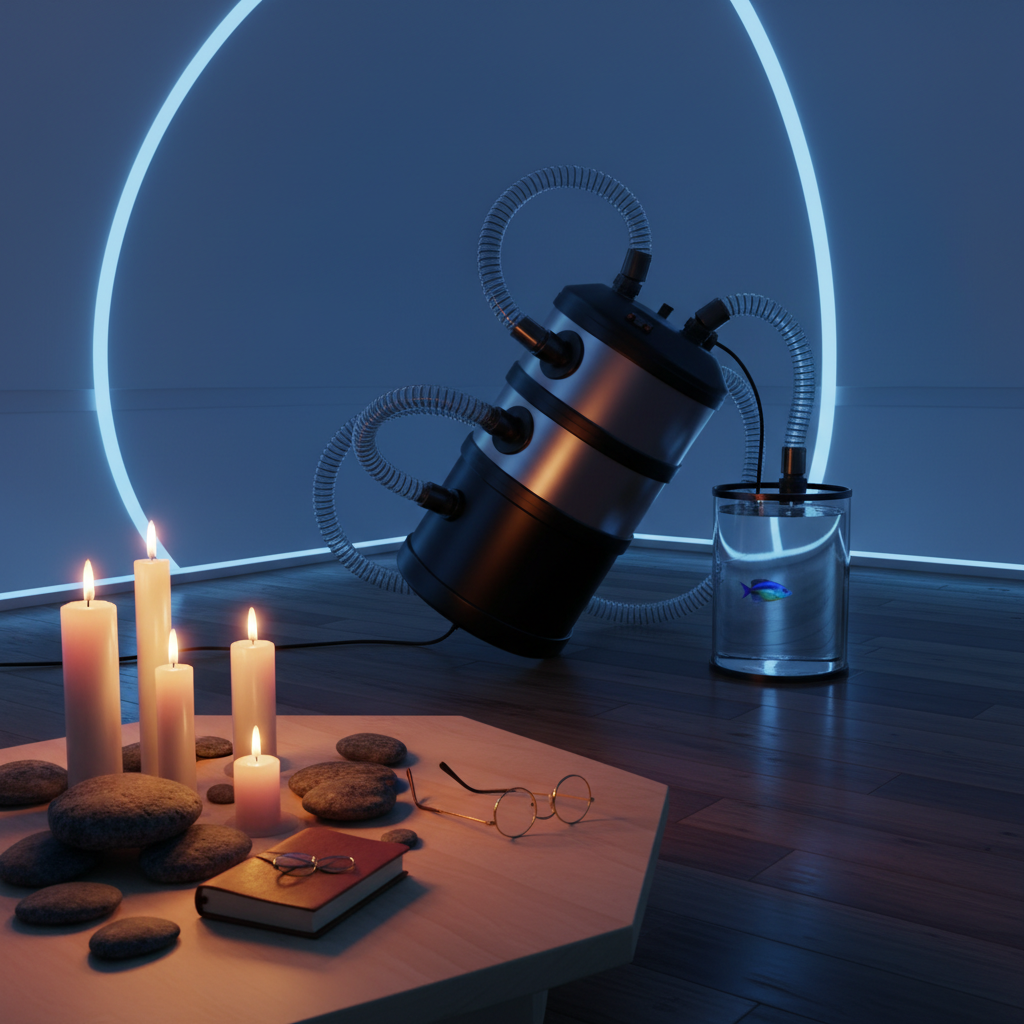
My first major equipment blunder involved filtration. The stock filter that came with my 10-gallon tank was perfectly adequate for its size and bioload. But I, in my infinite newbie wisdom, decided it wasn’t good enough. I was convinced I needed a “high-performance” canister filter, the kind I saw the pros using in online videos. It was HUGE, probably meant for a tank three times the size of mine, and ridiculously overpriced. But hey, it promised crystal-clear water, right?
Installing the monstrosity was a nightmare. The flow rate was so powerful it turned my poor tetras into aquatic acrobats, struggling against the current. And the promised crystal-clear water? It never materialized. Instead, I got a constant cloud of fine particles stirred up from the substrate. The sheer power of the filter was disrupting the delicate balance of my little ecosystem, creating more problems than it solved. I was so focused on the “upgraded” filter that I completely neglected the basics of aquarium maintenance – regular water changes and proper feeding.
The canister filter became a symbol of my misguided approach. It was a constant reminder that more isn’t always better, and that the fundamentals are far more important than fancy gadgets. Eventually, I went back to a simple sponge filter and focused on water quality. My tetras thanked me for it, and my wallet breathed a sigh of relief.
What I failed to understand back then, and what I try to impart to every new aquarist I meet now, is this: filtration is about establishing a healthy biological balance, not just blasting water through expensive media. Over-filtering can strip the water of essential nutrients, hindering plant growth and stressing fish. Sometimes, the best approach is the simplest one.
The Lighting Obsession: Chasing the Perfect Spectrum
Next on my list of equipment-related near-quitting experiences was lighting. Ah, lighting. The holy grail of planted tanks and the bane of my existence for a good long while. I started with a basic fluorescent light fixture, which was perfectly adequate for the low-light plants I had. But as I delved deeper into the hobby, I became obsessed with achieving the “perfect” spectrum for plant growth. I read articles about PAR values, Kelvin temperatures, and the magical properties of full-spectrum LEDs.
Soon, my simple light fixture was replaced by a complicated array of LEDs, controlled by a programmable timer. I spent hours tweaking the spectrum, convinced that I could unlock explosive plant growth with the right combination of red, blue, and green light. The result? Algae, and lots of it. Green hair algae, black beard algae, you name it, I had it. My tank looked like a swamp, and my plants were struggling under the onslaught of unwanted growth.
I had fallen victim to the trap of over-analyzing and over-complicating things. I was so focused on the technical aspects of lighting that I neglected the fundamental principles of plant care: proper nutrient balance, CO2 levels, and consistent maintenance. The intense lighting fueled algae growth, which in turn choked out my plants. It was a vicious cycle that almost made me throw in the towel.
Eventually, I simplified my lighting setup, opting for a less intense LED fixture and focusing on maintaining a balanced ecosystem. I learned that plant growth is about more than just light; it’s about creating a stable and healthy environment where plants can thrive. Now I understand that balance is key. A good light source will stimulate plant growth, but without the correct balance of nutrients and CO2, the scale will tip, favoring algae.
The Siren Song of CO2 Injection
Speaking of CO2, that brings me to my next near-quitting experience. After struggling with algae, I decided that CO2 injection was the answer to all my problems. I envisioned lush, vibrant plants carpeting my tank, transforming it into a miniature underwater paradise. I bought a CO2 regulator, a diffuser, and a solenoid valve, convinced that I was finally on the path to aquarium enlightenment.
The initial results were promising. My plants perked up, and the algae growth seemed to slow down. But then, disaster struck. One night, the solenoid valve failed, flooding my tank with CO2. I woke up to find my fish gasping at the surface, struggling to breathe. It was a horrifying sight, and I felt a surge of guilt and panic. I immediately performed a massive water change, but it was too late. Several of my favorite fish perished.
That incident shook me to my core. I realized that CO2 injection, while beneficial for plant growth, is a delicate balancing act that requires careful monitoring and precise control. A single malfunction can have devastating consequences. I also realized that I wasn’t ready for the responsibility that came with CO2 injection. I lacked the knowledge and experience to safely manage such a complex system.
I dismantled the CO2 setup and went back to a low-tech approach, focusing on hardy plants that didn’t require CO2 supplementation. It was a humbling experience, but it taught me a valuable lesson: know your limits and don’t try to run before you can walk. CO2 injection is a valuable tool, but it’s not a magic bullet. And it’s certainly not worth risking the lives of your fish.
The Power of Simplicity: Lessons Learned
Through these equipment-related misadventures, I gradually came to realize that the key to a successful aquarium isn’t about having the latest and greatest gadgets. It’s about understanding the fundamental principles of aquarium ecology and creating a balanced and stable environment for your fish and plants.
Simplicity, I discovered, is often the best approach. A simple sponge filter, a basic LED light, and regular water changes can go a long way in creating a thriving aquarium. It’s far more important to focus on the basics – water quality, proper feeding, and appropriate stocking – than to get caught up in the hype of expensive equipment.
Embrace the Natural Processes
One of the most important lessons I learned was to embrace the natural processes that occur within an aquarium. A healthy aquarium is a self-sustaining ecosystem, where beneficial bacteria break down waste, plants consume nutrients, and fish contribute to the overall balance. Trying to override these natural processes with excessive filtration or artificial additives is often counterproductive.
For example, I used to be obsessed with keeping my substrate perfectly clean, vacuuming it religiously every week. But I soon realized that the substrate is actually a valuable habitat for beneficial bacteria, which play a crucial role in the nitrogen cycle. By constantly vacuuming the substrate, I was disrupting the bacterial colonies and hindering the natural filtration process.
Now, I take a more hands-off approach, allowing the substrate to accumulate a layer of beneficial mulm. This provides a food source for my plants and shrimp, and helps to maintain a stable and healthy ecosystem. It’s a win-win situation for everyone involved.
Observe, Adapt, and Learn
Another crucial lesson I learned was the importance of observation. Instead of blindly following the advice of so-called experts, I started paying close attention to my own aquarium, observing the behavior of my fish, the growth of my plants, and the overall condition of the water. This allowed me to identify problems early on and make adjustments as needed.
For example, I noticed that my plants were developing yellow leaves, despite having adequate lighting and fertilization. After some research, I realized that they were deficient in iron. I started adding a small amount of iron supplement to the water, and the yellowing leaves quickly disappeared. This simple observation and adjustment made a huge difference in the health and vitality of my plants.
The best aquarists are those who are constantly learning and adapting. They are not afraid to experiment, to make mistakes, and to learn from their experiences. They understand that there is no one-size-fits-all solution to aquarium keeping, and that the key to success is to find what works best for their own unique setup.
Budget Wisely: Prioritize Needs Over Wants
Finally, I learned to budget wisely and prioritize needs over wants. The aquarium hobby can be expensive, but it doesn’t have to be. There are plenty of ways to save money without sacrificing the health and well-being of your fish. For example, you can often find used equipment for sale online at a fraction of the price of new equipment. You can also propagate your own plants, instead of buying them from the store.
It’s important to remember that the most expensive equipment isn’t always the best. A simple, well-maintained aquarium is often more successful than a high-tech, over-engineered one. Focus on the essentials – a good filter, a reliable heater, and adequate lighting – and don’t get caught up in the temptation of buying every new gadget that comes along.
The Joy of a Balanced Ecosystem
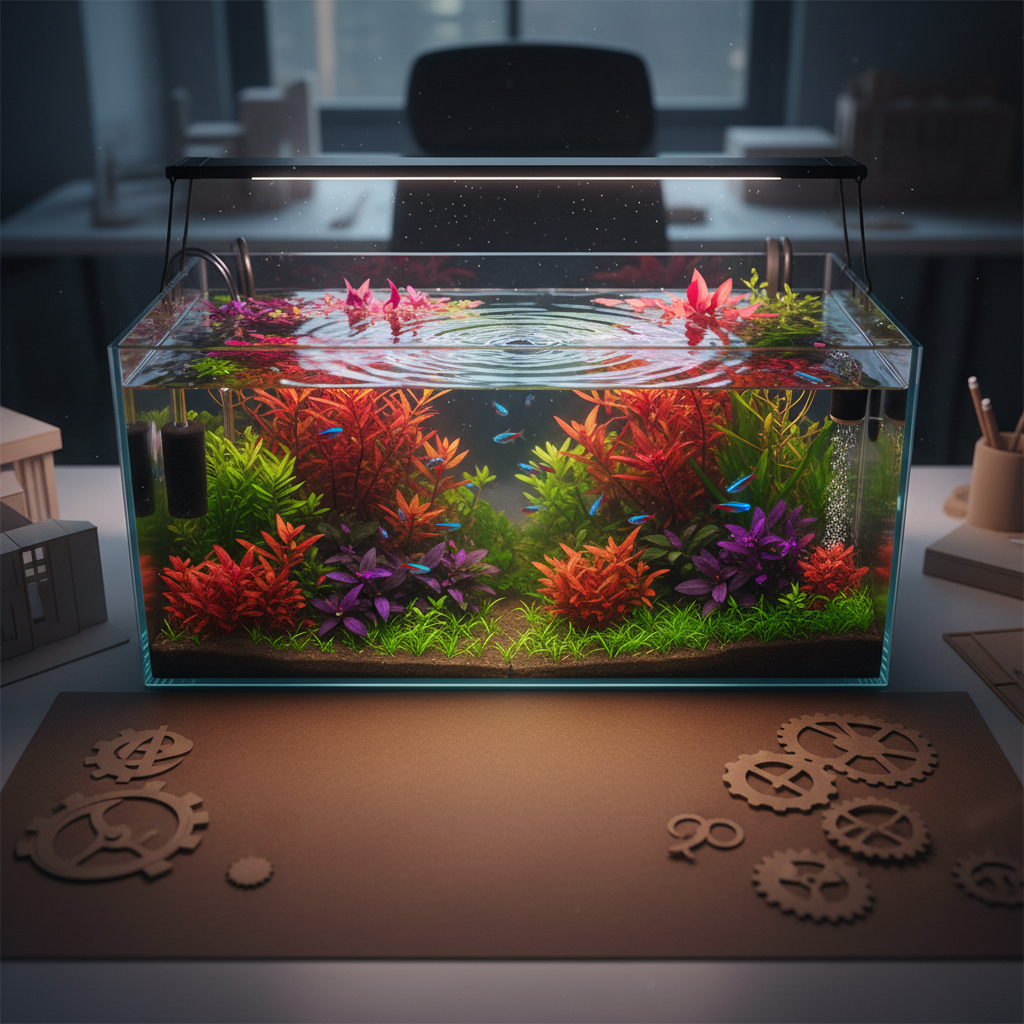
Now, my approach to aquarium keeping is much more relaxed and minimalist. I focus on creating a balanced ecosystem that requires minimal intervention. I use simple equipment, maintain a consistent water quality, and observe my fish and plants closely. The result is a thriving aquarium that brings me joy and satisfaction every day.
I still enjoy experimenting with new plants and fish, but I do so with a healthy dose of skepticism and a focus on long-term sustainability. I no longer chase the “perfect” spectrum or the “ultimate” filtration system. Instead, I strive to create a natural and harmonious environment where my fish and plants can thrive.
A Word of Advice to New Aquarists
If you’re just starting out in the aquarium hobby, my advice to you is simple: don’t get discouraged by the complexity of it all. Start small, learn the basics, and don’t be afraid to make mistakes. Focus on creating a healthy and stable environment for your fish, and the rest will fall into place. And remember, the most important equipment is your own knowledge, patience, and dedication.
Resist the urge to buy every shiny gadget you see. Instead, invest in education. Read books, watch videos, and join online forums. Learn about the nitrogen cycle, water chemistry, and the specific needs of your fish and plants. The more you know, the better equipped you’ll be to create a successful and rewarding aquarium.
And most importantly, remember to enjoy the journey. The aquarium hobby is a lifelong learning experience, and there’s always something new to discover. Embrace the challenges, celebrate the successes, and never stop learning. It’s a journey that will enrich your life in countless ways.
The pursuit of aquarium perfection through equipment upgrades almost made me quit. It sucked the joy out of the hobby, replacing it with frustration and disappointment. But by learning to simplify, observe, and embrace the natural processes, I rediscovered the magic of the aquarium. I hope my experiences can help you avoid the same pitfalls and find your own path to aquarium success.
Ultimately, the aquarium hobby is about creating a little slice of nature in your home. It’s about observing the beauty and complexity of the aquatic world, and about providing a healthy and enriching environment for your fish and plants. It’s a journey of discovery, a constant learning process, and a source of endless joy. So, take a deep breath, dive in, and enjoy the ride. You might just surprise yourself with what you can create.
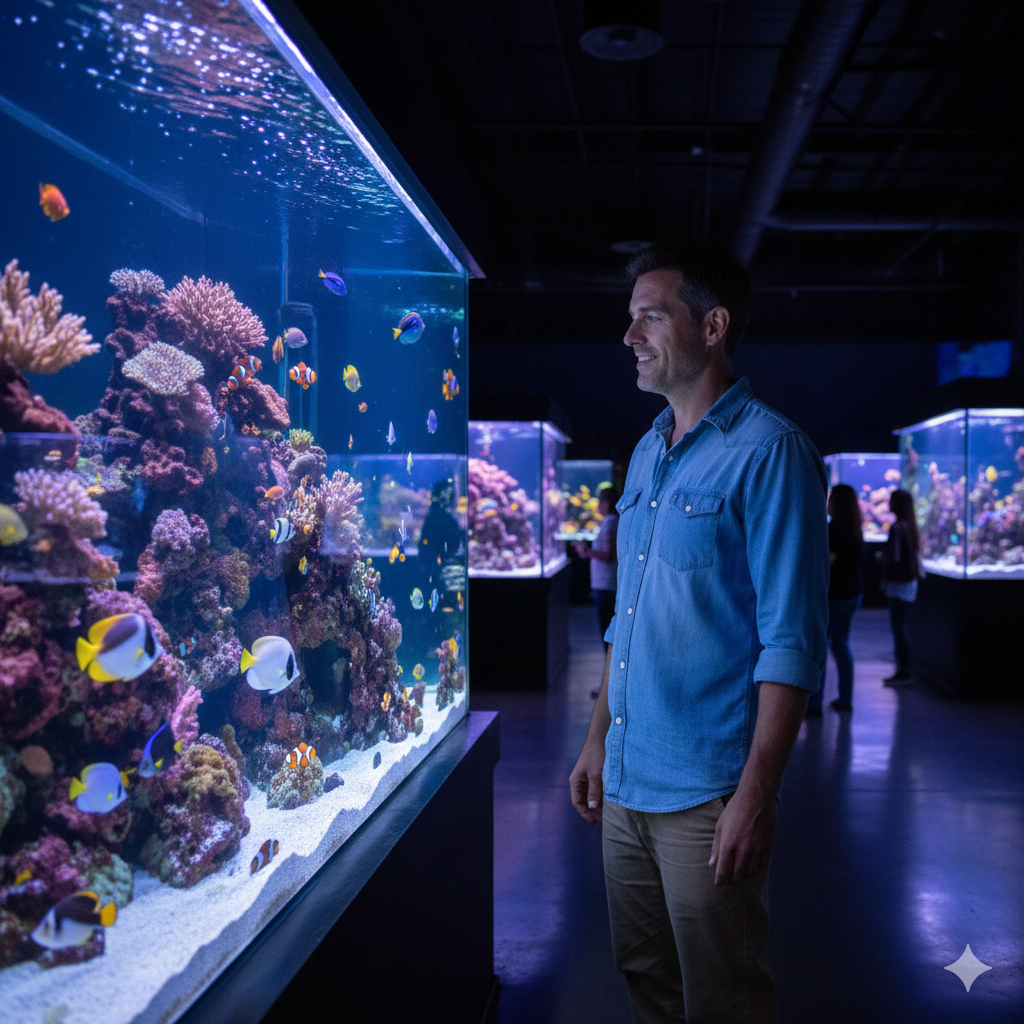
My name is Daniel Carter, I am 35 years old, and I live in the United States. I have been passionate about aquariums for many years, and what started as a simple hobby quickly became a lifelong interest in aquatic life, fish behavior, and responsible tank care.
Through TheBrightLance, I share real experiences, practical knowledge, and honest lessons learned from maintaining different types of aquariums. I enjoy testing equipment, studying fish behavior, improving maintenance routines, and helping beginners avoid common mistakes.
My goal is to make aquarism easier, more ethical, and more enjoyable for everyone — whether you are setting up your very first tank or looking to refine your techniques.