
Understanding Your Fish: A Daily Behavior Guide
Hey everyone, Lucas here! Over the past decade, I’ve learned that keeping fish healthy and happy is a lot like raising any other pet. It’s not just about feeding them and cleaning the tank; it’s about understanding their behaviors and responding to their needs. That’s why I wanted to share some of the daily fish behaviors that I look for to ensure my aquarium is a thriving ecosystem. I’m not talking about complex scientific stuff, just simple observations that anyone can make, even if you’re just starting out. Think of it as a daily check-up, a way to connect with your fish and make sure they’re living their best lives. Believe me, paying attention to these little details can save you a lot of headaches (and fish lives!) in the long run.
Active Swimming and Exploration
The first thing I notice every morning is how my fish are swimming. Are they darting around energetically, exploring every nook and cranny of the tank? That’s a great sign. Active swimming indicates that they’re comfortable in their environment, getting enough oxygen, and generally feeling good. On the other hand, if they’re lethargic, hanging near the bottom, or constantly hiding, something might be wrong. Maybe the water parameters are off, or perhaps they’re feeling stressed by a bully in the tank. I remember one time my neon tetras started acting sluggish. I immediately tested the water, and the ammonia levels were through the roof! A quick water change and some extra attention to the filter, and they were back to their usual lively selves within a day.
It’s not just about *if* they’re swimming, but *how* they’re swimming too. Erratic, jerky movements can be a sign of parasites or neurological issues. Clamped fins (held close to the body) often indicate stress or illness. If you see any of these unusual swimming patterns, it’s time to do some investigating. Don’t just ignore it and hope it goes away! Early detection is key to treating most fish ailments.
Healthy Appetite and Feeding Habits
Feeding time is always a highlight in my aquarium. Watching the fish eagerly gobble up their food is not only entertaining but also a crucial indicator of their health. A healthy fish will have a good appetite and actively compete for food. If a fish suddenly stops eating or shows a lack of interest in food, it’s a red flag. This could be due to a variety of reasons, from internal parasites to stress from a new tank mate. I once introduced a new, larger angelfish into my community tank, and the smaller fish became visibly stressed and stopped eating for a couple of days. I ended up having to re-home the angelfish to restore peace and harmony (and appetites!) in the tank.
It’s also important to observe *how* they’re eating. Are they able to catch the food easily, or are they struggling? Do they spit the food out repeatedly? These behaviors can indicate problems with their mouth or throat, or even issues with their digestive system. For example, stringy white feces are a common sign of internal parasites. If you notice anything unusual, it’s best to consult with a knowledgeable aquarist or veterinarian.

Normal Social Interactions
Fish are social creatures, and their interactions with each other can tell you a lot about their well-being. Observe how they interact with their tank mates. Are they schooling peacefully, or are there signs of aggression? A little bit of chasing is normal, especially during breeding season, but constant bullying or nipping can indicate that something is off. Maybe the tank is too small for the number of fish, or perhaps there’s a mismatch in temperament between different species. I had a particularly aggressive betta once who terrorized all the other fish in the tank. I eventually had to give him his own private palace (a small, heavily planted tank) where he could reign supreme without bothering anyone else.
Pay attention to the specific behaviors of different species. Some fish, like corydoras catfish, are naturally more active and social than others. If your normally social fish are suddenly isolating themselves, it’s a sign that something is wrong. Similarly, observe their resting behaviors. Do they have a favorite spot in the tank where they like to hang out? Are they sleeping normally? Changes in these behaviors can be early warning signs of illness or stress.
Decoding Specific Behaviors
Beyond the general observations, there are specific behaviors that can give you more detailed insights into the health of your fish. Knowing what these behaviors mean can help you diagnose problems early and take appropriate action.
Surface Gasping
This is one of the most obvious and alarming behaviors. If your fish are constantly gasping at the surface of the water, they’re not getting enough oxygen. This could be due to a number of factors, including low oxygen levels in the water, high ammonia or nitrite levels, or even gill parasites. The first thing I do when I see surface gasping is to check the water parameters. If the ammonia or nitrite levels are high, I perform an immediate water change. I also make sure that the filter is functioning properly and that there’s adequate surface agitation to promote oxygen exchange. Sometimes, simply adding an air stone can make a big difference.
In some cases, surface gasping can be a sign of gill parasites. These parasites can damage the gills, making it difficult for the fish to breathe. If you suspect gill parasites, you’ll need to treat the tank with an appropriate medication. It’s always a good idea to quarantine any new fish before introducing them to your main tank to prevent the spread of parasites and diseases.
Flashing or Rubbing
Flashing is when a fish rubs its body against objects in the tank, like rocks or decorations. This behavior is often a sign of skin irritation, which can be caused by parasites, poor water quality, or even a bacterial infection. The fish are trying to relieve the itching and discomfort by rubbing against these objects. If you see your fish flashing frequently, it’s important to investigate the cause. Start by testing the water parameters and performing a water change if necessary. You should also carefully examine the fish for any signs of parasites or skin lesions. If you suspect parasites or a bacterial infection, you’ll need to treat the tank with an appropriate medication. I’ve found that a salt bath can often help relieve mild skin irritation as well.
Fin Nipping
Fin nipping is when one fish bites the fins of another fish. This is usually a sign of aggression, but it can also be caused by boredom or stress. Fin nipping can lead to secondary infections and can significantly weaken the victimized fish. If you see fin nipping in your tank, it’s important to address the issue immediately. First, make sure that the tank is large enough for the number of fish you have. Overcrowding can lead to increased stress and aggression. You should also provide plenty of hiding places, like plants and decorations, to allow the fish to escape from aggressors. If the fin nipping persists, you may need to separate the aggressor or re-home it to another tank.

Shimmying
Shimmying is when a fish vibrates or shakes its body rapidly. This behavior is often a sign of poor water quality, especially high ammonia or nitrite levels. It can also be caused by stress or illness. Shimmying indicates that the fish is uncomfortable and trying to cope with the unfavorable conditions. If you see your fish shimmying, test the water parameters immediately and perform a water change if necessary. Make sure that the filter is functioning properly and that there’s adequate aeration. You should also observe the fish closely for any other signs of illness, such as clamped fins or loss of appetite. If the shimmying persists, consult with a knowledgeable aquarist or veterinarian to determine the underlying cause and appropriate treatment.
Lethargy and Isolation
As I mentioned earlier, healthy fish are generally active and social. If a fish becomes lethargic and starts isolating itself from the group, it’s a sign that something is wrong. This could be due to a variety of factors, including illness, stress, or poor water quality. The fish is likely feeling weak and vulnerable, and it’s trying to conserve energy by staying still and avoiding social interactions. If you see a fish exhibiting lethargy and isolation, carefully observe it for any other signs of illness, such as clamped fins, loss of appetite, or unusual swimming patterns. Test the water parameters and perform a water change if necessary. You may also need to quarantine the fish to prevent the spread of any potential diseases to the other inhabitants of the tank.
Creating a Healthy Environment: Prevention is Key
Ultimately, the best way to ensure your fish are healthy and happy is to create a stable and healthy environment in the first place. This means maintaining good water quality, providing a balanced diet, and minimizing stress. Here are some of the key things I do to keep my aquarium thriving:
Regular Water Changes
Regular water changes are essential for maintaining good water quality. They help to remove accumulated waste products, such as ammonia, nitrite, and nitrate, which can be harmful to fish. I typically perform a 25% water change once a week. This helps to keep the water parameters stable and prevents the buildup of toxins. When performing a water change, be sure to use dechlorinated water that is the same temperature as the tank water. Sudden changes in temperature or water chemistry can stress the fish. I also like to add a water conditioner to help remove chlorine and chloramine, and to add essential electrolytes to the water.
Proper Filtration
A good filtration system is crucial for removing solid waste and maintaining good water quality. There are several different types of filters available, including sponge filters, hang-on-back filters, and canister filters. I personally prefer canister filters because they provide excellent mechanical, chemical, and biological filtration. Mechanical filtration removes solid waste particles, such as uneaten food and plant debris. Chemical filtration removes dissolved pollutants, such as ammonia and nitrite. Biological filtration converts harmful ammonia and nitrite into less harmful nitrate. Be sure to clean your filter regularly to ensure that it’s functioning properly. However, avoid cleaning the filter too thoroughly, as this can remove beneficial bacteria that are essential for biological filtration.

Balanced Diet
A balanced diet is essential for the health and well-being of your fish. Provide a variety of foods to ensure that they’re getting all the nutrients they need. I typically feed my fish a combination of flake food, frozen food, and live food. Flake food is a good staple diet, but it’s important to choose a high-quality flake food that is specifically formulated for the type of fish you have. Frozen food, such as bloodworms, brine shrimp, and daphnia, provides a good source of protein and other essential nutrients. Live food, such as mosquito larvae and blackworms, is a natural and highly nutritious food source. However, be sure to obtain live food from a reputable source to avoid introducing parasites or diseases into your tank.
Minimize Stress
Stress can weaken the immune system of fish and make them more susceptible to illness. Minimize stress by providing a stable and comfortable environment. Avoid sudden changes in temperature or water chemistry. Provide plenty of hiding places, such as plants and decorations, to allow the fish to escape from aggressors. Avoid overcrowding the tank, as this can lead to increased stress and aggression. Be careful when introducing new fish to the tank, as this can also be stressful for the existing inhabitants. Quarantine new fish for several weeks before introducing them to the main tank to prevent the spread of any potential diseases.
Trust Your Instincts and Observe
Ultimately, the best way to keep your fish healthy is to trust your instincts and observe them closely. You know your fish better than anyone else, and you’re the most likely to notice subtle changes in their behavior that could indicate a problem. Don’t be afraid to ask for help from other aquarists or veterinarians if you’re unsure about something. There’s a wealth of information available online and in books, but nothing beats hands-on experience and the advice of knowledgeable experts. Remember, keeping fish is a rewarding hobby that can bring you years of enjoyment, but it requires dedication, patience, and a willingness to learn. So, keep observing, keep learning, and keep those fish swimming happily!

By paying attention to these daily behaviors and creating a healthy environment, you can ensure that your fish thrive and bring you joy for many years to come. Happy fishkeeping!
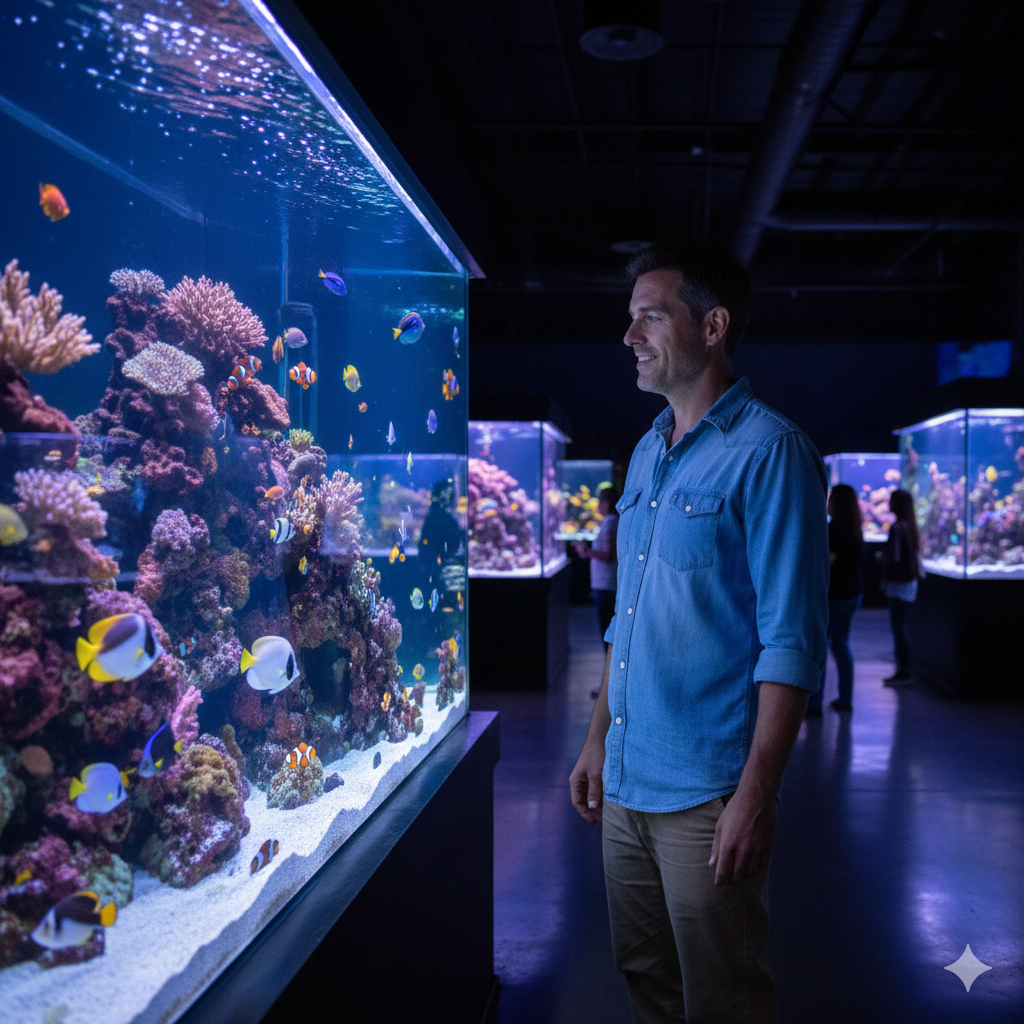
My name is Daniel Carter, I am 35 years old, and I live in the United States. I have been passionate about aquariums for many years, and what started as a simple hobby quickly became a lifelong interest in aquatic life, fish behavior, and responsible tank care.
Through TheBrightLance, I share real experiences, practical knowledge, and honest lessons learned from maintaining different types of aquariums. I enjoy testing equipment, studying fish behavior, improving maintenance routines, and helping beginners avoid common mistakes.
My goal is to make aquarism easier, more ethical, and more enjoyable for everyone — whether you are setting up your very first tank or looking to refine your techniques.