
My Beginner Aquarist Blunders: Lessons Learned the Hard Way
Alright, folks, let’s talk about mistakes. We all make them, especially when diving headfirst into a new hobby. And believe me, as a now seasoned aquarist of over a decade, I’ve certainly made my fair share. When I first started keeping fish, armed with nothing but enthusiasm and a vague understanding of what I was getting into, I stumbled – hard. These weren’t just minor slips; they were full-blown faceplants that, in some cases, led to unnecessary fishy casualties. But, hey, every expert was once a beginner, right? The key is to learn from those early missteps so you don’t repeat them. So, in the interest of helping aspiring aquarists avoid the pitfalls I so enthusiastically leaped into, I’m going to share some of my biggest beginner blunders. Prepare yourselves; some of them are pretty cringe-worthy.
The Impatient Cycle: A Recipe for Disaster
Oh, the cycling process. The bane of every beginner’s existence, and, unfortunately, one of the first hurdles I completely ignored. Back then, I was so eager to get my fish into their new home that I skipped the nitrogen cycle entirely. I didn’t understand the importance of establishing beneficial bacteria colonies to process harmful ammonia and nitrites. I just filled the tank with water, added a dechlorinator (at least I got that part right!), and threw in my first batch of unsuspecting fish. Within days, the ammonia levels skyrocketed, and my poor fish were gasping at the surface, clearly distressed. It was a horrifying sight, and one I still regret to this day. The fish started dying off one by one and I was devastated. I didn’t know what I was doing wrong. Was I cursed? Looking back, it’s obvious now, but at the time, I was clueless.
The lesson here is simple: patience is paramount. The cycling process can take several weeks, but it’s crucial for the long-term health and well-being of your fish. There are several methods you can use, including fishless cycling (my preferred method) or fish-in cycling (which requires very close monitoring and frequent water changes). Regardless of the method you choose, research it thoroughly and be patient. It’s better to wait a few weeks than to subject your fish to toxic water conditions. Nowadays, I always recommend a fishless cycle to anyone new to the hobby. It may take a little longer, but it’s the safest and most humane option.
Overstocking Catastrophe: A Cramped and Chaotic Community
Another cardinal sin I committed early on was overstocking my tank. I fell victim to the classic beginner’s mistake of wanting to have as many different kinds of fish as possible. I envisioned a vibrant, bustling community tank filled with all sorts of colorful creatures. What I ended up with was a cramped, chaotic, and unhealthy mess. I vastly underestimated the space requirements of different species and didn’t account for their adult sizes. My tank quickly became overcrowded, leading to increased stress, aggression, and disease outbreaks. The water quality suffered, no matter how many water changes I did. It was a constant uphill battle trying to keep the tank clean and the fish healthy. Think of it like squeezing too many people into a small apartment – eventually, things are going to break down, and tensions are going to rise.
The key to avoiding this mistake is to do your research and plan carefully. Use online resources like AqAdvisor to calculate the stocking level of your tank based on its size and the species you want to keep. Consider the adult size of the fish, their temperament, and their specific needs. It’s always better to understock than to overstock. A less crowded tank is a happier and healthier tank. And, trust me, your fish will thank you for it. Remember, a healthy, thriving, lightly stocked tank is far more visually appealing than an overstocked, stressed-out one.

The Untamed Algae Bloom: A Green and Slimy Nightmare
Ah, algae. The nemesis of every aquarist. And, boy, did I have a battle with it in my early days. I underestimated the importance of proper lighting, nutrient balance, and regular maintenance in controlling algae growth. I left my tank lights on for way too long, creating the perfect conditions for a massive algae bloom. Soon, everything – the glass, the plants, the decorations – was covered in a thick layer of green slime. It was disgusting, and it made the tank look absolutely awful. I tried scrubbing it off, but it just kept coming back. It was a never-ending cycle of algae warfare.
The solution? A multi-pronged approach. First, I reduced the amount of time my lights were on to about 8-10 hours per day. Second, I started performing regular water changes to reduce nutrient levels. Third, I introduced algae-eating creatures like snails and otocinclus catfish to help keep the algae under control. It took time, but eventually, I managed to get the algae under control. Now, I understand that algae is a natural part of any aquarium ecosystem, but excessive algae growth is a sign of imbalance. By addressing the underlying causes, you can keep it at bay and maintain a healthy and aesthetically pleasing tank. And trust me, a clean tank is a happy tank (and a happy aquarist!).
The Neglected Water Changes: A Gradual Slide into Toxicity
Speaking of water changes, I was incredibly inconsistent with them when I first started. I didn’t fully grasp the importance of removing accumulated waste and replenishing essential minerals. I would go weeks, sometimes even months, without changing the water. Unsurprisingly, the water quality deteriorated rapidly, leading to elevated levels of nitrates and other harmful substances. My fish became lethargic and susceptible to disease. It was a slow, gradual slide into toxicity that I didn’t fully recognize until it was almost too late. Think of it like slowly poisoning your fish with their own waste.
The general rule of thumb is to perform a 25-50% water change every 1-2 weeks, depending on the size of your tank and the number of fish you have. However, it’s important to test your water regularly using a liquid test kit to monitor the levels of ammonia, nitrite, and nitrate. This will give you a better understanding of your tank’s specific needs and allow you to adjust your water change schedule accordingly. Regular water changes are the cornerstone of good aquarium keeping. They are essential for maintaining water quality, preventing disease, and ensuring the long-term health and well-being of your fish. Don’t skimp on them! It’s a small price to pay for a thriving aquarium.
The Incompatible Tank Mates: A Recipe for Aggression and Stress
Another major mistake I made was choosing incompatible tank mates. I didn’t research the temperaments and behaviors of different species before introducing them to my tank. I ended up with a mix of aggressive and peaceful fish, which led to constant bullying, nipping, and stress. Some fish were constantly hiding, while others were constantly fighting. It was a stressful environment for everyone involved, including me! One particularly bad combination was pairing a Betta with some fin-nipping tetras. The Betta was constantly harassed, and its beautiful fins were shredded. It was a heartbreaking sight, and I quickly realized I had made a terrible mistake.
The key to successful community tank keeping is to choose fish that are compatible in terms of temperament, size, and water parameters. Research the specific needs of each species before introducing them to your tank. Avoid mixing aggressive fish with peaceful fish, and make sure that all fish have enough space to establish their own territories. A well-planned community tank can be a beautiful and harmonious ecosystem, but a poorly planned one can be a recipe for disaster. Remember, a peaceful tank is a happy tank. Do your homework and choose your tank mates wisely.

The Feeding Frenzy: Overfeeding and Its Consequences
I also had a bad habit of overfeeding my fish. I thought I was being generous, but I was actually doing more harm than good. Uneaten food would sink to the bottom of the tank, decompose, and pollute the water. This led to increased ammonia levels, algae blooms, and other water quality problems. My fish also became overweight and sluggish. It was a classic case of “too much of a good thing.”
The general rule of thumb is to feed your fish only as much as they can consume in 2-3 minutes. It’s better to underfeed than to overfeed. You can also skip feeding your fish one day a week to give their digestive systems a break. Observe your fish closely during feeding time and adjust the amount of food accordingly. Remember, a healthy fish is a lean fish. Avoid the temptation to overfeed, and your fish will thank you for it.
Ignoring Quarantine: A Costly and Heartbreaking Mistake
Perhaps one of the most devastating mistakes I made was neglecting to quarantine new fish before introducing them to my main tank. I was always so eager to add new additions to my community that I skipped this crucial step. As a result, I inadvertently introduced diseases and parasites to my established tank, wiping out entire populations of fish. It was a heartbreaking experience, and one I vowed never to repeat.
Quarantine is essential for preventing the spread of disease in your aquarium. When you bring home new fish, they may be carrying diseases or parasites that are not immediately apparent. By isolating them in a separate quarantine tank for 2-4 weeks, you can observe them for any signs of illness and treat them accordingly before introducing them to your main tank. This simple step can save you a lot of heartache and prevent the loss of your entire fish population. A quarantine tank doesn’t have to be fancy. A simple, bare-bottom tank with a filter and heater will suffice. The important thing is to isolate the new fish and monitor them closely for any signs of illness. Trust me, the peace of mind is worth the extra effort.
The Unstable Temperatures: A Constant State of Flux
Another area where I struggled was maintaining stable water temperatures. I didn’t realize how sensitive fish are to temperature fluctuations. My tank was located near a window, and the temperature would fluctuate wildly throughout the day, depending on the weather. This constant temperature swing stressed my fish and made them more susceptible to disease. One particularly cold night, the temperature in my tank plummeted, and several of my fish died from shock. It was a harsh lesson, but it taught me the importance of temperature stability.
The ideal water temperature for most tropical fish is between 76-82°F (24-28°C). Use a reliable aquarium heater to maintain a stable temperature. Avoid placing your tank near windows or in areas with drafts. Monitor the temperature regularly using a thermometer. A stable temperature is crucial for the health and well-being of your fish. Don’t underestimate its importance.

The Lack of Research: Jumping In Without a Parachute
Underlying all of these mistakes was a fundamental lack of research. I jumped into the hobby without fully understanding the needs of my fish or the complexities of maintaining a healthy aquarium ecosystem. I relied on outdated information from unreliable sources and made a lot of assumptions. It was a classic case of “flying by the seat of my pants,” and it ultimately cost me dearly. I wish I had taken the time to educate myself properly before bringing any fish home.
Before you start an aquarium, take the time to research the specific needs of the fish you want to keep. Learn about their water parameter requirements, their dietary needs, their temperament, and their compatibility with other species. Read books, visit websites, and talk to experienced aquarists. The more you know, the better prepared you will be to provide a healthy and thriving environment for your fish. Knowledge is power, and in the world of aquariums, it can make the difference between success and failure. Don’t be afraid to ask questions and seek advice. The aquarium community is generally very helpful and supportive, and there are plenty of experienced aquarists who are willing to share their knowledge.
Cheap Equipment: Cutting Corners and Paying the Price
In my early days, I was also guilty of trying to save money by buying cheap aquarium equipment. I figured a filter was a filter, and a heater was a heater. Boy, was I wrong! The cheap filter I bought was ineffective at removing waste and debris, leading to poor water quality. The cheap heater was unreliable and failed to maintain a stable temperature. I ended up spending more money in the long run replacing the cheap equipment with higher-quality products. It was a classic case of “you get what you pay for.”
While it’s tempting to save money by buying cheap aquarium equipment, it’s generally not a good idea. Invest in high-quality equipment from reputable brands. A good filter, heater, and lighting system will last longer, perform better, and ultimately save you money in the long run. Do your research and read reviews before making any purchases. Don’t be afraid to spend a little extra money on quality equipment. It’s an investment in the health and well-being of your fish.

Ignoring the Signs: Missing Early Warning Signals
Finally, one of my biggest failings as a beginner aquarist was ignoring the early warning signs of problems in my tank. I was often so busy that I didn’t take the time to observe my fish closely for any signs of illness or stress. By the time I noticed something was wrong, it was often too late to do anything about it. I learned the hard way that early detection is key to preventing serious problems in the aquarium.
Spend some time each day observing your fish. Look for any changes in their behavior, appearance, or appetite. Check for signs of illness, such as fin rot, ich, or cloudy eyes. Monitor the water parameters regularly using a test kit. The sooner you detect a problem, the sooner you can take action to correct it. Early detection can often make the difference between life and death for your fish. Be observant, be proactive, and don’t ignore the warning signs.
The Bottom Line: Learn from My Mistakes (So You Don’t Have To!)
So, there you have it – a warts-and-all account of my biggest beginner aquarist blunders. It’s a humbling experience to admit these mistakes, but I hope that by sharing them, I can help other aspiring aquarists avoid the same pitfalls. Remember, aquarium keeping is a learning process. Everyone makes mistakes along the way. The key is to learn from those mistakes and to keep striving to improve. With patience, research, and a willingness to learn, you can create a beautiful and thriving aquarium that you and your fish will enjoy for years to come. And who knows, maybe one day you’ll be sharing your own list of beginner blunders with the next generation of aquarists. Happy fishkeeping!
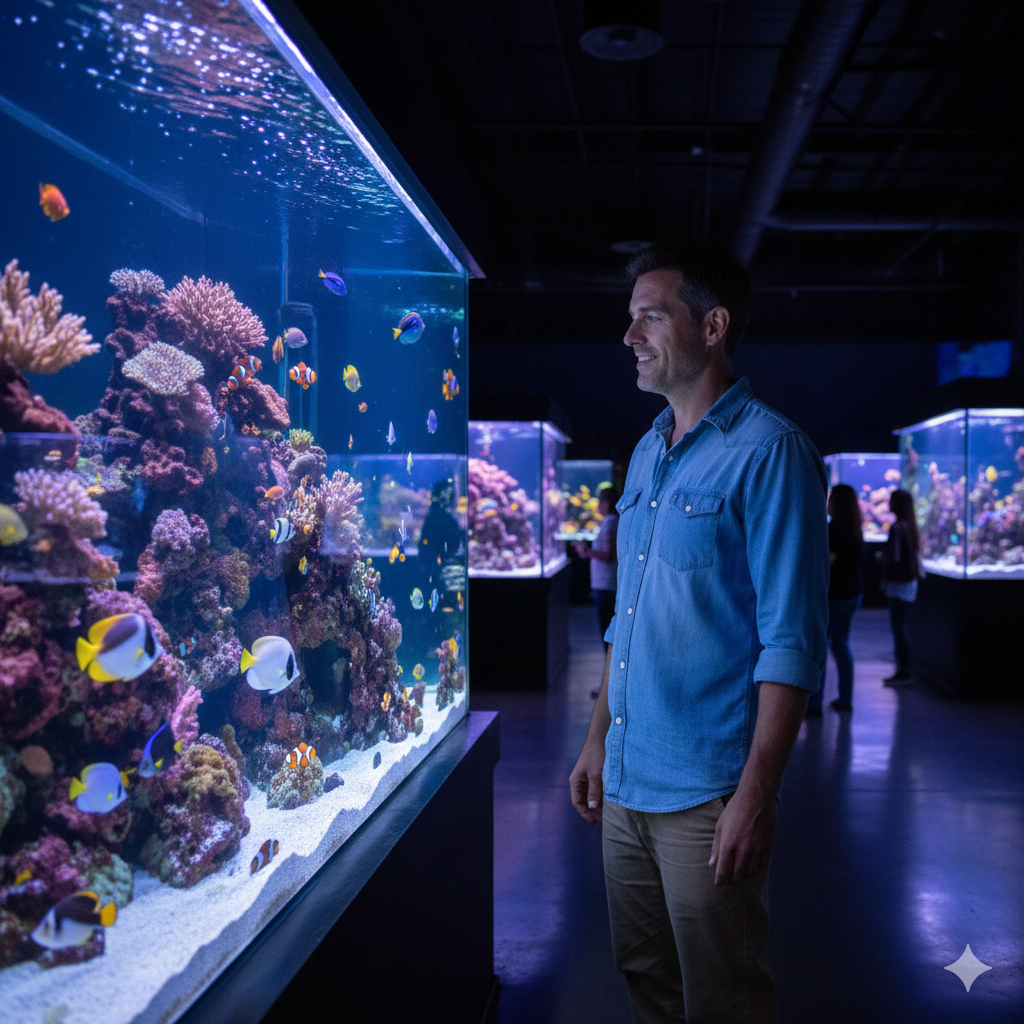
My name is Daniel Carter, I am 35 years old, and I live in the United States. I have been passionate about aquariums for many years, and what started as a simple hobby quickly became a lifelong interest in aquatic life, fish behavior, and responsible tank care.
Through TheBrightLance, I share real experiences, practical knowledge, and honest lessons learned from maintaining different types of aquariums. I enjoy testing equipment, studying fish behavior, improving maintenance routines, and helping beginners avoid common mistakes.
My goal is to make aquarism easier, more ethical, and more enjoyable for everyone — whether you are setting up your very first tank or looking to refine your techniques.