
The Subtle Signals My Fish Started Sending (And How I Learned to Listen)
For years, I treated my aquariums like living art installations. I focused on the aesthetics – the perfectly arranged driftwood, the meticulously chosen plants, the shimmering gravel. The fish? Well, they were just colorful accessories, weren’t they? Feed them, clean the tank, and admire their beauty. That was the extent of my interaction.
Then came the day I lost my entire school of rummy-nose tetras. No obvious symptoms, no visible diseases. Just… gone. It was a wake-up call. I realized I’d been a terrible fish keeper, neglecting the most important aspect: understanding my fish.
That experience sparked a transformation. I dove headfirst into researching fish behavior. I spent hours observing my tanks, not just looking, but watching. What I discovered changed everything. Now, I see my fish not just as decorations, but as complex creatures with needs, personalities, and a language all their own. Here are some of the most crucial behavior clues I’ve learned to recognize.
Decoding the Dance: Understanding Swimming Patterns
Before, I assumed all swimming was just… swimming. But I quickly realized that the way a fish moves through the water can tell you a lot about its well-being. For example, a fish constantly darting to the surface might be struggling with low oxygen levels, even if your filter seems to be working fine. It could indicate poor water circulation, too many fish, or even an issue with the filter itself.
Then there’s the opposite: a fish that hangs near the bottom, listless and uninterested. This can signal a variety of problems, from stress caused by bullying from other fish to illness or poor water parameters, particularly high ammonia or nitrite levels. It’s like a human being slumped over, exhausted – something is clearly wrong.
Erratic, jerky movements, often accompanied by flashing (rubbing against objects in the tank), are a classic sign of parasites. I learned this the hard way when my cardinal tetras came down with ich. I initially dismissed their occasional scratching as normal behavior, but by the time I realized it was a problem, the infestation was widespread. Now, I quarantine all new fish for at least two weeks to prevent a repeat of that disaster.
Even subtle changes in swimming patterns can be significant. A normally active fish suddenly becoming reclusive could be an early indicator of illness or stress. The key is to know your fish’s baseline behavior and to be observant enough to notice when something deviates from the norm.

The Language of Fins and Scales: Body Language Speaks Volumes
Fins and scales aren’t just for show; they’re vital communication tools. Clamped fins, for example, are a universal sign of stress or illness in fish. It’s like a dog tucking its tail between its legs – they’re feeling vulnerable and uncomfortable.
Loss of color or a dull appearance can also indicate a problem. A stressed or sick fish often loses its vibrant hues, becoming pale and washed out. This is especially noticeable in brightly colored fish like neon tetras or bettas.
Conversely, intensified colors can also be significant. During breeding season, many fish, like cichlids, display dramatically brighter colors to attract mates. This is a sign of health and vigor. But, sometimes, intense coloration, coupled with aggressive behavior, can indicate territorial disputes or dominance displays.
Another important clue is scale condition. Raised or protruding scales are a classic symptom of dropsy, a bacterial infection that causes fluid to accumulate in the fish’s body. It’s a serious condition that often requires immediate treatment. Always be on the lookout for any irregularities in your fish’s scales, and don’t hesitate to consult with a veterinarian if you suspect a problem.
The Appetite Indicator: Paying Attention to Feeding Habits
A healthy appetite is a good sign, but changes in feeding habits can be a red flag. A sudden loss of appetite is often one of the first signs that something is wrong. It could be due to stress, illness, or poor water quality. If your fish suddenly stops eating, it’s time to investigate the underlying cause.
On the other hand, excessive eating can also be a concern. If your fish are constantly begging for food and appear bloated, they may be overeating. This can lead to obesity and other health problems. It’s crucial to feed your fish appropriate portions and to avoid overfeeding. A good rule of thumb is to feed them only as much as they can consume in a few minutes.
I once had a group of corydoras catfish that developed bloated bellies despite me feeding them what I thought was a reasonable amount. After some research, I realized they were scavenging leftover food from the bottom of the tank, which was contributing to their overeating. I adjusted my feeding schedule and vacuumed the substrate more frequently, and their bloating eventually subsided.
Also, observe how your fish eat. Do they eagerly dart for the food, or do they approach it hesitantly? Do they spit out the food, or do they swallow it with gusto? Any unusual behavior during feeding time should be noted and investigated.
The Social Scene: Understanding Interactions Between Fish
Aquariums are miniature ecosystems, and the social dynamics within them can be complex. Observing how your fish interact with each other can provide valuable insights into their well-being. Constant bullying or aggression is a clear sign that something is amiss.
Fin nipping, chasing, and cornering are all forms of aggression that can stress your fish and make them more susceptible to disease. If you observe these behaviors, you may need to re-arrange your tank to provide more hiding places, increase the size of the school, or even remove the aggressor.
Sometimes, aggression is a natural part of a fish’s behavior, especially during breeding season or when establishing a territory. However, excessive aggression is never acceptable and should be addressed immediately.
Conversely, a lack of interaction can also be a sign of a problem. If your fish are normally active and social, but suddenly become withdrawn and isolated, they may be feeling ill or stressed. Pay attention to any changes in their social behavior and take appropriate action.
The Power of Observation: Developing a Keen Eye
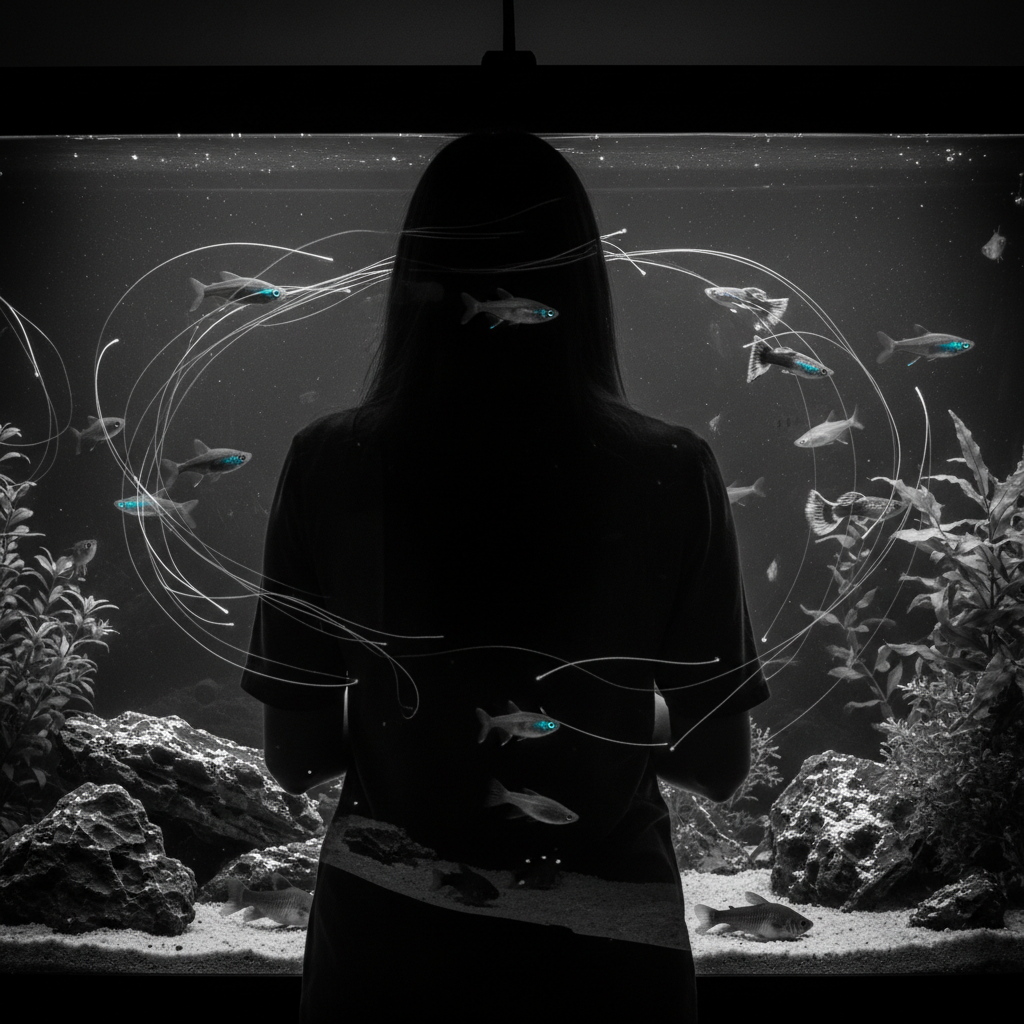
The most important thing I’ve learned is that there’s no substitute for careful observation. Spend time each day simply watching your fish. Pay attention to their swimming patterns, their body language, their feeding habits, and their social interactions. The more you observe, the better you’ll become at recognizing subtle changes that may indicate a problem.
Keep a journal or notebook to record your observations. Note any changes in behavior, water parameters, or tank conditions. This will help you track trends and identify potential problems early on.
Don’t be afraid to ask for help from other fish keepers or from a veterinarian. There are many online forums and communities where you can share your observations and get advice from experienced aquarists. And if you suspect your fish is ill, don’t hesitate to take it to a veterinarian for treatment.
I remember one time, I noticed that one of my angelfish was constantly hiding behind a plant. At first, I didn’t think much of it, but after a few days, I realized that it was becoming increasingly lethargic. I decided to quarantine it and treat it with antibiotics, and it eventually made a full recovery. If I hadn’t been observant enough to notice its unusual behavior, it might have died.
Water Quality Wisdom: The Foundation of Fish Health
Okay, this isn’t strictly “behavioral,” but it’s so foundational that it deserves its own section. Water quality is the cornerstone of fish health. Poor water quality can stress your fish, weaken their immune systems, and make them more susceptible to disease. Regularly test your water parameters (ammonia, nitrite, nitrate, pH) and take steps to maintain optimal conditions.
Ammonia and nitrite are toxic to fish and should always be at zero. Nitrate is less toxic but can still be harmful at high levels. Perform regular water changes to keep nitrate levels in check. I aim for weekly 25% water changes, but I adjust the frequency and volume based on the needs of my tank.
pH is another important parameter to monitor. Most freshwater fish prefer a pH between 6.5 and 7.5, but some species have specific requirements. Research the ideal pH range for your fish and take steps to maintain it.
I use a combination of test kits and electronic monitors to keep track of my water parameters. I also keep a detailed log of my water changes and other maintenance activities. This helps me identify any potential problems early on and take corrective action before they become serious.

Beyond the Basics: Advanced Behavioral Observations
Once you’ve mastered the basics of fish behavior, you can start to delve deeper into more advanced observations. For example, you can learn to identify different types of aggression, such as territorial disputes, dominance displays, and spawning behavior. You can also learn to recognize subtle signs of illness, such as changes in breathing rate, fin twitching, and scale irregularities.
One fascinating area of study is fish communication. Fish communicate with each other through a variety of visual, chemical, and auditory signals. By observing their behavior, you can start to decipher their language and gain a deeper understanding of their social dynamics.
For example, some fish, like gouramis, use their pectoral fins to “feel” their environment and communicate with each other. Others, like electric eels, use electrical signals to navigate and hunt. And many fish use color changes to signal their mood or intentions.
The more you learn about fish behavior, the more you’ll appreciate the complexity and intelligence of these amazing creatures. It’s a lifelong journey of discovery that will enrich your aquariums and deepen your connection with the natural world.
The Rewards of Observation: A Healthier, Happier Aquarium
All this effort, this intense focus on the minute details of my fish’s lives… is it worth it? Absolutely. Since I started paying closer attention to my fish’s behavior, I’ve seen a dramatic improvement in their health and well-being. I’ve been able to identify and treat illnesses early on, prevent aggression and stress, and create a more harmonious and enriching environment for my fish.
My tanks are now thriving ecosystems, filled with vibrant, active, and healthy fish. And I’m no longer just a fish keeper; I’m a fish observer, a fish listener, a fish advocate. I’ve learned to see my fish not just as decorations, but as complex creatures with needs, personalities, and a language all their own.

The journey hasn’t been easy. There have been setbacks, mistakes, and moments of frustration. But the rewards have been immeasurable. By learning to understand my fish, I’ve not only become a better aquarist, but I’ve also gained a deeper appreciation for the wonders of the natural world. And that, to me, is the greatest reward of all.
My name is Daniel Carter, I am 35 years old, and I live in the United States. I have been passionate about aquariums for many years, and what started as a simple hobby quickly became a lifelong interest in aquatic life, fish behavior, and responsible tank care.
Through TheBrightLance, I share real experiences, practical knowledge, and honest lessons learned from maintaining different types of aquariums. I enjoy testing equipment, studying fish behavior, improving maintenance routines, and helping beginners avoid common mistakes.
My goal is to make aquarism easier, more ethical, and more enjoyable for everyone — whether you are setting up your very first tank or looking to refine your techniques.