
The Battles We All Face: Common Aquarium Problems
Hey everyone, Lucas here! After more than a decade of keeping freshwater aquariums, I’ve seen pretty much everything that can go wrong. From algae blooms that turn your tank into a green swamp to mysterious fish illnesses that wipe out entire populations, this hobby definitely has its challenges. But the good news is that most aquarium problems are preventable, or at least manageable, with the right knowledge and approach. So, I wanted to share some of the most frequent issues I encounter and the solutions I’ve developed over the years. Hopefully, this will help you avoid some of the headaches I’ve experienced and keep your aquatic friends happy and healthy.
The Green Monster: Algae Blooms
Let’s start with the most visually obvious and often frustrating problem: algae. We’ve all been there. One day your tank is sparkling clean, and the next, it looks like a science experiment gone wrong. Algae blooms are almost always caused by an imbalance of nutrients and light. Too much light, particularly direct sunlight, combined with excess nitrates and phosphates, creates the perfect environment for algae to thrive. And trust me, once it gets a foothold, it can be tough to get rid of.
My first line of defense is always prevention. I avoid placing my tanks near windows where they’ll receive direct sunlight. I also use a timer to regulate the amount of light my aquarium receives. Typically, I aim for around 8-10 hours of light per day. Overlighting is a major contributor to algae growth, and cutting back on the light duration can make a significant difference. Consider this: are you leaving your tank light on for longer than it needs to be? A simple timer can work wonders.
Beyond light control, managing nutrients is crucial. Regular water changes (I do about 25% weekly) help to remove excess nitrates and phosphates. I also make sure I’m not overfeeding my fish. Uneaten food decomposes and contributes to nutrient buildup, fueling algae growth. A good rule of thumb is to only feed your fish as much as they can consume in a few minutes. If you see food sinking to the bottom, you’re likely overfeeding. Also, consider using a good quality filter that is designed to remove organic waste. I prefer canister filters, but hang-on-back filters can also be effective, especially for smaller tanks.
Sometimes, despite your best efforts, algae still appears. In these cases, I turn to algae eaters. Nerite snails are fantastic for cleaning glass and decorations, and Otocinclus catfish are excellent at grazing on algae from plant leaves. However, be careful not to overload your tank with algae eaters. They still produce waste, which can contribute to the overall nutrient load. It’s a balancing act!
As a last resort, I sometimes use chemical treatments specifically designed to kill algae. However, I only use these as a temporary fix and always follow the instructions carefully. Overuse of these chemicals can harm your fish and disrupt the biological balance of your tank. Remember, the goal is to address the underlying cause of the algae bloom, not just treat the symptoms.

Cloudy Water: A Sign of Imbalance
Another common problem is cloudy water. This can be caused by a variety of factors, including bacterial blooms, excessive organic matter, or even tiny particles suspended in the water. The first thing I do when I notice cloudy water is to try and identify the cause. Is it white and milky, or is it green and murky? Milky water is often a sign of a bacterial bloom, while green water usually indicates an algae bloom.
Bacterial blooms are common in new tanks that haven’t fully cycled. The beneficial bacteria that break down waste haven’t established themselves yet, so organic matter builds up, leading to a rapid increase in bacteria. In these cases, I recommend patience and frequent water changes. Avoid adding too many fish at once and monitor your water parameters closely. The bloom will usually clear up on its own as the beneficial bacteria colony grows.
Cloudy water can also be caused by excessive organic matter. This can be due to overfeeding, decaying plant matter, or a buildup of waste in the substrate. In these cases, I recommend gravel vacuuming your substrate during water changes to remove any accumulated debris. You should also make sure you are not overfeeding your fish and that you are removing any dead leaves or other decaying matter from the tank. Consider what could be decomposing in the tank that is not obvious. Did a fish die and get hidden behind a rock?
Sometimes, cloudy water is simply due to tiny particles suspended in the water. This can be caused by disturbing the substrate during cleaning or by using certain types of decorations. In these cases, I recommend using a filter with fine mechanical filtration, such as a micron filter pad. These pads can trap even the smallest particles, leaving your water crystal clear.
In severe cases of cloudy water, you might consider using a water clarifier. These products work by clumping together the suspended particles, making them easier for your filter to remove. However, as with algae treatments, I only use water clarifiers as a temporary fix. It’s important to address the underlying cause of the cloudiness to prevent it from recurring. Ask yourself, what changed recently that could have caused this?
The Silent Killer: Ammonia and Nitrite Spikes
One of the most dangerous and often overlooked problems in aquariums is ammonia and nitrite spikes. These chemicals are toxic to fish and can cause serious health problems, even death. Ammonia and nitrites are produced as waste products by fish and decaying organic matter. In a healthy aquarium, beneficial bacteria convert ammonia into nitrites, and then nitrites into nitrates, which are less toxic. However, if the biological filter is not functioning properly, ammonia and nitrite levels can rise to dangerous levels.
The most common cause of ammonia and nitrite spikes is a new tank that hasn’t fully cycled. As I mentioned earlier, it takes time for the beneficial bacteria to establish themselves. During this cycling process, ammonia and nitrite levels will fluctuate. It’s crucial to monitor your water parameters closely and perform frequent water changes to keep these levels under control. Invest in a good test kit – liquid test kits are generally more accurate than test strips.
Another cause of ammonia and nitrite spikes is overcrowding. Too many fish in a tank can overwhelm the biological filter, leading to a buildup of waste. Make sure you are not exceeding the recommended stocking levels for your tank size. Research the adult size of your fish before you buy them, and consider how much space they will need as they grow. I often see beginners putting far too many fish into tanks that are too small. A crowded tank is a stressed tank.
Overfeeding can also contribute to ammonia and nitrite spikes. Uneaten food decomposes and produces ammonia. Only feed your fish as much as they can consume in a few minutes, and remove any uneaten food from the tank. Consider using an automatic feeder while on vacation to prevent overfeeding by well-meaning friends or family.
If you detect ammonia or nitrite in your tank, the first thing you should do is perform a large water change (50% or more). This will help to dilute the concentration of these chemicals. You should also add a water conditioner that neutralizes ammonia and nitrites. These products are available at most aquarium stores. Continue to monitor your water parameters closely and perform frequent water changes until the ammonia and nitrite levels are back to zero. Sometimes you need to do daily water changes for a week or more.
Consider adding beneficial bacteria supplements to your tank. These products contain live bacteria that can help to jumpstart the biological filter and reduce ammonia and nitrite levels. Follow the instructions carefully and don’t overdose. Remember to remove any decaying organic matter you can find. Do a deep clean of the substrate if necessary.

Mysterious Deaths: Identifying Fish Diseases
One of the most heartbreaking experiences in this hobby is losing fish to disease. It can be incredibly frustrating to watch your fish become sick and die, especially when you don’t know what’s causing it. Unfortunately, diagnosing fish diseases can be challenging, as many symptoms are similar and can be caused by a variety of factors.
The first step in identifying fish diseases is to observe your fish closely. Look for any changes in their behavior, appearance, or appetite. Are they swimming erratically, rubbing against objects, or hiding more than usual? Are their fins clamped, frayed, or discolored? Do they have any spots, lesions, or growths on their bodies? Are they eating normally, or are they refusing food?
Once you’ve gathered as much information as possible, you can start to narrow down the possible causes. Some common fish diseases include ich (white spot disease), fin rot, fungal infections, and parasitic infections. Ich is characterized by small white spots on the fish’s body and fins. Fin rot is a bacterial infection that causes the fins to become frayed and ragged. Fungal infections often appear as cotton-like growths on the fish’s body. Parasitic infections can cause a variety of symptoms, including scratching, flashing, and weight loss.
Once you’ve identified the likely disease, you can start treatment. Many fish diseases can be treated with commercially available medications. Follow the instructions carefully and make sure you are using the correct medication for the specific disease. It’s often best to treat the affected fish in a separate quarantine tank to prevent the disease from spreading to other fish. Quarantine also makes it easier to administer medication and monitor the fish’s progress.
Prevention is always better than cure. Maintaining good water quality, providing a healthy diet, and avoiding overcrowding can help to prevent fish diseases. Quarantine new fish before adding them to your main tank to prevent them from introducing any diseases. Observe your fish regularly for any signs of illness, and act quickly if you notice anything unusual. Don’t wait until the problem is advanced and harder to treat. Early detection can be life-saving.
Plant Problems: Keeping Your Aquascape Green
For those of us who enjoy planted aquariums, keeping our plants healthy and thriving can be a challenge in itself. Plants require adequate light, nutrients, and carbon dioxide to grow properly. If any of these factors are lacking, your plants may start to show signs of stress, such as yellowing leaves, stunted growth, or algae growth on their leaves.
Light is one of the most important factors for plant growth. Different plants have different light requirements, so it’s important to choose plants that are appropriate for the amount of light you have available. Low-light plants, such as Java fern and Anubias, can thrive under relatively dim lighting, while high-light plants, such as Amazon swords and Rotala, require more intense lighting.
Nutrients are also essential for plant growth. Plants need macronutrients, such as nitrogen, phosphorus, and potassium, as well as micronutrients, such as iron, magnesium, and trace elements. These nutrients can be provided through liquid fertilizers, root tabs, or nutrient-rich substrates. Follow the instructions carefully and don’t overdose, as excess nutrients can contribute to algae growth.
Carbon dioxide (CO2) is another important factor for plant growth. Plants use CO2 during photosynthesis to produce energy. In a heavily planted aquarium, the natural CO2 levels may not be sufficient to support optimal plant growth. In these cases, you may consider adding CO2 supplementation. This can be done using a CO2 injection system or a liquid carbon supplement. However, CO2 supplementation can be tricky, and it’s important to monitor your water parameters closely to avoid harming your fish.
In addition to light, nutrients, and CO2, proper water circulation is also important for plant growth. Good circulation helps to distribute nutrients and CO2 evenly throughout the tank and prevents dead spots where algae can thrive. Use a powerhead or wave maker to create water movement in your aquarium.
Regular pruning is also necessary to keep your plants healthy and attractive. Trim away any dead or decaying leaves, and prune back any plants that are growing too large or blocking light from reaching other plants. Regular pruning encourages new growth and helps to maintain the overall health of your aquascape.

Filter Frustrations: Maintaining a Healthy Biological Filter
The filter is the heart of your aquarium. It’s responsible for removing waste products and maintaining water quality. A healthy biological filter is essential for the long-term health of your fish. However, filters can sometimes malfunction or become clogged, leading to problems. I’ve seen far too many people neglect their filters, only to discover they have a disaster on their hands.
The first step in maintaining a healthy biological filter is to choose the right filter for your tank size and the type of fish you keep. Different types of filters have different strengths and weaknesses. Sponge filters are simple and inexpensive, but they are not very efficient at removing waste. Hang-on-back filters are more efficient than sponge filters, but they can be noisy and take up space. Canister filters are the most efficient type of filter, but they are also the most expensive. Internal filters are good for smaller tanks. Do your research and choose a filter that meets your needs.
Once you’ve chosen a filter, it’s important to clean it regularly. How often you need to clean your filter depends on the type of filter and the bioload of your tank. As a general rule, you should clean your filter every few weeks. However, don’t over-clean your filter, as this can remove the beneficial bacteria that are essential for maintaining water quality. When cleaning your filter, rinse the filter media in used aquarium water, not tap water. Tap water contains chlorine and chloramine, which can kill the beneficial bacteria.
In addition to cleaning your filter media, you should also clean the filter housing and impeller regularly. Debris can build up in these areas, reducing the filter’s efficiency. Use a soft brush or sponge to remove any debris. Inspect the impeller for any damage, and replace it if necessary. A broken impeller can significantly reduce the filter’s flow rate.
Monitor your filter’s flow rate regularly. A reduced flow rate can indicate that the filter is clogged or that the impeller is malfunctioning. If you notice a reduced flow rate, clean your filter immediately. Consider adding a pre-filter sponge to your intake. This will catch a lot of the larger particles before they even reach your filter, keeping it cleaner for longer.
Water Change Woes: Avoiding Common Mistakes
Water changes are one of the most important things you can do to maintain a healthy aquarium. Regular water changes remove excess nitrates, replenish trace elements, and help to keep your water clean and clear. However, water changes can also be stressful for your fish if they are not done properly. I have definitely made my share of mistakes when it comes to water changes, and I’ve learned some valuable lessons along the way.
The first mistake people often make is not changing enough water. A 25% water change every week is generally recommended for most freshwater aquariums. However, you may need to change more water if your tank is heavily stocked or if you have a lot of plants. Monitor your nitrate levels regularly, and adjust your water change schedule accordingly.
Another mistake is changing too much water at once. Changing more than 50% of the water at once can shock your fish and disrupt the biological balance of your tank. It’s better to do smaller, more frequent water changes than large, infrequent water changes.
Make sure the water you are adding back to the tank is the same temperature as the water in the tank. Drastic temperature changes can stress your fish and make them more susceptible to disease. Use a thermometer to check the temperature of both the old and the new water before adding the new water to the tank.
Always use a water conditioner to remove chlorine and chloramine from the tap water before adding it to your tank. Chlorine and chloramine are toxic to fish and can kill the beneficial bacteria in your filter. There are many different water conditioners available, so choose one that is appropriate for your needs. Don’t skip this step! It is critical.
When adding the new water to the tank, pour it in slowly to avoid disturbing the substrate and stressing your fish. You can use a bucket or a siphon to add the water. Avoid pouring directly onto plants and decorations. Do not allow the water to rush in; this can cause the fish to panic.

The Aquarium Hobby: A Constant Learning Experience
Keeping an aquarium is a rewarding but challenging hobby. There will always be new problems to solve and new things to learn. The key is to be patient, observant, and willing to do your research. Don’t be afraid to ask for help from other aquarists or from your local fish store. We’ve all been there, and we’re all happy to share our knowledge and experience.
Remember, every aquarium is unique, and what works for one person may not work for another. Experiment with different techniques and find what works best for you and your fish. Don’t get discouraged if you encounter problems along the way. These are all part of the learning process. Embrace the challenges and enjoy the journey!
Ultimately, the most important thing is to provide a healthy and stimulating environment for your fish. By paying attention to their needs and addressing any problems that arise, you can create a beautiful and thriving underwater world that you can enjoy for years to come. And that, my friends, is what this hobby is all about. Good luck, and happy fishkeeping!
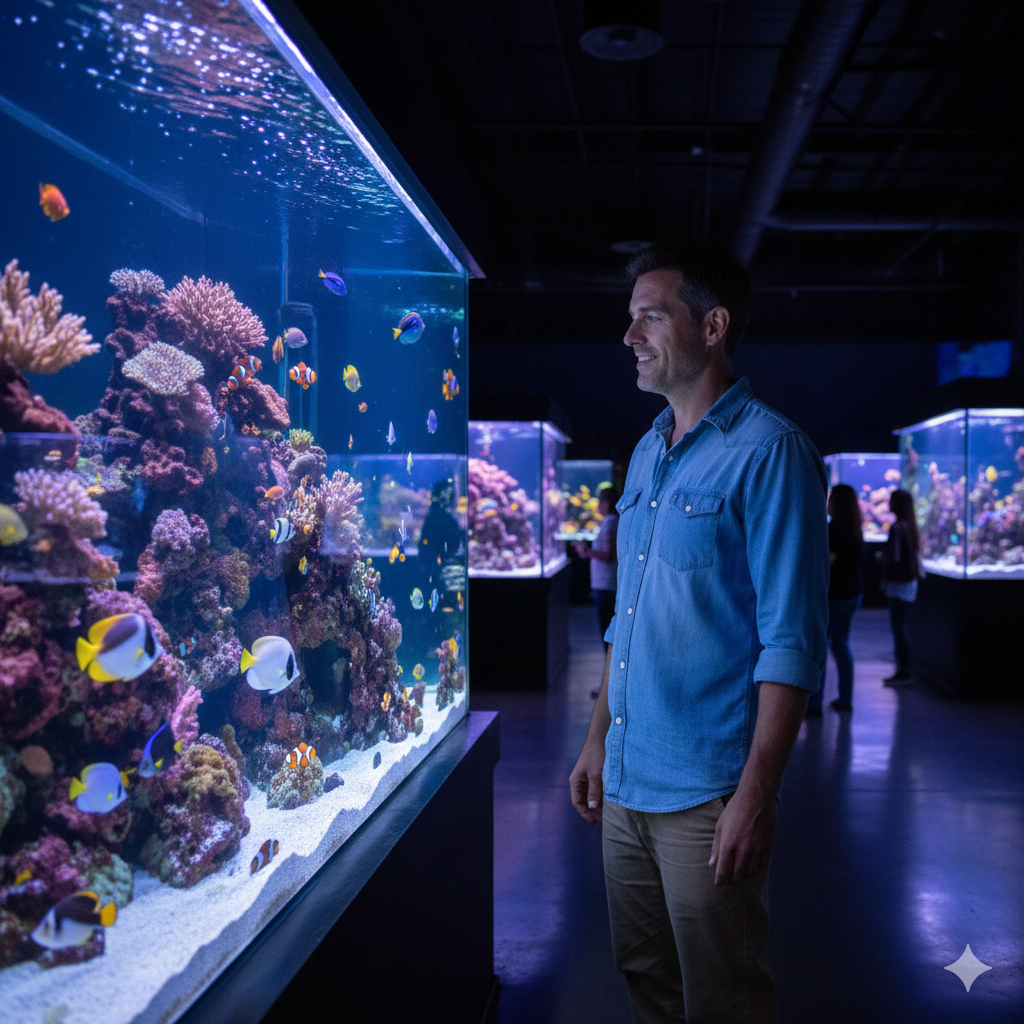
My name is Daniel Carter, I am 35 years old, and I live in the United States. I have been passionate about aquariums for many years, and what started as a simple hobby quickly became a lifelong interest in aquatic life, fish behavior, and responsible tank care.
Through TheBrightLance, I share real experiences, practical knowledge, and honest lessons learned from maintaining different types of aquariums. I enjoy testing equipment, studying fish behavior, improving maintenance routines, and helping beginners avoid common mistakes.
My goal is to make aquarism easier, more ethical, and more enjoyable for everyone — whether you are setting up your very first tank or looking to refine your techniques.