
The Silent World of Surprises: Unexpected Discoveries in My Aquarium Journey
For over a decade now, my life has been intertwined with the mesmerizing world that exists within glass walls. I’m Lucas Anderson, a 35-year-old aquarist from Orlando, Florida, and my passion lies in creating thriving freshwater ecosystems. It all started with a simple goldfish bowl, a cliché, I know, but it quickly escalated into a full-blown obsession. Over the years, I’ve kept a diverse range of fish, from the humble guppy to the majestic angelfish. And let me tell you, I’ve learned more than I ever anticipated. Some of these discoveries were the result of meticulous research, while others were delightful accidents or, more often, the consequence of beginner mistakes I’m not too proud to admit.
The aquarium hobby, at first glance, seems straightforward: add water, add fish, feed them, and clean the tank. But beneath the surface lies a complex interplay of biology, chemistry, and a whole lot of patience. It’s a journey of continuous learning, and every new tank, every new species, brings with it a fresh set of surprises. I’m not talking about the ‘oh-wow-look-at-the-pretty-fish’ kind of surprises, but the deeper, more fundamental understandings that change the way you perceive the entire ecosystem. Things you’d never expect until you experience them firsthand.
Betta Fish: More Than Just a Pretty Face (and Fins)
Let’s start with a fish that’s become synonymous with aquariums: the Betta, or Siamese Fighting Fish. Their vibrant colors and flowing fins make them an instant favorite. I remember being initially drawn to them for purely aesthetic reasons. I pictured one gracing a small, decorative bowl on my desk – a vision quickly shattered by the reality of their needs.
The first surprise came when I learned that, despite their reputation for being solitary creatures, Bettas can actually thrive in a community tank if the conditions are right. The key is careful planning and selecting tank mates that won’t nip at their fins or compete for resources. I attempted my first Betta community tank several years ago, with disastrous results. The Betta was stressed, constantly hiding, and its vibrant colors faded. I quickly realized that simply throwing fish together and hoping for the best was a recipe for disaster. Now, I prioritize a heavily planted tank with plenty of hiding places, gentle filtration, and peaceful tank mates like small schooling fish (rasboras or tetras are great) and bottom feeders like Corydoras catfish. The success is night and day.
Another surprising fact? Bettas are intelligent. I’ve trained my Bettas to recognize me and even to perform simple tricks, like following a laser pointer or swimming through a hoop. It takes patience and consistency, but it’s incredibly rewarding to see their personalities shine through. They also have distinct preferences – some prefer floating plants, others prefer exploring the substrate. It’s like having a tiny, scaly dog with significantly less barking (and significantly more water changes!).

The Mysterious World of the Nitrogen Cycle
Before I delved into the science of aquariums, I thought water changes were just about keeping the water “clean.” Boy, was I wrong. The nitrogen cycle is the unsung hero of any healthy aquarium. It’s a complex biological process where beneficial bacteria convert harmful ammonia (produced by fish waste) into less toxic nitrites, and then into even less toxic nitrates. These nitrates are then removed through water changes or absorbed by plants.
The surprise came when I realized that a brand new tank is essentially a biological desert. There are no beneficial bacteria to break down the waste, leading to a buildup of ammonia and nitrites, which are deadly to fish. This is why cycling a tank is so crucial. I learned this the hard way, of course. My first tank resulted in a rapid and devastating fish die-off. I didn’t understand why perfectly healthy-looking fish were suddenly gasping for air at the surface. I thought I was doing everything right! Proper cycling, using a fish-in or fish-less method, is now non-negotiable for me. I prefer the fish-less method, as it’s less stressful for the fish. It involves adding ammonia to the tank to simulate fish waste and monitoring the water parameters until the beneficial bacteria have established themselves.
Furthermore, I discovered that the type of substrate you use can significantly impact the nitrogen cycle. Some substrates, like certain types of aquasoil, actively absorb ammonia and release nutrients, creating a more stable and beneficial environment for the bacteria. Others, like inert gravel, provide a surface for the bacteria to colonize but don’t actively participate in the process. Choosing the right substrate is now a key consideration when setting up a new tank.
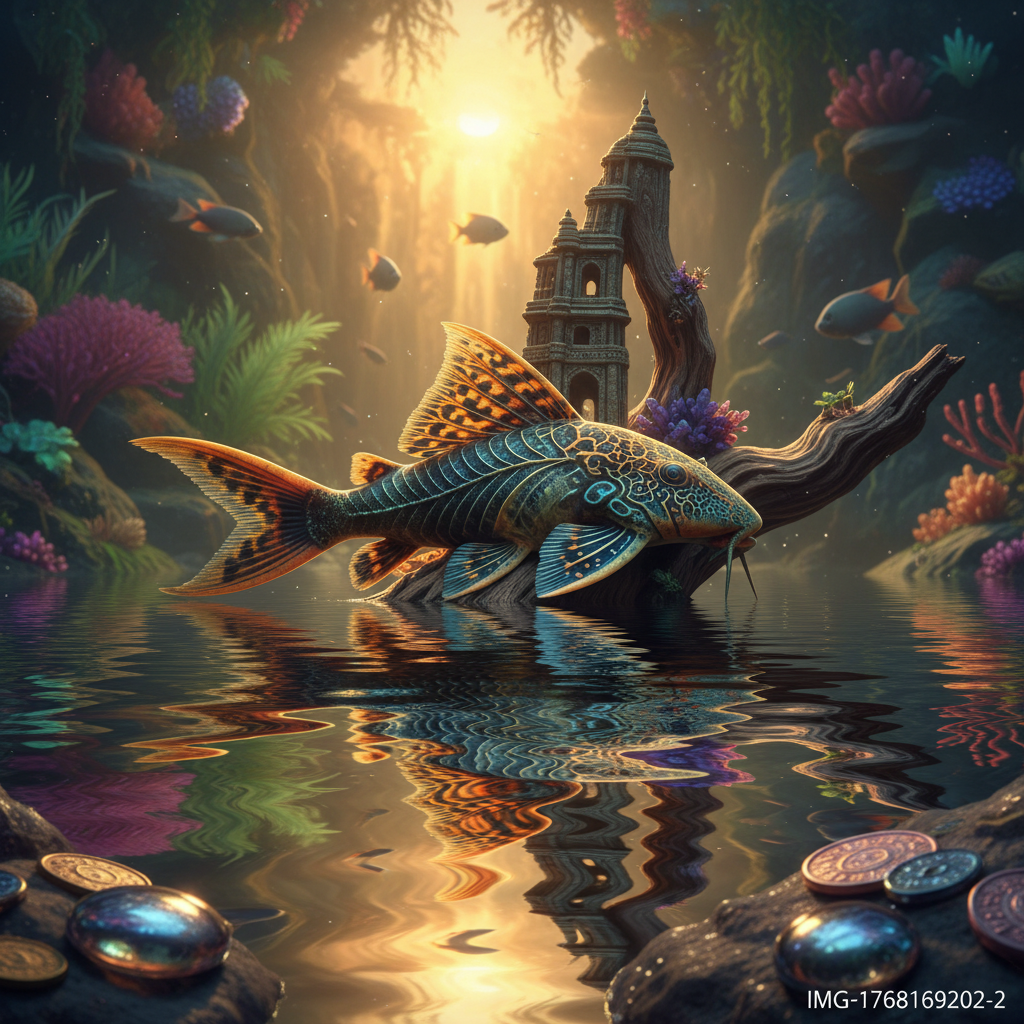
Plecos: The Gentle Giants (and Their Messy Secret)
Plecos, those armored catfish that cling to the glass, are often touted as the ultimate algae eaters. And while they do consume algae, their contribution to a pristine tank is… debatable. I initially got a Pleco for my first large tank, thinking it would solve all my algae problems. It certainly ate algae, but it also produced a surprising amount of waste. I quickly realized that a single Pleco could easily negate the benefits of its algae-eating habits with its prodigious poop production.
The biggest surprise, however, was the sheer variety of Plecos. I initially thought they were all the same – brown, armored, and algae-obsessed. I soon discovered that there are hundreds of different species, ranging in size from a few inches to over two feet! Some are indeed dedicated algae eaters, while others are primarily carnivores or omnivores. Some have stunning patterns and colors, while others are more subdued. The common Pleco, often sold in pet stores, can grow to an enormous size, quickly outgrowing most home aquariums. It’s a classic case of impulse buying gone wrong. I now research the specific needs and adult size of any Pleco before considering adding it to my tank. It’s crucial to choose a species that’s appropriate for the tank size and compatible with the other inhabitants.
Beyond the waste, I also learned about their surprisingly complex social behavior. While some Plecos are solitary, others form social hierarchies and can even display territorial behavior. Providing them with appropriate hiding places, like driftwood or caves, is essential for their well-being and can help to minimize aggression. I’ve also observed them “grazing” on driftwood, which I later learned provides essential fiber for their diet. They’re definitely more complex than their reputation as simple algae eaters suggests.
The Hidden Lives of Live Plants
For years, I viewed live plants as mere decorations – a way to add a splash of green to my aquarium. I’d buy them, stick them in the substrate, and hope for the best. Needless to say, my success rate was… inconsistent. It wasn’t until I started to understand the crucial role that plants play in the aquarium ecosystem that things really started to change. I started researching specific plant species, their light requirements, their nutrient needs, and their compatibility with my fish.
The biggest surprise was the sheer complexity of plant nutrition. I knew that plants needed light and carbon dioxide, but I had no idea about the importance of micronutrients like iron, potassium, and magnesium. I quickly learned that a deficiency in any of these nutrients can lead to stunted growth, yellowing leaves, and a whole host of other problems. I started experimenting with different fertilizers and substrate additives, carefully monitoring the plants’ response. I discovered that some plants are heavy feeders, requiring regular doses of liquid fertilizers, while others are more self-sufficient, relying on nutrients from the substrate and fish waste. It’s a delicate balancing act, but the rewards are well worth the effort. A thriving planted tank is not only beautiful to look at but also provides numerous benefits for the fish, including oxygen production, shelter, and a natural food source.
Another surprising fact? Some plants can actually improve water quality by absorbing ammonia, nitrites, and nitrates. This is especially true for fast-growing plants like Hornwort and Anacharis. These plants act as natural filters, helping to maintain a healthy and balanced ecosystem. I’ve also discovered the joy of propagating plants. Many aquarium plants can be easily propagated through cuttings or by dividing the rhizome. It’s a great way to expand your plant collection without spending a fortune, and it’s incredibly satisfying to watch a small cutting grow into a mature plant.
The Unsung Heroes: Invertebrates in the Aquarium
For a long time, I focused solely on fish. Invertebrates were an afterthought, relegated to the role of algae eaters or scavengers. I couldn’t have been more wrong. Snails and shrimp are fascinating creatures with unique behaviors and vital roles to play in the aquarium ecosystem. I dabbled with a few snails here and there, but never truly appreciated their potential.
The first surprise was the sheer variety of snails. I thought there were just a few basic types, like Nerite snails and Mystery snails. I soon discovered that there are hundreds of different species, each with its own unique appearance and habits. Some snails are voracious algae eaters, while others are detritus feeders, consuming decaying organic matter. Some are incredibly beautiful, with intricate patterns and colors, while others are more understated. Nerite snails, for example, are excellent algae eaters and are relatively peaceful, but they can lay unsightly eggs on the glass. Mystery snails are larger and more colorful, but they can be quite messy and can sometimes nibble on plants. Assassin snails, as their name suggests, prey on other snails, which can be helpful for controlling snail populations but can also decimate a beneficial snail colony.
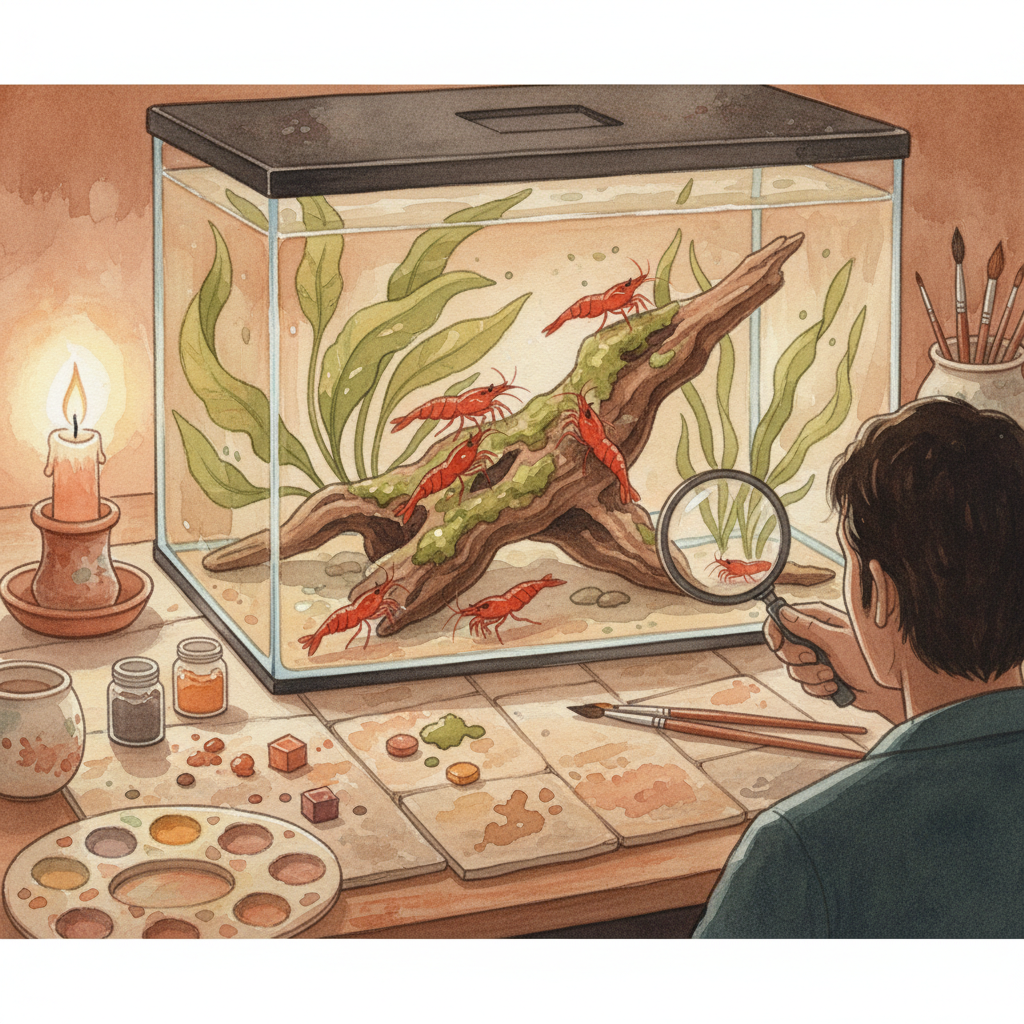
Shrimp, too, proved to be much more interesting than I initially thought. I started with a small colony of Cherry shrimp, attracted by their bright red color. I quickly became fascinated by their constant grazing and their intricate social interactions. I also learned that shrimp are incredibly sensitive to water quality. Even small fluctuations in temperature or pH can be fatal. Maintaining stable water parameters is crucial for their survival. I’ve also experimented with different types of shrimp, like Amano shrimp and Ghost shrimp, each with its own unique characteristics. Amano shrimp are excellent algae eaters and are relatively large and robust, while Ghost shrimp are more delicate and are often used as feeder shrimp. The world of aquarium invertebrates is vast and fascinating, and I’m constantly learning new things about these often-overlooked creatures.
The Importance of Observation and Patience
Perhaps the most significant lesson I’ve learned over the years is the importance of observation and patience. Aquariums are dynamic ecosystems that are constantly changing. Paying close attention to the fish, plants, and invertebrates is crucial for detecting problems early on. Are the fish behaving normally? Are the plants growing well? Are there any signs of disease or stress? Catching issues early can make a huge difference in the outcome.
I remember one instance where I noticed a subtle change in the behavior of my angelfish. They were usually active and engaged, but they started to become lethargic and were hiding more often. I initially dismissed it as a minor issue, but I continued to monitor them closely. After a few days, I noticed small white spots on their fins. It was Ich, a common parasitic infection. Because I caught it early, I was able to treat it effectively with medication and prevent it from spreading to the other fish. If I had ignored the initial signs, the outcome could have been much worse.
Patience is equally important. Aquariums take time to mature and stabilize. Don’t rush the process. Let the beneficial bacteria establish themselves, allow the plants to grow and fill in, and give the fish time to adjust to their new environment. Resist the urge to constantly tinker with the tank. Sometimes, the best thing you can do is to simply observe and let nature take its course. It’s a lesson that extends beyond the aquarium, reminding me that patience and observation are valuable tools in all aspects of life. Rushing things rarely yields the best results. Taking a step back, observing, and allowing time to work its magic often leads to more fulfilling and sustainable outcomes, both in and out of the aquatic world.
The Never-Ending Journey
After all these years, I still feel like I’m just scratching the surface of the aquarium hobby. There’s always something new to learn, a new species to discover, or a new technique to try. I’ve made countless mistakes along the way, but each one has been a valuable learning experience. The key is to never stop learning, to never stop experimenting, and to never lose that sense of wonder that drew me to aquariums in the first place. It’s a journey without a final destination, a constant process of discovery and refinement. And that’s precisely what makes it so captivating.

So, what’s next for me? Well, I’m currently planning a new biotope aquarium, designed to replicate the natural environment of a specific region. I’m thinking of recreating a South American blackwater stream, complete with leaf litter, driftwood, and a carefully selected community of fish and plants. It’s a challenging project, but I’m excited to delve into the research and to create a truly immersive and authentic ecosystem. And who knows what surprises await me on that journey? That’s the beauty of this hobby – there’s always something new to discover, a new challenge to overcome, and a new wonder to behold. It’s a silent world, but it speaks volumes to those who listen.
My name is Daniel Carter, I am 35 years old, and I live in the United States. I have been passionate about aquariums for many years, and what started as a simple hobby quickly became a lifelong interest in aquatic life, fish behavior, and responsible tank care.
Through TheBrightLance, I share real experiences, practical knowledge, and honest lessons learned from maintaining different types of aquariums. I enjoy testing equipment, studying fish behavior, improving maintenance routines, and helping beginners avoid common mistakes.
My goal is to make aquarism easier, more ethical, and more enjoyable for everyone — whether you are setting up your very first tank or looking to refine your techniques.