
The Ghost of Algae Blooms Past
Ten years. It’s hard to believe it’s been a decade since I first plunged headfirst – perhaps a little too enthusiastically – into the world of aquariums. I remember the excitement, the allure of creating my own little underwater world, a vibrant slice of nature right in my living room. I devoured books, watched countless YouTube videos (some helpful, some… not so much), and spent way too much money at the local fish store. But amidst all the learning and preparation, I made a mistake. A big one. One that continues to haunt me in the form of the occasional, unwelcome algae bloom: I rushed the nitrogen cycle.
Looking back, I understand the impatience. When you’re a beginner aquarist, staring at an empty tank is agonizing. You envision the colorful fish, the swaying plants, the miniature ecosystem thriving before your eyes. You want it now. But the nitrogen cycle, the cornerstone of a healthy aquarium, doesn’t care about your impatience. It’s a delicate, time-sensitive process involving beneficial bacteria that needs to establish itself before you introduce any living creatures. And I, in my eagerness, completely short-circuited it.
The consequences were… well, let’s just say they weren’t pretty. Think pea-soup green water, suffocated plants, and stressed (to put it mildly) fish. It was a disaster. And the worst part? It was entirely preventable. It was a lesson learned the hard way, a baptism by green algae fire that I wouldn’t wish on any aspiring aquarist.
Understanding the Nitrogen Cycle: The Foundation of a Healthy Tank
Before I delve deeper into my algae-ridden nightmare, let’s break down the nitrogen cycle. It’s not the most glamorous aspect of aquarium keeping, but it’s arguably the most crucial. Imagine it as the aquarium’s natural filtration system, a biological process that converts harmful waste into less toxic substances.
Here’s the simplified version:
- Ammonia (NH3): Fish produce ammonia as a waste product, through their gills and in their urine. Decomposing food and dead plant matter also contribute to ammonia levels. Ammonia is highly toxic to fish, even in small amounts.
- Nitrite (NO2-): Beneficial bacteria, specifically Nitrosomonas species, convert ammonia into nitrite. Nitrite is still toxic, albeit less so than ammonia.
- Nitrate (NO3-): Another type of beneficial bacteria, Nitrobacter species, converts nitrite into nitrate. Nitrate is significantly less toxic than ammonia and nitrite, and can be tolerated by fish at relatively low levels.
- Nitrate Removal: Nitrate accumulates over time and needs to be removed through regular water changes. Plants also absorb some nitrate as fertilizer.
The key takeaway is that the nitrogen cycle is a cycle. It requires a thriving colony of beneficial bacteria to convert harmful waste products into less harmful ones. And these bacteria need time to establish themselves, typically several weeks, before you can safely introduce fish to your aquarium.
The problem I faced, and what many beginners face, is adding fish too soon, before the bacteria colonies were established. This leads to a buildup of ammonia and nitrite, creating a toxic environment that stresses and, in many cases, kills fish. This “new tank syndrome” is a common pitfall, and one that I unfortunately stumbled right into.

My Algae Apocalypse: A Case Study in Impatience
I remember the day I set up my first tank like it was yesterday. A standard 20-gallon aquarium, a gravel substrate, a few plastic plants (I know, I know – rookie mistake!), and a cheap filter. I diligently dechlorinated the water, plugged everything in, and… waited. Sort of.
I waited all of three days. Three whole days before I decided that the water looked “clear enough” and headed to the fish store. I convinced myself that the beneficial bacteria would magically appear, and that a few hardy fish wouldn’t mind the less-than-ideal water conditions. I was, to put it mildly, delusional.
I bought three goldfish. Yes, goldfish. In a 20-gallon tank. Another rookie mistake. I was clearly not doing my research. I released them into their new home, feeling a surge of pride and accomplishment. I had created an aquarium! Or so I thought.
Within a week, things started to go downhill. The water became cloudy. The plastic plants were covered in a fuzzy green coating. The goldfish, bless their little fins, were gasping at the surface. I was horrified. I started doing frantic Google searches, desperately trying to figure out what was going wrong.
The answer, of course, was staring me right in the face: ammonia poisoning. The nitrogen cycle hadn’t even begun to establish itself, and my poor goldfish were swimming in a toxic soup of their own waste. I felt terrible. I did partial water changes every day, but it was too little, too late. One by one, the goldfish succumbed to the ammonia poisoning. It was a heartbreaking experience, and one that taught me a valuable lesson about patience and responsibility.
But the saga didn’t end there. With the fish gone, the algae really took off. The tank transformed into a murky green swamp, a testament to my impatience and ignorance. It was a constant reminder of my failure, a green-tinged ghost that haunted my living room.
The Lingering Effects of a Hasty Start
Even after I properly cycled the tank and started over (with appropriately sized fish and real plants this time!), the algae issue persisted. I battled green water blooms, hair algae infestations, and brown diatom outbreaks for months. It felt like I was constantly fighting an uphill battle, struggling to maintain a healthy and balanced ecosystem.
The initial imbalance I created by rushing the nitrogen cycle had long-lasting effects. The beneficial bacteria colonies were slow to establish themselves, and the algae had a head start. It took a lot of time, effort, and experimentation to finally get the tank under control. I tried different lighting schedules, added algae-eating snails and shrimp, and meticulously cleaned the tank every week. Eventually, I managed to achieve a stable and healthy aquarium, but the experience left a lasting impression.
Avoiding My Beginner Blunder: A Practical Guide
So, how can you avoid making the same mistake I did? How can you ensure that your aquarium gets off to a healthy start and avoid the dreaded algae apocalypse? Here are a few practical tips based on my experience:
1. Patience is a Virtue: The Fishless Cycle
The most effective way to establish the nitrogen cycle is through a fishless cycle. This involves adding ammonia to the tank to simulate fish waste, allowing the beneficial bacteria to grow and multiply without harming any living creatures. Here’s how to do it:
- Set up your tank: Add your substrate, decorations, filter, heater, and lighting.
- Fill the tank with dechlorinated water: Make sure to use a water conditioner to remove chlorine and chloramine, which are harmful to beneficial bacteria.
- Add an ammonia source: You can use pure ammonia (available at most hardware stores) or fish food. If using ammonia, start with a small amount (around 2-4 ppm) and monitor the ammonia levels daily. If using fish food, add a small pinch every day and let it decompose.
- Test the water daily: Use a reliable test kit to monitor ammonia, nitrite, and nitrate levels. You’ll see the ammonia levels rise initially, then gradually decrease as the Nitrosomonas bacteria start to convert it into nitrite. Next, the nitrite levels will rise, then decrease as the Nitrobacter bacteria convert it into nitrate.
- Wait for the cycle to complete: The cycle is complete when you can add ammonia to the tank and it is completely converted to nitrate within 24 hours. This typically takes 4-8 weeks.
- Do a large water change: Once the cycle is complete, do a large water change (around 50-75%) to reduce the nitrate levels.
- Introduce fish gradually: Add a few fish at a time, allowing the bacteria colonies to adjust to the increased bioload. Monitor the water parameters closely and do regular water changes to maintain a healthy environment.
2. Seeding the Tank: A Helping Hand
Another way to speed up the cycling process is to “seed” the tank with beneficial bacteria. This involves adding bacteria from an established aquarium to your new tank. You can do this in several ways:
- Use filter media from an established tank: Place a used filter sponge or ceramic media from a healthy aquarium into your new filter.
- Add gravel or substrate from an established tank: Scoop some gravel or substrate from an established tank and add it to your new tank.
- Use a commercial bacteria supplement: There are several commercial products available that contain live beneficial bacteria. These can be added to your tank to help kickstart the cycling process.
Seeding the tank can significantly reduce the cycling time, but it’s still important to monitor the water parameters closely and avoid adding too many fish at once.
3. Plant Power: Nature’s Filtration
Live plants are not only beautiful additions to an aquarium, but they also play a vital role in maintaining water quality. Plants absorb ammonia, nitrite, and nitrate, helping to keep the water clean and healthy. They also produce oxygen, which is essential for fish respiration.
Adding plants to your aquarium from the beginning can help to establish a more stable ecosystem and reduce the risk of algae blooms. Some good beginner-friendly plants include:
- Anubias: Hardy and low-maintenance, Anubias plants can be attached to rocks or driftwood.
- Java Fern: Another easy-to-grow plant that can be attached to decorations.
- Amazon Sword: A larger plant that provides excellent cover for fish.
- Water Wisteria: A fast-growing plant that helps to absorb excess nutrients.
The Algae Battle: Lessons in Prevention and Control
Even with a properly cycled tank, algae can still be a challenge. It’s a natural part of any aquatic ecosystem, but excessive algae growth can be unsightly and harmful to your fish and plants. Here are a few tips for preventing and controlling algae in your aquarium:
1. Lighting: Finding the Right Balance
Light is essential for plant growth, but too much light can also fuel algae growth. The key is to find the right balance. Avoid placing your aquarium in direct sunlight, as this can lead to rapid algae blooms. Use an aquarium light specifically designed for plant growth, and adjust the lighting schedule to around 8-10 hours per day. A timer can be helpful for maintaining a consistent lighting schedule.
2. Nutrients: Keeping Things in Check
Excess nutrients, such as nitrate and phosphate, can also contribute to algae growth. Monitor your water parameters regularly and do regular water changes to remove excess nutrients. Avoid overfeeding your fish, and remove any uneaten food promptly. If you’re using fertilizers for your plants, be careful not to overdose.
3. Water Changes: The Cornerstone of Aquarium Health
Regular water changes are essential for maintaining a healthy aquarium. They help to remove excess nutrients, replenish trace elements, and keep the water clean and clear. Aim to do a 25-50% water change every week or two, depending on the size of your tank and the number of fish you have. Make sure to use dechlorinated water that is the same temperature as the tank water.
4. Algae Eaters: Natural Allies
Adding algae-eating fish and invertebrates to your aquarium can help to control algae growth naturally. Some popular algae eaters include:
- Siamese Algae Eaters: These fish are voracious algae eaters and can help to keep your tank clean.
- Otocinclus Catfish: Small and peaceful, Otocinclus catfish are excellent at cleaning algae off of plants and decorations.
- Amano Shrimp: These shrimp are highly effective at eating algae and are safe for most fish.
- Nerite Snails: Nerite snails are excellent at cleaning algae off of glass and decorations.
Be sure to research the specific needs of any algae eaters you add to your tank to ensure that they are compatible with your fish and that you can provide them with a suitable environment.

Beyond the Basics: Advanced Strategies for a Thriving Aquarium
Once you’ve mastered the basics of aquarium keeping, you can start to explore more advanced techniques to create a truly thriving ecosystem. Here are a few ideas to consider:
1. CO2 Injection: Boosting Plant Growth
Carbon dioxide (CO2) is essential for plant growth. In a typical aquarium, CO2 levels are often limited, which can restrict plant growth. Injecting CO2 into your aquarium can significantly boost plant growth, leading to a more lush and vibrant aquascape. CO2 injection requires some specialized equipment, but the results can be well worth the investment.
2. Substrate Choice: More Than Just Gravel
The substrate you choose can have a significant impact on plant growth and water quality. While gravel is a common choice, there are other options available, such as aquarium soil and nutrient-rich substrates. These substrates can provide plants with essential nutrients, promoting healthy growth and reducing the need for fertilizers.
3. Fertilization: Tailoring to Your Plants’ Needs
Different plants have different nutrient requirements. Fertilizing your aquarium can help to ensure that your plants are getting the nutrients they need to thrive. There are several types of fertilizers available, including liquid fertilizers, root tabs, and dry fertilizers. The best approach is to research the specific needs of your plants and choose a fertilizer that meets those needs.
4. Aquascaping: Creating a Work of Art
Aquascaping is the art of arranging plants, rocks, and driftwood to create a visually appealing and harmonious underwater landscape. A well-aquascaped aquarium can be a stunning centerpiece in any room. There are many different aquascaping styles to choose from, such as the Dutch style, the Japanese Iwagumi style, and the nature aquarium style. Experiment with different layouts and plant combinations to create your own unique aquascape.
The Takeaway: A Decade of Learning and Growing
My biggest regret as a beginner aquarist was rushing the nitrogen cycle. It led to a cascade of problems, from fish deaths to persistent algae blooms. But it also taught me valuable lessons about patience, responsibility, and the importance of understanding the delicate balance of an aquatic ecosystem. Over the past ten years, I’ve learned so much about aquarium keeping, and I’m still learning every day. It’s a fascinating and rewarding hobby, and one that I would encourage anyone to try. Just remember to take your time, do your research, and don’t rush the nitrogen cycle!

The journey of an aquarist is one of continuous learning and refinement. Don’t be discouraged by initial setbacks or algae outbreaks. Embrace the challenges, learn from your mistakes, and celebrate the small victories. With patience, dedication, and a healthy dose of curiosity, you can create a beautiful and thriving underwater world that will bring you joy for years to come. And hopefully, you can avoid the green-tinged ghosts that still occasionally visit my tanks!
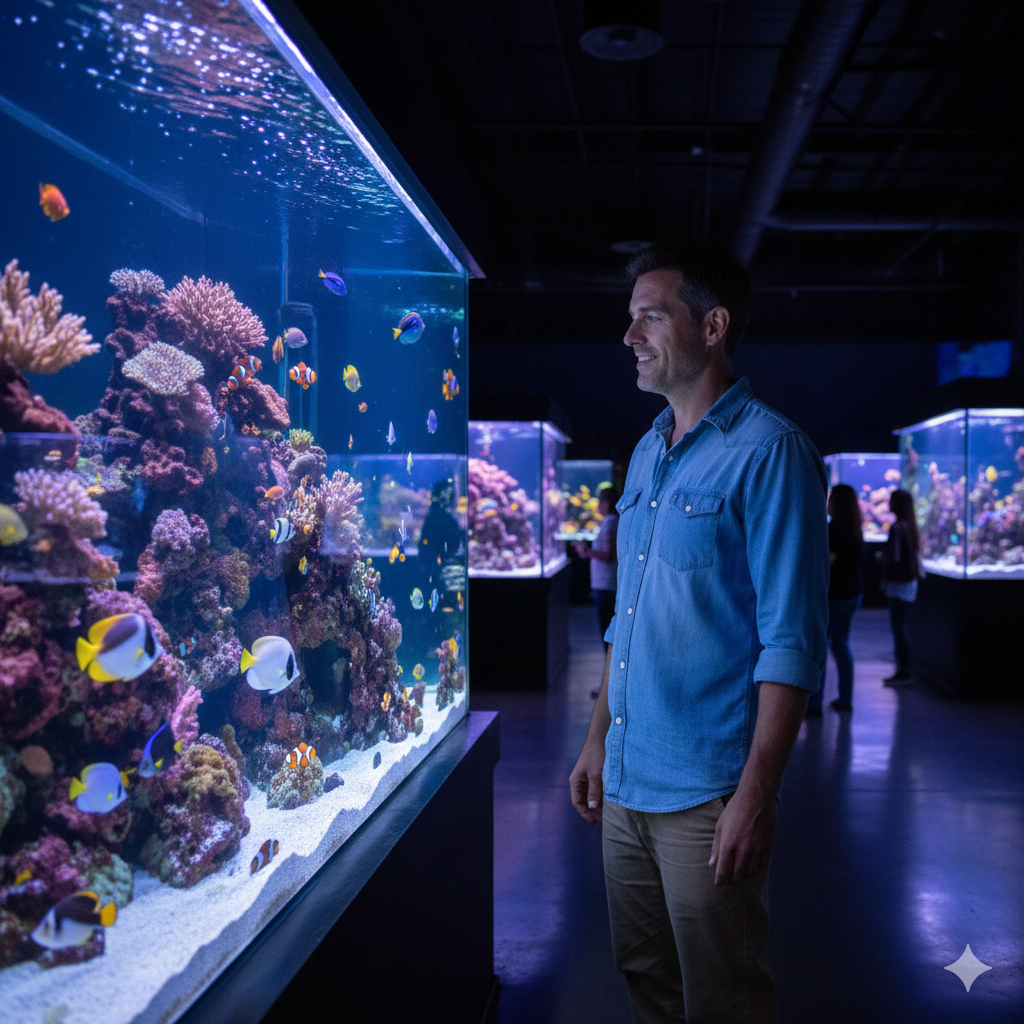
My name is Daniel Carter, I am 35 years old, and I live in the United States. I have been passionate about aquariums for many years, and what started as a simple hobby quickly became a lifelong interest in aquatic life, fish behavior, and responsible tank care.
Through TheBrightLance, I share real experiences, practical knowledge, and honest lessons learned from maintaining different types of aquariums. I enjoy testing equipment, studying fish behavior, improving maintenance routines, and helping beginners avoid common mistakes.
My goal is to make aquarism easier, more ethical, and more enjoyable for everyone — whether you are setting up your very first tank or looking to refine your techniques.