
My Spectacularly Unsuccessful Start in Aquascaping
I’ll be the first to admit it: my initial foray into the world of aquariums was a disaster. A beautiful, algae-choked, fish-endangering disaster. Looking back, I can laugh, but at the time, I felt like I was single-handedly contributing to the decline of aquatic ecosystems. I’m Lucas Anderson, and for over a decade, I’ve enjoyed the serene and captivating world of freshwater aquariums. But it wasn’t always this way. My journey began with grand ambitions and a complete lack of practical knowledge – a combination that, as I soon learned, is a recipe for watery chaos.
I envisioned a thriving underwater paradise in my living room, a miniature ecosystem teeming with life and vibrant colors. What I got was closer to a murky swamp filled with stressed-out fish and an overwhelming sense of defeat. This isn’t a tale of instant success, but rather a chronicle of hard-earned lessons learned from a series of unfortunate, yet ultimately educational, mistakes. I’m here to share those blunders, not to embarrass myself (though, honestly, some of them are pretty embarrassing), but to hopefully guide other aspiring aquarists away from the pitfalls that tripped me up so badly. Consider this your beginner’s guide, written not by an expert, but by someone who’s been in the trenches and emerged, algae-free, on the other side.
The Allure of the Aquarium – and My Naive Approach
What drew me to aquariums in the first place? It was the same siren song that captivates so many: the promise of a living work of art, a miniature world to observe and nurture. I imagined the tranquility of watching fish glide through swaying plants, the satisfaction of creating a balanced ecosystem, and, let’s be honest, the bragging rights that came with owning a stunning aquarium. I dove in headfirst, fueled by enthusiasm and armed with nothing but a few glossy magazine articles and the well-meaning, but often misguided, advice of a pet store employee who seemed more interested in upselling me than offering genuine guidance.
My first mistake? Believing that setting up an aquarium was as simple as filling a tank with water, adding some fish, and watching the magic happen. I skipped crucial steps like cycling the tank, properly researching the needs of my chosen fish, and understanding the delicate balance of a freshwater ecosystem. I purchased a 20-gallon tank (which, in hindsight, was far too small for the community I envisioned), some gravel, a few plastic plants that looked suspiciously like they belonged in a dollhouse, and a filter that was clearly inadequate for the task at hand. Then came the fish: a mix of neon tetras, guppies, and a bottom-feeding pleco that I thought would magically solve all my algae problems. Oh, the hubris!
The Cycling Catastrophe
The biggest blunder, the one that set the stage for all the subsequent disasters, was my complete ignorance of the nitrogen cycle. I didn’t understand that a new aquarium needs to establish a colony of beneficial bacteria to break down fish waste and keep the water parameters safe. I simply filled the tank with tap water (untreated, of course), added the fish, and waited for… well, I wasn’t entirely sure what I was waiting for, but it certainly wasn’t what happened. Within days, the water turned cloudy, the fish started acting lethargic, and the ammonia levels skyrocketed. I was witnessing firsthand the devastating effects of “new tank syndrome,” a phenomenon that could have been easily avoided with a little research and patience.
The pet store employee, bless his heart, suggested a “quick fix” in the form of a chemical additive that promised to instantly cycle the tank. I, desperate to save my rapidly deteriorating underwater paradise, poured in the recommended dose. The water cleared up momentarily, but the underlying problem remained. The ammonia levels continued to fluctuate wildly, and the fish became increasingly stressed. In the end, several of my beloved neon tetras succumbed to the toxic conditions. It was a heartbreaking experience, and one that taught me a valuable lesson: there are no shortcuts in aquascaping. Patience, research, and a thorough understanding of the nitrogen cycle are essential for creating a healthy and sustainable aquarium environment. I wish I had known that before the water turned green and the fish started floating.
Algae Apocalypse: A Green and Slimy Nightmare
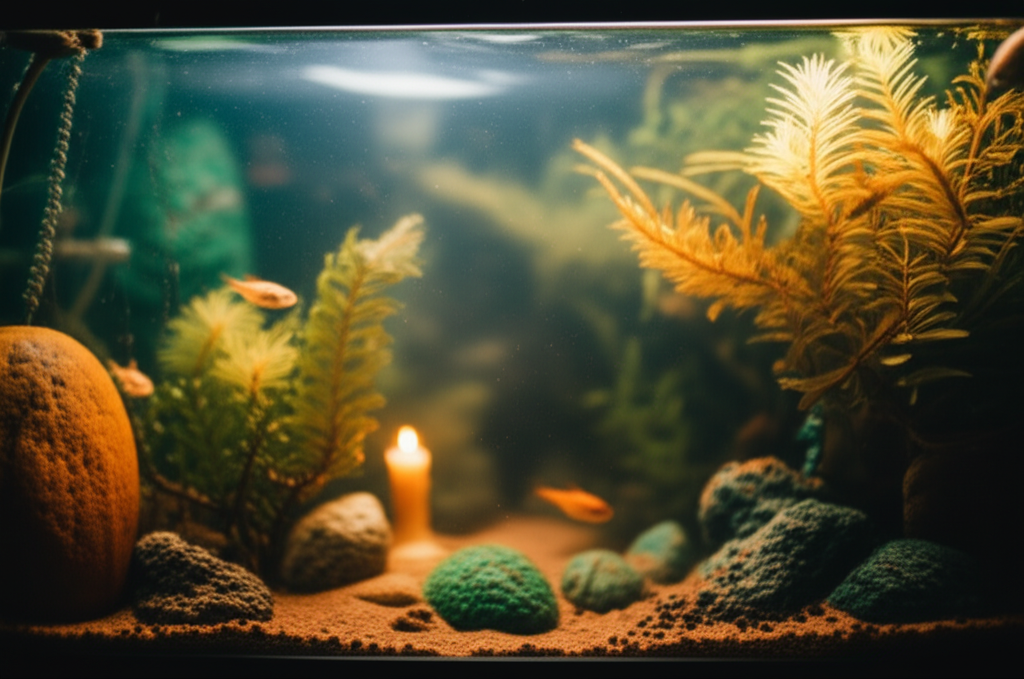
If the cycling catastrophe wasn’t enough, I soon found myself battling another common beginner’s foe: algae. And not just a little bit of algae – an epic, tank-engulfing, plant-smothering algae apocalypse. The plastic plants, which I had initially thought were a clever shortcut, quickly became coated in a thick layer of green slime. The gravel turned brown and fuzzy, and the glass became so opaque that I could barely see the fish inside. My beautiful underwater paradise had transformed into a swampy algae farm.
I tried everything. I scrubbed the glass with an algae scraper, I performed frequent water changes (again, using untreated tap water – I was a slow learner), and I even considered introducing an army of algae-eating snails. But nothing seemed to work. The algae just kept coming back, stronger and more determined than ever. It was a constant battle, and one that I was clearly losing. The pleco, bless its little algae-eating heart, was doing its best, but it was simply no match for the sheer volume of green gunk that was taking over my tank. It was like watching a tiny, aquatic Roomba valiantly trying to clean up the aftermath of a nuclear algae explosion.
The Root Causes of the Green Tide
Looking back, I realized that my algae problem was a symptom of several underlying issues. Overfeeding was a major culprit. I was so eager to see my fish thrive that I was giving them far more food than they could possibly consume. The uneaten food sank to the bottom of the tank, decomposing and releasing nutrients that fueled the algae bloom. Another contributing factor was inadequate lighting. I had purchased a cheap, low-quality aquarium light that provided the perfect spectrum for algae growth but did little to support the growth of beneficial aquatic plants. And, of course, there was the issue of water quality. The unstable water parameters, a direct result of my failed cycling attempt, created an environment that was ripe for algae infestation.
The experience taught me that controlling algae is not just about scrubbing the glass or adding algae-eating creatures. It’s about understanding the underlying causes and addressing them systematically. It’s about creating a balanced ecosystem where plants can thrive and outcompete algae for nutrients. It’s about careful feeding, proper lighting, and maintaining stable water parameters. It’s about patience, observation, and a willingness to learn from your mistakes. In other words, it’s about actually knowing what you’re doing, which, at that point in my aquascaping journey, I definitely did not.
Fishy Misfortunes: A Community Gone Wrong
Beyond the cycling issues and the algae outbreaks, I also made some fundamental mistakes when it came to choosing and caring for my fish. I populated my 20-gallon tank with a haphazard assortment of species that were simply not compatible, both in terms of size and temperament. The neon tetras, small and peaceful, were constantly harassed by the larger, more boisterous guppies. The pleco, while a diligent algae eater, grew to an enormous size and produced a prodigious amount of waste, further contributing to the water quality problems. It was like trying to run a daycare center inside a crowded bar – chaos was inevitable.
I also failed to properly research the specific needs of each species. I assumed that all tropical fish required the same basic conditions: warm water, plenty of food, and a few decorative plastic plants. I didn’t realize that some fish prefer slightly acidic water, while others thrive in more alkaline conditions. I didn’t understand that some fish are schooling species and need to be kept in groups, while others are solitary and prefer to be alone. I didn’t appreciate the importance of providing adequate hiding places and territories to minimize stress and aggression. As a result, my fish were constantly stressed, susceptible to disease, and generally unhappy. They deserved better, and I felt terrible about my ignorance.
Learning to Read the Signs
The most painful lesson I learned was the importance of observing my fish closely and recognizing the signs of distress. I was so focused on the overall appearance of the tank that I often missed the subtle cues that indicated something was wrong. A fish that was hiding in the corner, refusing to eat, or exhibiting labored breathing was a fish in trouble. But I was too inexperienced to recognize these signs until it was often too late. I lost several fish to preventable diseases simply because I didn’t catch the symptoms early enough.
It was a humbling experience, but it forced me to become a more attentive and responsible aquarist. I started spending more time observing my fish, learning their individual behaviors and personalities. I started researching the specific needs of each species, paying close attention to water parameters, diet, and social dynamics. I learned to recognize the early signs of disease and to take prompt action to prevent outbreaks. It was a long and difficult process, but it ultimately transformed me from a clueless beginner into a more knowledgeable and compassionate fish keeper. I still make mistakes, of course, but now I’m better equipped to learn from them and to provide my fish with the care they deserve.

The Road to Redemption: A New Beginning
After months of struggling with algae outbreaks, fish deaths, and general aquatic mayhem, I finally reached a breaking point. I realized that I couldn’t continue down the same path. I needed to start over, armed with the knowledge and experience I had gained from my failures. I decided to completely tear down my existing tank, clean everything thoroughly, and start from scratch. It was a daunting task, but I knew it was the only way to salvage my aquascaping dreams. It felt like admitting defeat, but it was also an opportunity to learn from my mistakes and build something truly beautiful and sustainable.
This time, I approached the process with a completely different mindset. I spent weeks researching the nitrogen cycle, the specific needs of different fish species, and the best methods for controlling algae. I invested in a high-quality filter, a proper aquarium light, and a water testing kit. I chose a smaller, more manageable community of fish that were known to be compatible. And, most importantly, I exercised patience. I cycled the tank properly, monitoring the water parameters closely until the beneficial bacteria colony was fully established. It was a slow and deliberate process, but it paid off in the end.
The Power of Proper Planning
The key to my success this time around was planning. I didn’t just randomly throw things into the tank and hope for the best. I carefully considered every aspect of the setup, from the substrate to the lighting to the plant selection. I researched different aquascaping styles and chose one that appealed to me. I sketched out a rough design of the tank, taking into account the needs of the fish and the overall aesthetic I was trying to achieve. It was a far cry from my initial, haphazard approach, and it made all the difference.
I also learned the importance of regular maintenance. I established a routine for water changes, filter cleaning, and algae control. I tested the water parameters regularly and made adjustments as needed. I monitored the fish closely for signs of stress or disease. It was a commitment, but it was one that I was willing to make. I had come to appreciate the delicate balance of an aquarium ecosystem and the importance of providing consistent and attentive care. It’s like having a pet – or, in my case, a whole community of pets – that depends on you for their well-being. And that’s a responsibility I take very seriously now.
Simple Setups: My Philosophy on Beginner Aquariums
Over the years, I’ve developed a strong preference for simple, low-tech aquarium setups. I’ve found that these types of tanks are not only easier to maintain, but they also tend to be more stable and resilient. I’m a firm believer that beginners should start with a small, well-filtered tank, a hardy selection of fish, and a focus on creating a healthy and balanced ecosystem. Fancy gadgets and elaborate aquascapes are nice, but they’re not essential for success. In fact, they can often complicate things and make it harder to maintain a stable environment. It’s better to start small, learn the basics, and gradually expand your horizons as you gain experience.
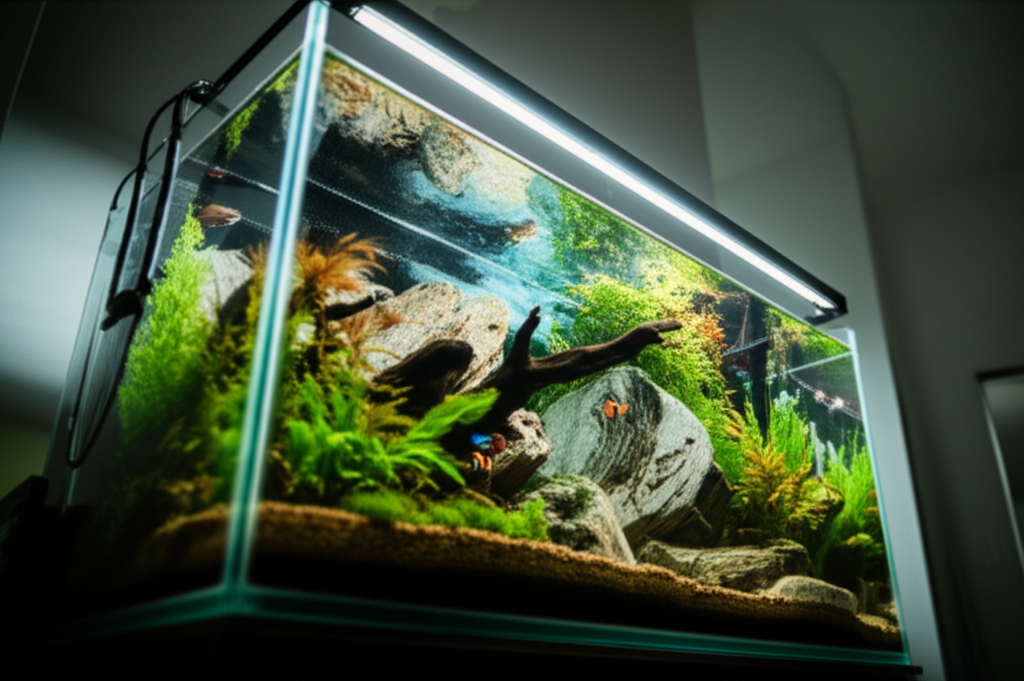
My current aquarium is a 29-gallon tank with a simple gravel substrate, a few pieces of driftwood, and a selection of hardy, low-light plants like Java fern and Anubias. I have a small school of ember tetras, a few Corydoras catfish, and a single Nerite snail to help control algae. The tank is filtered with a basic sponge filter, and I perform weekly water changes to keep the water parameters stable. It’s not the most elaborate or visually stunning aquarium in the world, but it’s healthy, stable, and relatively easy to maintain. And, most importantly, it provides a happy and thriving environment for my fish. It’s a far cry from the algae-infested swamp I started with, and that’s a testament to the power of learning from your mistakes and keeping things simple.
The Beauty of Balance
Ultimately, the key to success in aquascaping is achieving a balance between the needs of the fish, the plants, and the overall ecosystem. It’s about creating an environment where all the different elements work together in harmony. It’s about understanding the interplay between light, nutrients, and water parameters. It’s about observing your tank closely and making adjustments as needed. It’s a constant learning process, but it’s also incredibly rewarding. There’s nothing quite like the feeling of creating a thriving underwater world in your own home. It’s a testament to your patience, your dedication, and your ability to learn from your mistakes. And, of course, it’s a great conversation starter when you have guests over.
Looking back on my early aquascaping disasters, I can see how far I’ve come. I’ve learned so much from my mistakes, and I’m grateful for the lessons they taught me. I’m no longer afraid of algae outbreaks or fish diseases. I’m confident in my ability to create and maintain a healthy and balanced aquarium environment. And I’m passionate about sharing my knowledge and experience with other aspiring aquarists. Because, let’s face it, the world needs more thriving aquariums and fewer algae-infested swamps. And I’m determined to do my part to make that happen.
Advice to My Younger, Clueless Aquarist Self
If I could go back in time and give my younger, clueless aquarist self some advice, it would be this: slow down, do your research, and don’t be afraid to ask for help. Don’t rush into things without understanding the basics. Read books, watch videos, and join online forums to learn from experienced aquarists. Don’t be afraid to ask questions, even if they seem silly. And don’t be discouraged by setbacks. Everyone makes mistakes, especially when they’re just starting out. The key is to learn from those mistakes and keep moving forward. And, for goodness sake, treat your tap water before adding it to the tank!
I would also tell myself to be patient. Aquascaping is not a race. It takes time to establish a healthy and balanced ecosystem. Don’t expect to see instant results. Don’t get discouraged if things don’t go perfectly at first. Just keep learning, keep experimenting, and keep tweaking your setup until you achieve the results you’re looking for. And remember, the journey is just as important as the destination. Enjoy the process of creating and maintaining your aquarium. Appreciate the beauty and tranquility of the underwater world. And don’t forget to take a step back every now and then and admire your creation. Because, after all, that’s what it’s all about.

So, there you have it: my cautionary tale of aquascaping woe, and the lessons I learned along the way. I hope my experiences can help other beginners avoid the pitfalls that tripped me up so badly. And I hope it inspires you to embark on your own aquascaping journey. Because, despite all the challenges and setbacks, it’s an incredibly rewarding hobby. There’s nothing quite like the feeling of creating a thriving underwater world in your own home. It’s a testament to your patience, your dedication, and your love for the natural world. And who knows, maybe one day you’ll be sharing your own aquascaping adventures with the world. Just try to avoid the algae outbreaks, okay?
My name is Daniel Carter, I am 35 years old, and I live in the United States. I have been passionate about aquariums for many years, and what started as a simple hobby quickly became a lifelong interest in aquatic life, fish behavior, and responsible tank care.
Through TheBrightLance, I share real experiences, practical knowledge, and honest lessons learned from maintaining different types of aquariums. I enjoy testing equipment, studying fish behavior, improving maintenance routines, and helping beginners avoid common mistakes.
My goal is to make aquarism easier, more ethical, and more enjoyable for everyone — whether you are setting up your very first tank or looking to refine your techniques.