
The School of Hard Knocks: My Early Aquarium Disasters
If you’re anything like me, the allure of a shimmering aquarium, teeming with life, probably drew you into this hobby. I remember the first time I saw a perfectly aquascaped tank – the way the light danced on the water, the graceful movements of the fish, the vibrant colors of the plants. It was mesmerizing. I was hooked. So, I rushed out, bought a tank, some gravel, a few plastic plants (cringe!), and some neon tetras. And that’s where the problems began.
Looking back, I can laugh (a little), but at the time, it was incredibly frustrating. My first few months in aquascaping were a relentless cycle of cloudy water, algae blooms, and, sadly, fish fatalities. I was constantly battling something, never really understanding what I was doing wrong. I’d spend hours online, reading conflicting advice, feeling more confused than ever. It felt like I was throwing money into a bottomless pit, only to be met with more problems. Anyone else feel like that starting out?
I made almost every mistake in the book. Overfeeding, under-filtering, neglecting water changes… you name it, I probably did it. I even tried adding “aquarium salt” to my freshwater tank based on some outdated advice, which, needless to say, didn’t go well. It wasn’t until I started to truly understand the underlying principles of aquarium keeping – the nitrogen cycle, water chemistry, fish behavior – that things started to turn around. So, if I could go back and whisper some crucial advice to my younger, clueless self, here’s what I’d say.
The Nitrogen Cycle: Your Aquarium’s Invisible Foundation
If there’s one thing every beginner aquarist needs to understand, it’s the nitrogen cycle. This is the natural process that breaks down harmful waste products in your aquarium, keeping your fish safe and healthy. Think of it as your tank’s own built-in water purification system.
Here’s a simplified breakdown of how it works: Fish produce waste (ammonia), which is highly toxic. Beneficial bacteria convert that ammonia into nitrite, which is also toxic. Then, another type of beneficial bacteria converts nitrite into nitrate, which is much less toxic and can be removed through regular water changes. Without these bacteria, ammonia and nitrite levels will skyrocket, poisoning your fish.
Establishing the nitrogen cycle takes time, typically 4-8 weeks. This process is called “cycling” the tank. During this time, you’ll need to add a small amount of ammonia (either pure ammonia or fish food that will decompose) to feed the beneficial bacteria. You’ll also need to test your water regularly using a liquid test kit to monitor ammonia, nitrite, and nitrate levels. When ammonia and nitrite reach zero and nitrate is present, your tank is cycled and ready for fish.
One of the biggest mistakes I made early on was adding too many fish too soon, before the nitrogen cycle was fully established. This led to ammonia spikes and, unfortunately, fish deaths. Be patient! Cycling your tank is the most crucial step in setting up a healthy aquarium. There are products available that claim to instantly cycle a tank, but in my experience, they’re not always reliable. The best approach is to cycle your tank naturally, allowing the beneficial bacteria to colonize and thrive.
Water Changes: The Underrated Key to Success
Water changes are probably the most boring part of aquarium keeping, but they’re absolutely essential. Think of them as a regular oil change for your car – you might not enjoy doing it, but it’s crucial for keeping everything running smoothly. Water changes remove nitrates, replenish essential minerals, and help maintain stable water parameters.
I used to think that if my water looked clear, everything was fine. Boy, was I wrong! Even crystal-clear water can contain high levels of nitrates and other harmful substances. Regular water changes are the only way to remove these pollutants effectively. I recommend performing a 25-50% water change every 1-2 weeks, depending on the size of your tank and the number of fish you have. Over time, you will learn the specific needs of your aquarium.
Make sure to use dechlorinated water! Tap water contains chlorine and chloramine, which are harmful to fish and beneficial bacteria. You can easily remove these chemicals by using a water conditioner specifically designed for aquariums. Also, try to match the temperature of the new water to the temperature of the tank water to avoid shocking your fish. I made this mistake a few times and saw my fish become lethargic and stressed.
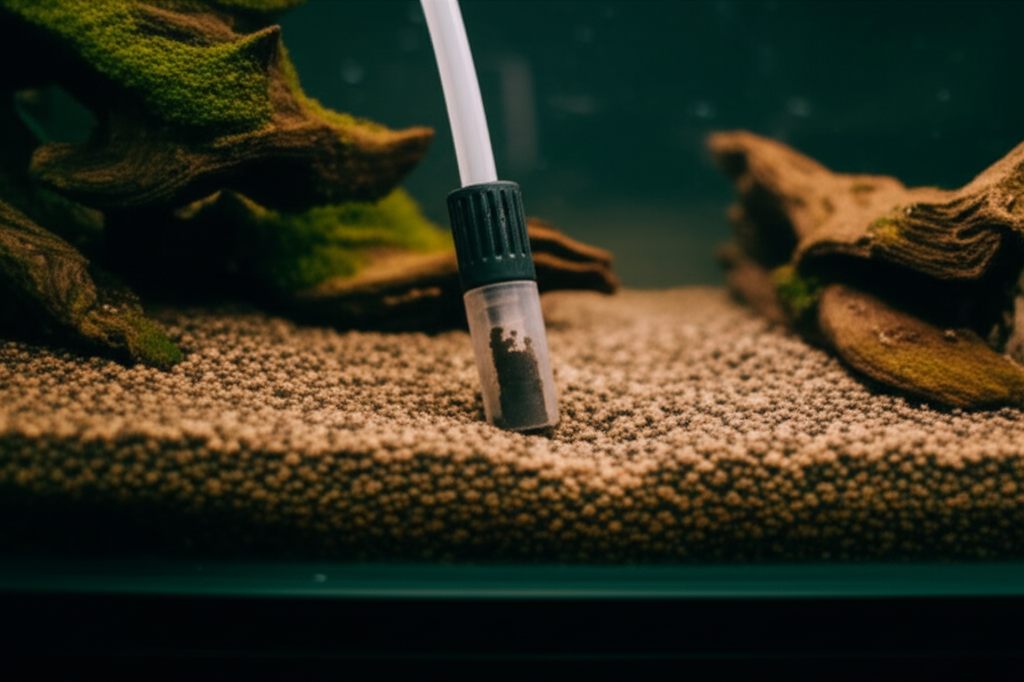
A simple gravel vacuum makes water changes much easier. It siphons the water out of your tank while also removing debris from the gravel. This helps to keep your tank clean and prevent the buildup of harmful bacteria. I used to just scoop water out with a cup, which was messy and inefficient. Investing in a good gravel vacuum was a game-changer.
Filtration: More Than Just Keeping the Water Clear
Filtration is another crucial aspect of aquarium keeping. It’s not just about keeping the water clear; it’s about removing harmful waste products and maintaining a healthy environment for your fish. There are three main types of filtration: mechanical, chemical, and biological.
* **Mechanical filtration** removes particulate matter, such as uneaten food and fish waste. This is typically achieved using filter sponges or floss.
* **Chemical filtration** removes dissolved pollutants, such as ammonia, nitrite, and nitrate. This is typically achieved using activated carbon or other chemical filter media.
* **Biological filtration** is the most important type of filtration. It’s where the beneficial bacteria that break down ammonia and nitrite live. This is typically achieved using filter media with a large surface area, such as ceramic rings or bio-balls.
I initially underestimated the importance of biological filtration. I thought that as long as my water looked clear, my filter was doing its job. However, I soon learned that a healthy biological filter is essential for maintaining a stable and healthy aquarium environment. I upgraded my filter to one with a larger biological filtration capacity and noticed a significant improvement in water quality and fish health.
Don’t over-clean your filter! When you clean your filter, you’re also removing some of the beneficial bacteria. Only rinse the filter media lightly in used aquarium water to remove excess debris. Never use soap or hot water, as this will kill the beneficial bacteria. I learned this the hard way after completely sterilizing my filter and causing a massive ammonia spike.
Choosing the Right Fish: Compatibility and Needs
One of the biggest mistakes I made early on was choosing fish based solely on their appearance, without considering their compatibility or needs. I ended up with a mismatched community of fish that were constantly fighting or stressed. It was a recipe for disaster.
Before you buy any fish, research their specific needs. Consider their adult size, temperament, water parameter requirements, and diet. Some fish are peaceful and get along well with others, while others are territorial and aggressive. Some fish prefer warm water, while others prefer cooler water. Some fish are herbivores, while others are carnivores. It’s important to choose fish that are compatible with each other and that can thrive in the same environment.
Don’t overcrowd your tank! A general rule of thumb is to have 1 inch of fish per gallon of water. However, this is just a guideline. Some fish require more space than others. Overcrowding can lead to increased stress, disease, and poor water quality. I remember trying to cram too many fish into my small tank, thinking I could get away with it. The result was a constant battle with algae and sick fish.
Quarantine new fish! Before adding any new fish to your main tank, quarantine them in a separate tank for 2-4 weeks. This will give you time to observe them for signs of disease and prevent the spread of illness to your existing fish. I skipped this step a few times and ended up introducing diseases that wiped out entire populations of my fish. Now, I wouldn’t dream of adding a new fish without quarantining it first.
Feeding: Less is More (Seriously!)
Overfeeding is one of the most common mistakes that beginner aquarists make. I was definitely guilty of this early on. I thought that if I fed my fish more, they would be happier and healthier. However, the opposite is true. Overfeeding leads to uneaten food accumulating in the tank, which decomposes and pollutes the water. This can lead to algae blooms, poor water quality, and even fish deaths.
Feed your fish only what they can eat in 2-3 minutes. It’s better to underfeed than to overfeed. If you see food accumulating on the bottom of the tank, you’re feeding too much. Also, be sure to remove any uneaten food after a few minutes. I started using a turkey baster to suck up leftover food from the bottom of the tank, which helped to keep the water cleaner.
Vary your fish’s diet! Don’t just feed them the same thing every day. Offer them a variety of foods, such as flakes, pellets, frozen food, and live food. This will ensure that they’re getting all the nutrients they need to stay healthy and vibrant. I started growing my own daphnia and brine shrimp to supplement my fish’s diet, which they absolutely loved.
Algae Control: A Constant Balancing Act
Algae is the bane of every aquarist’s existence. It’s unsightly, it competes with plants for nutrients, and it can even be harmful to fish. I spent countless hours scrubbing algae off the glass and decorations, feeling like I was fighting a losing battle. But I eventually learned that algae control is not about eliminating algae completely; it’s about maintaining a healthy balance in your aquarium.
There are several factors that contribute to algae growth, including excess nutrients, too much light, and poor water circulation. To control algae, you need to address these underlying causes. Reduce the amount of light your tank receives, limit feeding, and perform regular water changes. Also, consider adding algae-eating fish or invertebrates, such as snails or shrimp. These creatures can help to keep algae under control naturally.
I tried using various algae control products, but most of them were ineffective or even harmful to my fish. I found that the best approach was to focus on maintaining a healthy aquarium environment and using natural methods to control algae. I added a few nerite snails to my tank, and they did a fantastic job of keeping the glass clean.
The Importance of Observation: Knowing Your Fish
One of the most valuable lessons I learned over the years is the importance of observation. Spending time observing your fish and their behavior is crucial for detecting problems early on. Are they eating normally? Are they swimming actively? Are they showing any signs of stress or disease? The sooner you notice a problem, the sooner you can take action to address it.
I used to just glance at my tank every now and then, without really paying attention to what was going on. But I eventually realized that my fish were constantly giving me clues about their health and well-being. I learned to recognize the signs of stress, such as clamped fins, rapid breathing, and hiding. I also learned to identify the early symptoms of common fish diseases, such as ich and fin rot.
Keeping a journal can be helpful for tracking your fish’s behavior and identifying patterns. Note any changes in their appearance, appetite, or activity level. Also, record your water parameters and any treatments you administer. This information can be invaluable for troubleshooting problems and preventing future issues.
Patience and Persistence: The Keys to Long-Term Success
Aquarium keeping is not a sprint; it’s a marathon. It takes time, patience, and persistence to create a thriving aquarium ecosystem. There will be setbacks and challenges along the way. You’ll lose fish, you’ll battle algae, and you’ll make mistakes. But don’t give up! Learn from your mistakes, keep researching, and keep experimenting. With time and effort, you’ll eventually achieve the aquarium of your dreams.
I almost gave up on aquarium keeping after my first few disastrous months. I was frustrated, discouraged, and ready to throw in the towel. But I’m so glad I didn’t. Aquarium keeping has become a passion of mine. It’s a rewarding and fulfilling hobby that brings me joy every day. There’s nothing quite like the sense of accomplishment you get from creating a beautiful and healthy environment for your aquatic friends.

So, if you’re a beginner aquarist, remember these words of wisdom: understand the nitrogen cycle, perform regular water changes, choose the right fish, feed sparingly, control algae naturally, and observe your fish closely. And most importantly, be patient and persistent. With a little bit of knowledge and effort, you can avoid the mistakes I made and create a stunning aquarium that you’ll be proud of. It’s a journey, not a destination, so enjoy the process. Good luck!
My name is Daniel Carter, I am 35 years old, and I live in the United States. I have been passionate about aquariums for many years, and what started as a simple hobby quickly became a lifelong interest in aquatic life, fish behavior, and responsible tank care.
Through TheBrightLance, I share real experiences, practical knowledge, and honest lessons learned from maintaining different types of aquariums. I enjoy testing equipment, studying fish behavior, improving maintenance routines, and helping beginners avoid common mistakes.
My goal is to make aquarism easier, more ethical, and more enjoyable for everyone — whether you are setting up your very first tank or looking to refine your techniques.