
The Day I Really *Saw* My Fish
I’ve kept aquariums for over a decade. Ten years of setting up tanks, cycling water, tweaking parameters, and feeding flakes. Ten years of… well, honestly, mostly just *looking* at my fish. I mean, sure, I’d observe them. I’d notice if one was acting lethargic, or if another was nipping fins. But I wasn’t truly *seeing* them. I was treating them more like living decorations than the complex, fascinating creatures they are.
That all changed one particularly boring Saturday afternoon. My wife was out of town, I’d already tackled the yard work, and Netflix had nothing that held my attention. I found myself drawn to my main tank, a 75-gallon community setup teeming with tetras, rasboras, and a few peaceful bottom-dwellers. Usually, I’d just glance at it, maybe toss in some food, and move on. But this time, I decided to actually *watch*. Really watch.
I grabbed a chair, pulled it close to the tank, and just sat there. No phone, no TV, just me and the fish. And what I saw was… astounding. It was like a whole new world opened up before my eyes.
Unveiling a Hidden World
Before that day, I thought of my tetras as a school, a single unit moving in unison. I now observed each individual fish and its unique personality. There was the bold little neon tetra who always led the pack, the shy cardinal who preferred to hang back in the plants, and the feisty black skirt tetra who seemed to have a never-ending feud with his reflection. I began to recognize them not just by their markings, but by their behaviors, their preferences, their quirks.
I noticed the subtle shifts in their body language. The way they tilted their heads when they spotted food, the way they flared their fins during minor squabbles, the way they subtly communicated with each other through flashes of color and minute movements. It was like watching a silent, underwater conversation unfold.
It was a revelation. I realized I had been so focused on the technical aspects of fishkeeping – the water chemistry, the filtration, the lighting – that I had completely overlooked the most important part: the fish themselves. I had been treating them like numbers on a spreadsheet, not like living beings with their own needs, desires, and social lives.
The Ripple Effect: Changing My Care Habits
This newfound awareness didn’t just change how I *viewed* my fish; it fundamentally altered how I *cared* for them. I realized that my previous approach, while adequate, was far from optimal. I was meeting their basic needs, but I wasn’t truly enriching their lives.
Rethinking the Aquascape
One of the first things I changed was the aquascape. My tank, while aesthetically pleasing to me, was relatively sparse. A few plastic plants, a couple of generic decorations, and some gravel. Functional, but not particularly stimulating for the fish. I started researching the natural habitats of my fish species and tried to replicate those environments in my tank.
I replaced the plastic plants with real ones – Amazon swords, java ferns, and anubias. These not only provided better hiding places and territories for the fish, but they also helped to improve water quality and create a more natural-looking environment. I added driftwood, rocks, and leaf litter to provide additional cover and foraging opportunities. I watched as the fish explored their new surroundings with curiosity and enthusiasm. The shy cardinals ventured further out of hiding, the feisty black skirt tetra found new territories to patrol, and even the bold neon tetra seemed to appreciate the added complexity of the aquascape.

A New Approach to Feeding
My feeding routine also underwent a major overhaul. Before, I had simply dumped in a pinch of flake food once a day. Now, I started offering a more varied diet, including live and frozen foods like bloodworms, daphnia, and brine shrimp. I also began to scatter the food throughout the tank, encouraging the fish to actively hunt and forage.
The difference was remarkable. The fish became more active, more colorful, and more engaged with their environment. The hunting behavior stimulated their natural instincts, and the varied diet provided them with essential nutrients that they weren’t getting from flake food alone. I also noticed a significant reduction in aggression, as the fish were no longer competing for a limited amount of food in a small area.
It also made me realize the importance of observing *how* the fish ate. Some fish are surface feeders, others prefer to scavenge at the bottom, and still others prefer to pick at algae on plants and decorations. By understanding these feeding preferences, I could tailor my feeding strategy to ensure that all of my fish were getting the nutrients they needed.
Water Changes: More Than Just a Routine
Even something as mundane as water changes became a more mindful process. Instead of just blindly draining and refilling the tank, I started paying closer attention to the water parameters and the overall health of the ecosystem. I began testing the water regularly for ammonia, nitrite, and nitrate, and adjusting my water change schedule accordingly. I also started using a dechlorinator to remove harmful chemicals from the tap water and adding beneficial bacteria to help maintain a healthy biological filter.
But the biggest change was in my attitude. I started thinking of water changes not as a chore, but as an opportunity to improve the health and well-being of my fish. I would carefully observe the fish during the water change, looking for any signs of stress or illness. I would also use the opportunity to clean the substrate and remove any debris that had accumulated on the bottom of the tank.
It was amazing how much of a difference these small changes made. The fish became healthier, more vibrant, and more resilient to disease. The water quality improved significantly, and the tank became a more stable and balanced ecosystem.
The Ethical Dimension: Beyond Aesthetics
This journey of observation and understanding also led me to a deeper consideration of the ethical implications of keeping fish in captivity. Before, I had primarily focused on the aesthetic aspects of aquascaping and the technical aspects of fishkeeping. Now, I began to think more about the needs and desires of the fish themselves. Were they happy? Were they thriving? Or were they simply surviving?
Researching Species-Specific Needs
I started researching the specific needs of each of my fish species. What were their natural habitats like? What did they eat in the wild? What were their social behaviors? What were their temperature and water parameter preferences? The more I learned, the more I realized how much I didn’t know.
I discovered that many of the fish I had been keeping were not well-suited to life in a community tank. Some were naturally territorial and aggressive, others were highly sensitive to changes in water parameters, and still others required specialized diets that I wasn’t providing. I made the difficult decision to rehome some of these fish, finding them more suitable environments where they could thrive.
It was a humbling experience. It forced me to confront the fact that my well-intentioned efforts had inadvertently caused harm to some of my fish. But it also inspired me to become a more responsible and ethical aquarist.
Supporting Sustainable Practices
I also started paying closer attention to the source of my fish. I learned that many of the fish sold in pet stores are wild-caught, often using unsustainable and destructive methods. This practice not only harms the wild populations of these fish, but it also contributes to the destruction of their natural habitats.
I made a conscious effort to purchase only captive-bred fish, supporting breeders who are committed to sustainable and ethical practices. I also started advocating for stricter regulations on the import and sale of wild-caught fish. I realized that as aquarists, we have a responsibility to protect the wild populations of these amazing creatures and to ensure that future generations can enjoy them as well.

The Unexpected Benefits: Stress Relief and Mindfulness
Beyond the improved health and well-being of my fish, this shift in perspective had a profound impact on my own life. I found that spending time observing my fish was incredibly relaxing and therapeutic. It was a way to escape the stresses of daily life and to connect with nature in a meaningful way.
A Form of Meditation
The rhythmic movements of the fish, the gentle swaying of the plants, and the soft bubbling of the filter created a calming and meditative atmosphere. I found that I could sit for hours, simply watching the fish and letting my thoughts drift away. It was like a form of moving meditation.
I also found that observing my fish helped me to develop a greater sense of mindfulness. I became more aware of my surroundings, more attuned to my senses, and more present in the moment. I learned to appreciate the beauty and complexity of the natural world, and to find joy in the simple things.
It sounds crazy, I know. But it’s true. Watching my fish helped me to become a more patient, more observant, and more compassionate person. It taught me the importance of slowing down, paying attention, and appreciating the small details of life.
A Deeper Connection to Nature
In our increasingly fast-paced and technology-driven world, it’s easy to lose touch with nature. We spend so much time indoors, staring at screens, that we forget about the beauty and wonder that exists all around us. Keeping an aquarium is a way to bring a small piece of nature into our homes.
It’s a reminder that we are all interconnected, that we are all part of a larger ecosystem. It’s a way to connect with something bigger than ourselves, to appreciate the diversity of life on Earth, and to find solace in the natural world.

Lessons Learned: Tips for Aspiring Aquarists
Looking back on my journey, I realize that I made a lot of mistakes along the way. But I also learned a lot of valuable lessons. Here are a few tips for aspiring aquarists who want to create a healthy and thriving environment for their fish:
Do Your Research
Before you even set up your tank, take the time to research the specific needs of the fish you want to keep. Learn about their natural habitats, their dietary requirements, their social behaviors, and their temperature and water parameter preferences. Choose fish that are compatible with each other and that are well-suited to the size and conditions of your tank.
Start Slow
Don’t try to do too much too soon. Start with a small tank and a few hardy fish. Learn the basics of fishkeeping before you move on to more challenging species or larger tanks. Cycling a new tank properly is critical. Rushing this process is the number one cause of new aquarist failure.
Observe Your Fish
Spend time each day observing your fish. Look for any signs of stress, illness, or aggression. Pay attention to their feeding habits, their social interactions, and their overall behavior. The more you observe your fish, the better you will be able to understand their needs and to provide them with the care they deserve.
Be Patient
Fishkeeping is not a race. It takes time and patience to create a healthy and thriving aquarium ecosystem. Don’t get discouraged if things don’t go perfectly at first. Learn from your mistakes, be patient with your fish, and enjoy the journey.
Don’t Be Afraid to Ask for Help
There are many experienced aquarists who are willing to share their knowledge and expertise. Join an online forum, visit a local fish store, or attend a meeting of a local aquarium society. Don’t be afraid to ask questions and to learn from others.
The Future of My Aquarium: A Continuing Journey
My journey as an aquarist is far from over. I’m constantly learning new things, experimenting with new techniques, and striving to create a better and more enriching environment for my fish. I’m currently planning a new tank, a biotope aquarium that will replicate the natural habitat of a specific species of fish. I’m also exploring the possibility of breeding some of my fish, contributing to the conservation of these amazing creatures.
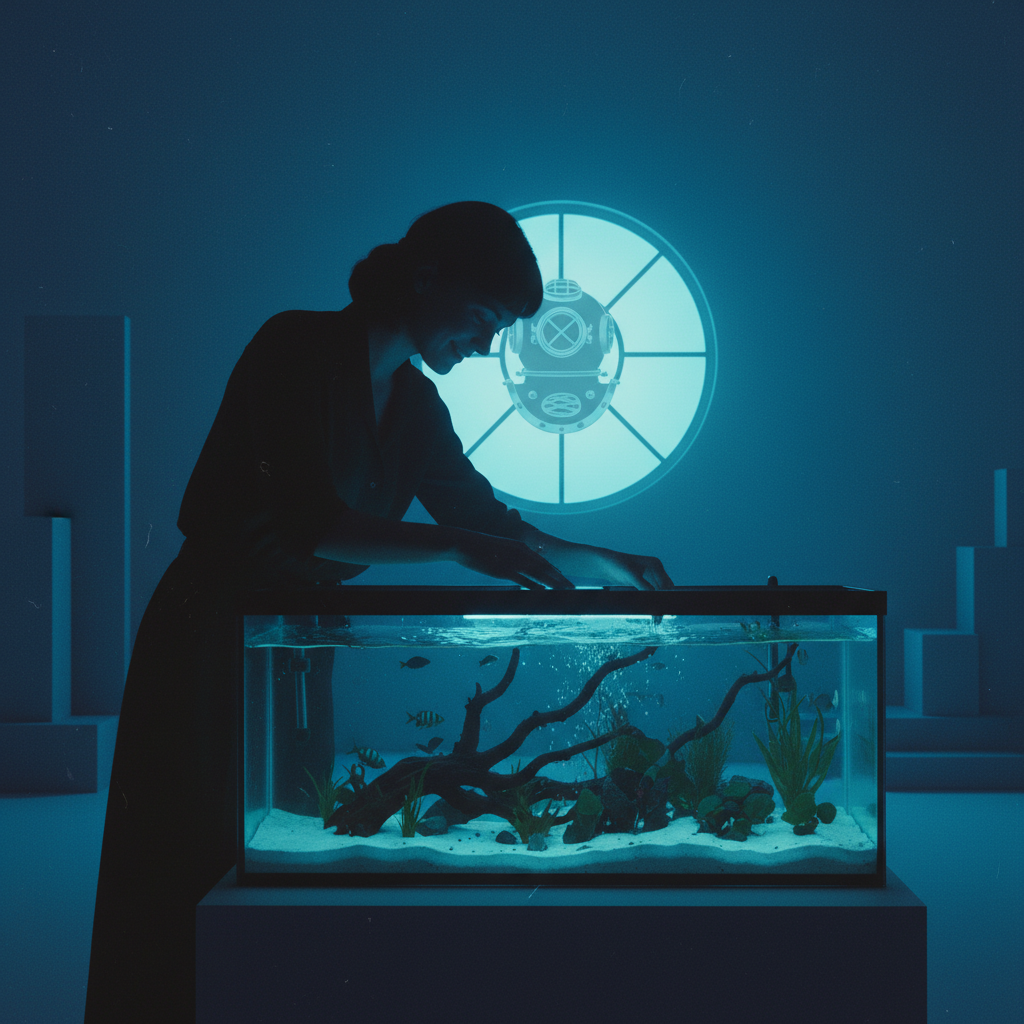
But more than anything, I’m committed to continuing to observe my fish, to learn from them, and to appreciate the beauty and wonder of the underwater world. It’s a journey that has enriched my life in countless ways, and one that I hope to continue for many years to come.
So, the next time you find yourself near an aquarium, take a moment to really *see* the fish. You might be surprised at what you discover. You might just find that watching your fish can change the way you care for them, and perhaps even change the way you see the world.
My name is Daniel Carter, I am 35 years old, and I live in the United States. I have been passionate about aquariums for many years, and what started as a simple hobby quickly became a lifelong interest in aquatic life, fish behavior, and responsible tank care.
Through TheBrightLance, I share real experiences, practical knowledge, and honest lessons learned from maintaining different types of aquariums. I enjoy testing equipment, studying fish behavior, improving maintenance routines, and helping beginners avoid common mistakes.
My goal is to make aquarism easier, more ethical, and more enjoyable for everyone — whether you are setting up your very first tank or looking to refine your techniques.