
The Day My Paradise Turned Murky
I’ve been keeping freshwater aquariums for over a decade now. You’d think I’d have seen it all, mastered every challenge, and developed an almost Zen-like immunity to aquarium disasters. You’d be wrong. About a year ago, I made a single, seemingly insignificant change to my 55-gallon planted tank, and within weeks, my carefully cultivated paradise had turned into a murky, algae-infested nightmare. The culprit? Lighting. Specifically, the wrong lighting setup.
I’ve always preached simplicity, especially to beginners. Keep things manageable, I’d say. Don’t overcomplicate the ecosystem. Stick to hardy plants, easy-to-care-for fish, and regular maintenance. And for years, I followed my own advice with unwavering dedication. My 55-gallon was a testament to this philosophy. A thriving community of neon tetras, corydoras catfish, and a few peaceful gouramis swam amongst lush Amazon swords, Java fern, and anubias. The water was crystal clear, the plants were vibrant, and the fish were happy. Life was good.
Then came the upgrade. Or what I thought was an upgrade. My old T8 fluorescent fixture had started to flicker, and I decided it was time to modernize. I did some online research, read a few forum threads, and convinced myself that a new, high-powered LED fixture was the way to go. More light meant happier plants, right? More vibrant colors, faster growth, a more visually stunning display. That’s what the articles promised, anyway.
I ordered a sleek, adjustable LED fixture online, eagerly anticipating its arrival. When it finally arrived, I immediately swapped it out for the old fluorescent, basking in the newfound brightness that illuminated my tank. It looked fantastic, at least initially. The colors seemed more intense, the plants appeared to shimmer, and the fish sparkled under the brighter light. I felt like I had breathed new life into my aquarium.
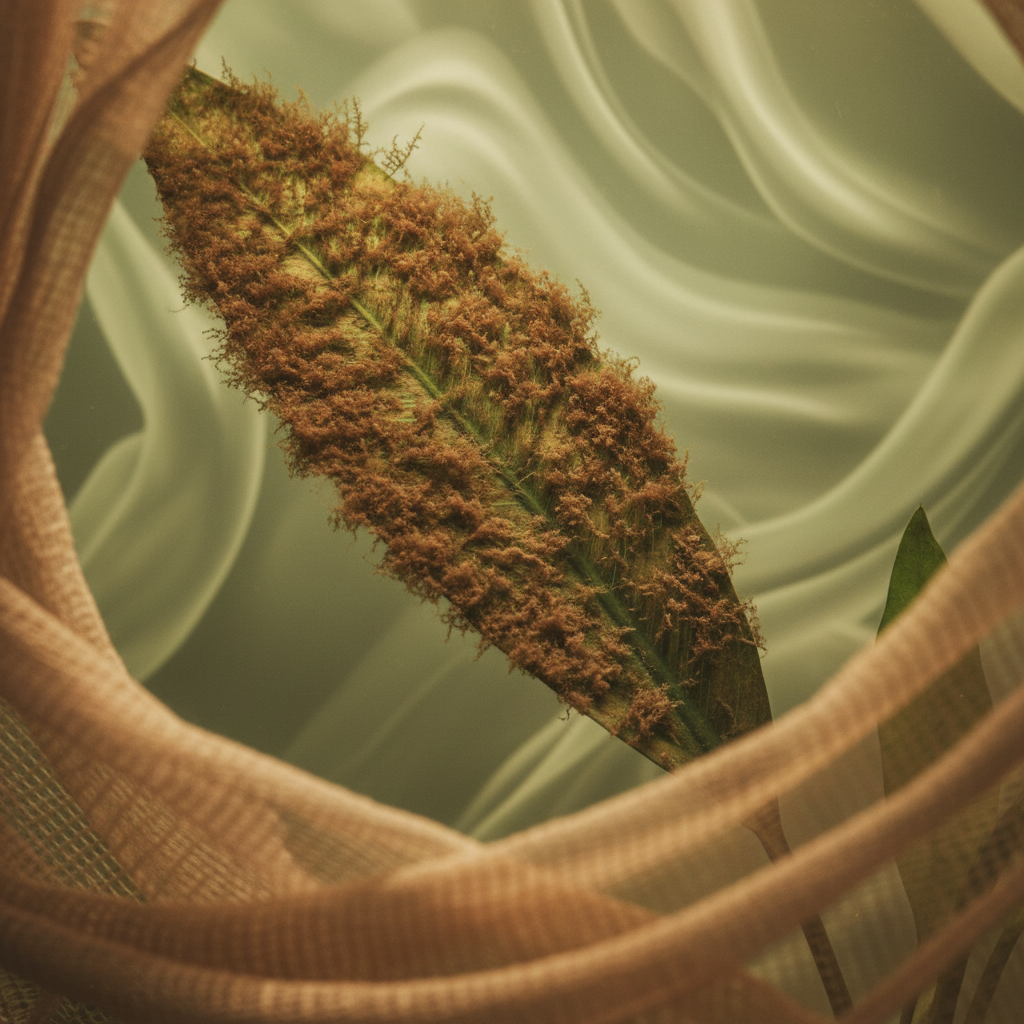
But within a week, I started to notice subtle changes. A faint green dusting appeared on the glass. The leaves of my Amazon swords were developing a fuzzy, brown coating. And the water, once pristine, was beginning to take on a slight greenish tinge. Algae. The bane of every aquarist’s existence.
The Algae Bloom Apocalypse
At first, I dismissed it as a minor inconvenience. A little extra scrubbing during my weekly water changes would take care of it, I thought. I was wrong. The algae spread with alarming speed. The green dusting thickened into a stubborn, emerald layer. The brown fuzz on the plants intensified, choking their growth. And the water, no matter how diligently I cleaned it, remained stubbornly cloudy.
My once-thriving ecosystem was collapsing before my eyes. The neon tetras, usually vibrant and active, seemed listless and faded. The corydoras spent most of their time hiding under the driftwood. And even the hardy gouramis looked stressed and uncomfortable. The joy I once felt gazing at my aquarium was replaced with a growing sense of frustration and despair.
I tried everything I could think of to combat the algae. I increased the frequency and size of my water changes. I meticulously scrubbed every surface in the tank. I added algae-eating snails and shrimp. I even tried blackout periods, covering the tank with blankets for several days to deprive the algae of light. Nothing worked. The algae persisted, stubbornly clinging to every available surface.
I was at my wit’s end. I spent hours researching algae control methods online, reading countless forum threads and articles. I tried every recommended treatment, every suggested technique. But nothing seemed to make a difference. The more I fought the algae, the more it seemed to thrive. It was a losing battle.
What was I doing wrong? I had been keeping aquariums for years, and I had never experienced an algae bloom of this magnitude. I started to question everything I knew about aquarium keeping. Was my water chemistry off? Was I overfeeding my fish? Was my filter not working properly? I tested my water parameters religiously, adjusted my feeding schedule, and even replaced my filter media. But the algae persisted.
The Root of the Problem: Too Much of a Good Thing
Finally, after weeks of frustration and countless hours of research, I stumbled upon the answer. It wasn’t my water chemistry, my feeding habits, or my filtration system. It was the lighting. The new LED fixture, while visually appealing, was simply too powerful for my tank. It was providing far more light than my plants could utilize, leaving an excess of energy for the algae to feast on.
I had fallen victim to the common misconception that more light is always better. While it’s true that plants need light to grow, they also need a balanced ecosystem to thrive. Too much light can disrupt that balance, creating an environment that favors algae over desirable plants.
The type of light also mattered. The new LED fixture emitted a spectrum of light that was heavily weighted towards the blue end, which is known to promote algae growth. My old fluorescent fixture, on the other hand, produced a more balanced spectrum that was less conducive to algae blooms.
It was a painful realization. I had spent money on a fancy new lighting system, only to discover that it was the source of my problems. I felt foolish, frustrated, and utterly defeated.
A Journey Back to Balance
But I wasn’t ready to give up. I decided to take a step back, re-evaluate my approach, and try to restore balance to my aquarium. The first step was to address the lighting. I couldn’t simply switch back to my old fluorescent fixture, as it was no longer functional. Instead, I decided to experiment with different lighting schedules and intensities.
I started by reducing the photoperiod, the amount of time the lights were on each day. I gradually decreased the lighting duration from 12 hours to 8 hours, then to 6 hours. I also dimmed the intensity of the LED fixture, using the adjustable settings to reduce the overall light output.
It was a slow and gradual process, but I started to see improvements. The algae growth slowed down, and the water began to clear up. The plants, while still struggling, showed signs of recovery. And the fish, once listless and faded, started to regain their color and activity.
I also made some other changes to my aquarium maintenance routine. I increased the frequency of my water changes, performing them twice a week instead of once a week. I also started using a gravel vacuum to remove detritus and uneaten food from the substrate, which helped to reduce the nutrient load in the water.
In addition, I added more fast-growing plants to the tank, such as hornwort and water sprite. These plants helped to compete with the algae for nutrients, further reducing its growth. I also made sure to fertilize my plants regularly, using a liquid fertilizer that was specifically formulated for planted aquariums.
Lessons Learned: A Simple Setup is Often the Best
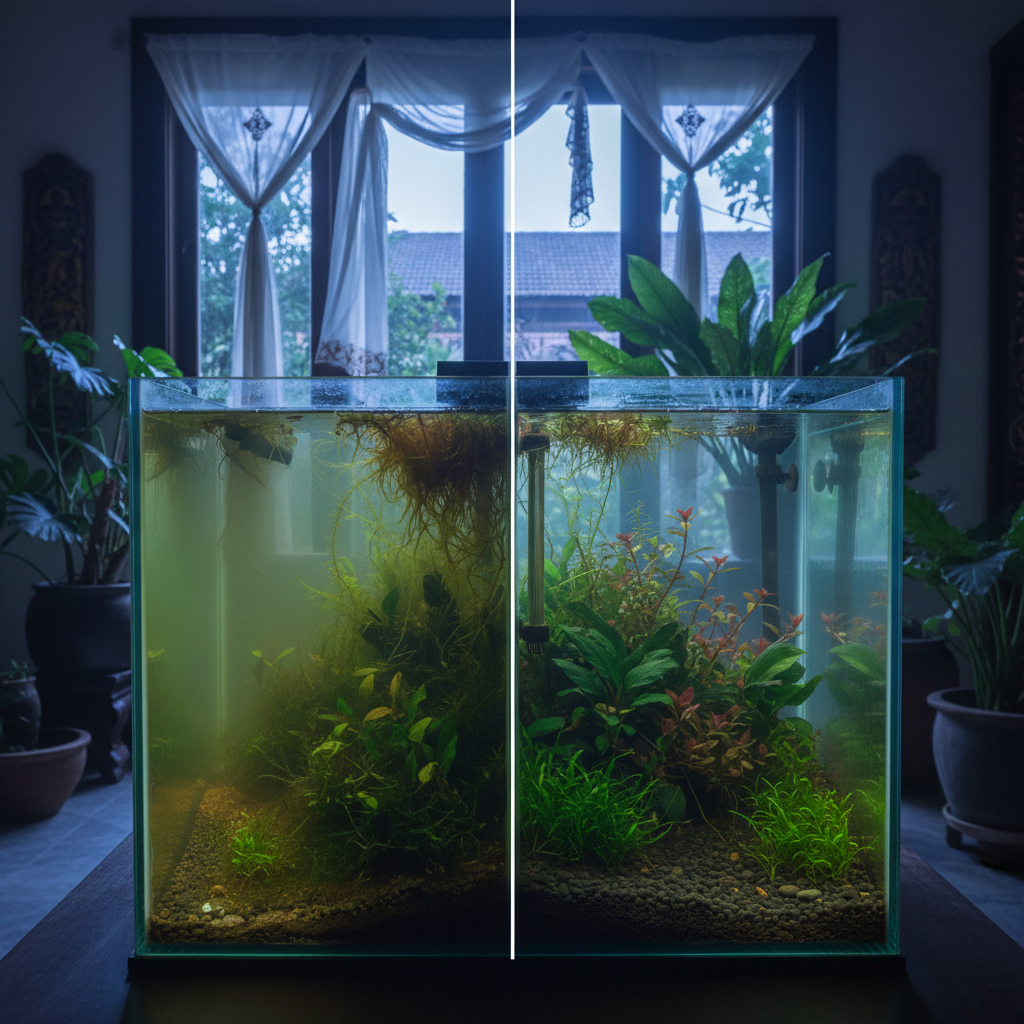
It took several months of hard work and dedication, but I finally managed to bring my aquarium back into balance. The algae bloom was under control, the plants were thriving, and the fish were healthy and happy. I had learned a valuable lesson: sometimes, the simplest approach is the best approach. And sometimes, upgrades aren’t always upgrades.
Looking back, I realize that my mistake wasn’t just the lighting. It was my entire approach to aquarium keeping. I had become too focused on aesthetics, on creating a visually stunning display, and I had lost sight of the fundamental principles of aquarium ecology. I had forgotten that an aquarium is a delicate ecosystem, and that any change, no matter how small, can have a significant impact on its balance.
Now, I’m back to basics. I’ve scaled back my lighting, simplified my maintenance routine, and focused on creating a healthy and stable environment for my fish and plants. My aquarium may not be as visually impressive as it once was, but it’s thriving. And that’s what truly matters.
The Importance of Observation and Patience
One of the most important things I learned during this whole ordeal is the importance of observation. I should have noticed the subtle changes in my aquarium sooner, before the algae bloom became a full-blown crisis. I should have paid closer attention to the needs of my plants and fish, and adjusted my approach accordingly.
Aquarium keeping is a constant learning process. There’s always something new to discover, something new to learn. And the best way to learn is to observe your aquarium closely, pay attention to the subtle cues, and be patient. Don’t rush into things, don’t make drastic changes, and don’t be afraid to experiment. But always remember that the goal is to create a balanced and sustainable ecosystem, not just a visually appealing display.
Another critical factor is patience. The aquarium hobby teaches you patience whether you want it to or not. There are no instant fixes, no magic solutions. It takes time to establish a healthy ecosystem, and it takes time to correct imbalances. You have to be willing to wait, to observe, and to adjust your approach as needed. Rushing things will only lead to more problems and more frustration.
I’ve also learned to be wary of online advice. While the internet is a valuable resource for aquarium keepers, it’s also full of misinformation and conflicting opinions. It’s important to be critical of what you read online, and to always consider the source. Don’t blindly follow every recommendation you see, and don’t be afraid to question conventional wisdom. The best advice is often the simplest advice, and the best approach is often the approach that works best for your particular aquarium.
Preventing Future Lighting Disasters
So, how can you avoid making the same mistake I did? How can you choose the right lighting for your aquarium and prevent algae blooms? Here are a few tips:
Research Before You Buy
Before you buy a new lighting system, do your research. Read reviews, compare different models, and talk to other aquarium keepers. Find out what type of lighting is best for your particular plants and fish, and choose a fixture that is appropriately sized and powered for your tank.
Consider the spectrum of light that the fixture emits. Plants need a balanced spectrum of light to thrive, with both red and blue wavelengths. Avoid fixtures that are heavily weighted towards the blue end, as these can promote algae growth.
Start Slow and Observe
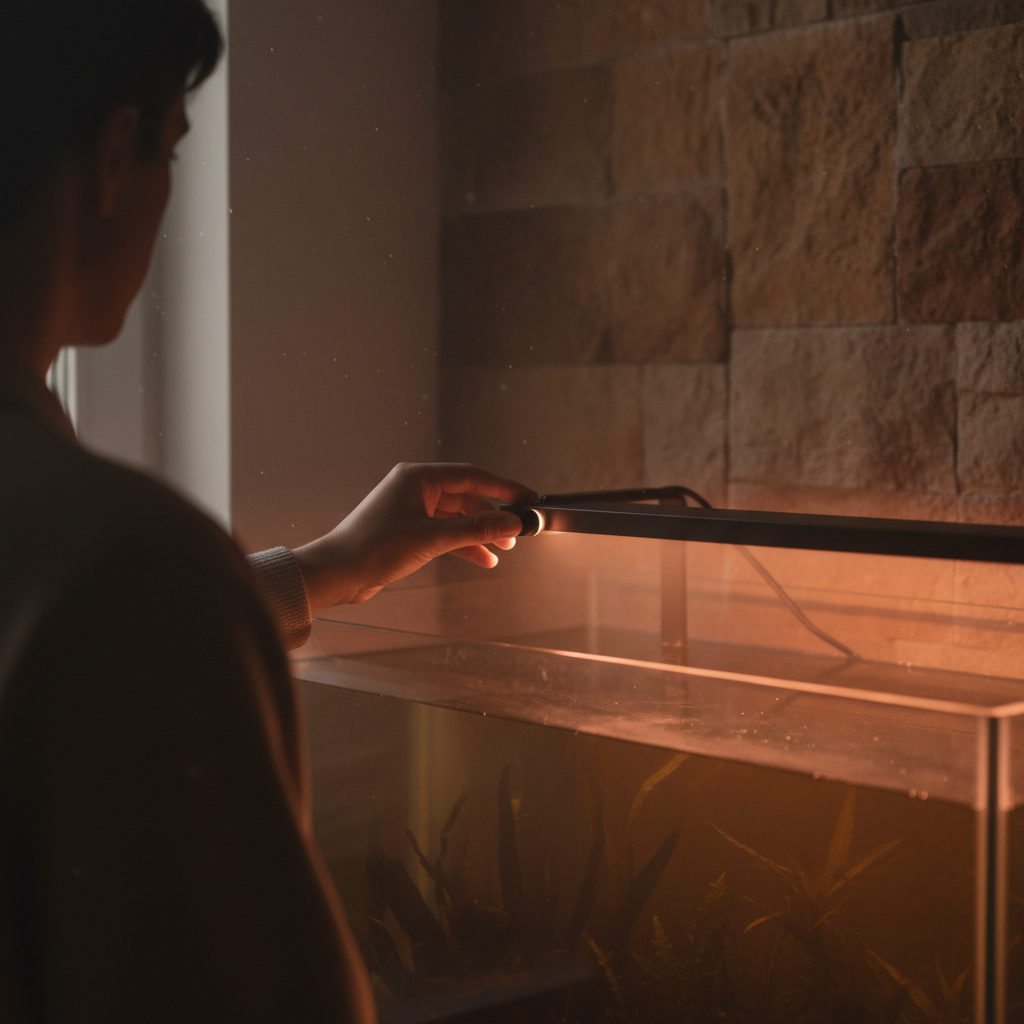
When you install a new lighting system, start slow. Don’t immediately crank up the intensity to maximum. Instead, gradually increase the lighting duration and intensity over a period of several weeks, observing your plants and fish closely for any signs of stress or algae growth.
If you notice algae starting to grow, reduce the lighting duration and intensity. You may also need to adjust your water chemistry, feeding habits, or filtration system to help control the algae.
Consider Your Plants
The type of plants you keep in your aquarium will also affect your lighting needs. Some plants require more light than others. If you’re keeping low-light plants, such as Java fern and anubias, you won’t need as much light as if you’re keeping high-light plants, such as Amazon swords and stem plants.
Choose plants that are appropriate for your lighting conditions. If you’re not sure what type of plants to choose, talk to your local aquarium store or do some research online.
Don’t Overdo It
Remember that more light isn’t always better. Too much light can be just as harmful as too little light. The goal is to provide your plants with enough light to thrive, without creating an environment that favors algae growth. It’s a delicate balance, but one that’s achievable with careful observation and adjustment.
I’ve found that a good starting point is to aim for around 2-3 watts per gallon of water for T5 fluorescent lighting, or the LED equivalent. However, this is just a guideline, and you may need to adjust it based on your specific tank setup and plant requirements.
Back to Thriving, One Watt at a Time
My aquarium is once again a source of joy and relaxation. The fish are happy, the plants are thriving, and the water is crystal clear. I’ve learned a valuable lesson about the importance of balance, observation, and patience. And I’m sharing my experience in the hopes that it will help other aquarium keepers avoid making the same mistake I did.
The journey back to a balanced aquarium was long and challenging, but it was also incredibly rewarding. I gained a deeper understanding of aquarium ecology, and I learned to appreciate the simple beauty of a healthy and thriving ecosystem. It reinforced my belief that simple setups, carefully monitored, are often the most successful. So, take it from a guy who learned the hard way: don’t underestimate the power of the right lighting, and don’t be afraid to ask for help when you need it. Happy aquascaping!
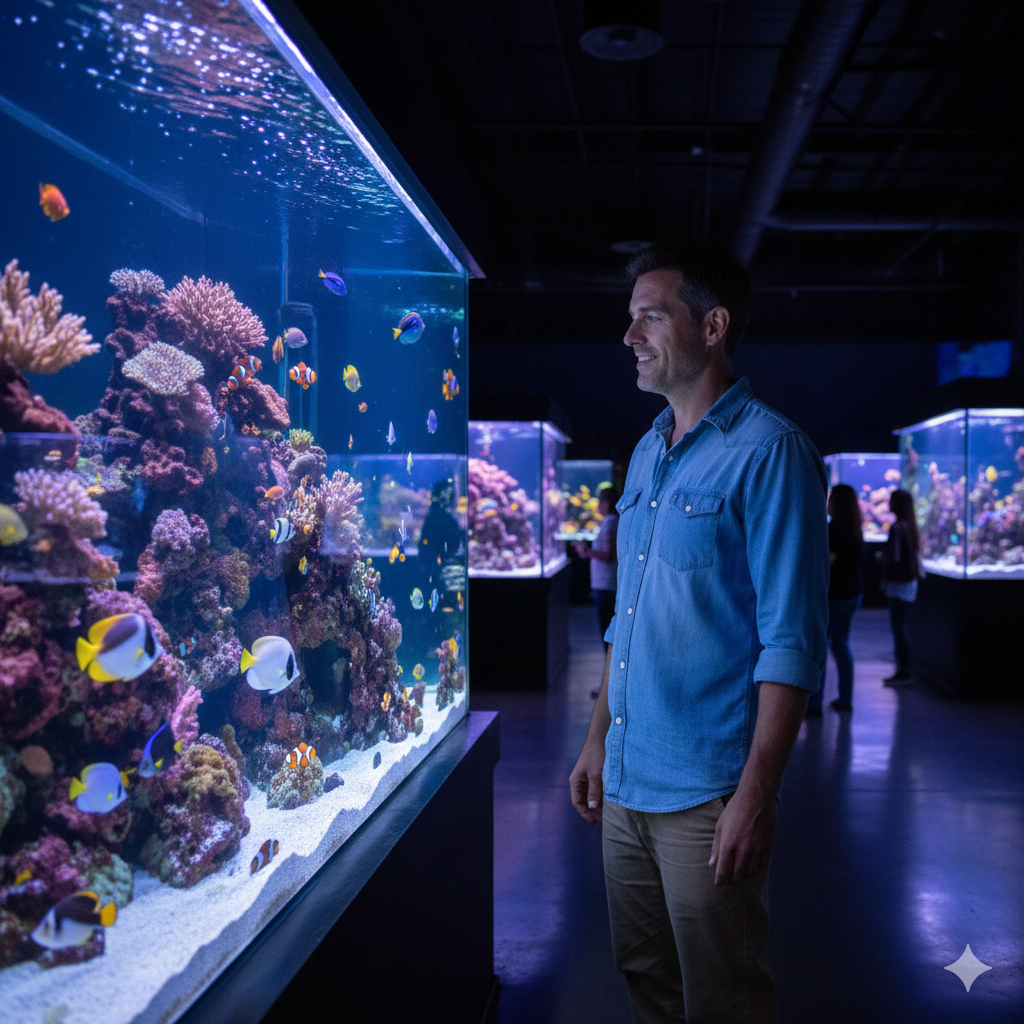
My name is Daniel Carter, I am 35 years old, and I live in the United States. I have been passionate about aquariums for many years, and what started as a simple hobby quickly became a lifelong interest in aquatic life, fish behavior, and responsible tank care.
Through TheBrightLance, I share real experiences, practical knowledge, and honest lessons learned from maintaining different types of aquariums. I enjoy testing equipment, studying fish behavior, improving maintenance routines, and helping beginners avoid common mistakes.
My goal is to make aquarism easier, more ethical, and more enjoyable for everyone — whether you are setting up your very first tank or looking to refine your techniques.