
The Day My Aquarium Dreams Almost Turned into a Nightmare
I’ll never forget the day I almost wiped out my entire aquarium. It wasn’t a disease, or a sudden temperature spike, or even forgetting to do a water change (though I’ve definitely been guilty of that!). It was something far more insidious, a silent killer lurking in plain sight: the wrong aquarium filter.
You see, for years, I’ve been obsessed with freshwater aquariums. What started as a small, ten-gallon tank with a few guppies has blossomed into a full-blown hobby. I find it incredibly relaxing to watch the fish swim, the plants sway, and the miniature ecosystem thrive. It’s my little slice of nature right here in Orlando, a world away from the theme park madness.
But like any hobby, aquariums have their challenges. And believe me, I’ve faced my fair share. From battling algae blooms to rescuing stressed-out fish, I’ve learned a lot over the past decade. But the filter fiasco? That was a whole new level of stress.
My Quest for the “Perfect” Filter
It all started with the upgrade. I had a perfectly functional hang-on-back (HOB) filter on my 55-gallon community tank. It was doing its job, keeping the water clear and the fish happy. But, like any aquarist, I was always looking for ways to improve things. I wanted *perfect* water, *perfect* clarity, *perfect* everything.
That’s when I started researching canister filters. I’d read online that they offered superior filtration, more media capacity, and were generally considered the gold standard for larger tanks. The reviews were glowing, the promises were enticing, and the price tags… well, they were definitely a commitment. But I convinced myself it was an investment in the health and well-being of my fish.
The Allure of Canister Filters
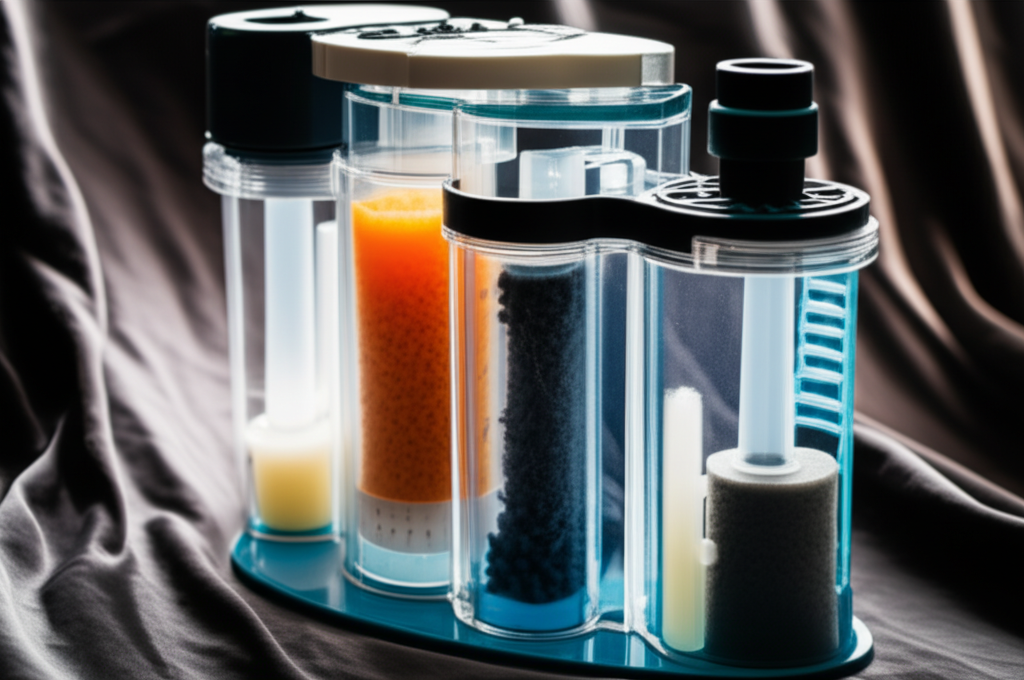
What drew me to canister filters was the idea of having multiple stages of filtration. Mechanical filtration to remove particulate matter, chemical filtration to absorb impurities, and biological filtration to cultivate beneficial bacteria – it sounded like the ultimate clean-water solution. Plus, the larger media capacity meant I could customize the filter with different types of media, tailoring it to the specific needs of my tank. I envisioned crystal-clear water, vibrant fish, and a thriving ecosystem. It was an aquarist’s dream.
I spent weeks researching different models, reading reviews, and comparing specs. I finally settled on a well-known brand with a seemingly solid reputation. It wasn’t the cheapest option, but I figured you get what you pay for, right? I ordered it online, eagerly anticipating its arrival. This was going to be a game-changer, I thought.
The Installation Nightmare
The day the filter arrived, I was like a kid on Christmas morning. I carefully unboxed it, read the instructions (or at least skimmed them, let’s be honest), and set about installing it. This is where the trouble really began.
First off, the instructions were vague and poorly written. I spent what felt like hours trying to figure out how to connect the hoses properly. The diagrams were confusing, the explanations were unclear, and I ended up having to watch several YouTube videos just to get a basic understanding of how the thing worked. Why do manuals assume everyone is born knowing how to assemble complex machinery? It felt like I was trying to decipher ancient hieroglyphs.
Then came the priming. Oh, the priming. The filter was supposed to self-prime, but it just wouldn’t. I pumped and pumped and pumped, until my arm was sore and my patience was wearing thin. Eventually, after what felt like an eternity, I managed to get the water flowing. Victory! Or so I thought.
The Silent Terror Begins
I proudly plugged in the filter and stood back to admire my handiwork. The water was circulating, the filter was humming quietly, and everything seemed to be working perfectly. I even patted myself on the back for a job well done. Little did I know, a silent disaster was brewing.
Over the next few days, I noticed a subtle change in my tank. The fish seemed a little less active, a little less colorful. They weren’t gasping at the surface or showing any obvious signs of distress, but something just wasn’t right. The water, which was usually crystal clear, had a slight haze to it. I dismissed it as just a minor fluctuation, nothing to worry about. Big mistake.
Then, one morning, I woke up to a nightmare. Several of my fish were dead. Others were lying on the bottom of the tank, struggling to breathe. The water was cloudy and smelled foul. It was a scene of devastation.
The Ammonia Spike: A Deadly Revelation
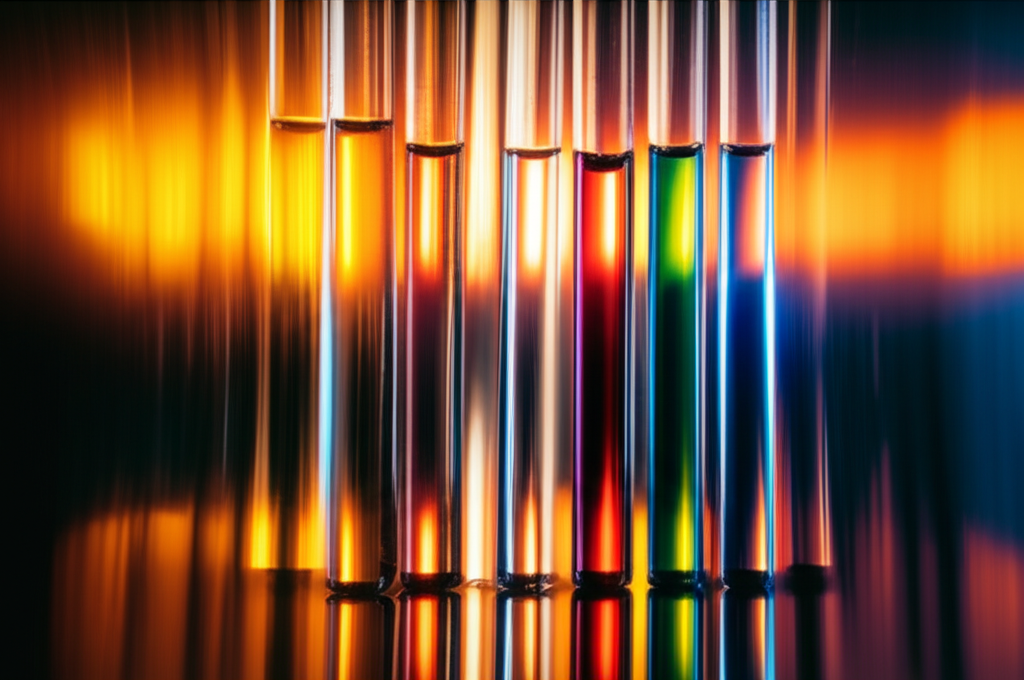
Panicked, I immediately tested the water. And that’s when I saw it: the ammonia levels were off the charts. Sky high. Toxic. It was a massive ammonia spike, and it was killing my fish. My heart sank.
Ammonia, for those who don’t know, is a byproduct of fish waste and decaying organic matter. In a healthy aquarium, beneficial bacteria convert ammonia into nitrite, and then nitrite into nitrate, which is much less harmful. This process is called the nitrogen cycle, and it’s the cornerstone of aquarium health. But when the nitrogen cycle is disrupted, ammonia can build up to lethal levels.
But how could this have happened? My old filter was doing just fine. I was diligent with water changes. What went wrong?
After some frantic research, I realized the problem: the canister filter wasn’t properly cycled. It hadn’t had enough time to establish a sufficient colony of beneficial bacteria to handle the bioload of my tank. By removing the old, established filter, I had essentially wiped out the biological filtration, leaving my fish vulnerable to ammonia poisoning. All that fancy media, all that expensive equipment, and it was all useless without the beneficial bacteria to back it up. It was like having a state-of-the-art car with no engine.
The Hard Truth About New Filters
I had made a classic beginner mistake. I assumed that a new filter would automatically be ready to go, that it would instantly start filtering the water and keeping my fish healthy. I didn’t realize that it takes time for beneficial bacteria to colonize the filter media, and that introducing a new filter too quickly can disrupt the delicate balance of the aquarium ecosystem. In my eagerness to upgrade, I had inadvertently created a toxic environment for my fish.
It was a painful lesson, one that cost me several of my beloved fish. I felt terrible. I had let them down. I had prioritized fancy equipment over their well-being. It was a humbling experience, to say the least.
The Emergency Room for Fish: Damage Control
I knew I had to act fast to save the remaining fish. I immediately performed a large water change, about 50%, to dilute the ammonia. I also added an ammonia-detoxifying product to the water, which temporarily neutralized the ammonia and made it less harmful. Think of it as a fishy ambulance ride to the emergency room.
I then reinstalled my old HOB filter, knowing that it already had a healthy colony of beneficial bacteria. I also added some of the old filter media to the canister filter, hoping to seed it with bacteria and jumpstart the cycling process.
Over the next few weeks, I monitored the water parameters closely, testing the ammonia, nitrite, and nitrate levels every day. I performed regular water changes, adding ammonia-detoxifying products as needed. It was a stressful and time-consuming process, but I was determined to restore the balance of my tank.
Slow and Steady Wins the Race
I learned that cycling a new filter takes time, patience, and a lot of testing. There are several methods you can use, but the key is to introduce ammonia gradually and monitor the water parameters closely. You can use pure ammonia, fish food, or even a few hardy fish to kickstart the process. Just remember to test the water regularly and adjust the ammonia levels accordingly. The goal is to create a stable environment where beneficial bacteria can thrive.
Eventually, after several weeks of diligent monitoring and water changes, the canister filter finally cycled. The ammonia and nitrite levels dropped to zero, and the nitrate levels stabilized. The water cleared up, the fish regained their color and energy, and my aquarium finally returned to its former glory. It was a huge relief.
Lessons Learned: Avoiding My Aquarium Catastrophe
This whole experience taught me some valuable lessons about aquarium filtration and the importance of understanding the nitrogen cycle. Here are a few key takeaways that I hope will help other aquarists avoid the same mistakes I made:
- Don’t rush the cycling process: Cycling a new filter takes time, so be patient and don’t introduce fish until the water parameters are stable.
- Seed your new filter with beneficial bacteria: Transferring media from an established filter can help jumpstart the cycling process.
- Monitor your water parameters regularly: Testing the ammonia, nitrite, and nitrate levels is crucial for maintaining a healthy aquarium environment.
- Don’t overstock your tank: Too many fish can overload the biological filtration and lead to ammonia spikes.
- Be careful with medications: Some medications can kill beneficial bacteria, disrupting the nitrogen cycle.
- Do your research: Before making any major changes to your aquarium setup, research the potential consequences.
Most importantly, I learned that fancy equipment isn’t a substitute for knowledge and understanding. A simple sponge filter, properly maintained, can be just as effective as an expensive canister filter if you understand the principles of biological filtration. It’s not about having the best gear, it’s about creating a healthy and stable environment for your fish.
The Value of Patience and Observation
Looking back, I realize that I was so focused on achieving “perfect” water that I overlooked the subtle signs of distress in my fish. I was so eager to upgrade my filter that I didn’t take the time to understand how it worked and how it would affect the delicate balance of my aquarium. I learned that patience and observation are just as important as having the right equipment. Paying attention to your fish’s behavior, monitoring the water parameters regularly, and being willing to adjust your approach as needed – these are the keys to long-term aquarium success.
Back to Basics: Embracing Simplicity
After my near-disaster, I decided to simplify my aquarium setup. I went back to basics, focusing on the fundamentals of good water quality and healthy fish. I still use the canister filter, but I’m much more careful about maintaining it properly and monitoring the water parameters. I also added a second HOB filter for extra filtration and redundancy. You know, just in case. It’s like wearing a belt and suspenders – maybe overkill, but it gives me peace of mind.
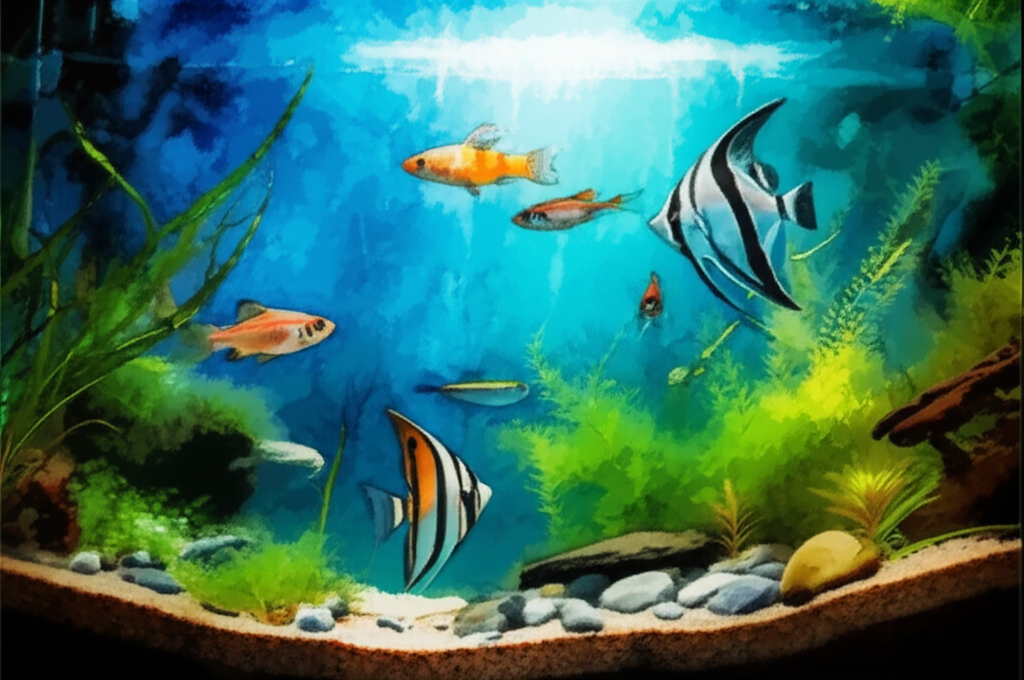
I also started focusing more on natural methods of filtration, such as adding more live plants to my tank. Plants not only provide oxygen and cover for the fish, but they also help to absorb nitrates, reducing the need for frequent water changes. It’s a win-win situation.
The Joy of a Balanced Ecosystem
Now, my aquarium is thriving. The fish are healthy and active, the plants are lush and vibrant, and the water is crystal clear. It’s a testament to the power of a balanced ecosystem and the importance of understanding the fundamentals of aquarium keeping. It’s no longer just a collection of fish and plants; it’s a living, breathing microcosm, a reflection of the natural world. And it’s a constant reminder of the lessons I learned from my near-disaster.
I still make mistakes, of course. Every aquarist does. But I’m much more aware of the potential consequences of my actions, and I’m much more careful about making changes to my aquarium setup. I’ve learned that patience, observation, and a healthy dose of humility are essential for success in this hobby. And that sometimes, the simplest solutions are the best.
Would I recommend canister filters? Absolutely. But only if you understand how they work, how to cycle them properly, and how to maintain them effectively. They’re powerful tools, but they can also be dangerous if used incorrectly. So, do your research, be patient, and don’t be afraid to ask for help. The aquarium community is full of knowledgeable and experienced aquarists who are happy to share their wisdom.
Sharing My Story: Helping Other Aquarists
I decided to share my story because I know that many other aquarists have faced similar challenges. The aquarium hobby can be intimidating, especially for beginners. There’s so much information to learn, so many different products to choose from, and so many potential pitfalls to avoid. It’s easy to get overwhelmed.
I hope that my experience will help other aquarists avoid the same mistakes I made and enjoy the rewards of a healthy and thriving aquarium. And if you’re ever struggling with a problem in your tank, don’t be afraid to reach out to the aquarium community for help. We’re all in this together.
Ultimately, the most rewarding part of this hobby isn’t just the beautiful fish and plants, but the sense of connection to the natural world and the opportunity to create a small piece of paradise in your own home. It’s a journey of learning, discovery, and constant improvement. And it’s a journey that I’m grateful to be on.
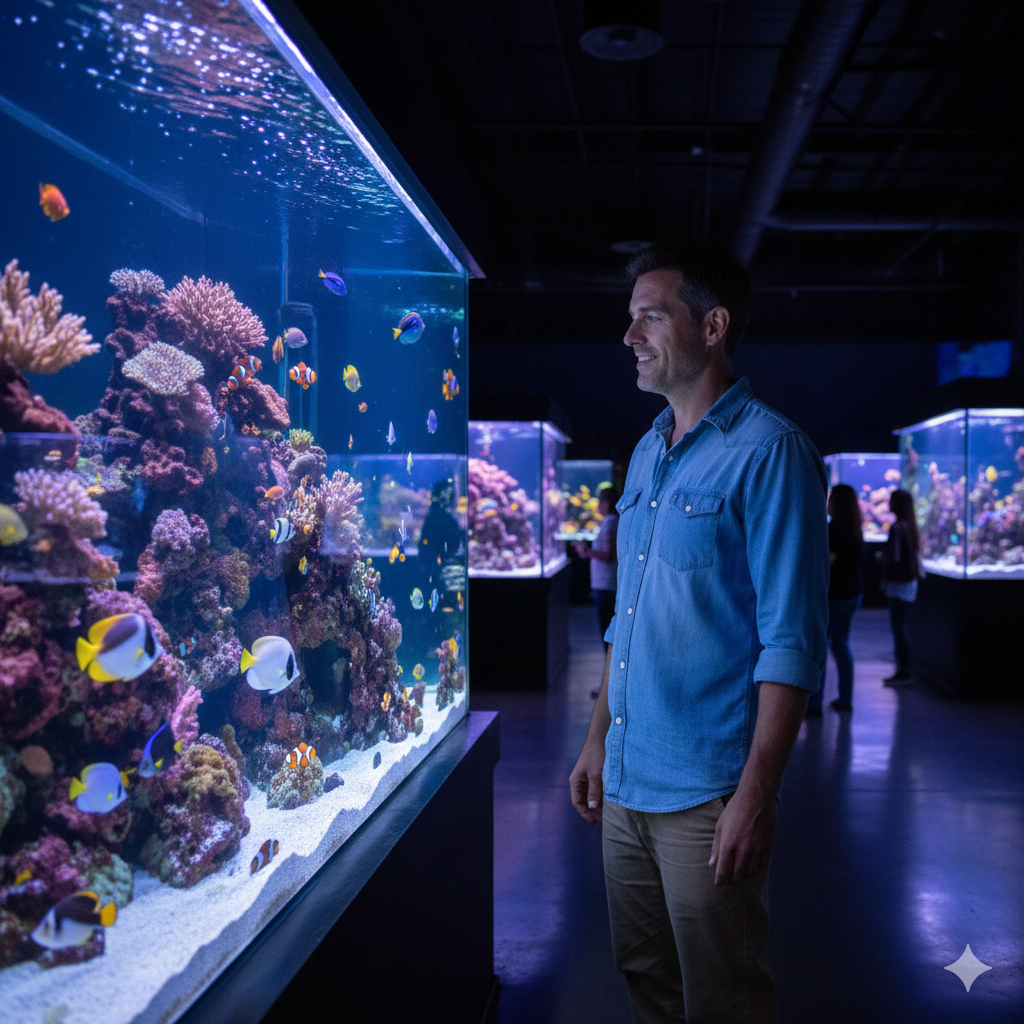
My name is Daniel Carter, I am 35 years old, and I live in the United States. I have been passionate about aquariums for many years, and what started as a simple hobby quickly became a lifelong interest in aquatic life, fish behavior, and responsible tank care.
Through TheBrightLance, I share real experiences, practical knowledge, and honest lessons learned from maintaining different types of aquariums. I enjoy testing equipment, studying fish behavior, improving maintenance routines, and helping beginners avoid common mistakes.
My goal is to make aquarism easier, more ethical, and more enjoyable for everyone — whether you are setting up your very first tank or looking to refine your techniques.