
Understanding the Aquarium Environment and Its Impact on Fish Behavior
As someone who’s spent over a decade immersed in the aquarium hobby, I’ve learned firsthand that a fish tank is much more than just a decorative piece. It’s a miniature ecosystem, and the conditions within that ecosystem have a profound impact on the behavior of its inhabitants. We’re not just talking about whether they survive; we’re talking about their overall well-being, their social interactions, and even their breeding habits. I’ve seen it all, from stressed-out fish hiding in corners to thriving communities displaying complex social behaviors. Understanding this connection is crucial for any aquarist who wants to create a truly healthy and enriching environment for their fish.
The Importance of Water Quality
Let’s start with the basics: water quality. It’s the foundation upon which everything else is built. Think of it like the air we breathe – if it’s polluted, it affects every aspect of our health. For fish, poor water quality can lead to a whole host of problems, including stress, weakened immune systems, and even death. Ammonia and nitrite are particularly toxic, as they are byproducts of fish waste and decaying organic matter. Nitrates are less toxic but can still be harmful in high concentrations. Regular water changes are essential for keeping these levels in check. I remember when I first started, I was so focused on the aesthetics of the tank that I neglected water changes. My fish were listless and prone to disease. It wasn’t until I started diligently testing the water and performing regular changes that I saw a real turnaround in their health and behavior. I now perform a 25% water change every week without fail, and it’s made a world of difference.
Beyond the nitrogen cycle, pH, temperature, and hardness also play crucial roles. Different species of fish have different preferences, and it’s important to match the water parameters to their specific needs. For example, soft water fish like Discus and Cardinal Tetras will struggle in hard, alkaline water. Using a reliable test kit and understanding the specific requirements of your fish are essential. I once tried to keep some Apistogramma in a tank with excessively hard water. They survived, but they never displayed their vibrant colors or bred. It was a clear sign that they weren’t thriving in the conditions I was providing.
Tank Size and Overcrowding
Another critical factor is tank size. Overcrowding is a common mistake that many beginner aquarists make. It’s tempting to cram as many fish as possible into a tank, but this can lead to a host of problems. Overcrowding increases stress levels, which weakens the immune system and makes fish more susceptible to disease. It also leads to poor water quality, as there is more waste being produced. Fish need space to swim and establish territories. When they are crammed together, they become stressed and aggressive. I’ve seen this firsthand in overcrowded tanks where fish constantly nipped at each other, resulting in injuries and even death.
It’s important to research the adult size of the fish you want to keep and choose a tank that is appropriately sized. A good rule of thumb is to underestimate the number of fish you can keep rather than overestimate. For example, a single goldfish needs at least 20 gallons of water, and larger species like Oscars require tanks of 75 gallons or more. Providing adequate space allows fish to exhibit their natural behaviors, such as schooling, foraging, and breeding. I have a 75-gallon tank dedicated solely to a group of Congo Tetras, and it’s fascinating to watch them school and interact in a spacious environment that closely mimics their natural habitat.

The Role of Substrate and Decorations
The substrate and decorations in your tank aren’t just for aesthetics – they also play an important role in shaping fish behavior. The substrate provides a surface for beneficial bacteria to colonize, which helps to break down waste and maintain water quality. It also provides a place for fish to forage for food. Some fish, like Corydoras catfish, are natural scavengers and spend their days sifting through the substrate for leftover food. Choosing the right substrate is important. Gravel is a popular choice, but sand is often a better option for bottom-dwelling fish, as it is less likely to trap food and debris. I personally prefer using a planted aquarium substrate, which provides essential nutrients for aquatic plants and helps to create a more natural environment.
Decorations, such as rocks, driftwood, and plants, provide hiding places and territorial boundaries for fish. They also help to reduce stress by breaking up the line of sight and providing visual barriers. It’s important to choose decorations that are safe for fish and won’t leach harmful chemicals into the water. Avoid sharp edges or small openings that fish could get stuck in. Live plants are an excellent addition to any aquarium, as they help to oxygenate the water, remove nitrates, and provide natural hiding places for fish. I’ve found that adding a variety of plants to my tanks not only improves water quality but also encourages more natural and interesting behaviors in my fish. For example, my Betta loves to rest on the broad leaves of Amazon Swords, while my Rasboras dart in and out of the dense foliage of Water Sprite.
Lighting and its Influence on Fish Behavior
Lighting is another often-overlooked aspect of aquarium keeping that can significantly influence fish behavior. Fish need a regular day-night cycle to regulate their natural rhythms. Providing consistent lighting helps to reduce stress and promote healthy sleep patterns. The intensity and spectrum of light can also affect fish behavior. Some fish, like Tetras, prefer dim lighting, while others, like African Cichlids, require brighter light. The type of lighting you choose can also affect the growth of aquatic plants. I’ve experimented with different types of lighting in my tanks, and I’ve found that LED lights are the most efficient and versatile option. They produce less heat than traditional fluorescent lights, and they can be easily adjusted to different intensities and spectrums. I use a programmable LED light in my planted tank, which allows me to simulate sunrise and sunset, creating a more natural and calming environment for my fish.
Too much light can promote algae growth, which can be unsightly and harmful to fish. It’s important to balance the amount of light with the needs of your fish and plants. I typically aim for 8-10 hours of light per day, and I use a timer to ensure consistency. I also regularly monitor the water for signs of algae growth and adjust the lighting accordingly. This is especially important in newly established tanks, where the biological filter is still developing.
Understanding Fish Social Dynamics
Beyond the physical environment, the social dynamics within the tank are just as important. Fish are social creatures, and their behavior is heavily influenced by the presence of other fish. Understanding the social needs of your fish is crucial for creating a harmonious and enriching environment. Some fish, like schooling fish, thrive in groups, while others are solitary and prefer to be alone. It’s important to research the social needs of the fish you want to keep and choose tank mates that are compatible. I once made the mistake of keeping a solitary Betta with a group of fast-moving Tetras. The Betta was constantly stressed and eventually became ill. It wasn’t until I moved him to a separate tank that he started to thrive. This experience taught me the importance of carefully considering the social dynamics of the tank.
Schooling Behavior
Schooling fish, such as Tetras, Rasboras, and Danios, feel more secure and confident when kept in groups. Schooling provides protection from predators and makes it easier to find food. The size of the school can also affect the behavior of the fish. A larger school will often exhibit more natural and interesting behaviors, such as synchronized swimming and complex social interactions. I recommend keeping schooling fish in groups of at least six individuals, and preferably more. The larger the tank, the larger the school can be. I have a school of 20 Cardinal Tetras in my 75-gallon tank, and it’s mesmerizing to watch them swim together in perfect unison.
When introducing new schooling fish to a tank, it’s important to do so gradually. Adding too many fish at once can overwhelm the biological filter and lead to poor water quality. It’s also important to observe the fish closely for signs of stress or aggression. If you notice any problems, you may need to adjust the size of the school or remove any aggressive individuals.
Aggression and Territoriality
Aggression and territoriality are natural behaviors in many species of fish. Some fish, like Cichlids, are known for their aggressive behavior, while others are more peaceful. It’s important to choose tank mates that are compatible and won’t constantly fight with each other. Providing adequate space and hiding places can help to reduce aggression. A well-planted tank with plenty of rocks and driftwood will provide fish with territorial boundaries and reduce the likelihood of conflicts. I’ve found that breaking up the line of sight with plants and decorations can be particularly effective in reducing aggression in Cichlids.
Overcrowding can also exacerbate aggression. When fish are crammed together, they are more likely to compete for resources and become territorial. It’s important to choose a tank that is appropriately sized for the fish you want to keep and avoid overcrowding at all costs. I also recommend observing your fish closely for signs of aggression, such as chasing, nipping, and fin tearing. If you notice any problems, you may need to rehome any aggressive individuals.

Breeding Behavior
Creating an environment that encourages breeding can be a rewarding experience for any aquarist. Fish breeding is a complex process that is influenced by a variety of factors, including water quality, temperature, diet, and social dynamics. Providing the right conditions can greatly increase your chances of success. Some fish, like Livebearers, are relatively easy to breed, while others require more specialized conditions. It’s important to research the breeding requirements of the fish you want to keep and create an environment that is conducive to breeding.
Water quality is particularly important for breeding fish. Clean, well-oxygenated water is essential for healthy eggs and fry. Maintaining stable water parameters, such as pH and temperature, is also crucial. Diet also plays an important role. Feeding your fish a high-quality diet that is rich in protein and vitamins will help to ensure that they are in optimal condition for breeding. Live foods, such as brine shrimp and daphnia, are particularly beneficial for breeding fish. Finally, providing the right social environment is essential. Some fish require a specific ratio of males to females in order to breed successfully. Others require a spawning substrate, such as plants or rocks, to lay their eggs on.
Practical Steps to Improve Fish Behavior
So, what can you do to improve the behavior of your fish? Here are some practical steps that I’ve learned over the years:
Regular Water Testing and Changes
This is the most important thing you can do to maintain a healthy aquarium environment. Test your water regularly for ammonia, nitrite, and nitrate, and perform regular water changes to keep these levels in check. I recommend testing your water at least once a week and performing a 25% water change every week or two.
Proper Filtration
A good filtration system is essential for removing waste and maintaining water quality. Choose a filter that is appropriately sized for your tank and clean it regularly. I recommend using a combination of mechanical, chemical, and biological filtration for optimal results.
Appropriate Tank Size
Choose a tank that is appropriately sized for the fish you want to keep. Research the adult size of the fish and provide them with enough space to swim and establish territories. Avoid overcrowding at all costs.
Suitable Substrate and Decorations
Choose a substrate and decorations that are safe for fish and won’t leach harmful chemicals into the water. Provide hiding places and territorial boundaries to reduce stress and aggression. Live plants are an excellent addition to any aquarium.

Consistent Lighting Schedule
Provide a consistent day-night cycle to regulate your fish’s natural rhythms. Use a timer to ensure consistency and avoid sudden changes in lighting. Adjust the intensity and spectrum of light to meet the needs of your fish and plants.
Balanced Diet
Feed your fish a balanced diet that is appropriate for their species. Offer a variety of foods, including flakes, pellets, and live or frozen foods. Avoid overfeeding, as this can lead to poor water quality.
Careful Selection of Tank Mates
Choose tank mates that are compatible and won’t constantly fight with each other. Research the social needs of your fish and avoid keeping solitary fish with schooling fish or aggressive fish with peaceful fish.
Observation and Adjustment
Observe your fish closely for signs of stress or illness. Adjust your aquarium conditions as needed to meet their specific needs. Be prepared to make changes to your tank setup or rehome fish if necessary.
Case Studies: Real-World Examples of Tank Conditions Affecting Fish Behavior
To illustrate the importance of tank conditions, let’s look at a few real-world case studies based on my own experiences and observations:
The Case of the Stressed-Out Angelfish
I once had a beautiful Angelfish that was constantly hiding in the corner of the tank. It wasn’t eating properly, and its fins were clamped. I couldn’t figure out what was wrong, as the water parameters were within the acceptable range. After observing the tank for a while, I realized that the Angelfish was being bullied by a more aggressive Rainbowfish. I removed the Rainbowfish from the tank, and within a few days, the Angelfish started to come out of its shell. It began eating normally and its fins started to relax. This case demonstrates the importance of considering the social dynamics of the tank and addressing any issues of aggression or bullying.
The Case of the Breeding Corydoras
I had been trying to breed Corydoras catfish for months without any success. I had all the basic requirements in place, such as clean water and a balanced diet, but the fish just weren’t spawning. After doing some research, I learned that Corydoras are often triggered to spawn by a sudden drop in temperature. I performed a large water change using slightly cooler water, and within a few hours, the Corydoras began to spawn. This case demonstrates the importance of understanding the specific breeding requirements of your fish and creating an environment that is conducive to spawning.
The Case of the Algae-Infested Tank
I once neglected my planted tank for a few weeks while I was on vacation. When I returned, the tank was covered in algae. The water was green and cloudy, and the plants were covered in a thick layer of algae. The fish were stressed and lethargic. I realized that the excessive algae growth was due to an imbalance of nutrients and lighting. I performed a series of large water changes, reduced the amount of light, and added some algae-eating fish to the tank. Within a few weeks, the algae was under control, and the fish were back to their normal behavior. This case demonstrates the importance of maintaining a balanced aquarium environment and addressing any issues of algae growth promptly.

Final Thoughts: Creating a Thriving Ecosystem
Creating a thriving aquarium environment is an ongoing process of learning, observing, and adjusting. It requires a commitment to providing your fish with the best possible conditions, both physically and socially. By understanding the needs of your fish and paying attention to the details, you can create a miniature ecosystem that is both beautiful and enriching. I find it incredibly rewarding to watch my fish thrive in a healthy and well-maintained environment. It’s a testament to the power of understanding and respecting the natural world, even in a small glass box in my living room. I hope this article has given you some valuable insights into how tank conditions shape fish behavior, and I encourage you to continue learning and experimenting to create the best possible environment for your aquatic friends. It’s a journey, not a destination, and the rewards are well worth the effort.
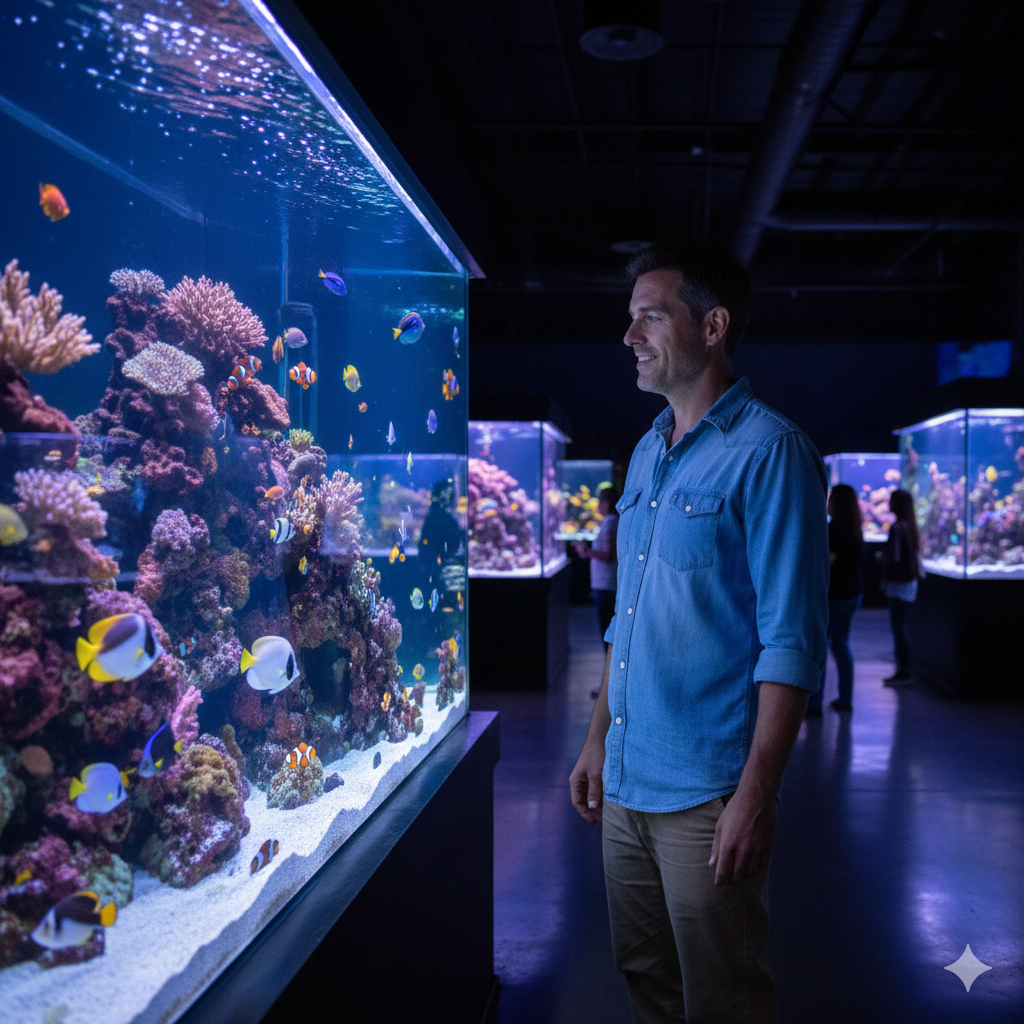
My name is Daniel Carter, I am 35 years old, and I live in the United States. I have been passionate about aquariums for many years, and what started as a simple hobby quickly became a lifelong interest in aquatic life, fish behavior, and responsible tank care.
Through TheBrightLance, I share real experiences, practical knowledge, and honest lessons learned from maintaining different types of aquariums. I enjoy testing equipment, studying fish behavior, improving maintenance routines, and helping beginners avoid common mistakes.
My goal is to make aquarism easier, more ethical, and more enjoyable for everyone — whether you are setting up your very first tank or looking to refine your techniques.