
The Day Everything Shifted: A Behavioral Awakening
For over a decade, my living room has been graced by the presence of a freshwater aquarium, a slice of the Amazon transplanted to sunny Orlando. It’s not just a hobby; it’s a carefully curated ecosystem that I’ve poured countless hours into understanding. I’ve always strived for balance, a harmonious environment where the fish not only survive but thrive. And for years, I thought I had it dialed in.
My tank, a 75-gallon community setup, housed a diverse cast of characters: a school of neon tetras darting like silver needles, a pair of graceful angelfish that ruled with a gentle fin, a few corydoras catfish diligently scavenging the substrate, and a boisterous group of harlequin rasboras adding a splash of orange. Life was, as far as I could tell, predictable. Feeding time was a frenzy of activity, followed by leisurely exploration and occasional squabbles over prime real estate. The water parameters were stable, the plants flourished, and the fish displayed the typical behaviors I had come to expect.
Then came the change. It wasn’t dramatic, not a sudden illness or a catastrophic equipment failure. It was subtle, a gradual shift in the collective behavior of my fish that left me scratching my head and reaching for my research books. What had changed? What environmental factor had been altered to trigger such a noticeable difference in their daily routines?
Unraveling the Mystery: My Initial Suspicions
My first instinct was to check the usual suspects: water quality. I religiously tested the ammonia, nitrite, and nitrate levels, fearing a spike that could be stressing the fish. The results were normal, within the parameters I had meticulously maintained for years. Next, I considered temperature fluctuations. Living in Florida, temperature swings can be unpredictable, but my aquarium heater and chiller worked in tandem to keep the water consistently at 78 degrees Fahrenheit. That ruled out temperature stress.
Could it be a disease? I scrutinized each fish for any signs of illness: clamped fins, labored breathing, white spots, or unusual lethargy. Thankfully, everyone appeared healthy, their scales gleaming, their movements fluid and energetic. I even considered the possibility of stray electrical current in the tank, a rare but potentially deadly issue. I used a multimeter to check for any voltage leaks, but the results were negative.
Frustrated, I started to meticulously log my daily activities around the tank. What I fed them, when I fed them, how much light they received, the timing of water changes – every detail, no matter how insignificant it seemed. After a week of obsessive note-taking, a pattern began to emerge. The only thing that had consistently changed in my routine was the *timing* of my water changes and, crucially, the *duration* of my daily observation periods.
The Routine Disruption: A Simple Explanation?
For years, I had religiously performed my weekly water changes on Sunday mornings. It was a ritual, a calming start to the day. But recently, due to increased work commitments, I had been forced to shift the water changes to different days and times, sometimes even skipping a week altogether. Moreover, my dedicated observation time, usually a solid hour after work, had been fragmented into shorter, less frequent glimpses.
It dawned on me: my fish weren’t reacting to a single, catastrophic event. They were responding to a disruption in their established routine, a subtle but significant change in the predictable rhythm of their lives. They had become accustomed to the consistent influx of fresh water on a particular day, the familiar sounds and vibrations of my presence during their designated observation period.

The Impact of Predictability: More Than Just Comfort
Fish, despite their often-underestimated intelligence, are creatures of habit. In the wild, predictability equates to survival. Consistent food sources, reliable shelter, and the absence of sudden disruptions are all essential for their well-being. In the confined environment of an aquarium, this need for predictability is amplified.
My daily observation periods, I realized, had become more than just a way for me to enjoy my fish. They had become an integral part of their daily routine. My presence, the gentle tapping on the glass as I greeted them, the familiar movements as I adjusted the plants or cleaned the algae – all these subtle cues signaled safety and security. When these routines were disrupted, the fish exhibited noticeable changes in their behavior.
The neon tetras, typically bold and active, became more skittish, hiding among the plants. The angelfish, usually graceful and confident, displayed increased aggression towards each other. The corydoras catfish, normally bustling around the substrate, became less active, spending more time huddled together in a corner. The harlequin rasboras, always eager for a meal, showed a decreased appetite.
This wasn’t just about comfort; it was about stress. The disruption in routine triggered a stress response in the fish, leading to a cascade of behavioral changes. Stress hormones coursed through their bodies, suppressing their immune systems and making them more vulnerable to disease. It was a powerful reminder that even seemingly insignificant changes in our routines can have a profound impact on the delicate balance of an aquarium ecosystem.
Re-Establishing Harmony: A Return to Routine
Armed with this newfound understanding, I set about re-establishing a consistent routine for my fish. I made a conscious effort to schedule my water changes at the same time each week, even if it meant sacrificing other activities. I carved out dedicated observation periods, even if it was just for 15 minutes a day, ensuring that the fish received the familiar cues of my presence. I even started using a specific feeding routine, using the same food at the same time each day.
The results were almost immediate. Within a few days, the neon tetras regained their boldness, schooling actively in the open water. The angelfish resumed their graceful dominance, their aggression subsiding. The corydoras catfish returned to their diligent scavenging, their energy levels restored. The harlequin rasboras eagerly devoured their meals, their appetites returning with a vengeance.
It was a powerful testament to the importance of routine in maintaining the health and well-being of aquarium fish. It also reinforced the crucial role that we, as aquarists, play in shaping the lives of these creatures. We are not just caretakers; we are architects of their environment, responsible for creating a predictable and stress-free world where they can thrive.
Lessons Learned: A Deeper Appreciation
This experience taught me a valuable lesson about the interconnectedness of all things in an aquarium. It’s not just about the water parameters, the lighting, or the food. It’s about the subtle nuances of routine, the unspoken language of habit, and the profound impact that our actions can have on the lives of our fish.
It also deepened my appreciation for the intelligence and sensitivity of these creatures. They are not just decorations in a glass box; they are complex beings with their own unique needs and preferences. They are capable of learning, adapting, and responding to their environment in ways that we are only beginning to understand.

Beyond the Basics: Advanced Routine Considerations
While establishing a consistent routine for water changes, feeding, and observation is crucial, there are other aspects of aquarium management that can benefit from a predictable schedule. Consider these advanced routine considerations to further enhance the well-being of your fish:
Lighting Schedules: Mimicking Natural Cycles
The timing and intensity of your aquarium lighting can have a significant impact on the behavior and health of your fish and plants. Mimicking natural day-night cycles is essential for promoting healthy sleep patterns and preventing stress. I use a timer to automatically turn my aquarium lights on and off at the same time each day, simulating a sunrise and sunset.
Avoid sudden, jarring changes in lighting. If possible, use a dimmer to gradually increase or decrease the light intensity, mimicking the natural progression of dawn and dusk. This will help to reduce stress on your fish and prevent algae blooms.
Plant Maintenance: Predictable Pruning
Regularly pruning your aquarium plants is essential for maintaining a healthy and aesthetically pleasing environment. However, avoid making drastic changes to the plantscape all at once. Instead, establish a routine of trimming and thinning your plants on a consistent schedule, removing only a small amount of foliage at a time. This will minimize stress on your fish and prevent sudden shifts in water chemistry.
Consider the specific needs of your plants when establishing your pruning routine. Some plants grow more quickly than others and require more frequent trimming. Others are more sensitive to pruning and should be handled with care.
Equipment Maintenance: Preventative Care
Regularly maintaining your aquarium equipment is crucial for ensuring its optimal performance and preventing unexpected failures. Establish a routine of cleaning your filter, replacing filter media, and checking the functionality of your heater, chiller, and other equipment on a consistent schedule. This will help to maintain stable water parameters and prevent stress on your fish.
Keep a log of your equipment maintenance activities, noting the date, the type of maintenance performed, and any observations or issues encountered. This will help you to track the performance of your equipment and identify potential problems before they become serious.
The Human Element: Consistency and Commitment
Ultimately, the success of any aquarium routine depends on the consistency and commitment of the aquarist. It’s not enough to simply establish a schedule; you must also adhere to it diligently, even when life gets busy. Your fish are relying on you to provide a stable and predictable environment, and their health and well-being depend on it.
There will be times when you are tempted to skip a water change, postpone a pruning session, or neglect your equipment maintenance. But remember that even seemingly insignificant deviations from your routine can have a significant impact on your fish. Make your aquarium routine a priority, and your fish will reward you with their vibrant colors, playful behavior, and overall health.

The Ethical Aquarist: A Responsibility to Care
Keeping an aquarium is more than just a hobby; it’s a responsibility. We are entrusted with the care of living creatures, and we have a moral obligation to provide them with the best possible environment. This includes not only meeting their basic needs for food, water, and shelter but also creating a predictable and stress-free world where they can thrive.
By understanding the importance of routine and diligently adhering to a consistent schedule, we can significantly improve the lives of our fish. We can reduce their stress, enhance their health, and promote their overall well-being. We can also gain a deeper appreciation for the intelligence and sensitivity of these creatures, and we can learn to see them not just as decorations but as complex and fascinating individuals.
The Future of My Aquarium: Continuous Improvement
My experience with the behavioral changes in my aquarium has inspired me to continue learning and refining my approach to aquarium management. I am constantly seeking new ways to improve the lives of my fish, whether it’s through experimenting with different types of food, optimizing my lighting schedule, or refining my water change routine.
I am also committed to sharing my knowledge and experiences with other aquarists, helping them to avoid common mistakes and create thriving aquarium ecosystems. I believe that by working together, we can raise the standards of aquarium keeping and ensure that all aquarium fish receive the care and attention they deserve.
The journey of an aquarist is a never-ending process of learning, adapting, and growing. There will always be new challenges to overcome, new mysteries to unravel, and new opportunities to improve the lives of our fish. But by embracing this process with enthusiasm and dedication, we can create truly remarkable and rewarding aquarium experiences.

So, the next time you gaze into your aquarium, take a moment to consider the importance of routine. Think about the subtle cues that your fish rely on, the unspoken language of habit, and the profound impact that your actions can have on their lives. By embracing the power of predictability, you can create a truly harmonious and thriving aquarium ecosystem, a testament to the beauty and wonder of the underwater world, right in your own home.
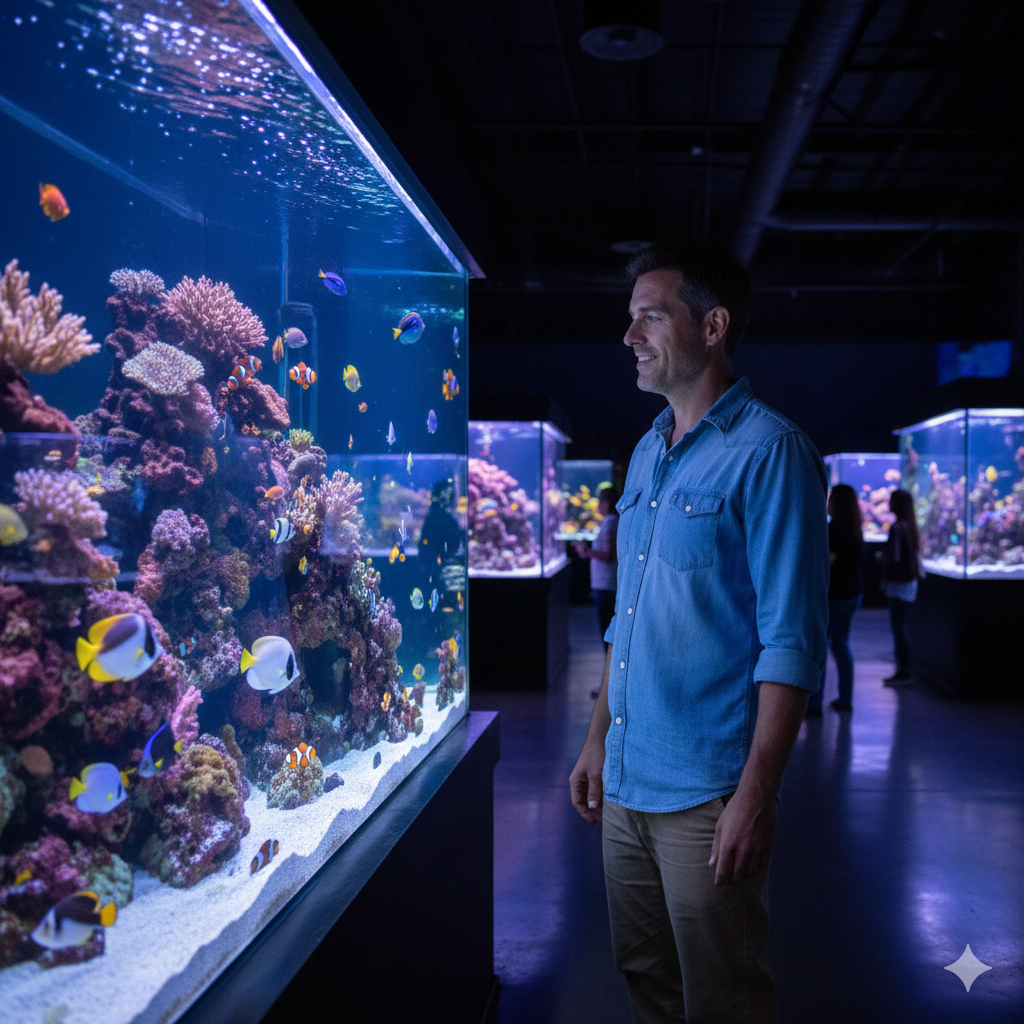
My name is Daniel Carter, I am 35 years old, and I live in the United States. I have been passionate about aquariums for many years, and what started as a simple hobby quickly became a lifelong interest in aquatic life, fish behavior, and responsible tank care.
Through TheBrightLance, I share real experiences, practical knowledge, and honest lessons learned from maintaining different types of aquariums. I enjoy testing equipment, studying fish behavior, improving maintenance routines, and helping beginners avoid common mistakes.
My goal is to make aquarism easier, more ethical, and more enjoyable for everyone — whether you are setting up your very first tank or looking to refine your techniques.