
The Silent Alarms of the Aquarium: My Troubleshooting Journey
Over ten years ago, I plunged headfirst into the mesmerizing world of aquariums. What started as a simple desire to bring a slice of nature into my Orlando apartment quickly evolved into a passionate hobby – and a masterclass in problem-solving. Let me tell you, maintaining a thriving aquatic ecosystem is not always smooth sailing. There are silent alarms that go off, subtle signs that something is amiss beneath the surface. And learning to recognize and address those signs is what separates a novice from a seasoned aquarist. I’ve seen it all, from mysterious algae blooms to baffling fish illnesses, and through it all, I’ve developed a step-by-step troubleshooting approach that has saved my tanks – and my sanity – countless times.
This isn’t just about keeping fish alive; it’s about creating a balanced and healthy environment where they can truly thrive. It’s about understanding the delicate interplay of water chemistry, filtration, and the needs of your aquatic inhabitants. So, grab a cup of coffee (or, you know, some dechlorinated water!), and let’s dive in.
Step 1: The Visual Inspection – More Than Just Pretty Fish
Before you even think about water tests or medication, the first and often most crucial step is a thorough visual inspection. Don’t just glance at your tank; really look at it. Observe every detail, from the behavior of your fish to the condition of your plants and decorations. Think of it as a detective investigating a crime scene – every clue, no matter how small, can be significant.
Fish Behavior: Are They Acting Like Themselves?
Fish are creatures of habit. They establish routines for feeding, swimming, and even resting. Any deviation from their normal behavior should raise a red flag. Are they gasping at the surface, indicating a lack of oxygen? Are they clamped fins, a sign of stress or illness? Are they scratching against objects, suggesting parasites? Are they isolating themselves, a possible indicator of bullying or disease? I remember one time, my usually active neon tetras were huddled together at the bottom of the tank, completely listless. It turned out the heater had malfunctioned, and the water temperature had plummeted overnight. A quick replacement of the heater, and they were back to their shimmering selves within hours. Learn your fish’s “normal” behavior, and you’ll be able to spot problems early on.
Plant Health: Are Your Greens Looking Green?
Healthy plants are not just aesthetically pleasing; they also play a vital role in maintaining water quality. Are your plants growing? Are the leaves turning yellow or brown? Are they covered in algae? Yellowing leaves can indicate a nutrient deficiency, while excessive algae growth can point to an imbalance in lighting or nutrient levels. One time, my Amazon sword started developing brown spots on its leaves. After some research, I realized it was a potassium deficiency. A simple dose of potassium fertilizer, and the plant was thriving again.
Algae: Friend or Foe?
A small amount of algae is normal and even beneficial in an aquarium. However, excessive algae growth can be a sign of underlying problems. Is it green algae, brown algae (diatoms), or black beard algae? Each type of algae thrives under different conditions. Green algae often indicates excessive light or nutrients. Brown algae (diatoms) are common in new tanks or tanks with high silicate levels. Black beard algae is notoriously difficult to eradicate and often indicates poor water circulation or fluctuating CO2 levels. Addressing the root cause of the algae bloom is crucial for long-term control.
Water Clarity: Crystal Clear or Murky Mystery?
Healthy aquarium water should be crystal clear. Cloudy or murky water can indicate a bacterial bloom, excessive particulate matter, or an imbalance in water chemistry. A bacterial bloom often occurs in new tanks as the biological filter is establishing itself. Excessive particulate matter can be caused by overfeeding or inadequate filtration. Persistent cloudiness can also be a sign of hard water or other water chemistry issues. I once had a persistent cloudy water problem that drove me crazy. After trying everything, I discovered that my tap water had unusually high levels of phosphates. Switching to RO water solved the problem almost immediately.

Step 2: Water Chemistry – The Foundation of a Healthy Aquarium
Water chemistry is the cornerstone of a thriving aquarium. Maintaining the correct pH, ammonia, nitrite, and nitrate levels is essential for the health and well-being of your fish and plants. Think of it as the foundation of your aquatic ecosystem – if the foundation is weak, the entire structure will eventually crumble.
The Importance of Testing: Your Aquarium’s Vital Signs
Regular water testing is non-negotiable. It’s like taking your aquarium’s vital signs. You can’t diagnose a problem without knowing the numbers. Invest in a reliable test kit (liquid test kits are generally more accurate than test strips) and test your water regularly. I typically test my water once a week, but you may need to test more frequently if you’re experiencing problems. Keep a log of your test results so you can track trends and identify potential issues early on.
Key Parameters: Understanding the Numbers
Here’s a breakdown of the key water parameters and their ideal ranges for a typical freshwater aquarium:
- pH: A measure of how acidic or alkaline your water is. Most freshwater fish prefer a pH between 6.5 and 7.5.
- Ammonia (NH3): A highly toxic waste product produced by fish. Levels should be 0 ppm.
- Nitrite (NO2): Another toxic waste product produced by bacteria as they break down ammonia. Levels should be 0 ppm.
- Nitrate (NO3): A less toxic waste product produced by bacteria as they break down nitrite. Levels should be below 20 ppm.
High ammonia and nitrite levels indicate a problem with your biological filter. This is often referred to as “new tank syndrome” and occurs when the beneficial bacteria haven’t had a chance to establish themselves yet. High nitrate levels indicate a buildup of waste products and can be addressed with regular water changes.
Addressing Imbalances: Correcting the Course
So, you’ve tested your water and found some imbalances. Now what? Here are some common solutions:
- High Ammonia/Nitrite: Perform frequent water changes (25-50% daily) to dilute the toxins. Add a bacterial supplement to help establish the biological filter. Avoid overfeeding.
- High Nitrate: Perform regular water changes (25-50% weekly). Add more plants to help absorb nitrates. Reduce feeding.
- pH Imbalance: Adjust the pH gradually using commercially available pH adjusters or natural methods like adding driftwood (which lowers pH) or crushed coral (which raises pH). Be careful not to make drastic changes to the pH, as this can stress your fish.
Remember, consistency is key. Don’t chase perfect numbers; focus on maintaining stable and healthy water parameters. A slightly imperfect but stable environment is often better than a constantly fluctuating “perfect” environment.
Step 3: The Filtration Factor – Keeping the Water Clean
Filtration is the lifeblood of your aquarium. It removes waste products, clarifies the water, and provides a habitat for beneficial bacteria. A well-maintained filtration system is essential for a healthy and thriving aquarium. I can’t stress this enough – don’t skimp on your filter!
Types of Filtration: A Multifaceted Approach
There are three main types of filtration: mechanical, chemical, and biological.
- Mechanical Filtration: Removes particulate matter like uneaten food and fish waste. Examples include sponges, filter floss, and gravel vacuuming.
- Chemical Filtration: Removes dissolved pollutants like ammonia, nitrite, and nitrate. Examples include activated carbon, resins, and ammonia-absorbing pads.
- Biological Filtration: Converts harmful ammonia and nitrite into less harmful nitrate using beneficial bacteria. This is the most important type of filtration.
Filter Maintenance: A Routine Ritual
Regular filter maintenance is crucial for optimal performance. Clean your filter media regularly to remove accumulated debris. However, be careful not to over-clean your filter, as this can remove the beneficial bacteria. Rinse your filter media in used aquarium water to avoid killing the bacteria with chlorinated tap water. Replace your filter media as needed. I typically clean my filter every two weeks and replace the filter media every month or two, depending on the type of media.
Troubleshooting Filter Problems: When Things Go Wrong
If your water is cloudy or your water parameters are out of whack, your filter may not be functioning properly. Check the following:
- Is the filter running? Make sure the filter is plugged in and the impeller is spinning.
- Is the filter clogged? Clean the filter media to remove any accumulated debris.
- Is the filter large enough for your tank? A general rule of thumb is to choose a filter that is rated for a tank that is at least twice the size of your aquarium.
One time, I woke up to find my filter completely stopped. After some investigation, I discovered that a small snail had gotten stuck in the impeller. A quick removal of the snail, and the filter was back in action.
Step 4: The Stocking Situation – Are You Overcrowding Your Fish?
Overcrowding is one of the most common mistakes made by beginner aquarists. Too many fish in a small space can lead to poor water quality, increased stress, and disease outbreaks. It’s like trying to cram too many people into a tiny apartment – it’s uncomfortable for everyone involved.
The One-Inch Rule: A General Guideline
The “one-inch rule” is a general guideline that states you should have no more than one inch of fish (measured from nose to tail) per gallon of water. However, this is just a guideline, and it doesn’t apply to all fish. Some fish are more active and require more space. Some fish produce more waste than others. And some fish are territorial and require more space to avoid aggression.
Researching Your Fish: Knowing Their Needs
Before you add any fish to your aquarium, do your research. Learn about their adult size, their temperament, and their specific water parameter requirements. Don’t just buy fish because they look pretty. Make sure you can provide them with the appropriate environment and care. I always tell people, “It’s better to have a few happy fish than a lot of stressed fish.”
Signs of Overcrowding: Recognizing the Symptoms
Here are some signs that your tank may be overcrowded:
- High ammonia, nitrite, or nitrate levels
- Cloudy water
- Aggressive behavior among fish
- Frequent disease outbreaks
Corrective Action: Reducing the Population
If you suspect that your tank is overcrowded, you need to take action. You can either rehome some of your fish or upgrade to a larger tank. Don’t just ignore the problem, as it will only get worse over time.
I once made the mistake of adding too many fish to my tank without realizing it. The water quality deteriorated rapidly, and my fish started getting sick. I learned my lesson the hard way. Now, I’m much more careful about stocking my tanks.
Step 5: Disease Diagnosis and Treatment – Identifying and Addressing Illness
Despite your best efforts, your fish may still get sick from time to time. Identifying the disease early and treating it promptly is crucial for their survival. It’s like catching a cold early – the sooner you treat it, the better your chances of a quick recovery.
Common Fish Diseases: Recognizing the Symptoms
Here are some common fish diseases and their symptoms:
- Ich (White Spot Disease): Small white spots on the body and fins. Fish may scratch against objects.
- Fin Rot: Frayed or ragged fins.
- Fungal Infections: Cotton-like growths on the body.
- Dropsy: Swollen abdomen and protruding scales.
Quarantine Tank: A Hospital for Fish
A quarantine tank is a small, separate tank that you use to isolate sick or injured fish. This prevents the disease from spreading to your other fish and allows you to treat the affected fish more effectively. Every serious aquarist needs a quarantine tank. It’s an essential tool for maintaining a healthy aquarium.
Treatment Options: Choosing the Right Medication
There are many different medications available for treating fish diseases. Be sure to choose a medication that is specifically designed for the disease you are treating. Follow the instructions carefully and monitor your fish closely for any side effects. Always remove activated carbon from your filter before adding medication, as it will absorb the medication and render it ineffective.
Prevention is Key: Maintaining a Healthy Environment
The best way to prevent fish diseases is to maintain a healthy environment. This includes maintaining good water quality, providing a balanced diet, and avoiding overcrowding. A healthy fish is a resilient fish, and it’s less likely to succumb to disease.

Step 6: The Importance of Regular Maintenance – A Proactive Approach
Troubleshooting aquarium problems is often about fixing things that have already gone wrong. But what if you could prevent many of those problems from occurring in the first place? That’s where regular maintenance comes in. It’s about being proactive, not reactive.
Water Changes: The Cornerstone of a Healthy Tank
Regular water changes are essential for maintaining good water quality. They remove accumulated waste products, replenish essential minerals, and help to keep your water parameters stable. I typically perform a 25-50% water change once a week. Use a gravel vacuum to remove debris from the substrate. Always dechlorinate your tap water before adding it to your aquarium.
Gravel Vacuuming: Cleaning the Substrate
Gravel vacuuming is an important part of water changes. It removes accumulated debris from the substrate, preventing the buildup of harmful bacteria and toxins. Gently stir the gravel with the vacuum to release any trapped debris. Be careful not to disturb the plant roots.
Equipment Maintenance: Keeping Things Running Smoothly
Regularly inspect and maintain your aquarium equipment. Clean your filter, check your heater, and inspect your lighting. Replace any worn or damaged parts. Proper equipment maintenance will help to ensure that your aquarium is running smoothly and efficiently.
The Long-Term Benefits: A Thriving Ecosystem
Regular maintenance may seem like a chore, but it’s an investment in the long-term health and beauty of your aquarium. A well-maintained aquarium is a thriving ecosystem, a source of endless enjoyment and relaxation. And that, my friends, is worth every minute of effort.
I remember when I first started, I neglected regular maintenance. The water quality deteriorated, my fish got sick, and I was constantly battling problems. It was a frustrating and discouraging experience. But once I started implementing a consistent maintenance routine, everything changed. My fish became healthier, the water became clearer, and the aquarium became a source of joy, not stress. It was a game-changer.
Beyond the Basics: Advanced Troubleshooting Techniques
While the steps outlined above will cover the vast majority of aquarium problems, sometimes you need to dig a little deeper and employ some advanced troubleshooting techniques. These are the methods I’ve picked up over the years that have helped me solve some truly perplexing issues.
Understanding the Nitrogen Cycle in Depth
The nitrogen cycle is the process by which beneficial bacteria convert harmful ammonia and nitrite into less harmful nitrate. A thorough understanding of the nitrogen cycle is crucial for maintaining a healthy aquarium. Learn about the different types of bacteria involved, the factors that affect their growth, and how to troubleshoot problems with the nitrogen cycle. This knowledge can be invaluable when dealing with persistent water quality issues.
Reverse Osmosis (RO) Water: A Clean Slate
Reverse osmosis (RO) water is highly purified water that is free of minerals, chlorine, and other contaminants. Using RO water can be beneficial in certain situations, such as when your tap water has high levels of phosphates or other undesirable substances. It allows you to start with a “clean slate” and create the ideal water chemistry for your fish and plants. However, RO water is devoid of essential minerals, so you’ll need to add them back in using a remineralizing product.
CO2 Injection: Boosting Plant Growth
CO2 injection is the process of adding carbon dioxide (CO2) to your aquarium water. CO2 is essential for plant growth, and injecting CO2 can significantly boost the growth and health of your plants. However, CO2 injection can also be tricky to manage, and it’s important to monitor your CO2 levels carefully to avoid harming your fish. This is generally for more advanced planted tanks, but it can be a game-changer for those looking to create a lush, vibrant aquascape.
Substrate Choice: The Foundation of Your Aquascape
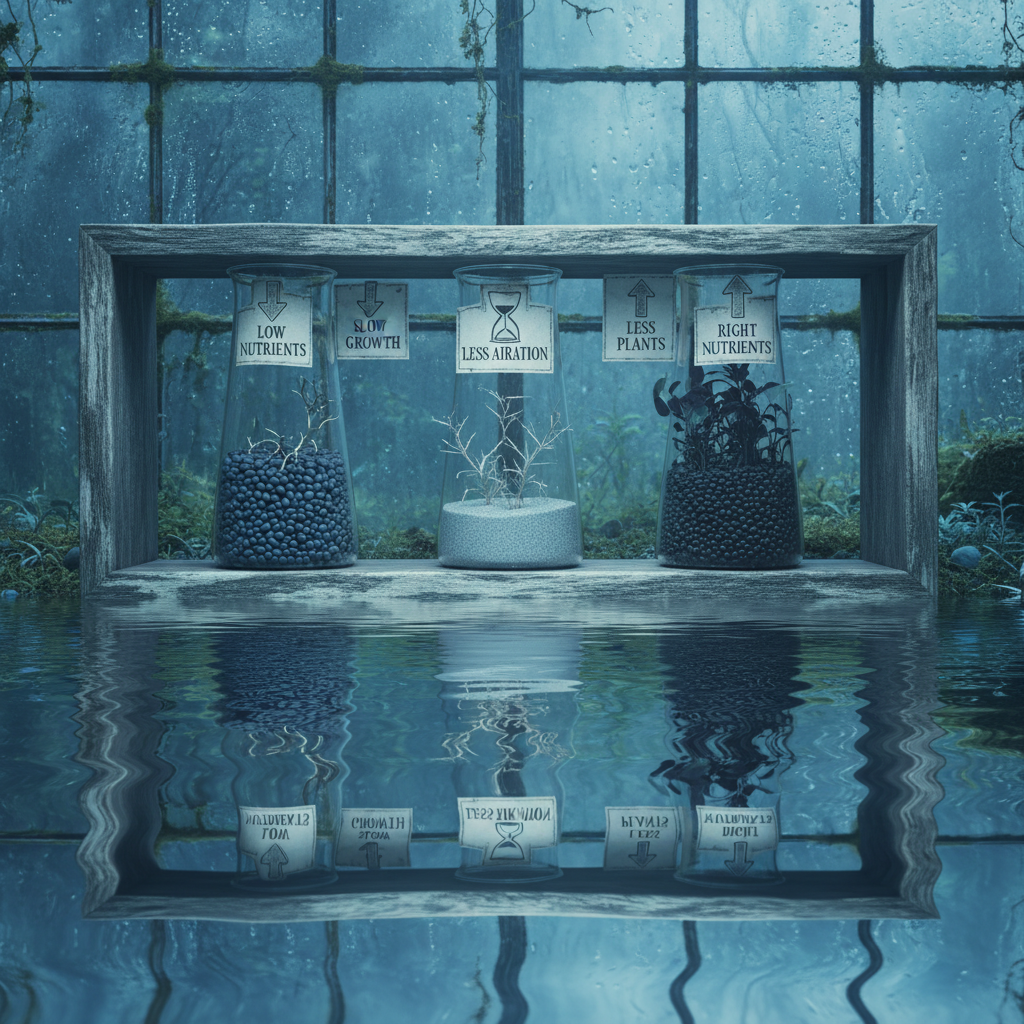
The type of substrate you choose can have a significant impact on the health of your aquarium. Some substrates, like gravel, are inert and don’t affect water chemistry. Other substrates, like aquasoil, can release nutrients into the water and lower the pH. Choose a substrate that is appropriate for the types of fish and plants you are keeping. Consider the long-term implications of your substrate choice, as replacing it can be a major undertaking.
Final Thoughts: The Never-Ending Learning Curve
Keeping an aquarium is a journey, not a destination. There will always be new challenges to overcome, new things to learn. Don’t be afraid to experiment, to make mistakes, and to ask for help. The aquarium hobby is full of passionate and knowledgeable people who are always willing to share their experiences. The key is to stay curious, to stay engaged, and to never stop learning. And remember, even the most experienced aquarists face problems from time to time. The important thing is to learn from those problems and to use them as an opportunity to grow. So, keep your water clean, your fish happy, and your passion alive. And who knows, maybe one day you’ll be the one sharing your troubleshooting tips with a new generation of aquarists. After all, the best way to learn is by doing, and the best way to improve is by never giving up.
My name is Daniel Carter, I am 35 years old, and I live in the United States. I have been passionate about aquariums for many years, and what started as a simple hobby quickly became a lifelong interest in aquatic life, fish behavior, and responsible tank care.
Through TheBrightLance, I share real experiences, practical knowledge, and honest lessons learned from maintaining different types of aquariums. I enjoy testing equipment, studying fish behavior, improving maintenance routines, and helping beginners avoid common mistakes.
My goal is to make aquarism easier, more ethical, and more enjoyable for everyone — whether you are setting up your very first tank or looking to refine your techniques.