
The Zen of Tank Keeping: My Stress-Free Approach to Aquarium Maintenance
Hey everyone, Lucas here. For over a decade, my living room has been graced by the tranquil beauty of a freshwater aquarium. It’s more than just a hobby for me; it’s a slice of nature indoors, a constant source of relaxation, and a fascinating ecosystem to observe. But let’s be honest, the idea of aquarium maintenance can be daunting for many. I’ve seen so many beginners get overwhelmed, feeling like they’re constantly battling algae, sick fish, or cloudy water. I’ve been there too!
The truth is, aquarium maintenance doesn’t have to be a chore. It shouldn’t be a source of stress for you or, most importantly, for your fish. Over the years, I’ve developed a system that works for me, a routine that keeps my tank healthy and vibrant without turning my life upside down. I call it my “Zen of Tank Keeping,” and I’m excited to share it with you.
The Secret? Proactive Prevention, Not Reactive Panic
The biggest mistake I see new aquarists make is waiting for problems to arise before taking action. Algae bloom? Time for harsh chemicals! Fish looking lethargic? Let’s bombard them with antibiotics! This reactive approach not only stresses the fish but also disrupts the delicate balance of the aquarium ecosystem. My philosophy is simple: prevent problems before they even have a chance to surface.
Think of it like this: you wouldn’t wait until you have a cavity to start brushing your teeth, right? Similarly, regular, preventative maintenance is the key to a healthy and stress-free aquarium. This involves consistent water changes, careful feeding habits, proper filtration, and a keen eye for early warning signs. It’s all about creating a stable and thriving environment where your fish can flourish.
Water Changes: The Lifeblood of Your Aquarium
If there’s one thing I could drill into the minds of every new aquarist, it’s the importance of regular water changes. Seriously, this is the single most effective thing you can do to maintain a healthy aquarium. Water changes remove accumulated nitrates, replenish essential minerals, and help keep the water clean and clear. Think of it as a mini-reset for your tank.
Now, I know what you’re thinking: “Water changes sound like a lot of work!” And I understand that sentiment. When I first started, I dreaded water changes. I’d make a huge mess, spill water everywhere, and end up feeling more stressed than relaxed. But over time, I’ve streamlined my process to make it quick, easy, and even enjoyable.
My Simple Water Change Routine
My water change routine is simple and effective. I perform a 25% water change every week. Consistency is key here. I find that sticking to a regular schedule helps prevent the buildup of harmful substances in the water. Here’s how I do it:
- Gather your supplies: You’ll need a bucket, a siphon (also known as a gravel vacuum), and dechlorinated water. I use a Python water changer, which connects directly to my faucet and makes the process even easier, but a simple siphon works just fine.
- Siphon the gravel: This is where the magic happens. Gently insert the siphon into the gravel and move it around to suck up any debris, uneaten food, and fish waste. Be careful not to disturb the plants too much. The siphon will also remove some of the old water in the process.
- Remove the appropriate amount of water: For a 25% water change, remove about a quarter of the tank’s water volume. I usually mark a line on my bucket to make it easier to gauge.
- Add dechlorinated water: This is crucial. Tap water contains chlorine and chloramine, which are harmful to fish. Always use a water conditioner to dechlorinate the water before adding it to your tank. I usually let the new water sit for a few minutes after adding the dechlorinator before pouring it into the tank.
- Monitor your fish: After the water change, keep an eye on your fish for any signs of stress. They should be swimming normally and displaying their usual behavior.
It’s important to match the temperature of the new water to the temperature of the aquarium water as closely as possible. Drastic temperature changes can stress your fish and make them susceptible to disease. I use a thermometer to ensure that the new water is within a degree or two of the tank water.
I’ve seen some aquarists advocate for larger water changes, like 50% or even more. While these can be beneficial in certain situations, such as when dealing with a sudden ammonia spike, I generally prefer smaller, more frequent water changes. I find that this is less stressful for the fish and helps maintain a more stable environment in the tank. Plus, smaller water changes are just easier to manage on a weekly basis.

Feeding Frenzy or Folly? Mastering the Art of Feeding
Overfeeding is another common mistake that I see beginners make. It’s tempting to shower your fish with food, especially when they’re eagerly swimming to the surface. But uneaten food quickly decomposes, leading to poor water quality, algae blooms, and potential health problems for your fish. Remember, a hungry fish is a healthy fish.
I feed my fish once a day, and I only give them as much food as they can consume in about two minutes. I use a high-quality flake food as a staple, supplemented with occasional treats like frozen bloodworms or brine shrimp. These treats provide essential nutrients and help keep my fish happy and healthy. Variety is the spice of life, even for fish!
My Feeding Strategy: Less is More
My feeding strategy is simple: less is more. I’d rather underfeed my fish than overfeed them. I also fast them one day a week. This gives their digestive systems a break and helps prevent the buildup of waste in the tank. Don’t worry, they won’t starve! Fish can go for several days without food without any ill effects.
I’ve also found that observing my fish closely during feeding time is a great way to monitor their health. If a fish is not eating, it could be a sign of illness. Early detection is key to treating many fish diseases successfully. So pay attention to your fish and learn their individual behaviors.
One thing I learned the hard way is to avoid feeding my fish live food that I’ve collected myself from local ponds or streams. While it might seem like a natural and nutritious option, it can also introduce parasites and diseases into your aquarium. It’s much safer to stick with commercially available live or frozen foods that have been properly sterilized.
Filter Fundamentals: Keeping Your Water Crystal Clear
A good filter is essential for maintaining a healthy aquarium. It removes debris, uneaten food, and fish waste from the water, keeping it clean and clear. There are many different types of filters available, each with its own pros and cons. I personally prefer a hang-on-back (HOB) filter for my main tank. They’re easy to install, relatively inexpensive, and provide excellent filtration.
The filter media is the heart of your filtration system. It’s where the beneficial bacteria live that break down harmful ammonia and nitrites into less toxic nitrates. There are three main types of filter media: mechanical, chemical, and biological. Mechanical filtration removes particulate matter, chemical filtration removes dissolved pollutants, and biological filtration removes ammonia and nitrites.
My Filtration Setup: A Balanced Approach
My filtration setup consists of a combination of mechanical, chemical, and biological filtration. I use a sponge filter for mechanical filtration, activated carbon for chemical filtration, and ceramic rings for biological filtration. I clean the sponge filter regularly to remove accumulated debris. I replace the activated carbon every month, and I rarely clean the ceramic rings, as this would disrupt the beneficial bacteria colony.
I avoid over-cleaning my filter. It’s tempting to scrub everything clean, but this will kill off the beneficial bacteria that are essential for maintaining a healthy aquarium. I usually just rinse the filter media in used aquarium water to remove any debris. Never use soap or detergents, as these are toxic to fish.
The size of your filter should be appropriate for the size of your tank. A good rule of thumb is to choose a filter that can turn over the entire volume of your tank at least four times per hour. For example, if you have a 20-gallon tank, you should choose a filter that can pump at least 80 gallons per hour.

The Algae Apocalypse: Winning the Green Battle
Algae is the bane of many aquarists’ existence. It can quickly turn a beautiful aquarium into a murky, green swamp. While a small amount of algae is normal and even beneficial, excessive algae growth can be unsightly and can even harm your fish. Fortunately, there are several things you can do to control algae growth in your aquarium.
The most important thing is to control the nutrients that algae need to grow. This means reducing the amount of light, nitrates, and phosphates in your tank. Avoid placing your aquarium in direct sunlight. Perform regular water changes to reduce nitrate levels. And use a phosphate remover if your tap water has high phosphate levels.
My Algae Control Arsenal: A Multi-Pronged Approach
My algae control arsenal consists of a multi-pronged approach: regular water changes, proper lighting, algae-eating fish, and manual removal. I perform weekly water changes to reduce nitrate levels. I use a timer to control the amount of light my tank receives. I have a few algae-eating fish, such as Siamese algae eaters and Otocinclus catfish, to help keep the algae in check. And I manually remove any algae that I see with a scraper or algae pad.
I’ve found that using a magnetic algae cleaner is a really convenient way to remove algae from the glass without having to get my hands wet. There are also various algae control products available on the market, but I generally avoid using these unless absolutely necessary. Many of these products contain harsh chemicals that can be harmful to fish and invertebrates.
Remember that patience is key when it comes to controlling algae. It may take some time to find the right balance in your tank. Don’t get discouraged if you don’t see results immediately. Just keep up with your maintenance routine and eventually you’ll win the battle against the green stuff.
Fishy First Aid: Recognizing and Treating Common Ailments
Even with the best care, fish can sometimes get sick. Recognizing the signs of illness early is crucial for successful treatment. Some common signs of illness include lethargy, loss of appetite, clamped fins, cloudy eyes, and white spots on the body. If you notice any of these signs, it’s important to take action immediately.
The first thing I do when I suspect a fish is sick is to isolate it in a quarantine tank. This prevents the disease from spreading to the other fish in the main tank. I then carefully observe the fish to determine the cause of the illness. Once I’ve identified the problem, I can begin treatment.
My Fish First Aid Kit: Essentials for a Quick Recovery
My fish first aid kit contains a variety of medications for treating common fish diseases. I have medications for treating ich, fin rot, fungal infections, and parasitic infections. I also have a water conditioner, aquarium salt, and a thermometer. I always follow the instructions on the medication label carefully and I never use expired medications.
I’ve learned that prevention is always better than cure. Maintaining good water quality, providing a balanced diet, and avoiding overcrowding are the best ways to prevent fish diseases. Regular water changes are especially important, as they help to remove harmful bacteria and parasites from the water. Stress is also a major factor in fish diseases. Minimizing stress by providing a stable environment and avoiding sudden changes in water parameters can help to keep your fish healthy.
Consulting with a veterinarian who specializes in aquatic animals is always a good idea if you’re unsure about how to treat a particular fish disease. They can provide accurate diagnoses and recommend appropriate treatments. There are also many online resources available, but it’s important to make sure that the information you’re getting is accurate and reliable.

Plant Power: The Natural Benefits of Live Plants
Adding live plants to your aquarium is one of the best things you can do for your fish and for the overall health of your tank. Plants provide oxygen, remove nitrates, and provide hiding places for fish. They also add a natural beauty to your aquarium that can’t be matched by artificial decorations.
There are many different types of aquarium plants available, each with its own unique requirements. Some plants require high light and CO2 injection, while others are more low-maintenance and can thrive in almost any aquarium. I prefer to stick with easy-to-grow plants like Java fern, Anubias, and Amazon sword. These plants are hardy, adaptable, and don’t require a lot of special care.
My Planted Tank Philosophy: Simple and Sustainable
My planted tank philosophy is simple and sustainable. I don’t use any fancy substrates or fertilizers. I just use regular aquarium gravel and rely on fish waste and occasional liquid fertilizer to provide nutrients for the plants. I also avoid trimming the plants too often, as this can stress them and slow down their growth.
I’ve found that using root tabs is a great way to provide nutrients to plants that are rooted in the substrate. These are small tablets that you insert into the gravel near the roots of the plants. They slowly release nutrients over time, providing a steady supply of food for the plants.
One of the biggest benefits of live plants is their ability to help control algae growth. Plants compete with algae for nutrients, which can help to prevent algae blooms. Plants also produce substances that inhibit algae growth. So, adding live plants to your aquarium is a natural and effective way to keep algae under control.
Choosing the right plants for your aquarium is important. Consider the size of your tank, the lighting conditions, and the needs of your fish. Some fish will eat certain types of plants, so it’s important to choose plants that are not toxic to your fish and that are sturdy enough to withstand being nibbled on.
The Long Game: Patience and Observation are Key
Maintaining a healthy and stress-free aquarium is a long-term commitment. It takes time, patience, and observation. Don’t expect to see results overnight. It may take several weeks or even months to establish a stable and thriving ecosystem in your tank. But the rewards are well worth the effort.
The most important thing is to be observant. Pay attention to your fish, your plants, and your water parameters. Learn to recognize the signs of stress and illness. And be prepared to adjust your maintenance routine as needed. Every aquarium is different, so what works for one tank may not work for another.
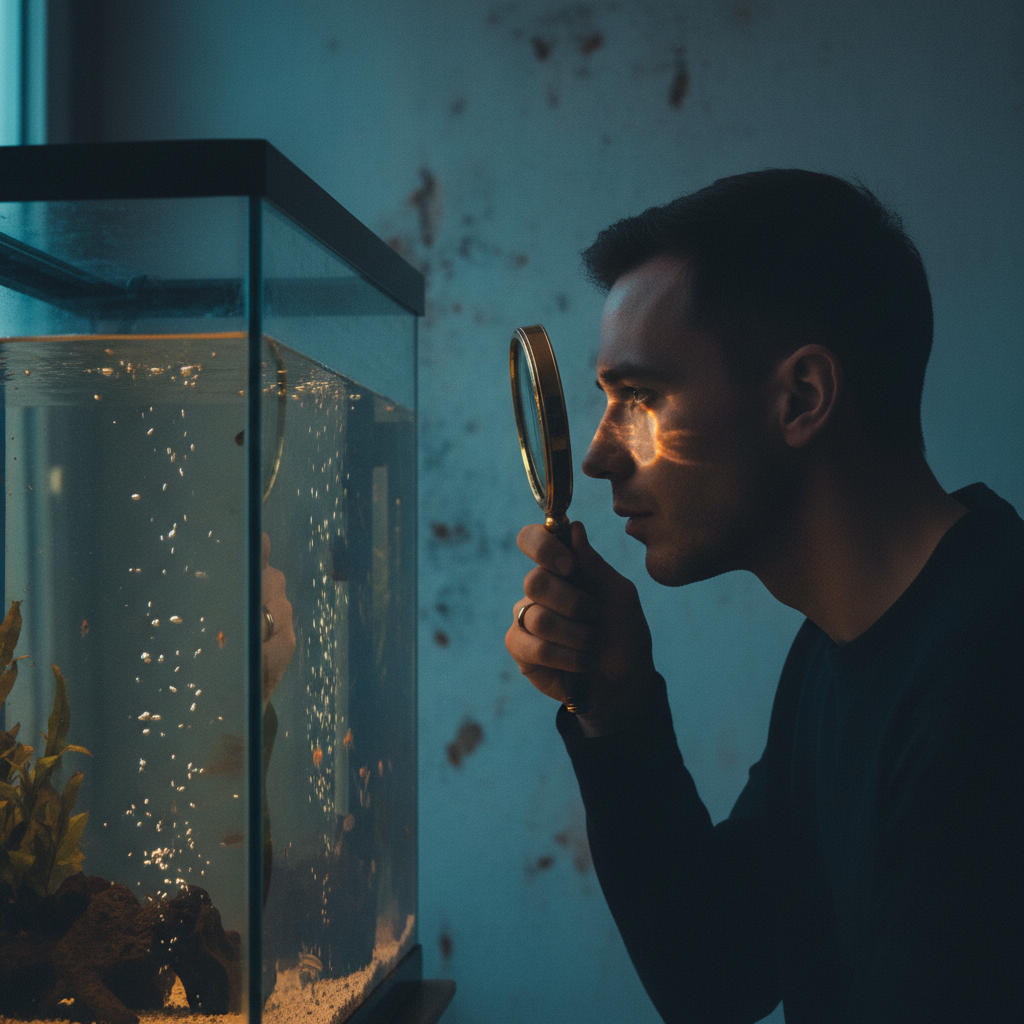
I’ve made plenty of mistakes over the years, but I’ve learned from them. I’ve learned that consistency is key, that less is often more, and that patience is a virtue. And most importantly, I’ve learned that aquarium keeping is not just a hobby, it’s a way of life. It’s a way to connect with nature, to relax and de-stress, and to create a beautiful and fascinating world in your own home.
So, take a deep breath, relax, and enjoy the journey. The Zen of Tank Keeping is waiting for you. And remember, your fish will thank you for it.
My name is Daniel Carter, I am 35 years old, and I live in the United States. I have been passionate about aquariums for many years, and what started as a simple hobby quickly became a lifelong interest in aquatic life, fish behavior, and responsible tank care.
Through TheBrightLance, I share real experiences, practical knowledge, and honest lessons learned from maintaining different types of aquariums. I enjoy testing equipment, studying fish behavior, improving maintenance routines, and helping beginners avoid common mistakes.
My goal is to make aquarism easier, more ethical, and more enjoyable for everyone — whether you are setting up your very first tank or looking to refine your techniques.