
The Silent Scream: Understanding Fish Stress
For years, I considered myself a pretty decent aquarist. My tanks looked clean, the water parameters were always within acceptable ranges, and I fed my fish regularly. I thought I was providing them with a good life. But then, one day, I realized I was missing something crucial: I wasn’t truly seeing my fish. I wasn’t understanding their behavior beyond the basic eat-swim-sleep routine. I was blind to the subtle signs of stress that they were displaying every single day.
It started with my prized betta, “Finnegan.” He was a stunning, vibrant blue when I first got him. But gradually, his colors faded, his fins began to look ragged, and he spent more and more time hiding behind the filter. I chalked it up to old age, maybe a touch of fin rot. I treated him with some medication, which seemed to help temporarily, but the problems always returned. It wasn’t until I started researching fish behavior in depth that I realized Finnegan wasn’t just sick; he was deeply stressed.
That realization hit me hard. I felt like a negligent pet owner. I had been so focused on the technical aspects of aquarium keeping – the pH levels, the water changes, the temperature – that I had completely overlooked the emotional well-being of my fish. It was a wake-up call that transformed my approach to the hobby.
Why Fish Get Stressed (and Why It Matters)
Before we dive into the specific signs of stress, it’s important to understand why fish get stressed in the first place. Many factors can contribute, and often it’s a combination of issues that leads to a decline in their health and happiness.
Poor Water Quality: The Unseen Threat
This is the most common culprit, and it’s often the easiest to overlook. We might think our water is clean because it looks clear, but that’s not always the case. Ammonia, nitrite, and nitrate levels can build up quickly, especially in smaller tanks or those with inadequate filtration. These toxins are invisible to the naked eye, but they can wreak havoc on a fish’s delicate system. Think of it like living in a room filled with invisible fumes – you might not see them, but you’d definitely feel the effects over time.
I learned this lesson the hard way early on. I had a ten-gallon tank that I thought was perfectly maintained. I did regular water changes, but I wasn’t testing the water parameters as often as I should have. One day, I noticed my neon tetras were gasping at the surface. I tested the water and discovered the ammonia levels were off the charts! A quick water change and some extra filtration saved them, but it was a close call. Now, I test my water at least twice a week, and I’ve invested in a high-quality water testing kit.
Overcrowding: A Tiny Space, Big Problems
Putting too many fish in a tank is a recipe for disaster. Overcrowding leads to increased waste production, which in turn degrades water quality. It also creates competition for resources like food and territory, leading to aggression and stress. Imagine being crammed into a crowded subway car every day – it’s not exactly a relaxing experience, is it?
I once tried to squeeze a few extra guppies into my already crowded community tank. I thought, “What’s a few more?” Big mistake. The existing fish became territorial, and the new guppies were constantly harassed. The stress eventually led to disease outbreaks, and I lost several fish before I learned my lesson. Now, I’m very careful about stocking levels, and I always research the specific needs of each species before adding them to my tank.
Incompatible Tank Mates: Bullying and Harassment
Not all fish get along. Some species are naturally aggressive and will bully or harass more peaceful fish. Others have different environmental needs, such as temperature or pH, that can make them incompatible. It’s crucial to research the temperament and requirements of each species before introducing them to the same tank. It’s like trying to force a cat and a dog to be best friends – it rarely works out well.
I once put a group of tiger barbs in with my angelfish, thinking they would coexist peacefully. I was wrong. The tiger barbs were relentless fin nippers, and they constantly harassed the angelfish, stressing them out to the point where they stopped eating. I had to separate them immediately. It was a reminder that even seemingly harmless fish can cause problems if they’re not a good fit for the community.

Lack of Hiding Places: No Escape from the World
Fish need places to retreat to when they feel threatened or stressed. Without adequate hiding places, they can become anxious and insecure. Rocks, caves, plants, and driftwood all provide shelter and a sense of security. Think of it like having a safe room in your house where you can go to relax and escape the noise and chaos of the outside world.
When I first started out, I focused more on aesthetics than functionality. My tanks looked pretty, but they didn’t offer much in the way of hiding places for the fish. I noticed that my shy fish, like my corydoras catfish, spent most of their time hiding behind the filter. Once I added more plants and caves, they became much more active and confident. Now, I make sure every fish in my tank has plenty of places to hide and feel safe.
Sudden Changes: Shock to the System
Fish are sensitive to sudden changes in their environment, such as temperature fluctuations, drastic water changes, or sudden shifts in lighting. These changes can disrupt their delicate balance and cause stress. It’s like being suddenly thrown into a different time zone – it takes time to adjust.
I learned this lesson during a power outage. My tank temperature dropped significantly, and when the power came back on, I didn’t acclimate the fish properly. The sudden change in temperature shocked them, and several of them developed ich, a common parasitic infection. Now, I have a battery-powered air pump and a plan for dealing with power outages to minimize stress on my fish.
Decoding the Signals: Recognizing Stress in Fish
Now that we understand the common causes of stress, let’s talk about how to recognize it. Fish can’t tell us they’re stressed, so we have to learn to read their behavior and physical appearance. It requires careful observation and a willingness to learn their individual personalities.
Changes in Behavior: A Shift in the Norm
One of the first signs of stress is a change in behavior. This can manifest in several ways:
- Hiding: A fish that suddenly spends more time hiding than usual is likely stressed. This is especially true for fish that are typically active and social.
- Lethargy: A stressed fish may become sluggish and unresponsive, spending most of its time sitting on the bottom of the tank or near the surface.
- Erratic Swimming: Darting around the tank, rubbing against objects, or swimming in circles can all be signs of stress or illness.
- Loss of Appetite: A fish that refuses to eat or spits out its food is likely stressed or sick.
- Aggression: While some fish are naturally aggressive, a sudden increase in aggression can be a sign of stress or territorial disputes.
I had a peaceful community tank where everyone got along swimmingly, until one day my normally docile gourami started chasing the other fish relentlessly. I couldn’t figure out what was wrong. After observing him closely, I realized he was being bullied by a newly introduced, larger fish. Removing the bully immediately restored peace to the tank and the gourami returned to his normal, placid self.
Physical Symptoms: The Body Speaks Volumes
In addition to behavioral changes, stressed fish may also exhibit physical symptoms:
- Clamped Fins: This is a classic sign of stress. The fins are held close to the body instead of being extended and flowing freely.
- Faded Colors: Stress can cause fish to lose their vibrant colors, appearing dull or washed out.
- Increased Respiration: Gasping at the surface or rapid gill movement can indicate poor water quality or a lack of oxygen.
- White Spots or Patches: These can be signs of parasitic infections like ich or fungal infections, which are often triggered by stress.
- Bulging Eyes: This can be a sign of internal bacterial infections, which are more likely to occur in stressed fish.
- Wounds or Injuries: These can be caused by aggression from other fish or by rubbing against rough surfaces in the tank.
My betta, Finnegan, as I mentioned earlier, exhibited almost all of these symptoms. His colors faded, his fins were clamped, and he spent most of his time hiding. It was a clear indication that he was deeply unhappy with his environment.
Subtle Cues: Paying Attention to the Details
Sometimes, the signs of stress are subtle and easy to miss. That’s why it’s so important to observe your fish regularly and pay attention to the details:
- Changes in Scale Appearance: Are the scales raised or uneven? This could signal dropsy or another internal issue.
- Cloudy Eyes: This could indicate a bacterial infection or injury.
- Unusual Swimming Patterns: Is the fish swimming upside down or sideways? This could be a sign of swim bladder disorder.
- Spinal Deformities: While some deformities are genetic, others can be caused by poor water quality or nutritional deficiencies.
I remember one time I noticed a slight swelling on one of my corydoras catfish. It was barely noticeable, but it was enough to trigger my alarm bells. I isolated the fish and treated it with antibiotics, and it made a full recovery. If I hadn’t been paying close attention, I might have missed it, and the infection could have spread to the rest of the tank.

The Road to Recovery: Relieving Stress and Restoring Balance
Once you’ve identified the signs of stress in your fish, the next step is to take action to relieve that stress and restore balance to their environment. This may involve addressing water quality issues, adjusting stocking levels, providing more hiding places, or separating incompatible tank mates.
Water Quality: The Foundation of a Healthy Aquarium
Improving water quality is often the first and most important step in relieving stress. This involves:
- Regular Water Changes: Perform regular water changes to remove accumulated toxins and replenish essential minerals. The frequency and amount of water changed will depend on the size of your tank and the number of fish you have.
- Proper Filtration: Invest in a high-quality filter that is appropriately sized for your tank. Make sure to clean the filter regularly, but avoid replacing all the filter media at once, as this can disrupt the beneficial bacteria colony.
- Testing Water Parameters: Regularly test your water for ammonia, nitrite, and nitrate levels. This will help you identify potential problems before they become serious.
- Using Water Conditioners: Use a water conditioner to remove chlorine and chloramine from tap water before adding it to your tank.
When I realized Finnegan was stressed, the first thing I did was a large water change and tested the water parameters. I discovered the nitrate levels were elevated, indicating that my filtration wasn’t adequate. I upgraded my filter and started doing more frequent water changes, and within a few weeks, Finnegan’s condition started to improve.
Aquarium Stocking: Less is Often More
If your tank is overcrowded, you’ll need to reduce the number of fish. This may involve rehoming some of your fish to a larger tank or giving them away to other aquarists. Remember, it’s better to have fewer, healthy fish than a crowded tank full of stressed and sick fish.
After my guppy overcrowding incident, I learned to be much more conservative with my stocking levels. I now use online calculators to determine the appropriate number of fish for my tank size, and I always err on the side of caution. It’s made a huge difference in the overall health and happiness of my fish.
Tankmate Compatibility: Keeping the Peace
If you have incompatible tank mates, you’ll need to separate them. This may involve setting up a separate tank for the aggressive fish or rehoming them to someone who has a more suitable environment. The key is to create a peaceful and harmonious community where all the fish can thrive.
The tiger barb and angelfish fiasco taught me a valuable lesson about researching fish compatibility. Now, before I introduce any new fish to my tank, I spend hours researching their temperament, their environmental needs, and their potential compatibility with my existing fish. It’s saved me a lot of headaches and heartache.
Creating a Comfortable Environment: The Importance of Decor
Providing plenty of hiding places and creating a comfortable environment can significantly reduce stress in fish. This involves:
- Adding Plants: Live plants not only provide hiding places but also help to oxygenate the water and remove toxins.
- Using Rocks and Driftwood: These can create natural-looking caves and crevices where fish can retreat.
- Providing Substrate: Choose a substrate that is appropriate for your fish. Some fish prefer sand, while others prefer gravel.
- Adjusting Lighting: Provide appropriate lighting for your fish. Some fish prefer bright light, while others prefer dim light.
I completely revamped Finnegan’s tank, adding live plants, driftwood, and a small cave. I also dimmed the lights and reduced the water flow. Within a few days, he started exploring his new environment and his colors began to return. It was amazing to see how much of a difference a comfortable environment could make.
Quarantine: Preventing the Spread of Stress-Related Illness
Any time you introduce new fish to your tank, it’s crucial to quarantine them for several weeks. This allows you to observe them for signs of illness and prevent the spread of disease to your existing fish. A quarantine tank should be set up with the same water parameters as your main tank and should include a filter, heater, and air pump.
I used to skip the quarantine process, thinking it was unnecessary. But after a few devastating disease outbreaks, I learned my lesson. Now, I quarantine every new fish for at least four weeks before introducing them to my main tank. It’s a small price to pay for the peace of mind and the health of my fish.

The Long Game: Maintaining a Stress-Free Aquarium
Relieving stress is just the first step. The real challenge is maintaining a stress-free aquarium over the long term. This requires ongoing vigilance and a commitment to providing your fish with the best possible care.
Regular Maintenance: The Key to Consistency
Regular maintenance is essential for keeping your aquarium healthy and stable. This involves:
- Weekly Water Changes: Perform regular water changes to maintain water quality.
- Filter Cleaning: Clean your filter regularly to remove accumulated debris.
- Gravel Vacuuming: Vacuum the gravel to remove uneaten food and waste.
- Algae Control: Remove algae from the glass and decorations.
- Plant Trimming: Trim your plants as needed to prevent them from overgrowing the tank.
I’ve developed a weekly maintenance routine that I stick to religiously. It includes water changes, filter cleaning, gravel vacuuming, and algae control. It takes a little time, but it’s well worth it for the health and happiness of my fish.
Careful Observation: Catching Problems Early
Continue to observe your fish regularly for any signs of stress or illness. The sooner you catch a problem, the easier it will be to resolve.
I make it a point to spend at least a few minutes each day just watching my fish. I observe their behavior, their physical appearance, and their interactions with each other. It’s a relaxing way to unwind, and it allows me to catch potential problems early on.
Continuous Learning: Staying Up-to-Date
The aquarium hobby is constantly evolving, with new products, techniques, and information emerging all the time. Stay up-to-date by reading books, articles, and online forums. Attend local aquarium club meetings and talk to other aquarists. The more you learn, the better equipped you’ll be to provide your fish with the best possible care.
I’m always learning new things about aquarium keeping. I subscribe to several aquarium magazines, I follow online forums, and I attend local aquarium club meetings. It’s a fascinating hobby, and there’s always something new to discover.
Remembering Finnegan: A Legacy of Learning
Finnegan, my stressed betta, eventually recovered and lived a long and happy life. His experience taught me a valuable lesson about the importance of understanding fish behavior and recognizing the signs of stress. It transformed my approach to aquarium keeping and made me a much more responsible and compassionate aquarist.

Beyond the Basics: The Ethical Aquarist
Ultimately, learning to recognize and address stress in aquarium fish is about more than just keeping them alive. It’s about providing them with a life worth living. It’s about recognizing that they are sentient beings with complex needs and emotions. It’s about being an ethical aquarist.
The aquarium hobby is not just a pastime; it’s a responsibility. We are entrusting ourselves with the care of living creatures, and we have a moral obligation to provide them with the best possible environment. This means doing our research, providing proper care, and being mindful of their well-being. It means seeing beyond the pretty colors and recognizing the silent screams of a stressed fish.
So, the next time you look at your aquarium, take a moment to truly see your fish. Observe their behavior, their physical appearance, and their interactions with each other. Are they happy and healthy? Are they thriving in their environment? Or are they silently screaming for help? The answer, my friends, lies in your ability to listen and understand.
I truly believe that by embracing this approach, we can transform the aquarium hobby from a simple pastime into a rewarding and meaningful experience that benefits both us and the fish we keep.
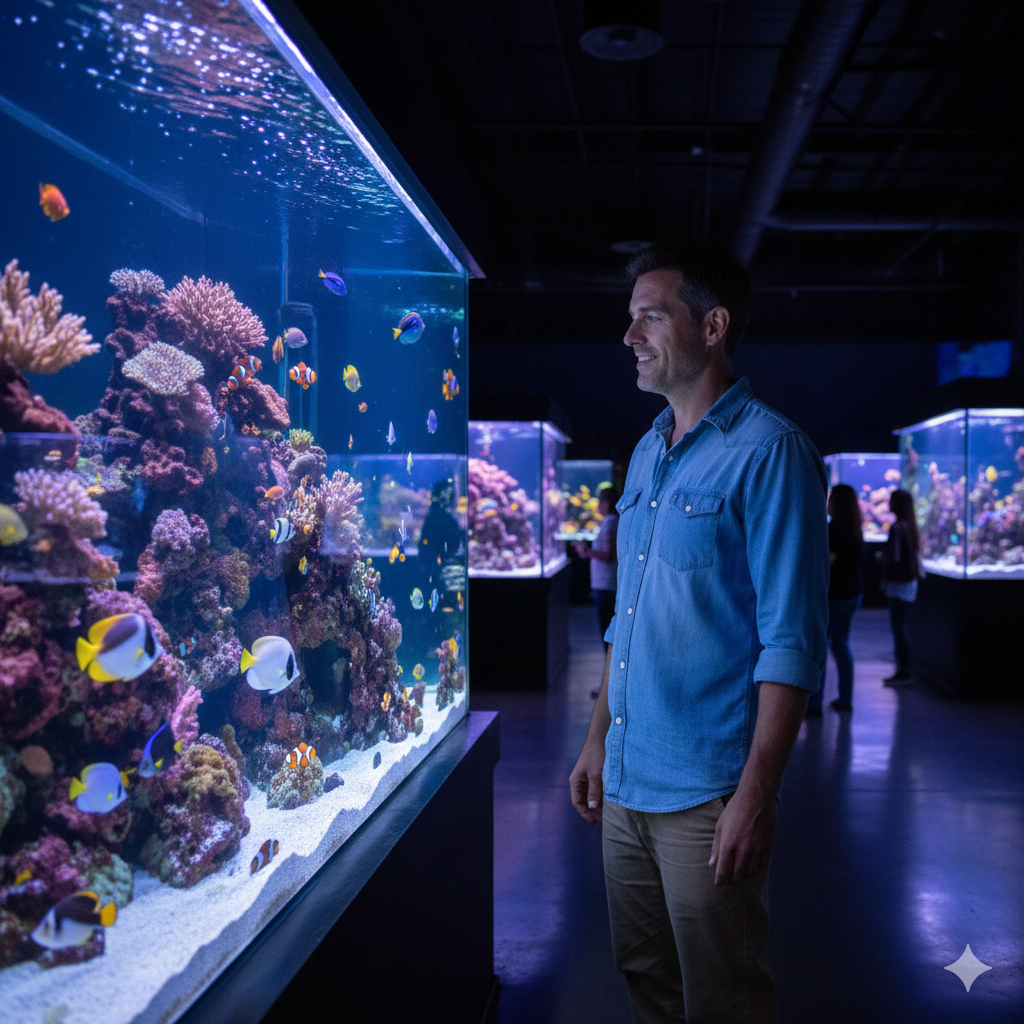
My name is Daniel Carter, I am 35 years old, and I live in the United States. I have been passionate about aquariums for many years, and what started as a simple hobby quickly became a lifelong interest in aquatic life, fish behavior, and responsible tank care.
Through TheBrightLance, I share real experiences, practical knowledge, and honest lessons learned from maintaining different types of aquariums. I enjoy testing equipment, studying fish behavior, improving maintenance routines, and helping beginners avoid common mistakes.
My goal is to make aquarism easier, more ethical, and more enjoyable for everyone — whether you are setting up your very first tank or looking to refine your techniques.