
The Never-Ending Quest for Aquarium Equilibrium
For over a decade, I’ve been captivated by the underwater world I’ve painstakingly crafted within my own home. It started with a simple ten-gallon tank and a handful of neon tetras. Now, my living room is home to a 75-gallon ecosystem teeming with life. And let me tell you, maintaining a balanced aquarium isn’t just a hobby; it’s an art, a science, and a constant learning experience. It’s a dance with nature, where you’re both the choreographer and a participant, and the music never stops.
You see those stunning aquascapes online, the ones that look like meticulously rendered digital art? They’re beautiful, sure. But what those photos often don’t show is the countless hours of work, the frustrating algae blooms, the mysterious fish illnesses, and the endless tweaking it takes to achieve that seemingly effortless balance. It’s not a static state, but a dynamic process. Things are always changing, always shifting. So, how do I keep my aquarium balanced over time? Well, it’s a combination of knowledge, experience, and a healthy dose of patience.
Understanding the Foundation: The Nitrogen Cycle
If there’s one thing every aquarist needs to understand, it’s the nitrogen cycle. This is the biological engine that keeps your tank from becoming a toxic soup. It’s the bedrock upon which a healthy aquarium is built. Think of it as the aquarium’s digestive system, breaking down waste and keeping the water clean.
The Players: Ammonia, Nitrite, and Nitrate
Fish produce waste, and that waste contains ammonia, which is highly toxic to fish. Beneficial bacteria then convert ammonia into nitrite, which is also toxic, albeit less so. Finally, another type of beneficial bacteria converts nitrite into nitrate, which is much less harmful and can be removed through water changes. This entire process is what we call the nitrogen cycle.
Establishing this cycle is crucial when setting up a new tank. It can take several weeks to fully develop, and during this time, you need to be incredibly careful not to overload the system with too many fish or too much food. I typically start with just a few hardy fish and gradually add more as the cycle matures. Regular testing of the water parameters – ammonia, nitrite, and nitrate – is essential to monitor the progress of the cycle. If you see spikes in ammonia or nitrite, it means the beneficial bacteria haven’t caught up yet, and you need to take immediate action, like performing a large water change.
I remember one time, early in my aquarium journey, I was impatient and added too many fish too soon. The ammonia levels skyrocketed, and I lost a few fish before I realized what was happening. It was a painful lesson, but it taught me the importance of patience and understanding the delicate balance of the nitrogen cycle.
Water Changes: The Lifeblood of a Healthy Aquarium
Water changes are non-negotiable. They’re not just about making the water look clear; they’re about removing nitrates, replenishing essential minerals, and maintaining stable water parameters. Think of it as regularly refreshing the environment, preventing the build-up of harmful substances.
Frequency and Volume
The general rule of thumb is to perform a 25-50% water change every one to two weeks. However, the ideal frequency and volume will depend on the size of your tank, the number of fish, and the amount of plants. A heavily planted tank with a light fish load might require less frequent water changes, while a densely populated tank will need more frequent attention. I typically aim for a 30% water change every week in my 75-gallon tank. This seems to strike the right balance for my setup.
It’s important to use dechlorinated water for water changes. Tap water contains chlorine and chloramine, which are toxic to fish and beneficial bacteria. I use a dechlorinator that neutralizes these chemicals before adding the water to the tank. Temperature matching is also crucial. Adding water that’s significantly colder or warmer than the tank water can stress the fish and even shock them. I usually let the new water sit for a few hours to reach the same temperature as the tank water before adding it.

The Gravel Vacuum: Your Best Friend
While performing water changes, I also use a gravel vacuum to clean the substrate. This removes uneaten food, fish waste, and other debris that can accumulate at the bottom of the tank. A clean substrate helps to prevent the build-up of harmful bacteria and keeps the water cleaner for longer. The gravel vacuum is simple to use: just insert the tube into the gravel and let the water flow siphon the debris away. Be careful not to disturb the roots of your plants too much.
Feeding: Less is More
Overfeeding is one of the most common mistakes new aquarists make. Fish will often eat whatever you give them, even if they’re not hungry. Uneaten food decomposes and contributes to the build-up of ammonia and other harmful substances. It’s better to underfeed your fish than to overfeed them. A good rule of thumb is to only feed them as much as they can eat in two to three minutes. I feed my fish once a day, usually in the morning. I’ve found that this keeps them healthy and prevents overfeeding.
Variety is the Spice of Life
Just like us, fish need a balanced diet to stay healthy. I feed my fish a variety of foods, including flake food, pellets, frozen food, and live food. Flake food is a good staple, but it’s important to supplement it with other foods that provide essential nutrients. Frozen food, such as bloodworms and brine shrimp, is a great source of protein. Live food, such as daphnia and microworms, can be a fun treat for your fish and can also help to stimulate their natural hunting instincts. I try to rotate the foods I give my fish to ensure they’re getting a well-rounded diet.
I also make sure to choose foods that are appropriate for the size and species of my fish. Small fish need smaller food particles, while larger fish can handle larger pieces. Some fish are herbivores and need a diet that’s rich in plant matter, while others are carnivores and need a diet that’s high in protein. Doing your research and understanding the dietary needs of your fish is crucial for their health and well-being.
Lighting: Illuminating the Path to Balance
Lighting plays a vital role in the health of your aquarium. It affects plant growth, fish behavior, and even the appearance of your tank. Choosing the right lighting can be tricky, as there are many different options available. The key is to find a balance that provides enough light for your plants to thrive without promoting excessive algae growth.
Spectrum and Intensity
The spectrum of light refers to the colors of light that are emitted. Plants need a specific spectrum of light to photosynthesize effectively. Look for lights that emit a full spectrum of light, including red, blue, and green wavelengths. The intensity of light refers to the amount of light that is emitted. Plants need a certain intensity of light to thrive. However, too much light can promote algae growth. I typically use a moderate intensity light for my planted tank.
The duration of light is also important. Plants need a consistent photoperiod, or period of light exposure, to thrive. I typically keep my lights on for 8-10 hours a day. Using a timer is essential to ensure a consistent photoperiod. Inconsistent lighting can stress your plants and promote algae growth.
I’ve experimented with different types of lighting over the years, from fluorescent bulbs to LED lights. I’ve found that LED lights are the most energy-efficient and provide the best spectrum of light for my plants. They also last much longer than fluorescent bulbs, which saves me money in the long run.
Planting: Nature’s Filtration System
Plants are not just decorative; they’re an integral part of a healthy aquarium ecosystem. They absorb nitrates, produce oxygen, and provide shelter for fish. A well-planted tank is a beautiful and self-sustaining ecosystem.
Choosing the Right Plants
Not all plants are created equal. Some plants are easy to grow, while others are more demanding. Some plants need high light and CO2, while others can thrive in low-tech setups. Choosing the right plants for your tank is crucial for success. I typically recommend starting with easy-to-grow plants like Java fern, Anubias, and Amazon sword. These plants are hardy and can tolerate a wide range of conditions. As you gain experience, you can experiment with more demanding plants.
The placement of plants is also important. Taller plants should be placed in the background of the tank, while shorter plants should be placed in the foreground. This creates a sense of depth and makes the tank look more natural. Plants can also be used to create hiding places for fish. Fish feel more secure when they have places to retreat to, and this reduces stress. I try to create a variety of hiding places in my tank using plants, rocks, and driftwood.

Substrate and Fertilization
The substrate is the material that covers the bottom of the tank. It provides a place for plant roots to anchor and also serves as a habitat for beneficial bacteria. There are many different types of substrates available, including gravel, sand, and aquasoil. Aquasoil is a nutrient-rich substrate that’s ideal for planted tanks. It provides plants with the nutrients they need to grow and thrive. However, aquasoil can also be more expensive than gravel or sand.
Even with a nutrient-rich substrate, plants may still need additional fertilization. Liquid fertilizers can be added to the water column to provide plants with essential nutrients. Root tabs can be inserted into the substrate to provide plants with nutrients directly at their roots. The type and amount of fertilizer you need will depend on the type of plants you have and the intensity of your lighting. I typically use a combination of liquid fertilizers and root tabs in my planted tank.
Algae Control: Winning the Green War
Algae is the bane of every aquarist’s existence. It can quickly turn a beautiful tank into a green, slimy mess. While some algae is normal and even beneficial, excessive algae growth can be a sign of an imbalance in the tank.
Causes and Prevention
Algae growth is typically caused by an excess of nutrients, light, or both. Overfeeding, infrequent water changes, and excessive lighting can all contribute to algae growth. Preventing algae growth is much easier than getting rid of it once it’s established. Regular water changes, proper feeding, and appropriate lighting are all essential for preventing algae growth.
There are also several ways to control algae growth naturally. Algae-eating fish, such as Siamese algae eaters and Otocinclus catfish, can help to keep algae under control. Algae-eating snails, such as Nerite snails, can also be effective. Plants can also help to control algae growth by competing with algae for nutrients. I have a small army of algae-eating fish and snails in my tank that help to keep algae under control.
If you’re struggling with a severe algae outbreak, you may need to resort to chemical treatments. However, these should be used as a last resort, as they can be harmful to fish and plants. Always follow the instructions carefully and use the lowest possible dose.
Quarantine: Protecting Your Aquatic Family
Adding new fish to your aquarium can be exciting, but it can also be risky. New fish can carry diseases or parasites that can infect your existing fish. Quarantine is the practice of isolating new fish in a separate tank for several weeks to observe them for signs of illness.
The Quarantine Tank Setup
A quarantine tank doesn’t need to be fancy. A simple ten-gallon tank with a filter, heater, and air stone is sufficient. The tank should be cycled before adding any fish. I typically keep my quarantine tank running all the time, so it’s ready whenever I need it.
When you bring home new fish, place them in the quarantine tank and observe them for at least two to four weeks. Look for signs of illness, such as clamped fins, lethargy, loss of appetite, or unusual spots or growths. If you notice any signs of illness, treat the fish accordingly. Don’t add the new fish to your main tank until you’re sure they’re healthy.

Quarantine is a simple but effective way to protect your existing fish from disease. It’s a small investment of time and effort that can save you a lot of heartache in the long run. I learned this the hard way, after introducing a fish that infected my entire tank with ich. It was a nightmare, and I lost several fish before I was able to get the outbreak under control. Now, I never skip the quarantine process.
Observation: The Keen Eye of the Aquarist
One of the most important things you can do to keep your aquarium balanced is to observe your fish and plants regularly. Pay attention to their behavior, appearance, and overall health. The sooner you notice a problem, the easier it will be to fix.
Daily Check-ups
I typically spend a few minutes each day observing my tank. I look for signs of illness in my fish, such as clamped fins, lethargy, or unusual spots or growths. I also check to make sure the plants are healthy and growing well. If I notice anything unusual, I take immediate action.
Water parameters are also important to monitor. I test my water regularly for ammonia, nitrite, nitrate, pH, and other parameters. This helps me to identify any imbalances in the tank and take corrective action. There are many different test kits available, from simple dip strips to more sophisticated liquid test kits. I prefer to use liquid test kits, as they’re more accurate.
Keeping a journal can also be helpful. Record the date, the water parameters, the fish’s behavior, and any other observations. This can help you to track changes in the tank over time and identify potential problems before they become serious.
Patience: The Ultimate Virtue
Maintaining a balanced aquarium takes time, effort, and patience. There will be setbacks along the way. Algae blooms, fish illnesses, and unexpected problems are all part of the hobby. Don’t get discouraged. Learn from your mistakes and keep trying. The rewards of a healthy and thriving aquarium are well worth the effort.
I’ve had my share of challenges over the years. I’ve battled algae blooms, dealt with fish diseases, and even had a tank crack and leak all over my floor. But through it all, I’ve learned a lot about aquariums and about myself. I’ve learned that patience is key, that observation is crucial, and that a little bit of knowledge can go a long way.
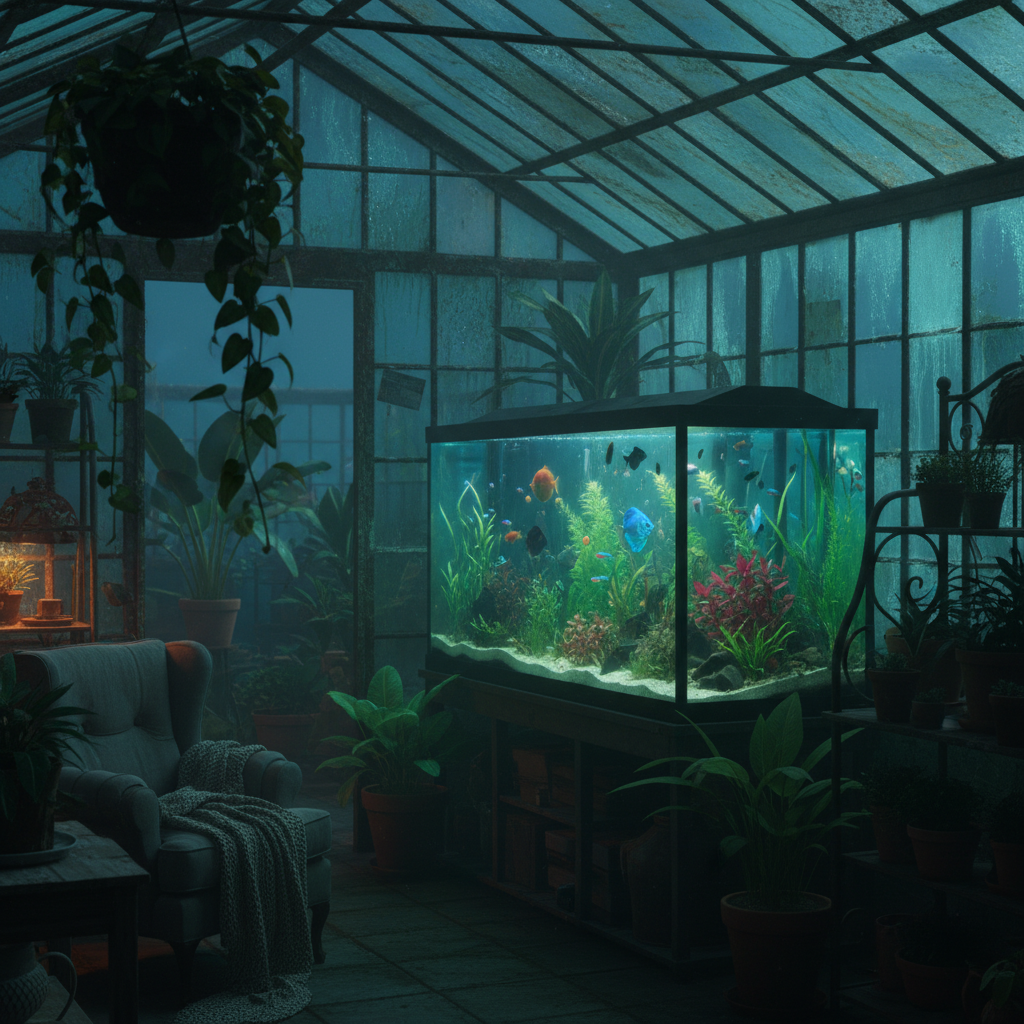
So, how do I keep my aquarium balanced over time? It’s a holistic approach. It’s about understanding the nitrogen cycle, performing regular water changes, feeding my fish a balanced diet, providing them with the right lighting, planting the tank with healthy plants, controlling algae growth, quarantining new fish, observing the tank regularly, and above all, being patient. It’s not a destination, but a journey. And it’s a journey that I’m still enjoying after all these years. Each little adjustment, each successful plant growth, each healthy fish… they all contribute to the satisfaction of creating and maintaining a little slice of underwater paradise right here in Orlando.
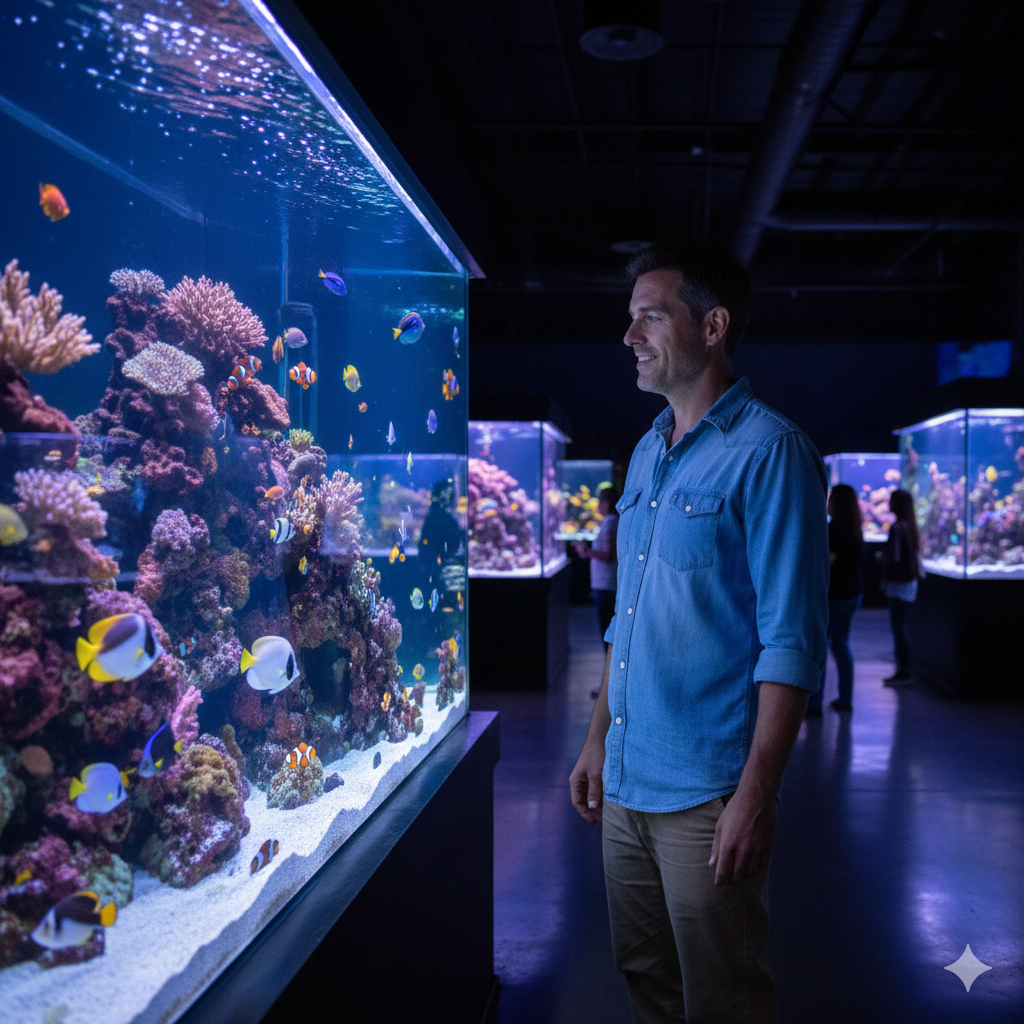
My name is Daniel Carter, I am 35 years old, and I live in the United States. I have been passionate about aquariums for many years, and what started as a simple hobby quickly became a lifelong interest in aquatic life, fish behavior, and responsible tank care.
Through TheBrightLance, I share real experiences, practical knowledge, and honest lessons learned from maintaining different types of aquariums. I enjoy testing equipment, studying fish behavior, improving maintenance routines, and helping beginners avoid common mistakes.
My goal is to make aquarism easier, more ethical, and more enjoyable for everyone — whether you are setting up your very first tank or looking to refine your techniques.