
The Murky Truth: My Aquarium Water Woes
Let me tell you, there’s nothing quite as disheartening as gazing into your aquarium and seeing… soup. Not the clear, inviting kind, but the kind that makes you question every decision you’ve ever made regarding fishkeeping. I’ve been there, more times than I care to admit. You carefully select your fish, meticulously aquascape your tank, and then BAM! Cloudy, green, or just plain nasty water throws a wrench into your aquatic paradise. It’s not just an aesthetic issue; it’s a sign that something is fundamentally wrong, and your fish are potentially suffering.
My journey into the aquarium hobby started over a decade ago, full of naive enthusiasm and a complete lack of understanding of the delicate balance within these glass boxes. I remember my first tank vividly – a 20-gallon community setup. I was so excited, I bought a bunch of fish, threw in some plastic plants (shudder), and thought I was done. A week later, the water was a milky white, and my fish were gasping at the surface. That was my rude awakening. Over the years, I’ve battled every water quality issue imaginable: algae blooms, bacterial infections, ammonia spikes, and pH crashes. Each problem taught me something valuable, and through trial and (lots of) error, I’ve learned how to prevent and fix these issues. I want to share those hard-earned lessons with you, so you can avoid the same mistakes I made.
Understanding the Culprits: What Causes Water Quality Problems?
Before we dive into solutions, it’s crucial to understand the root causes of poor water quality. Think of your aquarium as a tiny, self-contained ecosystem. Everything is interconnected, and imbalances can quickly lead to problems. Here are some of the most common culprits:
- Overfeeding: This is probably the number one mistake new aquarists make. Uneaten food decomposes, releasing ammonia, nitrites, and nitrates into the water. These are toxic to fish, even in small amounts.
- Overcrowding: Too many fish in a small space means more waste, which translates to higher levels of ammonia and other harmful substances.
- Insufficient Filtration: Your filter is the heart of your aquarium. It removes debris, toxins, and excess nutrients. An inadequate or poorly maintained filter simply can’t do its job.
- Lack of Water Changes: Regular water changes are essential for removing accumulated nitrates and replenishing essential minerals.
- Poor Substrate Maintenance: Debris and uneaten food can accumulate in the substrate (gravel or sand), creating anaerobic pockets that release harmful gases.
- Algae Blooms: Excessive nutrients (often caused by overfeeding or too much light) can fuel algae growth, turning your water green or brown.
- Dead or Decaying Organic Matter: Dead plants, uneaten food, and even dead fish can significantly impact water quality.
It’s a complex web of factors, but understanding these basics is the first step towards achieving crystal-clear water and a thriving aquarium.
My Battle with the Green Monster: Conquering Algae Blooms

Oh, algae. The bane of every aquarist’s existence. I’ve waged war on algae in all its forms: green water algae, hair algae, brown algae, even the dreaded black beard algae. Green water algae, or phytoplankton blooms, are particularly frustrating because they turn your water a pea-soup green, completely obscuring the view of your fish. I remember one particularly bad bloom that hit my 75-gallon tank. I tried everything – algae eaters, chemical treatments, even blacking out the tank for several days. Nothing seemed to work!
Finally, after much research and experimentation, I discovered a multi-pronged approach that finally conquered the green monster:
- UV Sterilizer: This was the game-changer. A UV sterilizer kills algae cells as they pass through it, effectively clearing the water. It’s an investment, but well worth it if you struggle with green water algae. I installed a UV sterilizer on my 75-gallon tank, and within a week, the water was crystal clear.
- Reduced Lighting: Algae thrives on light. I reduced the photoperiod (the amount of time the lights are on) to 6-8 hours per day. I also switched to a lower-wattage LED light fixture.
- Improved Filtration: I upgraded my filter to a canister filter with a higher flow rate and more mechanical and biological filtration capacity. This helped to remove excess nutrients that were fueling the algae growth.
- Water Changes: I performed frequent water changes (25% every other day) to further reduce nutrient levels.
- Nutrient Control: I started using a liquid fertilizer specifically designed for planted aquariums, but I drastically reduced the dosage to prevent nutrient imbalances. I also made sure to remove any dead leaves or decaying organic matter promptly.
The key is to address the underlying cause of the algae bloom, not just treat the symptoms. In my case, it was a combination of excessive light, inadequate filtration, and nutrient imbalances. Once I corrected these issues, the algae bloom disappeared and hasn’t returned since.
Dealing with Cloudy Water: Bacterial Blooms and More
Cloudy water can be caused by several factors, but one of the most common is a bacterial bloom. This occurs when there’s a sudden increase in the population of heterotrophic bacteria in the water. These bacteria feed on organic matter, and when there’s an abundance of food (often due to overfeeding or a new tank setup), they multiply rapidly, causing the water to turn cloudy.
I experienced a particularly stubborn bacterial bloom in a new 40-gallon breeder tank I was setting up. I had added too much fish food to start the nitrogen cycle, and the water turned a milky white within a few days. Here’s how I tackled it:
- Patience: Bacterial blooms usually resolve themselves within a week or two as the bacterial population stabilizes. The most important thing is to avoid making drastic changes that could further disrupt the ecosystem.
- Water Changes: I performed small water changes (10-15% every other day) to help remove excess organic matter and improve water clarity.
- Reduced Feeding: I stopped adding any additional food to the tank until the water cleared up.
- Increased Aeration: Bacteria consume oxygen, so I added an air stone to increase aeration and ensure the fish had enough oxygen.
- Avoided Chemical Treatments: I resisted the urge to use chemical treatments, as these can often do more harm than good by disrupting the beneficial bacteria in the filter.
In addition to bacterial blooms, cloudy water can also be caused by particulate matter, such as dust, sediment, or suspended solids. In these cases, improving your mechanical filtration is usually the best solution. Adding a filter floss or polishing pad to your filter can help to remove these particles and clear up the water.
The Importance of the Nitrogen Cycle: Your Aquarium’s Lifeline
Understanding the nitrogen cycle is absolutely fundamental to maintaining healthy water quality in your aquarium. It’s the natural process that breaks down harmful waste products and converts them into less toxic substances. Here’s a simplified breakdown:
- Ammonia (NH3/NH4+): Fish produce ammonia as a waste product. Ammonia is highly toxic to fish, even in small amounts.
- Nitrite (NO2-): Beneficial bacteria convert ammonia into nitrite. Nitrite is also toxic to fish, although less so than ammonia.
- Nitrate (NO3-): Another type of beneficial bacteria converts nitrite into nitrate. Nitrate is relatively non-toxic to fish, but it can still accumulate to harmful levels over time.
The goal is to establish a stable population of these beneficial bacteria in your filter so they can continuously break down ammonia and nitrite. This process is called “cycling” the tank. When you first set up a new aquarium, it’s crucial to cycle the tank before adding any fish. This can be done in several ways, but the most common is to add a small amount of ammonia to the tank each day and monitor the water parameters (ammonia, nitrite, and nitrate) until the ammonia and nitrite levels consistently read zero. This indicates that the beneficial bacteria have established themselves and are effectively converting the waste products.
I’ve made the mistake of adding fish to an uncycled tank before, and the results were disastrous. The ammonia and nitrite levels spiked, and my fish became stressed and sick. I learned my lesson the hard way – patience is key when it comes to cycling a new aquarium. Now, I always cycle my tanks thoroughly before adding any fish, and I regularly monitor the water parameters to ensure the nitrogen cycle is functioning properly.

Regular Water Testing: Your Window into the Aquarium’s Health
Speaking of monitoring water parameters, regular water testing is essential for maintaining healthy water quality. Testing kits are readily available at most pet stores, and they’re relatively easy to use. You should regularly test for ammonia, nitrite, nitrate, and pH. These parameters provide valuable insights into the health of your aquarium and can help you identify potential problems before they become serious.
I typically test my water once a week, and I keep a log of the results so I can track any trends or changes over time. If I notice any significant changes in the water parameters, I’ll investigate further to determine the cause and take corrective action. For example, if the nitrate levels are consistently high, I’ll increase the frequency or volume of my water changes. If the pH is unstable, I’ll look for potential causes, such as decaying organic matter or an imbalance in the buffering capacity of the water.
The Power of Plants: Natural Water Purifiers
Live plants are not only beautiful additions to an aquarium, but they also play a vital role in maintaining water quality. Plants absorb nitrates as nutrients, helping to keep the water clean and clear. They also produce oxygen, which is essential for fish and other aquatic life. In addition, plants provide shelter and hiding places for fish, reducing stress and promoting a more natural environment.
I’m a big advocate for planted aquariums, and I’ve seen firsthand the positive impact they can have on water quality. I’ve experimented with various types of plants over the years, and I’ve found that some are more effective at removing nitrates than others. Some of my favorites include:
- Anacharis (Egeria densa): This is a fast-growing, undemanding plant that’s very effective at removing nitrates.
- Hornwort (Ceratophyllum demersum): Similar to Anacharis, hornwort is a fast-growing, low-maintenance plant that can quickly absorb excess nutrients.
- Water Sprite (Ceratopteris thalictroides): This plant can be grown floating or planted, and it’s a good option for beginners.
- Java Moss (Taxiphyllum barbieri): Java moss is a slow-growing, but very versatile plant that can be attached to rocks, driftwood, or other decorations.
When adding plants to your aquarium, it’s important to choose species that are compatible with your fish and water parameters. Some fish will eat plants, so it’s important to select plants that are not palatable to them. Also, some plants require specific lighting or nutrient levels, so it’s important to do your research before adding them to your tank.
Choosing the Right Filter: The Heart of Your Aquarium
As I mentioned earlier, your filter is the heart of your aquarium. It removes debris, toxins, and excess nutrients, keeping the water clean and healthy. There are several types of filters available, each with its own advantages and disadvantages. The best type of filter for your aquarium will depend on the size of your tank, the number of fish you have, and your personal preferences.
I’ve used various types of filters over the years, including:
- Sponge Filters: These are simple, inexpensive filters that are ideal for small tanks or breeding tanks.
- Hang-on-Back (HOB) Filters: These are popular, versatile filters that hang on the back of the aquarium. They’re easy to install and maintain, and they provide good mechanical and biological filtration.
- Canister Filters: These are more powerful filters that sit outside the aquarium. They offer superior filtration capacity and are ideal for larger tanks or heavily stocked tanks.
- Undergravel Filters: These filters sit beneath the substrate and draw water through the gravel, providing biological filtration. However, they can be difficult to clean and maintain.
No matter what type of filter you choose, it’s important to maintain it properly. This includes cleaning the filter media regularly to remove accumulated debris and replacing the filter media when necessary. A clogged or poorly maintained filter will not be able to effectively remove toxins and excess nutrients, which can lead to water quality problems.

Water Changes: The Simple Solution
Regular water changes are the single most important thing you can do to maintain healthy water quality in your aquarium. Water changes remove accumulated nitrates, replenish essential minerals, and help to maintain a stable pH. I typically perform water changes of 25-50% every 1-2 weeks, depending on the size of my tank and the number of fish I have. The more fish, the more frequent water changes are needed.
When performing a water change, it’s important to use dechlorinated water. Tap water contains chlorine and chloramine, which are toxic to fish and beneficial bacteria. You can dechlorinate tap water by using a water conditioner, which is readily available at most pet stores. Also, it’s important to match the temperature of the new water to the temperature of the aquarium water. Sudden temperature changes can stress fish and make them more susceptible to disease.
I remember one time when I neglected to perform regular water changes on my 30-gallon community tank. The nitrate levels gradually increased over time, and my fish started to show signs of stress. They became lethargic, their colors faded, and they started to develop fin rot. I realized my mistake and immediately performed a large water change. Within a few days, my fish were back to their normal, healthy selves. This experience reinforced the importance of regular water changes and taught me to never neglect this essential aspect of aquarium maintenance.
Substrate Cleaning: Getting Down and Dirty
In addition to water changes, it’s also important to clean the substrate (gravel or sand) regularly. Debris and uneaten food can accumulate in the substrate, creating anaerobic pockets that release harmful gases. A gravel vacuum is a simple and effective tool for cleaning the substrate. A gravel vacuum works by siphoning water and debris from the substrate into a bucket. As you clean the substrate, be careful not to disturb the beneficial bacteria that live there. It’s best to clean only a portion of the substrate at each water change.
I typically clean about one-third of the substrate at each water change. This helps to remove accumulated debris without disrupting the beneficial bacteria too much. I also avoid cleaning the substrate too vigorously, as this can release harmful gases into the water. A gentle, thorough cleaning is usually sufficient.
My Top Tips for Crystal-Clear Water
Over the years, I’ve learned a lot about maintaining healthy water quality in my aquariums. Here are some of my top tips for achieving crystal-clear water:
- Don’t Overfeed: Feed your fish only what they can consume in a few minutes. Remove any uneaten food promptly.
- Don’t Overcrowd: Choose fish that are appropriate for the size of your tank. Avoid overcrowding, as this can lead to increased waste production and water quality problems.
- Maintain Your Filter: Clean your filter regularly and replace the filter media when necessary.
- Perform Regular Water Changes: Perform water changes of 25-50% every 1-2 weeks.
- Clean the Substrate: Clean the substrate regularly with a gravel vacuum.
- Add Live Plants: Live plants help to remove nitrates and produce oxygen.
- Test Your Water Regularly: Test your water regularly for ammonia, nitrite, nitrate, and pH.
- Be Patient: Don’t expect to achieve crystal-clear water overnight. It takes time and effort to establish a healthy aquarium ecosystem.

Maintaining healthy water quality in your aquarium is an ongoing process, but it’s well worth the effort. A clean, healthy aquarium is a beautiful and rewarding addition to any home. By following these tips, you can create a thriving aquatic ecosystem that you and your fish can enjoy for years to come. Remember, every tank is different, so be patient, observant, and willing to experiment to find what works best for your particular setup. Happy fishkeeping!
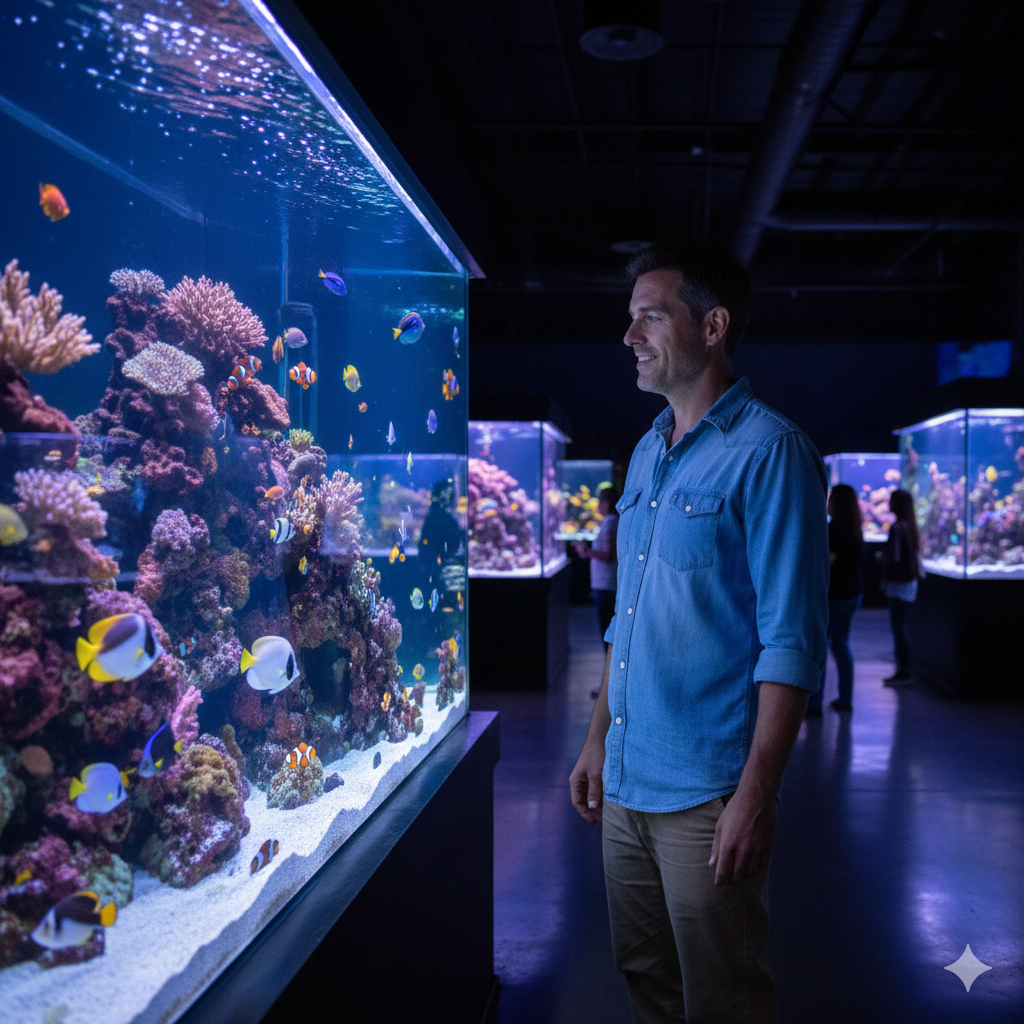
My name is Daniel Carter, I am 35 years old, and I live in the United States. I have been passionate about aquariums for many years, and what started as a simple hobby quickly became a lifelong interest in aquatic life, fish behavior, and responsible tank care.
Through TheBrightLance, I share real experiences, practical knowledge, and honest lessons learned from maintaining different types of aquariums. I enjoy testing equipment, studying fish behavior, improving maintenance routines, and helping beginners avoid common mistakes.
My goal is to make aquarism easier, more ethical, and more enjoyable for everyone — whether you are setting up your very first tank or looking to refine your techniques.