
Understanding Fish Behavior: A Window to Aquarium Health
As an aquarist for over a decade now, I’ve learned that keeping fish isn’t just about filling a glass box with water and tossing in some flakes. It’s about creating a thriving ecosystem. And one of the most fascinating aspects of maintaining a healthy aquarium is observing the behavior of its inhabitants. Fish, believe it or not, are incredibly communicative creatures, and their actions can tell you a lot about the state of their environment. More than any test kit or fancy gadget, the fish themselves are often the best indicator of how things are really going in your tank. It’s taken me years to fully appreciate this, and I’ve definitely learned some hard lessons along the way. But I’m hoping that by sharing my experiences, I can help other aquarists avoid some of the pitfalls I’ve encountered.
Think of your aquarium as a miniature world. Every element – the water chemistry, the temperature, the plants, the other inhabitants – plays a crucial role in the well-being of the fish. If something is off balance, the fish will be the first to show it. They’ll exhibit changes in their behavior that, if you know what to look for, can alert you to a problem before it becomes a crisis. I’ve seen firsthand how subtle shifts in fish behavior can be early warning signs of everything from poor water quality to disease outbreaks. And trust me, catching these issues early can save you a lot of heartache – and potentially, the lives of your fish.
The Importance of Observation
The key to understanding fish behavior is simply observation. Spend time watching your fish. Get to know their normal routines, their social interactions, and their individual personalities. Yes, even fish have personalities! Some are shy and retiring, others are bold and inquisitive. Once you have a baseline understanding of what’s “normal” for your fish, you’ll be much better equipped to recognize when something is amiss. I usually spend at least 15-20 minutes each day just observing my tanks. It’s relaxing, and it allows me to spot potential problems before they escalate. Plus, it’s just plain enjoyable to watch these little ecosystems thrive.
Decoding Common Fish Behaviors
So, what specific behaviors should you be looking for? Let’s delve into some common signs of distress and what they might indicate.
Changes in Swimming Patterns
One of the first things I notice when something is wrong is a change in swimming patterns. Healthy fish typically swim with a smooth, purposeful motion. If you see fish hovering near the surface, gasping for air, it’s a strong indicator of low oxygen levels in the water. This could be due to a variety of factors, such as overcrowding, insufficient aeration, or a sudden spike in temperature. I remember one summer when the power went out for several hours during a heatwave. When I finally got the generator running, I found all my fish clustered near the surface, struggling to breathe. A quick water change and the addition of an air stone helped them recover, but it was a close call.
Conversely, fish that are constantly hiding at the bottom of the tank might be stressed or ill. This could be a sign of bullying from other fish, poor water quality, or an underlying disease. In my experience, bottom-dwelling fish like Corydoras catfish are particularly sensitive to changes in water parameters. If I see them acting lethargic or refusing to eat, I immediately check the ammonia and nitrite levels.
Erratic or jerky movements, flashing (rubbing against objects), or spinning can also indicate problems. These behaviors are often associated with parasites or skin irritations. I once introduced a new plant to my tank without properly quarantining it, and within a few days, my fish started exhibiting signs of Ich (white spot disease). The flashing and erratic swimming were clear indicators that something was wrong, and I was able to treat the outbreak before it caused any serious damage.
Changes in Appetite
A healthy appetite is a sign of a healthy fish. If your fish suddenly lose interest in food or start refusing to eat altogether, it’s a red flag. This could be due to stress, illness, or poor water quality. I’ve found that even a small change in the tank’s environment, such as a new decoration or a slight temperature fluctuation, can temporarily affect a fish’s appetite. However, if the lack of appetite persists for more than a day or two, it’s important to investigate further.
On the other hand, excessive feeding can also be a sign of trouble. If your fish are constantly begging for food, even after they’ve been fed, they might not be getting enough nutrients. This could be due to poor-quality food or an underlying health condition that’s preventing them from absorbing nutrients properly. It’s important to choose a high-quality food that’s appropriate for the species you’re keeping, and to avoid overfeeding, which can lead to water quality problems.
Social Interactions
The way fish interact with each other can also provide valuable clues about their health and well-being. Aggression, bullying, and isolation are all signs that something is amiss in the tank. Overcrowding, territorial disputes, and incompatible tank mates can all contribute to these problems. I once tried to keep a Betta fish with a group of long-finned Guppies, thinking it would be a peaceful community tank. I was wrong. The Betta immediately started harassing the Guppies, nipping at their fins and chasing them relentlessly. I quickly realized that the two species were not compatible and had to separate them to prevent further stress and injury.
Conversely, a lack of interaction can also be a concern. If your fish are normally social and active but suddenly become withdrawn and isolated, they might be sick or stressed. This is especially true for schooling fish like Tetras and Rasboras. If you notice one or two individuals isolating themselves from the group, it’s important to observe them closely for other signs of illness.
Water Quality: The Foundation of Fish Health
Water quality is the single most important factor in maintaining a healthy aquarium. Poor water quality can stress fish, weaken their immune systems, and make them more susceptible to disease. Ammonia, nitrite, and nitrate are the three main culprits when it comes to water quality problems. These substances are produced as waste products from fish, uneaten food, and decaying plant matter. In a healthy aquarium, beneficial bacteria convert ammonia into nitrite and then into nitrate, which is less toxic to fish. However, if the biological filter is not functioning properly, ammonia and nitrite levels can rise to dangerous levels, poisoning the fish.
The Nitrogen Cycle
Understanding the nitrogen cycle is essential for any aquarist. The nitrogen cycle is the natural process by which beneficial bacteria break down harmful waste products in the aquarium. When you first set up a new tank, it takes time for these bacteria to colonize the filter and establish a stable biological filter. During this time, ammonia and nitrite levels can fluctuate wildly, creating a toxic environment for fish. This is why it’s so important to cycle a new tank before adding any fish. There are several ways to cycle a tank, but the most common method is to add a small amount of ammonia to the water and monitor the levels daily. Once the ammonia and nitrite levels consistently read zero, the tank is fully cycled and ready for fish.
Regular Water Changes
Even in a fully cycled tank, regular water changes are essential for maintaining good water quality. Water changes help to remove nitrates, replenish essential minerals, and prevent the buildup of harmful substances. I typically perform a 25% water change every week in my tanks. This helps to keep the nitrate levels under control and ensures that the fish have a clean and healthy environment. It’s important to use dechlorinated water for water changes, as chlorine and chloramine are toxic to fish. I use a water conditioner that neutralizes these substances before adding the water to the tank.
Testing Your Water
Regular water testing is crucial for monitoring water quality and identifying potential problems early on. There are a variety of test kits available, ranging from simple dip strips to more sophisticated liquid test kits. I prefer to use liquid test kits, as they tend to be more accurate. I test my water regularly for ammonia, nitrite, nitrate, pH, and alkalinity. These parameters provide a good overall picture of the water quality in my tanks. If I notice any unusual readings, I take immediate action to correct the problem, such as performing a water change or adjusting the filtration.
Common Diseases and Their Behavioral Indicators
Unfortunately, even with the best care, fish can still get sick. Recognizing the signs of common diseases early on can significantly improve the chances of successful treatment.
Ich (White Spot Disease)
Ich is one of the most common diseases in aquarium fish. It’s caused by a parasite that attaches itself to the fish’s skin and gills, causing small white spots to appear. Fish with Ich often exhibit flashing behavior, rubbing against objects in the tank in an attempt to dislodge the parasites. They may also become lethargic, lose their appetite, and have difficulty breathing. I’ve had to deal with Ich outbreaks a few times over the years. I usually treat it with a commercially available Ich medication, following the instructions carefully. It’s also important to raise the temperature of the water slightly, as this can help to kill the parasites.
Fin Rot
Fin rot is a bacterial infection that causes the fins to become frayed, ragged, and discolored. In severe cases, the fins can completely erode away. Fin rot is often caused by poor water quality or stress. Fish with fin rot may become lethargic, lose their appetite, and isolate themselves from the group. I treat fin rot with antibiotics, either in the form of medicated food or a water additive. It’s also important to improve the water quality and reduce stress by performing a water change and addressing any underlying issues in the tank.
Swim Bladder Disease
Swim bladder disease is a condition that affects the fish’s ability to control its buoyancy. Fish with swim bladder disease may swim erratically, float to the surface, sink to the bottom, or have difficulty maintaining their position in the water. Swim bladder disease can be caused by a variety of factors, including constipation, overfeeding, bacterial infections, and congenital defects. Treatment depends on the underlying cause. If the cause is constipation, feeding the fish blanched peas can help to relieve the blockage. If the cause is a bacterial infection, antibiotics may be necessary.
Creating a Stress-Free Environment
Stress is a major contributing factor to fish diseases. A stressed fish is more susceptible to illness and less able to fight off infections. Creating a stress-free environment is essential for maintaining healthy and happy fish.
Tank Size and Overcrowding
Tank size is a critical factor in creating a stress-free environment. Overcrowding can lead to poor water quality, increased aggression, and stunted growth. It’s important to choose a tank that’s appropriately sized for the species you’re keeping and to avoid overcrowding. As a general rule, you should allow at least one gallon of water per inch of adult fish size. However, some species require more space than others. For example, active swimmers like Danios and Tetras need plenty of room to move around, while territorial fish like Cichlids need enough space to establish their own territories.
Tank Mates
Choosing compatible tank mates is also essential for creating a stress-free environment. Some fish are naturally aggressive and should not be kept with smaller, more peaceful species. Others have specific water parameter requirements that may not be compatible with other species. It’s important to research the needs of each species before adding them to the tank. I always recommend observing new fish in a quarantine tank before introducing them to the main aquarium. This allows me to monitor them for signs of illness and ensure that they’re compatible with the other fish.
Hiding Places
Providing plenty of hiding places is crucial for reducing stress in fish. Hiding places give fish a sense of security and allow them to escape from aggression or harassment. Rocks, driftwood, plants, and caves can all serve as hiding places. I like to create a natural-looking environment in my tanks, with plenty of plants and driftwood. This not only provides hiding places for the fish but also helps to improve the water quality and create a more aesthetically pleasing environment.
Lighting
Appropriate lighting is also important for creating a stress-free environment. Fish need a regular day-night cycle to maintain their natural rhythms. Excessive or improper lighting can stress fish and disrupt their sleep patterns. I use a timer to control the lighting in my tanks, providing a consistent 12-hour day and 12-hour night cycle. I also avoid using excessively bright lights, as this can stress the fish and promote algae growth.
Beyond the Basics: Advanced Behavioral Observations
Once you’ve mastered the basics of fish keeping, you can start to delve deeper into the nuances of fish behavior. By observing your fish closely, you can learn to identify subtle signs of stress, illness, or social disharmony.
Breeding Behavior
Observing breeding behavior is one of the most rewarding aspects of fish keeping. When fish are healthy and happy, they’re more likely to breed. The specific breeding behaviors vary depending on the species, but some common signs include courtship displays, nest building, and egg laying. I’ve had the pleasure of witnessing several successful breeding attempts in my tanks over the years. It’s an amazing experience to watch the fish care for their young and raise them to adulthood.
Schooling Behavior
Schooling fish exhibit fascinating social behaviors. When healthy and happy, they swim together in a synchronized manner, creating a beautiful and dynamic display. However, if the fish are stressed or ill, their schooling behavior may become disrupted. They may become less coordinated, swim erratically, or isolate themselves from the group. I always pay close attention to the schooling behavior of my Tetras and Rasboras. If I notice any deviations from their normal behavior, I investigate further to identify the cause.
Individual Personalities
As I mentioned earlier, even fish have individual personalities. Some are bold and inquisitive, while others are shy and retiring. By observing your fish closely, you can learn to recognize their individual personalities and identify any changes in their behavior. This can be particularly helpful in detecting early signs of illness or stress. I have one particular Corydoras catfish in my tank that I’ve named “Nibbles.” Nibbles is always the first one to greet me when I approach the tank, and he’s always eager to scavenge for food. If I ever notice Nibbles acting lethargic or refusing to eat, I know that something is likely wrong.
Case Studies: Real-World Examples
To illustrate the importance of behavioral observation, let me share a couple of real-world examples from my own experience.
Case Study 1: The Mysterious Disappearance of the Neon Tetras
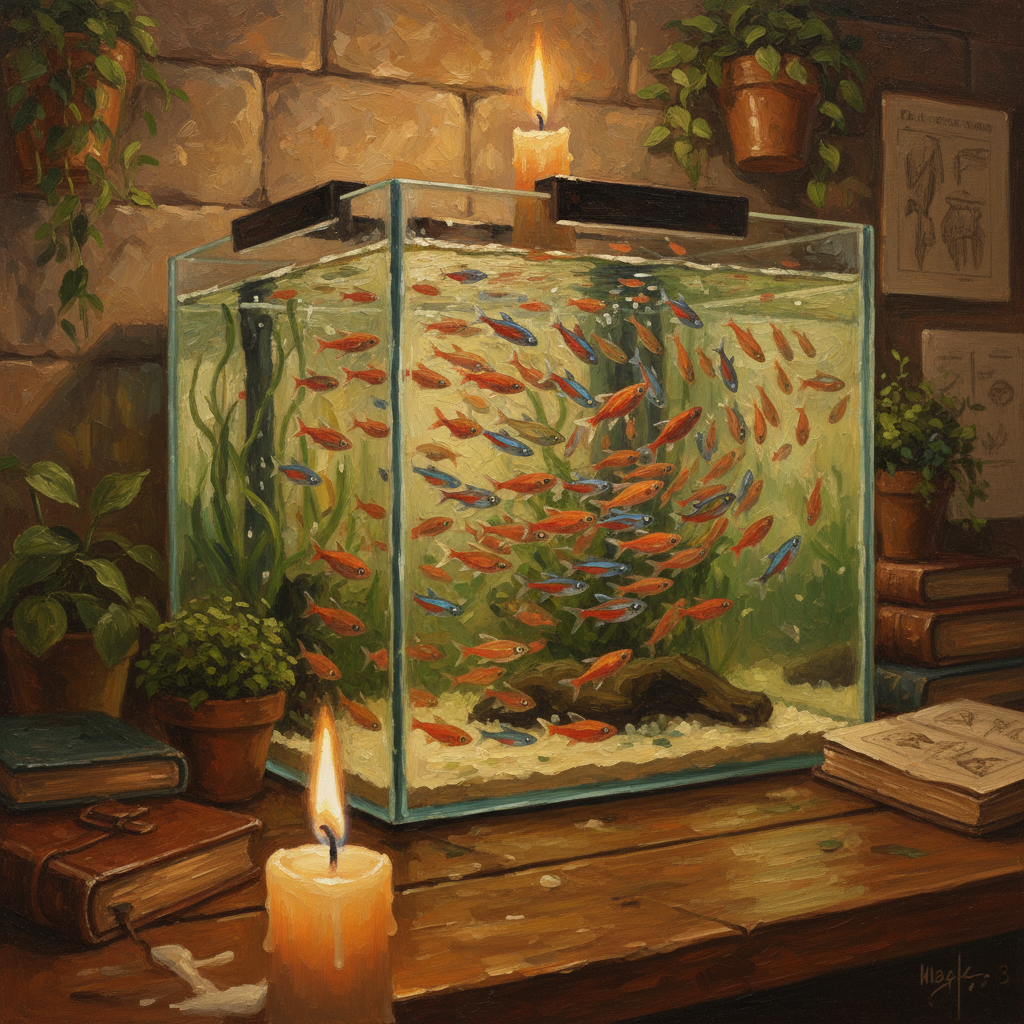
A few years ago, I had a beautiful school of Neon Tetras in my 20-gallon tank. One day, I noticed that the Tetras were acting strangely. They were hiding more than usual, their colors were dull, and they weren’t schooling as tightly as they normally did. I tested the water and found that the ammonia level was slightly elevated, despite the fact that I had just performed a water change a few days earlier. I suspected that something was disrupting the biological filter. After further investigation, I discovered that a dead snail had been hidden beneath a piece of driftwood. The decaying snail was releasing ammonia into the water, poisoning the fish. I removed the snail, performed a large water change, and added some beneficial bacteria to the tank. Within a few days, the Tetras had recovered and were back to their normal, vibrant selves.
Case Study 2: The Aggressive Angelfish
I once made the mistake of adding a juvenile Angelfish to a community tank with several smaller fish. At first, everything seemed fine. The Angelfish was small and peaceful, and it didn’t seem to bother the other fish. However, as the Angelfish grew larger, it started to become more aggressive. It began to chase and nip at the fins of the smaller fish, stressing them out and preventing them from eating. I realized that the Angelfish was simply too large and aggressive for the community tank. I removed the Angelfish and rehomed it in a larger tank with other Angelfish. The smaller fish in the community tank immediately became more relaxed and active.
Conclusion: A Lifelong Learning Journey
Understanding fish behavior is a lifelong learning journey. The more you observe your fish and learn about their needs, the better equipped you’ll be to provide them with a healthy and happy environment. By paying close attention to their behavior, you can detect potential problems early on and take corrective action before they become serious. So, take the time to watch your fish, learn their individual personalities, and appreciate the fascinating world that exists within your aquarium. It’s a rewarding experience that will bring you years of enjoyment.
Ultimately, the most important thing is to be observant and proactive. Your fish are relying on you to provide them with the best possible care. By understanding their behavior, you can ensure that they live long, healthy, and happy lives. And who knows, you might even learn a thing or two about yourself in the process. I know I certainly have.
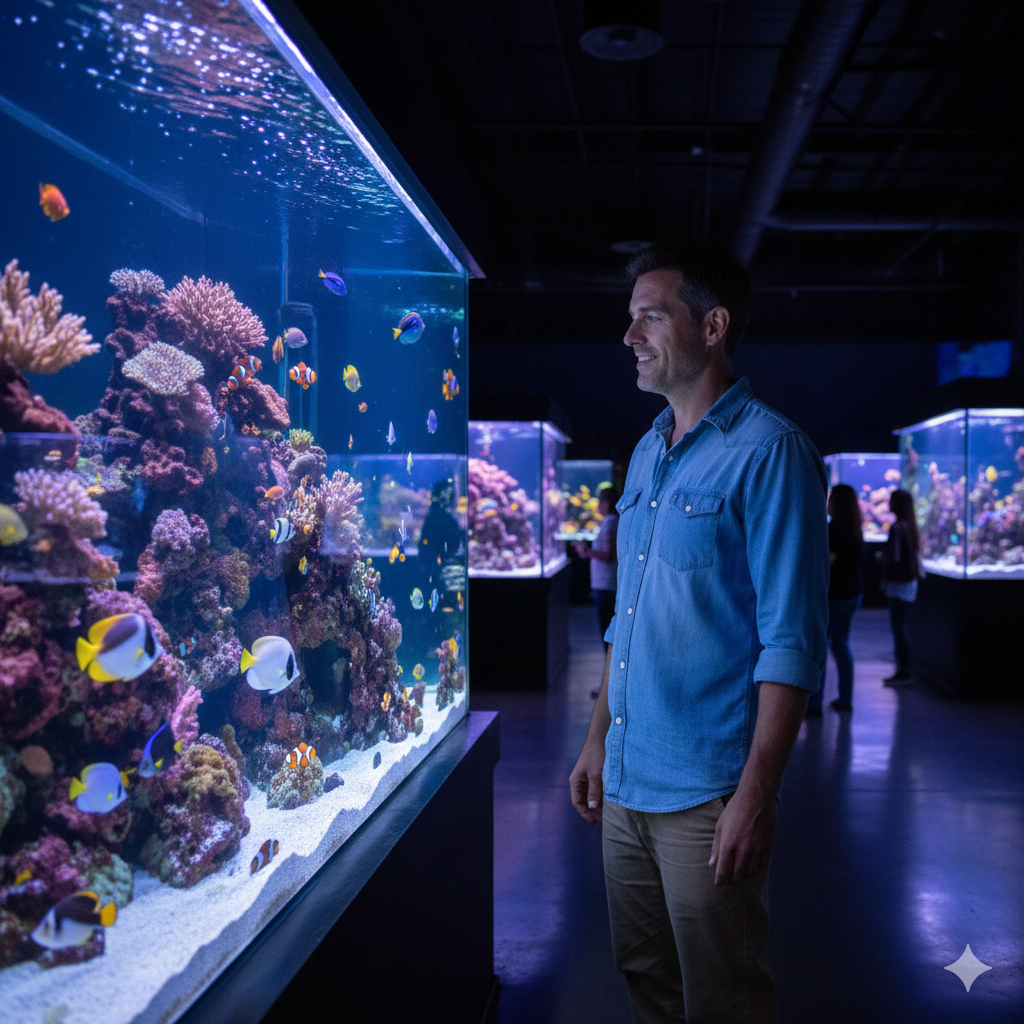
My name is Daniel Carter, I am 35 years old, and I live in the United States. I have been passionate about aquariums for many years, and what started as a simple hobby quickly became a lifelong interest in aquatic life, fish behavior, and responsible tank care.
Through TheBrightLance, I share real experiences, practical knowledge, and honest lessons learned from maintaining different types of aquariums. I enjoy testing equipment, studying fish behavior, improving maintenance routines, and helping beginners avoid common mistakes.
My goal is to make aquarism easier, more ethical, and more enjoyable for everyone — whether you are setting up your very first tank or looking to refine your techniques.