
Decoding the Silent Language of My Fish
For over a decade, my living room has been dominated – in the best possible way – by the gentle hum of aquarium filters and the mesmerizing dance of freshwater fish. It started with a humble ten-gallon tank and a handful of neon tetras. Now, I’ve got a thriving community in a seventy-five-gallon planted aquarium. But it’s not just about the aesthetics; it’s about understanding the intricate behaviors that govern their lives. The more I learn about *why* they do what they do, the better I become at creating an environment where they truly thrive. It’s gone way beyond just keeping fish alive. It’s about understanding their needs and providing the best possible life for them.
I’ve come to believe that observing fish behavior is just as important, if not more so, than diligently performing water changes or meticulously balancing water parameters. Those are crucial, of course, but they’re only part of the equation. Watching how your fish interact with each other, with the environment, and even with you, is key to anticipating problems, preventing disease, and creating a truly harmonious aquatic world. Have you ever really *watched* your fish? I mean, truly observed them for more than a fleeting moment? You might be surprised at what they’re telling you.
The Importance of Observation: More Than Just Pretty Colors
We often get caught up in the visual appeal of aquariums – the vibrant colors of the fish, the lush greenery of the plants, the captivating shimmer of light through water. And there’s nothing wrong with appreciating the beauty! But to truly be a responsible and successful aquarist, you need to move beyond the surface and delve into the fascinating world of fish behavior. It’s like owning a dog – you don’t just feed it and let it roam around. You learn its cues, its personality, its individual needs. Fish deserve the same level of attention.
Early on, I made the mistake of focusing solely on the technical aspects of aquarium keeping. I meticulously tracked ammonia, nitrite, and nitrate levels. I obsessively adjusted pH. I read countless articles about lighting and fertilization. And while my water parameters were pristine, my fish weren’t always thriving. I had unexplained losses, fin nipping, and a general sense of unease in the tank. It wasn’t until I started paying closer attention to their behavior that I began to understand what was truly going wrong.
Recognizing Stress Signals
One of the first things I learned was to recognize the signs of stress in my fish. These can be subtle, but they’re crucial for early intervention. Common stress indicators include:
- Clamped fins: This is when the fins are held close to the body, rather than extended naturally. It’s often a sign of poor water quality, bullying, or disease.
- Erratic swimming: Darting around the tank, rubbing against objects, or swimming with jerky movements can indicate parasites or other health problems.
- Loss of appetite: A healthy fish will usually eagerly approach food. If your fish is suddenly uninterested in eating, it’s a red flag.
- Hiding: While some fish are naturally shy, excessive hiding can be a sign that something is wrong. Are they being bullied? Is the lighting too bright? Is there not enough cover?
- Color loss: Faded colors or a dull appearance can indicate stress or disease.
For example, I once introduced a group of new rummy-nose tetras to my tank. Initially, they seemed fine. But after a few days, I noticed they were constantly hiding behind the filter intake, their vibrant red noses noticeably paler than usual. I immediately tested the water, and everything seemed normal. It wasn’t until I spent some time observing them that I realized the problem. My existing school of tetras, while not overtly aggressive, were subtly harassing the newcomers, preventing them from feeding and establishing themselves. By adding more plants and rearranging the décor to create more hiding places and break up sightlines, I was able to reduce the stress and help the new tetras acclimate.

Understanding Social Dynamics
Fish are social creatures, and understanding their social dynamics is essential for creating a peaceful and balanced aquarium. Some fish are naturally schooling fish, meaning they need to be kept in groups of at least six or more to feel secure. Others are territorial and may become aggressive towards their own kind or other species if their space is threatened.
I learned this the hard way when I introduced a single angelfish to my community tank. Initially, it was a beautiful and peaceful addition. But as it grew larger, it started to become increasingly territorial, chasing and nipping at the fins of my smaller tetras. I eventually had to rehome the angelfish to a larger tank where it could have more space and not feel threatened. Now I research thoroughly about the fish social behaviors before I add them to my community.
Different species exhibit different social behaviors. Some engage in complex courtship rituals, while others establish dominance hierarchies through displays of aggression. By observing these interactions, you can gain valuable insights into the health and well-being of your fish. For example, if you notice a fish constantly being chased or bullied, you may need to provide more hiding places, rearrange the décor, or even remove the aggressor from the tank.
Case Studies: Learning from My Mistakes (and Successes)
Over the years, I’ve had my share of aquarium failures and successes. Each experience has taught me valuable lessons about fish behavior and how to create a thriving aquatic environment. Here are a few examples:
The Case of the Mysterious Fin Nipping
For a while, I was plagued by unexplained fin nipping in my community tank. My tetras and rasboras had ragged fins, and I couldn’t figure out why. I checked the water parameters, treated for parasites, and even tried adding aquarium salt. Nothing seemed to work. Eventually, I set up a video camera and recorded the tank for several hours. To my surprise, I discovered that the culprit was a seemingly harmless school of serpae tetras. While generally peaceful, they were occasionally nipping at the fins of the other fish, especially the slower-moving ones. By rehoming the serpae tetras to a species-only tank, I was able to resolve the fin nipping issue.
The Importance of Proper Schooling
I once tried to keep a small group of neon tetras in a twenty-gallon tank. I thought that four would be enough, but I was wrong. They were constantly hiding, their colors were faded, and they seemed stressed and unhappy. After doing some research, I learned that neon tetras are schooling fish and need to be kept in groups of at least six or more to feel secure. I added six more tetras to the tank, and the difference was remarkable. They immediately became more active, their colors brightened, and they started swimming together in a tight school. It was a clear demonstration of the importance of understanding the social needs of your fish.
Creating a Natural Environment
One of my most successful aquarium setups is a biotope tank designed to mimic the natural habitat of blackwater fish from South America. I used driftwood, leaf litter, and soft, acidic water to create a realistic environment. I also chose fish species that are naturally found in this type of habitat, such as cardinal tetras, pencilfish, and pygmy corydoras. The fish thrived in this environment, exhibiting natural behaviors and vibrant colors. It was a testament to the importance of providing fish with an environment that meets their specific needs.

Beyond the Basics: Advanced Behavioral Observations
Once you’ve mastered the basics of recognizing stress signals and understanding social dynamics, you can start to delve into more advanced behavioral observations. This involves paying attention to subtle cues, learning about the specific needs of different species, and even experimenting with different environmental factors to see how they affect your fish’s behavior.
Understanding Breeding Behaviors
One of the most fascinating aspects of fish behavior is their breeding rituals. Different species have different breeding strategies, ranging from simple egg scattering to elaborate nest building and parental care. By observing these behaviors, you can learn a lot about the health and well-being of your fish.
I once had a pair of kribensis cichlids that spawned in my community tank. I was amazed to watch them build a nest in a cave, guard their eggs fiercely, and then carefully tend to their fry. It was a beautiful example of parental care in the fish world. Even if you’re not actively trying to breed your fish, observing their breeding behaviors can be a rewarding and educational experience.
The Impact of Lighting
Lighting plays a crucial role in the behavior of fish. Different species have different lighting requirements, and providing the wrong type of lighting can stress your fish. For example, some fish prefer dim lighting, while others need bright light to thrive. By experimenting with different lighting options, you can find the optimal conditions for your fish.
I noticed a significant improvement in the behavior of my discus fish when I switched from a bright, full-spectrum light to a dimmer, more natural-looking LED light. The discus became more active, their colors brightened, and they seemed less skittish. It was a clear demonstration of the impact of lighting on fish behavior.
The Influence of Tank Mates
The choice of tank mates can have a significant impact on the behavior of your fish. Some fish are naturally compatible, while others are not. It’s important to research the compatibility of different species before introducing them to your tank. I have made mistakes with tank mates and have learned from them. Now I usually spend hours researching the best tank mates for my fishes.
I once introduced a group of boisterous tiger barbs to my community tank, which housed some peaceful angelfish. The tiger barbs constantly harassed the angelfish, nipping at their fins and stressing them out. I eventually had to remove the tiger barbs to a separate tank to restore peace to the community.
Practical Tips for Observing Fish Behavior
So, how do you go about observing fish behavior effectively? Here are a few practical tips:
- Spend time observing your tank regularly: Set aside a few minutes each day to simply watch your fish. Pay attention to their movements, interactions, and overall demeanor.
- Use a notebook or journal: Record your observations. Note any changes in behavior, unusual occurrences, or anything that seems out of the ordinary.
- Take photos or videos: These can be helpful for documenting behavior and tracking changes over time.
- Research the specific needs of your fish: Learn about their natural habitat, social behavior, and dietary requirements.
- Don’t be afraid to experiment: Try different things to see how they affect your fish’s behavior. Just be sure to do your research and avoid making any drastic changes that could harm your fish.
- Be patient: It takes time to learn to understand fish behavior. Don’t get discouraged if you don’t see results immediately.

My Go-To Fish Behavior Resources
Over the years, I’ve accumulated a collection of resources that I find invaluable for understanding fish behavior. While I can’t list external websites here, I can share the types of resources I rely on. First, I look for detailed species profiles, which offer insights into the natural habitat, social structure, and dietary needs of specific fish. Second, I follow online forums and communities dedicated to aquascaping and fishkeeping, where I can learn from the experiences of other hobbyists. Third, I consult books and scientific articles on fish behavior, which provide a deeper understanding of the underlying mechanisms that drive their actions.
The Power of Community
One of the most valuable resources has been connecting with other aquarists. Sharing experiences, asking questions, and learning from each other’s successes and failures has been instrumental in my journey. Online forums, local aquarium societies, and even just chatting with fellow fish enthusiasts at the local fish store can provide a wealth of information and support. Don’t underestimate the power of community when it comes to understanding fish behavior.
The Future of Fishkeeping: A Deeper Connection
I believe that the future of fishkeeping lies in a deeper connection with our aquatic companions. It’s about moving beyond simply keeping fish alive to truly understanding their needs and providing them with the best possible lives. By observing their behavior, learning about their natural history, and creating environments that mimic their natural habitats, we can foster a more harmonious and fulfilling relationship with these fascinating creatures.
I often find myself wondering what my fish are thinking, what they’re experiencing, and how I can better meet their needs. It’s a constant learning process, but one that I find incredibly rewarding. And I believe that by sharing our knowledge and experiences, we can inspire others to develop a deeper appreciation for the wonders of the aquatic world.

Ultimately, understanding fish behavior isn’t just about keeping fish alive; it’s about enriching our own lives by connecting with the natural world on a deeper level. It’s a continuous journey of discovery, observation, and empathy. And while I may never fully understand the silent language of my fish, I’ll continue to listen, to learn, and to strive to create an aquarium where they can truly thrive.
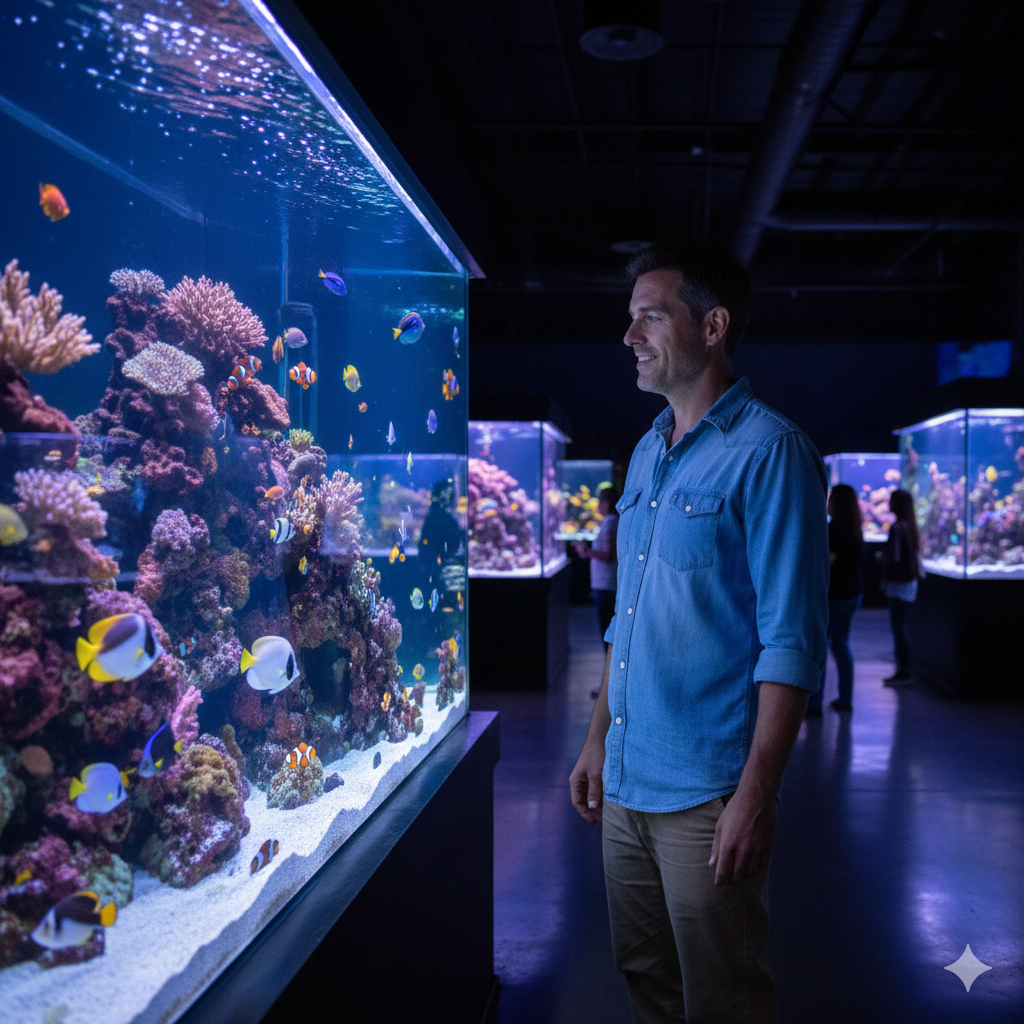
My name is Daniel Carter, I am 35 years old, and I live in the United States. I have been passionate about aquariums for many years, and what started as a simple hobby quickly became a lifelong interest in aquatic life, fish behavior, and responsible tank care.
Through TheBrightLance, I share real experiences, practical knowledge, and honest lessons learned from maintaining different types of aquariums. I enjoy testing equipment, studying fish behavior, improving maintenance routines, and helping beginners avoid common mistakes.
My goal is to make aquarism easier, more ethical, and more enjoyable for everyone — whether you are setting up your very first tank or looking to refine your techniques.